


Portrait of Young Boy
A portrait of young boy captures the innocence and character of childhood across centuries of painting, drawing and sculpture.
Portrait of Young Boy
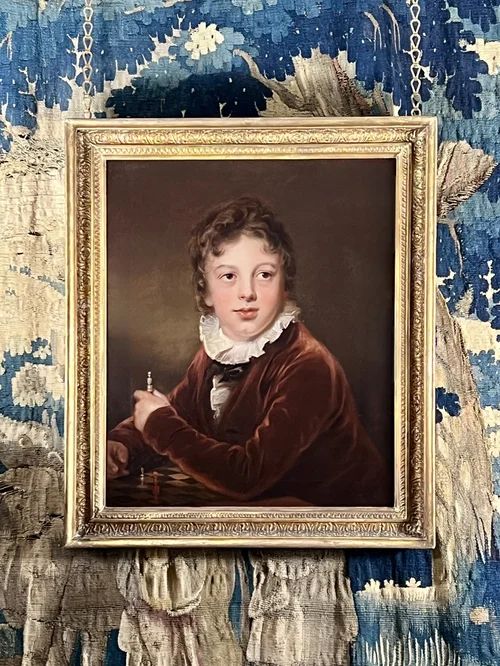
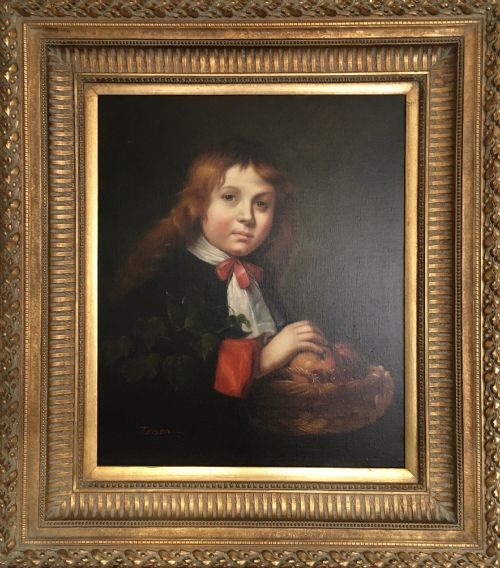
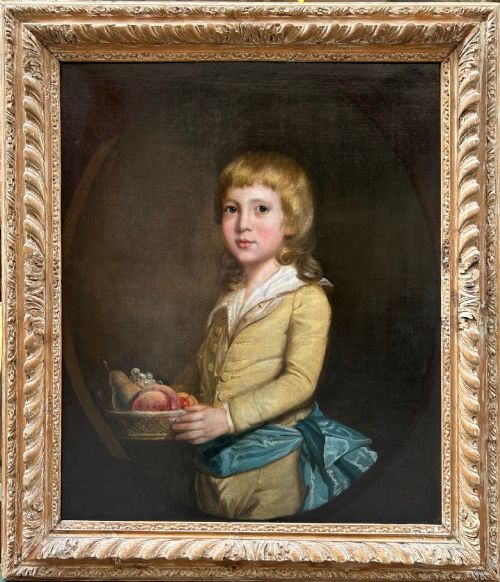
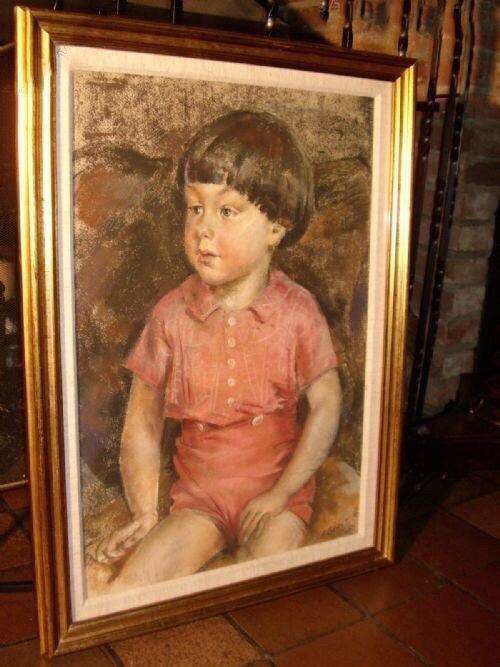
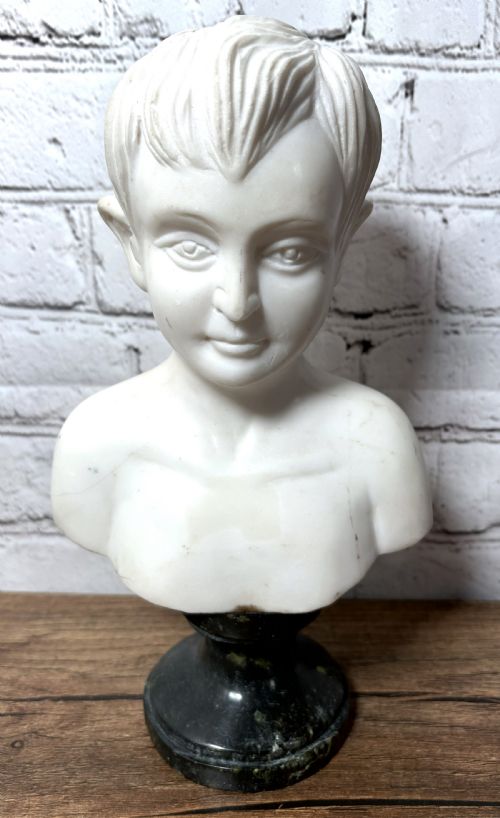
A portrait of young boy spans oil paintings on canvas and wood panel, delicate pastels, pencil sketches and sculpted busts in marble and plaster. These works record children individually or accompanied by pets, toys and family members.
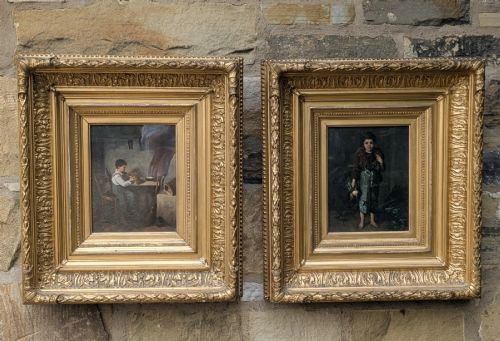
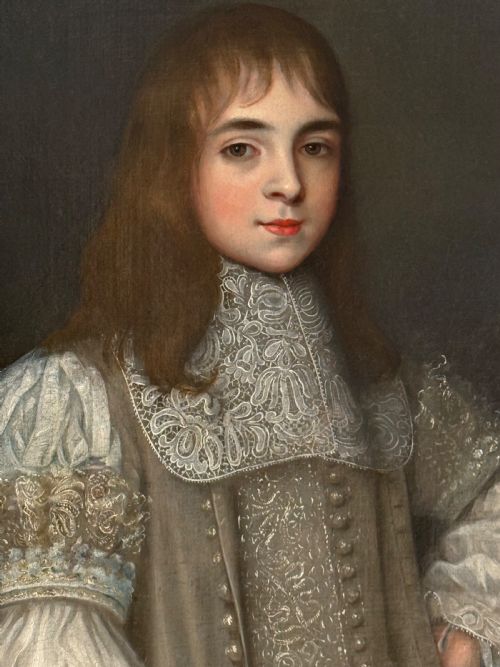
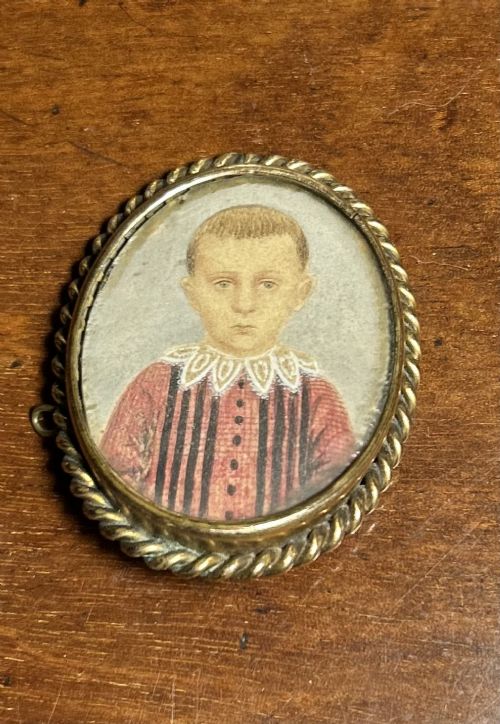
The selection ranges from seventeenth-century aristocratic studies to Victorian oil paintings and mid-century modern interpretations. Works appear in original carved giltwood frames or mounted as miniatures in brooches.
Many items derive from provincial British schools and Continental European studios, reflecting changing fashions in dress, toys such as spinning tops and hoops, and domestic portraiture.
How they were made
Painters utilised oil paint on stretched canvas or wooden panels, building up layers of colour and glaze to create depth in clothing and skin tones. Pastels and gouache on paper offered a quicker, softer medium for capturing fleeting expressions.
Sculptors carved Carrara marble or cast plaster in classical styles to produce library busts with smooth patination. Wood and giltwood frames were carved and gilded to complement the fine art paintings they enclosed.
Materials in this category span canvas, oil paint, paper, wood, giltwood, marble and plaster across multiple centuries.
What varies in quality
The survival of original components, such as period giltwood frames and untouched paint surfaces, elevates a piece. Documentation regarding the sitter's identity adds historical weight to the artwork.
Margaret Sarah Carpenter·John Michael Wright·Thomas Beach·Philip Mercier·Arthur Pond·Frank Owen Salisbury·Henry Scott·Edward Bird·William Orpen·John Russell·John Verelst·James Maubert·Carl Felkel·Valentine Cameron Prinsep·Charles Goldsborough Anderson·Charles Jervas·Charles Edward Halle·Charles D'Agar·Mary Beale·Sir Thomas Beechey·Sir John Watson Gordon·François Hubert Drouais·Pieter Nason
The Portrait of Young Boy Glossary
- Oleograph
- A commercial colour lithograph textured to imitate an oil painting. This reproduction technique gained popularity in the nineteenth and twentieth centuries.
- Pastel
- A dry medium made of powdered pigment and a binder, pressed into stick form. Artists applied these to paper or vellum to achieve soft, velvety colour transitions.
- Giltwood
- Wood that has been coated with a thin layer of gold leaf or powder. This finish was standard for luxury frames throughout the Georgian and Victorian eras.
- Miniature
- A small-scale portrait, often painted on ivory or vellum and set into a brooch or locket. These intimate keepsakes were frequently worn close to the heart.
- Provincial School
- Art produced outside major metropolitan art centres, often by regional artists. These works display local character and unpretentious techniques.
Portrait of Young Boy: Frequently Asked Questions
How do I identify the period of a portrait?
Examine the clothing, hairstyles and accessories worn by the sitter, as these closely mirror the prevailing fashion of the era. Examining the stretcher bars, canvas weave and framing materials provides further clues to the date of execution.
Paintings from the seventeenth and eighteenth centuries often feature elaborate collars, ruffs or distinct drapery, while nineteenth-century works display simpler textiles and softer contours.
What subjects typically accompany the child?
Children were frequently painted alongside beloved pets such as spaniels, cats and birds, which symbolised fidelity or innocence. Toys including spinning tops, hoops, maps and fruit baskets also appear frequently.
These props were carefully chosen by the artist or patron to reflect the child's status, education or playful nature within a domestic setting.
How should I care for antique oil paintings?
Keep paintings away from direct sunlight, high humidity and sudden temperature fluctuations to prevent the canvas from sagging and the oil paint from cracking. Dust the surface gently with a soft, dry brush without applying pressure.
Avoid using water or chemical cleaners on the paint or the giltwood frame, as moisture causes irreversible damage to historic pigments and gold leaf.
Are framed portraits displayed differently than busts?
Framed wall art requires sturdy picture hooks suited to the weight of the canvas and its heavy giltwood frame. Busts carved from marble or cast in plaster need a stable, level surface such as a heavy console or library shelf.
Sculptures should be positioned away from high-traffic areas where they might be accidentally knocked or dislodged from their resting place.