


Edwardian Chester Sterling Silver
Edwardian chester sterling silver brings together early twentieth-century assay office marks, delicate personal accessories, and decorative tableware that collectors prize for regional rarity.
Edwardian Chester Sterling Silver
When you examine edwardian chester sterling silver, you encounter a distinct regional body of British assay work carrying the three sheaves and sword mark of the Chester office. These items span domestic tableware, desk accessories, and personal vanity pieces produced around the turn of the twentieth century.
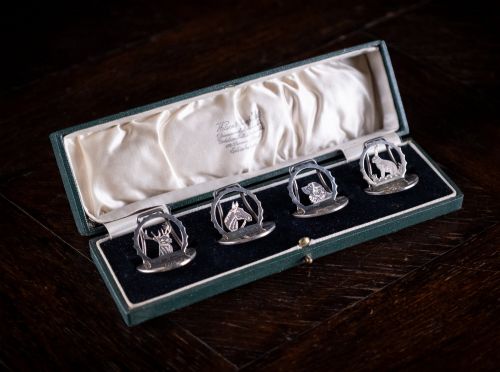
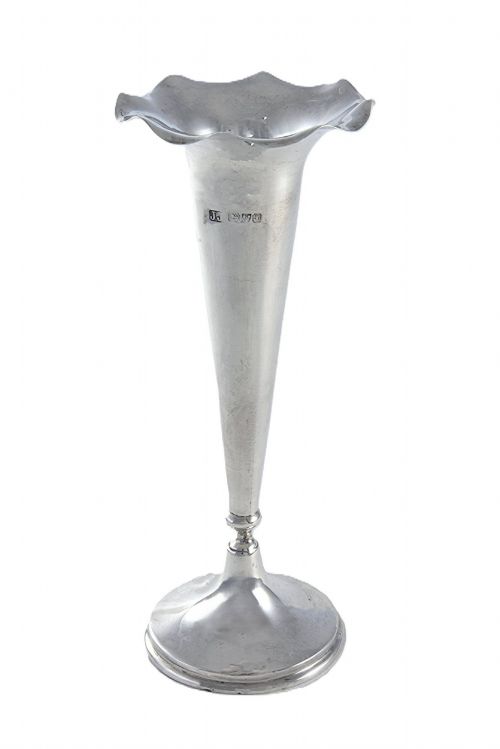
The selection on this page relies heavily on quintessential Edwardian forms alongside adjacent George V and late Victorian examples bearing the same Chester hallmarks. Vesta cases, trinket boxes, and menu holders appear frequently, alongside glass-lined items and personal accessories.
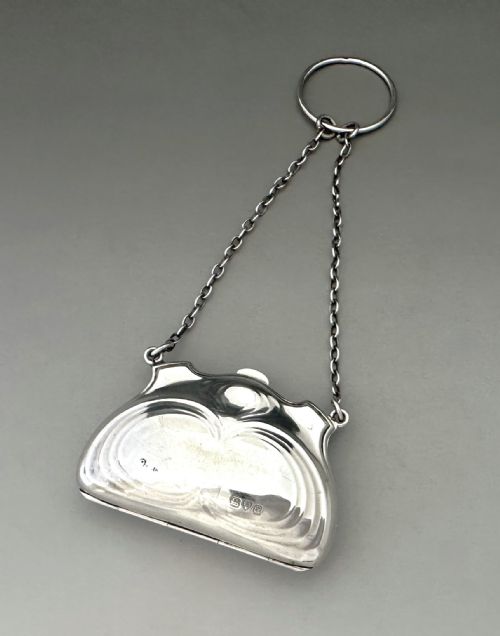
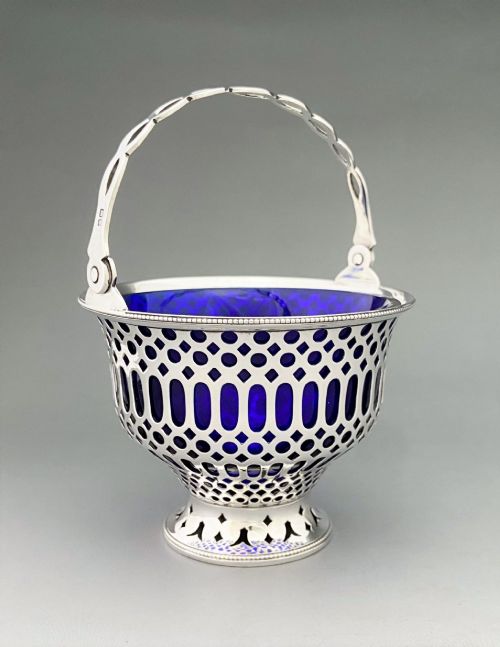
Makers working within this jurisdiction utilised local skill to produce everything from utilitarian match safes to decorative pierced baskets and intricate chatelaine items. Each piece reflects the functional requirements of polite society during the reign of Edward VII.
How they were made
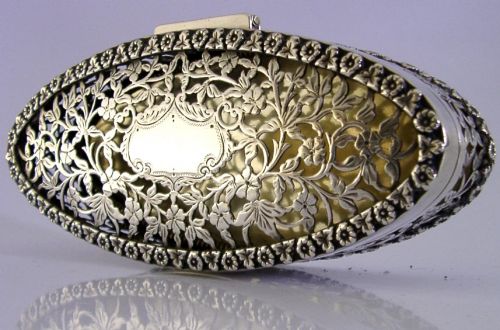
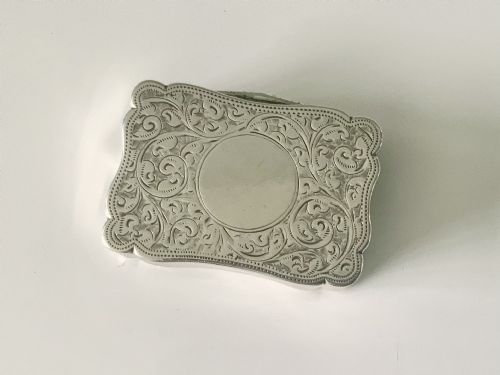
Silversmiths constructed these objects using sterling silver sheet, cast components, and hand-hammered techniques associated with the Arts and Crafts movement. Piercing, embossing, and engining turning formed the primary methods for decorating surfaces on boxes, frames, and card holders.
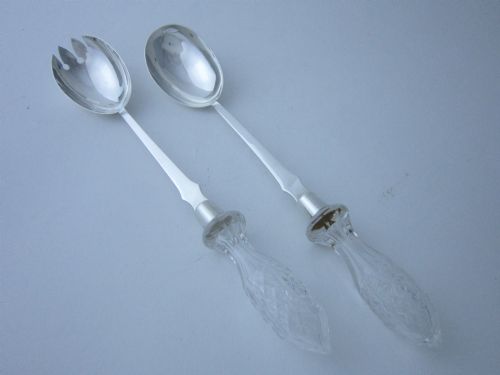
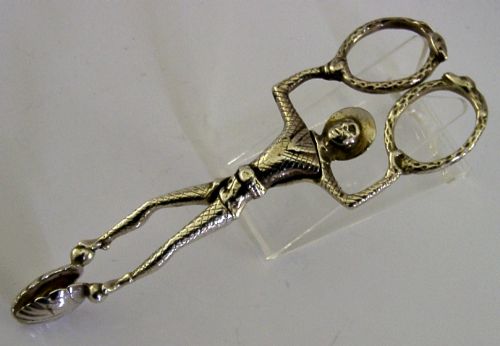
Many items incorporate auxiliary materials such as cut glass inserts, velvet linings, enamel work, and mother-of-pearl to complement the silver framework. Gilding interior surfaces on items like sugar nips and cups added both a decorative finish and protection against tarnishing.
Assay masters at Chester struck each completed article with specific punch marks denoting the town, the sterling standard, and the date letter corresponding to the exact year of manufacture.
Listings feature various desk and vanity objects from the Chester assay office, spanning cast wax seals, stamp cases, and pill boxes in sterling silver.
What varies in quality
The distinction between standard commercial output and superior craftsmanship rests upon the depth of the metalwork, the crispness of chased details, and the integrity of structural joins. Heavy-gauge silver resists denting and maintains sharper relief on embossed flora, ribbons, and heraldic motifs.
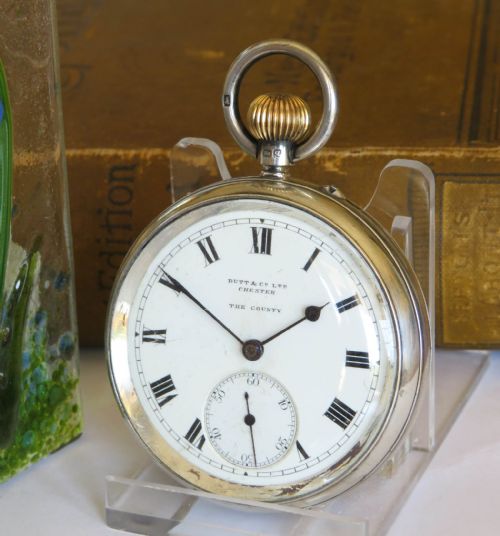
Signatures by prominent silversmiths or specialist retailers elevate an object's standing within the marketplace, as does the presence of complex mechanical elements in items like pocket watch holders or opening stamp cases. The survival of original glass liners, intact enamel panels, and clear, un-rubbed hallmark sequences further separates fine examples from ordinary survivals.
Nathan & Hayes·Sampson Mordan·Alfred Marston·Robert Cawley·Albert Ernest Jenkins·Charles Horner·William Neale & Sons
The Edwardian Chester Sterling Silver Glossary
- Assay Office
- The official body that tested precious metals and stamped items with hallmarks. The Chester office utilised a mark featuring three lions and a wheatsheaf.
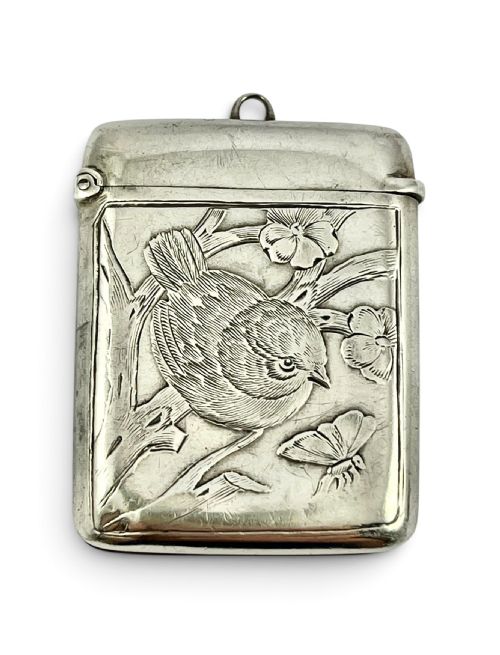
- Vesta Case
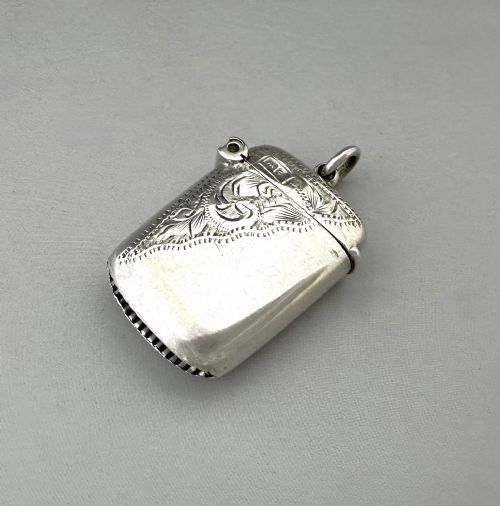
- A small pocket container designed to hold matches and strike them on the base. These often feature hinged lids and suspension loops.
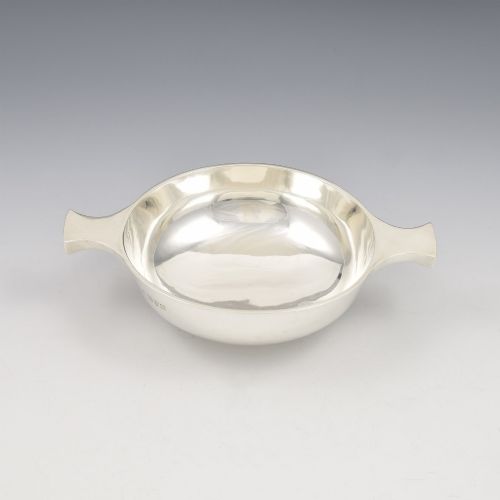
- Quaich
- A traditional two-handled drinking vessel of Scottish origin. Examples bearing Chester marks represent a crossover of regional styles.
- Jabot Pin
- A decorative ornamental pin used to fasten lace or fabric on women's clothing during the Edwardian period. They often feature enamel or jewelled terminals.
- Harlequin Set
- A collection of tableware items that match in style or era but were made by different silversmiths. The term denotes a gathered assembly rather than a single workshop's suite.
Edwardian Chester Sterling Silver: Frequently Asked Questions
What does a Chester hallmark look like?
Chester sterling silver carries a distinctive town mark featuring three lions passant and a sword upright between three wheatsheaves. This mark appears alongside the lion passant sterling standard and a specific date letter.
Collectors look for these punches to confirm regional provenance, as the Chester assay office closed permanently in 1962, making all surviving local silver strictly finite.
How were vesta cases used?
Vesta cases served as essential pocket containers for carrying matches safely before the widespread availability of safety matches and lighters. Gentlemen and ladies kept them in pockets or suspended them from chatelaines.
Spring-loaded hinged lids kept the matches dry, while a serrated striking strip on the bottom allowed the user to ignite a match instantly.
How do I care for antique silver?
Antique silver requires gentle cleaning with a soft cloth and specialised silver polish to remove natural oxidation without wearing down the underlying hallmark stamps. Avoid harsh chemical dips that strip away desirable patination.
Store items away from high humidity and direct sunlight, particularly pieces with velvet linings, glass inserts, or delicate enamel work that can degrade over time.