
Edwardian Chain Necklace
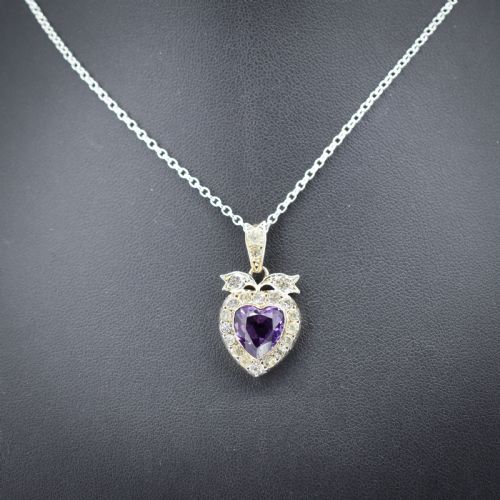
When you handle an edwardian chain necklace, you hold the refined metalwork of an era that balanced intricate gemstone pendants with functional watch chains.
Edwardian Chain Necklace
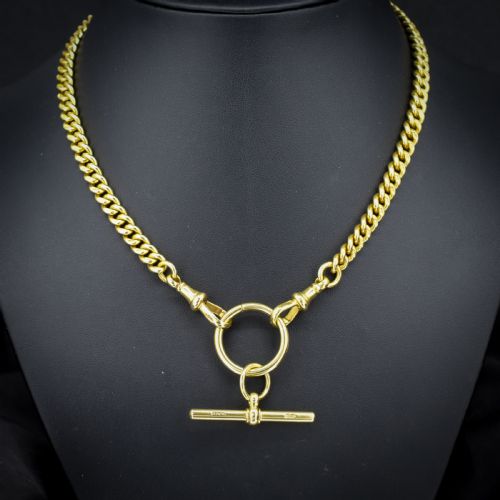
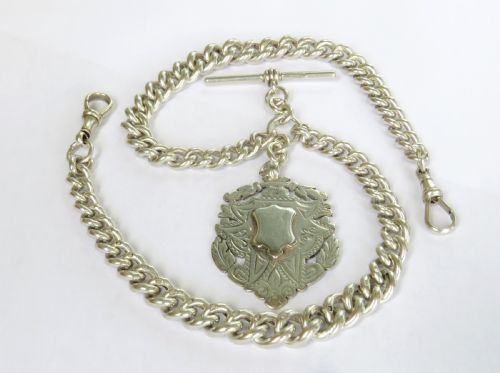
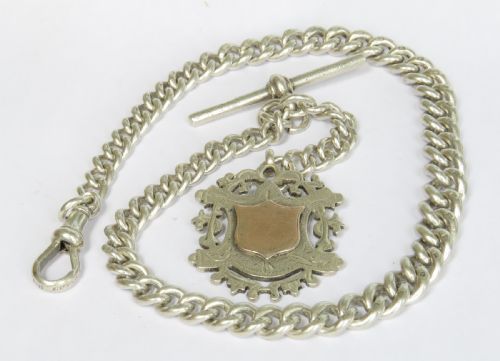
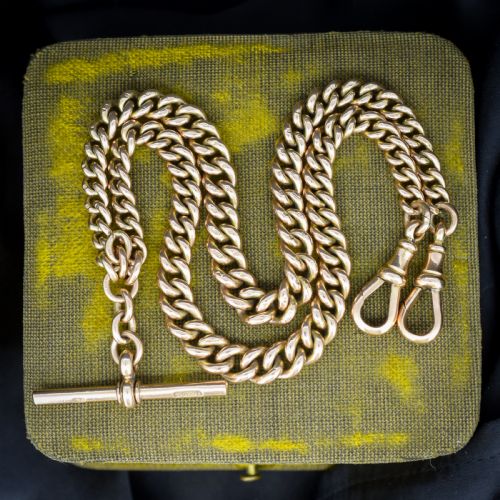
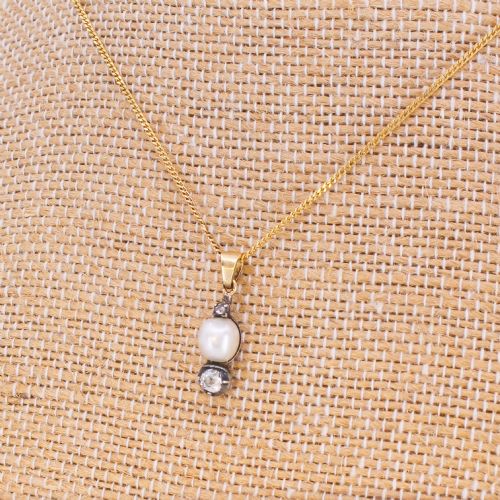
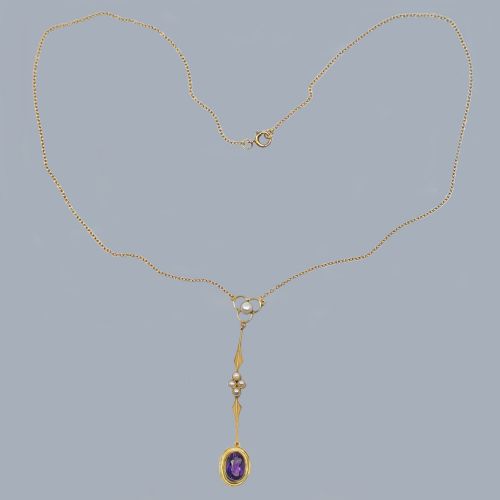
The edwardian chain necklace category spans delicate pendants suspended from fine chains, substantial guard chains designed to loop multiple times, and converted pocket watch albert chains.
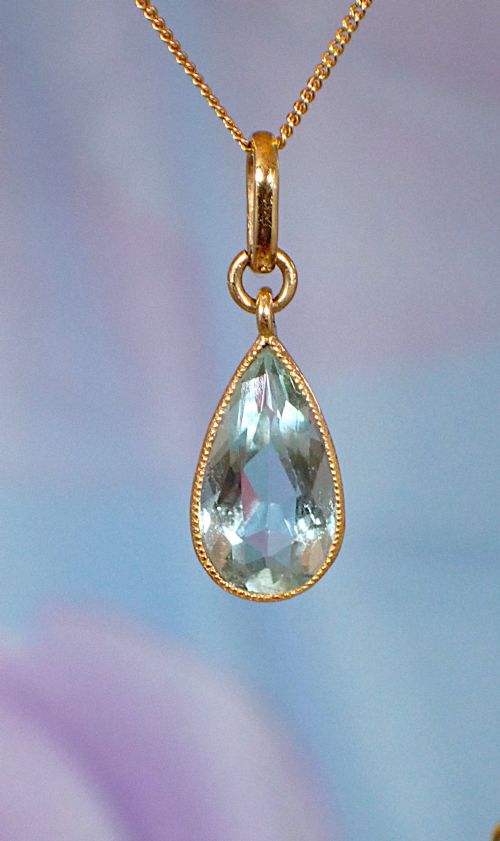
The pieces appearing here include sterling silver and various carats of gold, frequently incorporating pearls, diamonds, aquamarines, and amethysts.
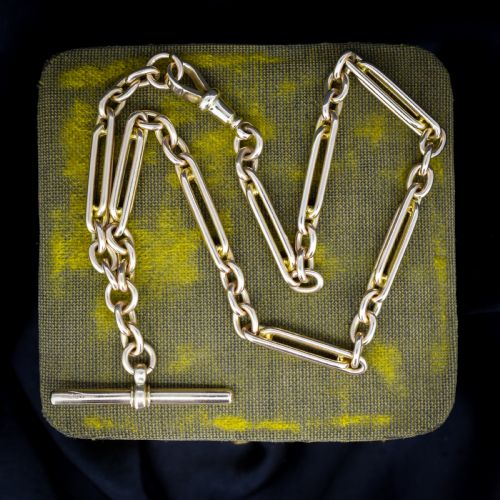
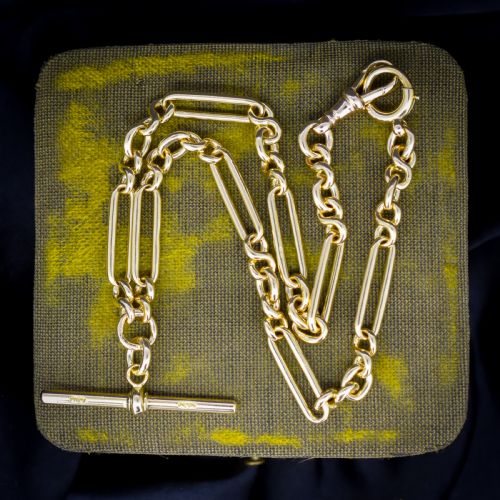
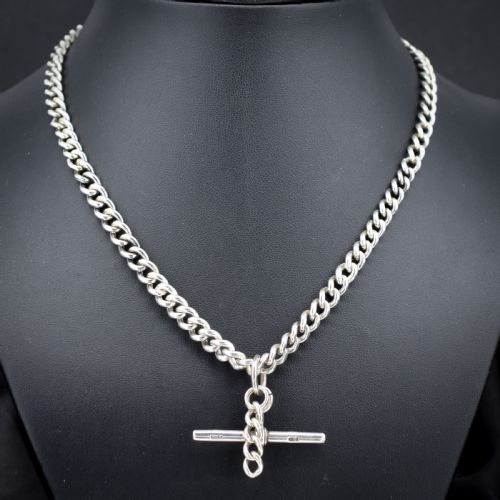
Many examples retain utilitarian elements such as dog clips and T-bars originally intended for pocket watches or fobs, now worn around the neck.
Materials and construction
Goldsmiths and silversmiths utilised sterling silver and gold ranging from nine to eighteen carat, alongside platinum for specific mounting work.
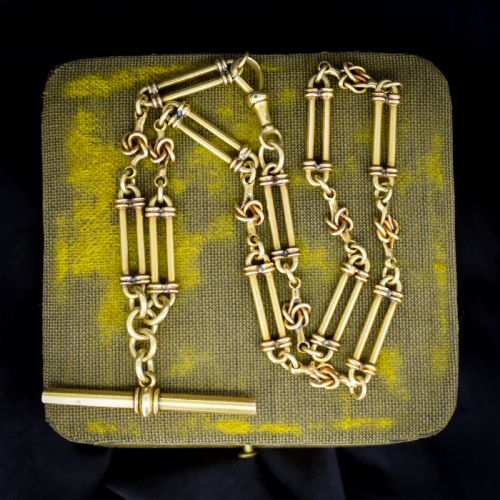
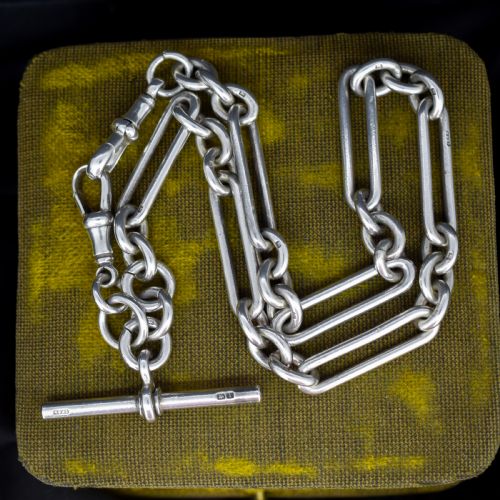
Links were formed into distinct patterns including curb, trombone, belcher, and figaro shapes, with individual components often bearing hallmarks.
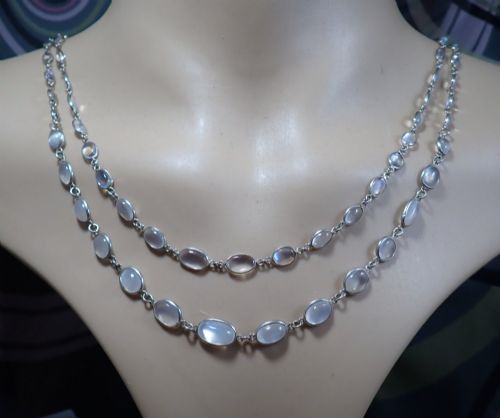
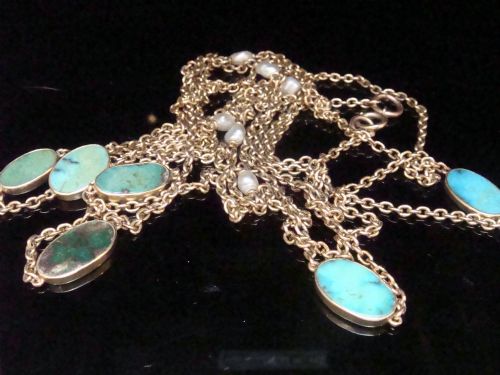
Gemstones such as peridot, turquoise, moonstone, and natural pearls were set into pendants or integrated directly into the chain structures using traditional claw and collet techniques.
Pendant drops paired with these chains showcase turquoise, peridot, moonstone, and natural pearls alongside diamonds.
Factors of quality
The calibre of a piece depends on the integrity of its links, the clarity of hallmarks on individual components, and the security of catches like dog clips and spring rings.
The selection and matching of natural pearls, diamonds, and coloured stones determine distinction, particularly when stones retain their original old cuts.
Execution of delicate filigree work and the preservation of original length and configuration separate standard utility pieces from finer examples.
The Edwardian Chain Necklace Glossary
- Albert chain
- A pocket watch chain originally secured to a waistcoat, frequently converted for wear as a necklace.
- Dog clip
- A spring-loaded clasp shaped like a small hound's snap, commonly used on watch chains and guard chains.
- T-bar
- A short transverse bar attached to a chain, historically dropped through a buttonhole to anchor a pocket watch.
- Longuard chain
- An exceptionally long chain designed to be doubled or tripled around the neck, often fitted with a swivel clip.
- Trombone link
- A rectangular watch chain link alternating with smaller circular links, named after musical instrument shapes.
Edwardian Chain Necklace: Frequently Asked Questions
How do I wear an albert watch chain as a necklace?
An albert watch chain is worn by attaching the dog clip directly to a spring ring or through an end link to form a continuous loop around the neck. The remaining T-bar often hangs as an intentional decorative drop.
Because these chains were originally made for pocket watches, their shorter lengths sit high on the collarbone, functioning similarly to a choker.
What is the difference between a guard chain and a standard chain?
Guard chains are exceptionally long lengths of gold or silver, often measuring over thirty inches, intended to be doubled or tripled around the neck. Standard chains are shorter lengths designed to sit as single strands.
Guard chains frequently feature secure swivel clasps and heavier links capable of supporting multiple pendants or chatelaines.
Are all edwardian chains hallmarked?
Many pieces feature partial or full hallmarks stamped on individual links, dog clips, or T-bars, indicating the metal purity and assay office. Some smaller components or imported items may carry only numeric stamps or maker's marks.
Absence of a full hallmark does not preclude authenticity, as wear over decades or removal of dangling components often erased secondary stamps.
What gemstones are typical for this period?
Pendants and decorative links commonly feature natural pearls, seed pearls, diamonds, amethysts, aquamarines, peridots, and turquoise. Paste stones also appear in settings designed to mimic fine jewels.
Stones are typically old-cut or rose-cut, secured in open-back or closed-back settings depending on the design of the pendant.