



Antique Dog Clip Necklace
An antique dog clip necklace transforms utility into ornament, taking functional watch chains and guard chains into modern neckwear.
Antique Dog Clip Necklace
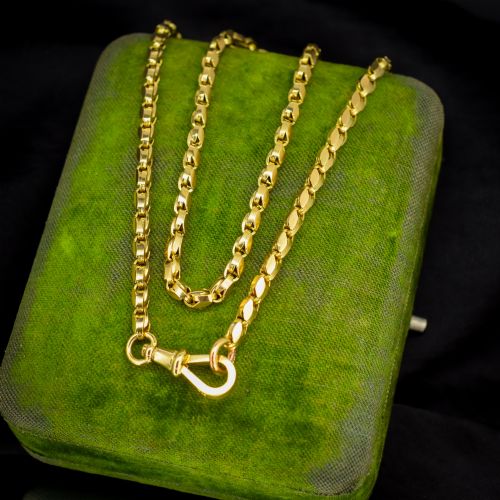
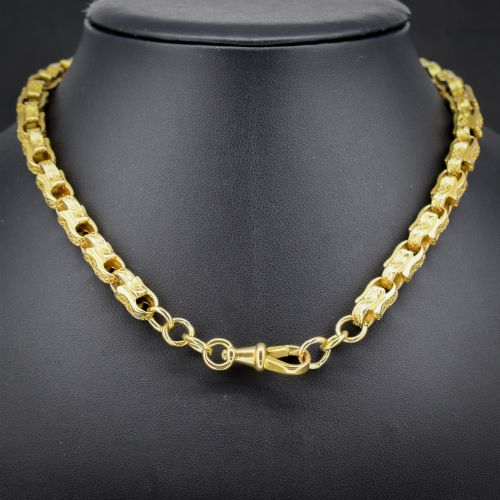
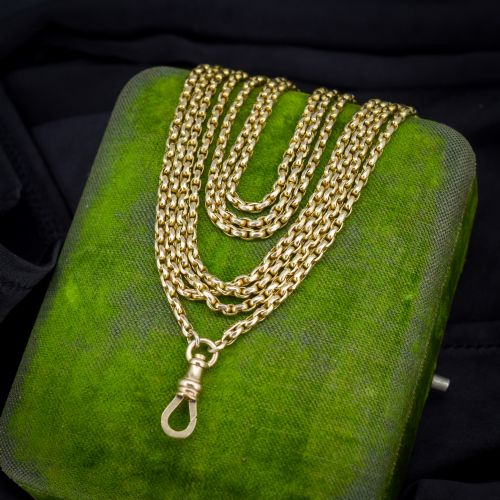
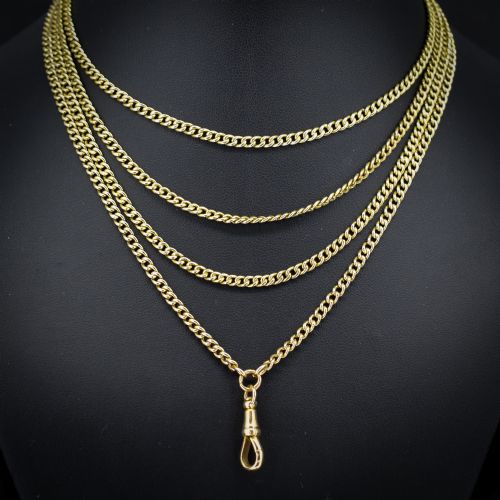
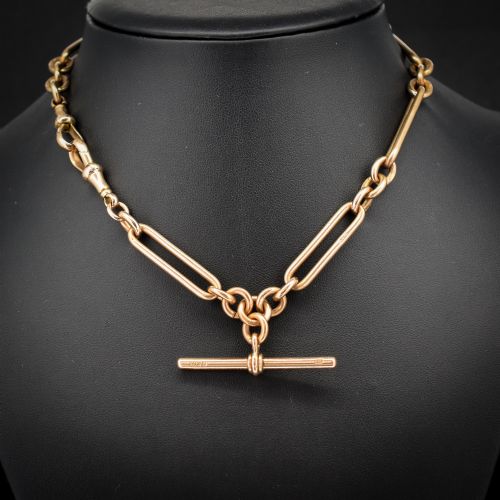
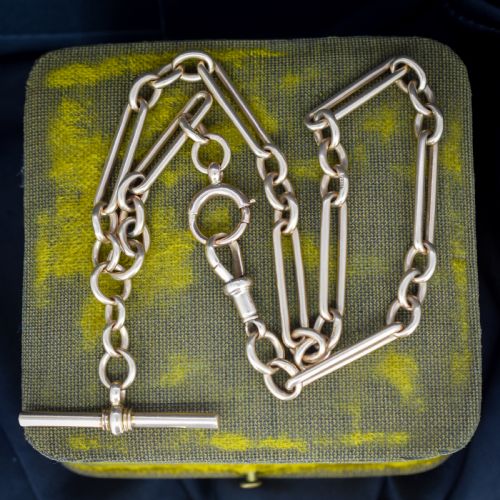
An antique dog clip necklace originates from the nineteenth and early twentieth centuries, repurposed primarily from pocket watch chains, albert chains, and long guard muff chains. These pieces feature spring-loaded swivel clasps known as dog clips, originally designed to secure pocket watches to waistcoats or garments.
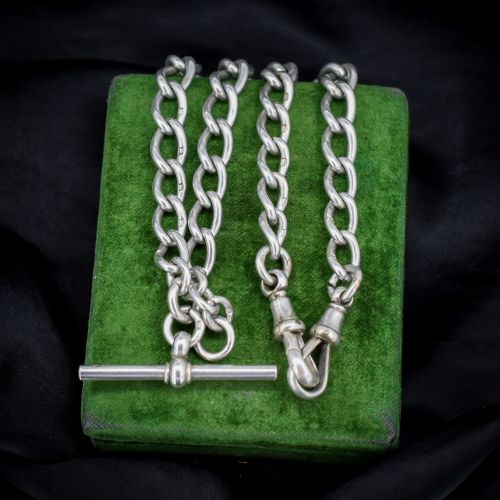
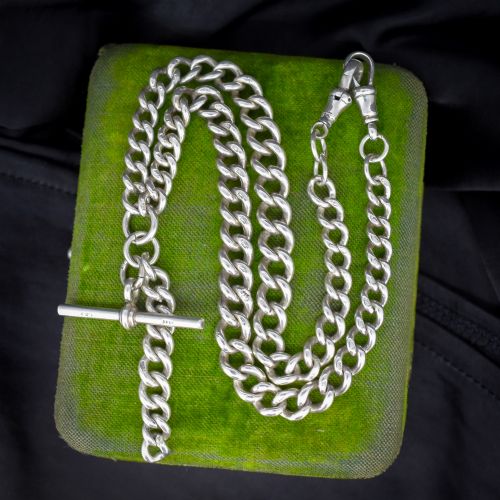
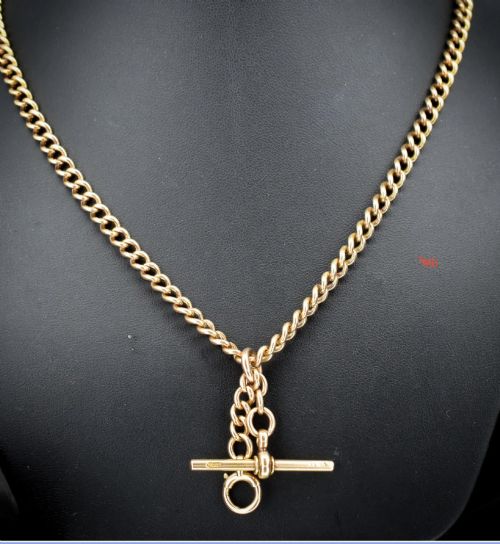
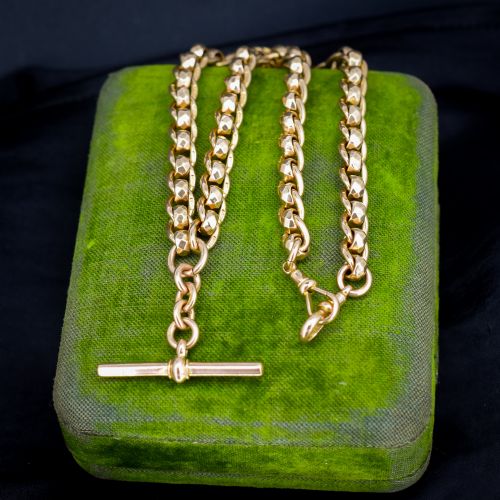
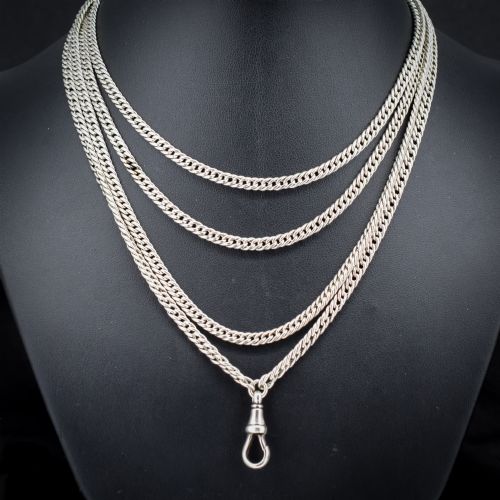
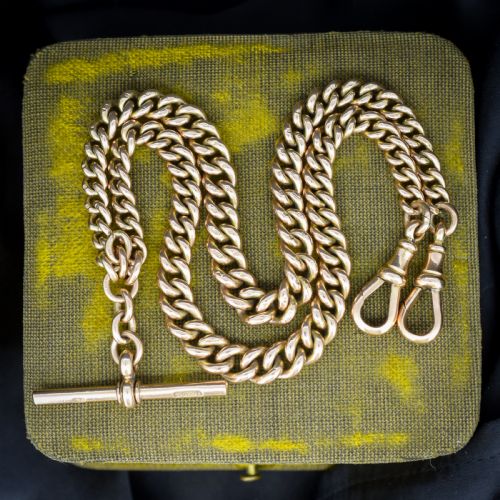
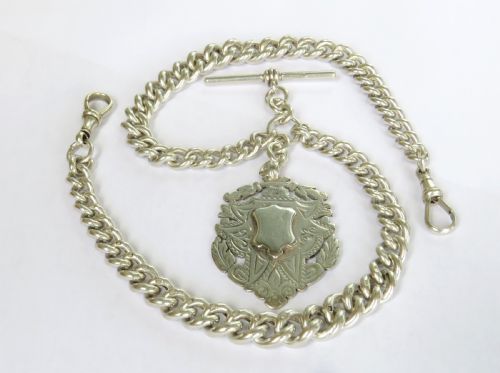
The version most commonly met on this page is the 9ct gold or sterling silver albert chain or curb link chain, often complete with a T-bar and dog clip. Examples span Victorian, Edwardian, and Art Deco periods, appearing in lengths ranging from short neck chains to long guard chains worn doubled.
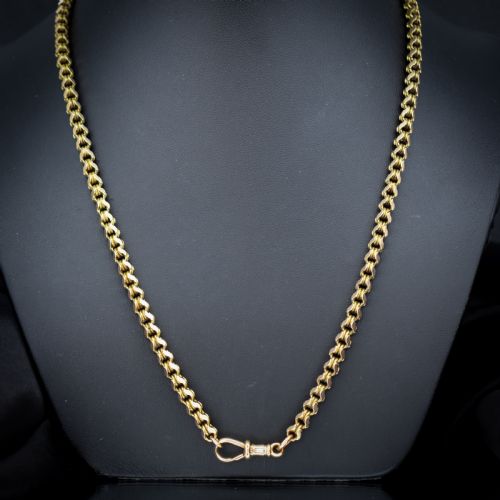
Makers and owners configured these links in various patterns such as trombone, fancy, paper, and love knot formations. The inclusion of the original swivel dog clip remains the defining characteristic uniting these diverse forms.
How they were made
Metals span sterling silver, rolled gold, and gold variants including 9ct, 15ct, and 18ct in yellow, rose, and white hues. Goldsmiths and silversmiths formed individual links by hand or using early machinery, soldering and connecting them into robust curb, belcher, trombone, or fancy patterns.
The signature dog clip mechanism relies on a small internal steel spring operating a thumb lever to open the pivoting gate. T-bars, sliding pendants, and jump rings were attached securely to complete the functional watch chain assembly.
Antique Dog Clip Necklace Retail Price Guide 2026
Typical asking prices for dog clip necklace among the pieces listed under this phrase on Sellingantiques today, from the lower quarter to the upper quarter. They describe what is for sale here now, not the wider market.
What varies in quality
Substance and scale separate heavier, solid gold or chunky silver pieces from lighter or rolled gold variants. Weight dictates durability and presence, with robust chains holding higher intrinsic value.
The tightness of the dog clip spring and the crispness of link definition show the standard of original manufacture. Intact hallmarks, legible date letters, and original matching components elevate specific pieces within their period.
The Antique Dog Clip Necklace Glossary
- Dog clip
- A spring-loaded swivel clasp resembling a miniature leash fastener. It provides the primary fastening method for suspending pocket watches or securing the ends of an albert chain.
- Albert chain
- A pocket watch chain named after Prince Albert. These feature a T-bar at one end and one or two dog clips at the other.
- T-bar
- A short transverse bar attached to the centre of a watch chain. It slotted securely through a waistcoat buttonhole.
- Longuard
- An exceptionally long chain designed to be worn doubled around the neck or suspended down the front of the body. They frequently terminate in a dog clip.
- Trombone link
- A specific elongated metal link pattern alternating with smaller circular or oval connecting links. The design mimics the shape of musical trombone slides.
- Curb link
- A uniform or graduated chain link pattern twisted slightly so the links lie flat. It forms a dense, flexible ribbon of metal.
Antique Dog Clip Necklace: Frequently Asked Questions
How do I wear a dog clip necklace?
You can wear shorter albert chains directly around the neck with the dog clip fastened to a jump ring or directly onto the chain links. Longer guard chains can be doubled over the head for a layered look.
The dog clip also allows you to attach pendants, lockets, or fob medals to the front or side of the necklace. This versatility lets you alter the drop and arrangement of the piece to suit different necklines.
What is the difference between an albert chain and a guard chain?
An albert chain is shorter in length, typically measuring between fourteen and twenty-two inches, designed to span a waistcoat or sit closely around the neck. It usually incorporates a T-bar and one or two dog clips.
A guard chain or muff chain is much longer, often exceeding fifty inches, meant to be doubled or tripled around the neck. These long chains were originally used to secure pocket watches, eyeglasses, or hand muff warmth.
How can I date my chain?
Dating relies on British hallmarks stamped onto the links, dog clips, or T-bars, which indicate the assay office, metal purity, and year of manufacture through specific date letters. Stylistic traits such as Edwardian garland motifs or Art Deco geometric layouts also provide chronological clues.
Many pieces from the Victorian and Edwardian eras carry stamped sponsor marks for the specific manufacturing silversmith or goldsmith. Comparing these stamps against historical assay records confirms the exact year of production.
Are these necklaces solid gold?
The listings include a mix of solid gold tiers such as 9ct, 15ct, and 18ct, alongside sterling silver and rolled gold variants. Solid gold pieces are marked with carat stamps indicating their precious metal alloy content.
Rolled gold or gold-filled items consist of a base metal core bonded with a thin exterior layer of gold. Checking the hallmarks or acid testing helps confirm whether a piece is solid or plated.