





Edwardian Carved Oval Table
An edwardian carved oval table offers practical surface area with refined period proportion, bringing subtle craftsmanship into daily domestic use.
Edwardian Carved Oval Table
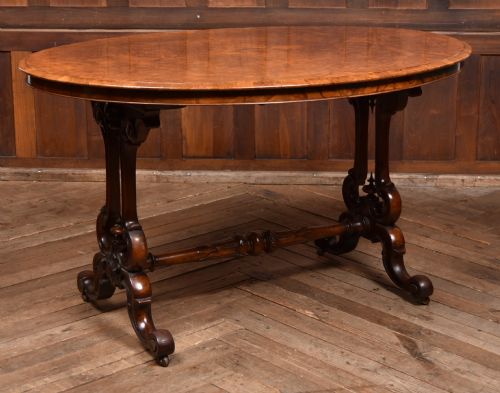
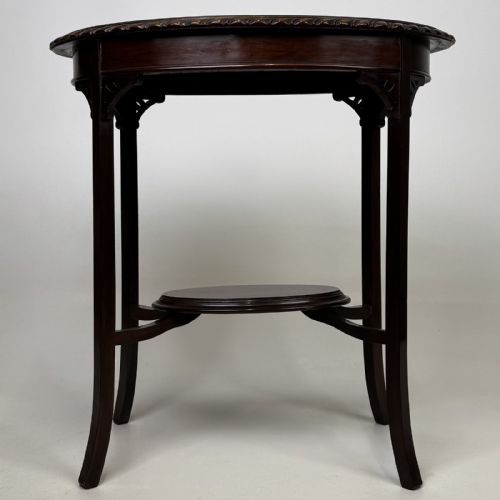
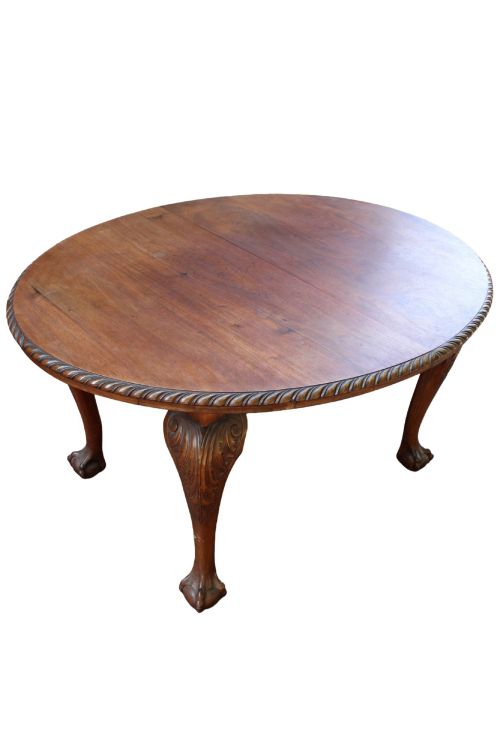
An edwardian carved oval table primarily takes the form of an occasional, side, or centre table designed for everyday placement in reception rooms. These pieces emerge predominantly from the Edwardian period alongside nineteenth-century and early twentieth-century examples.
Makers construct these items as freestanding furniture pieces intended to serve as window tables, lamp tables, or drawing-room centrepieces. The oval top shape softens the geometry of a room while providing ample surface utility.
Materials and construction
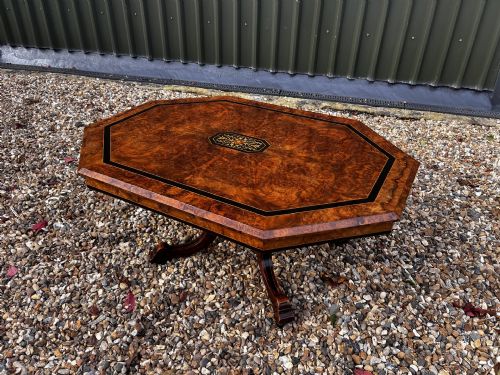
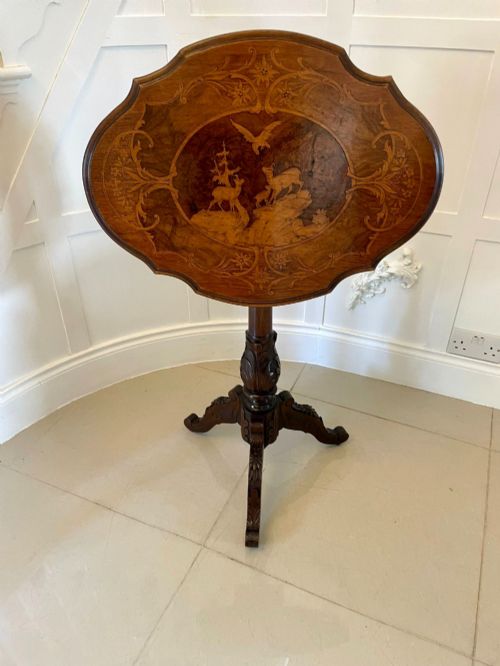
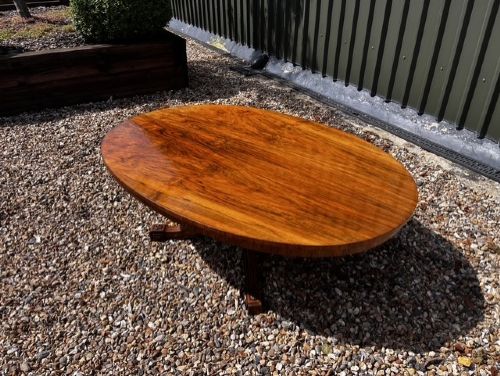
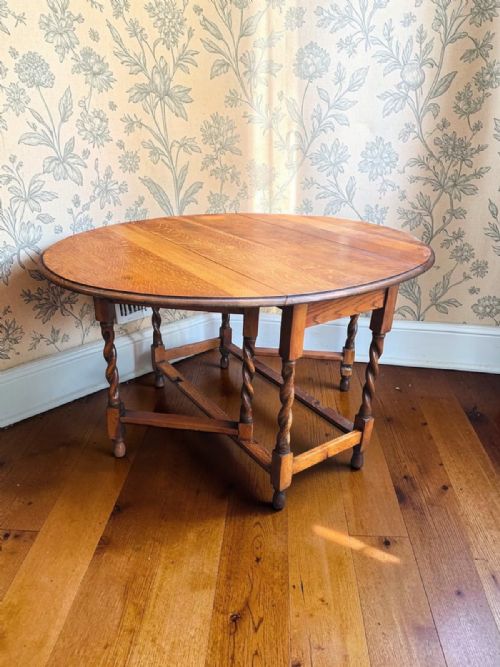
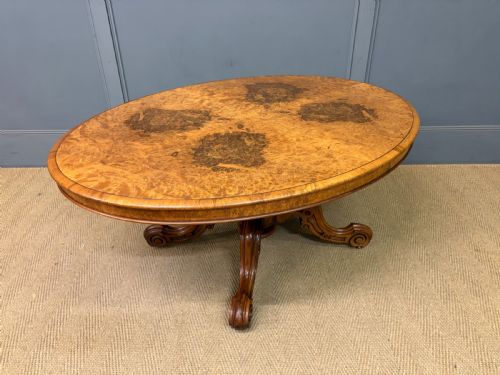
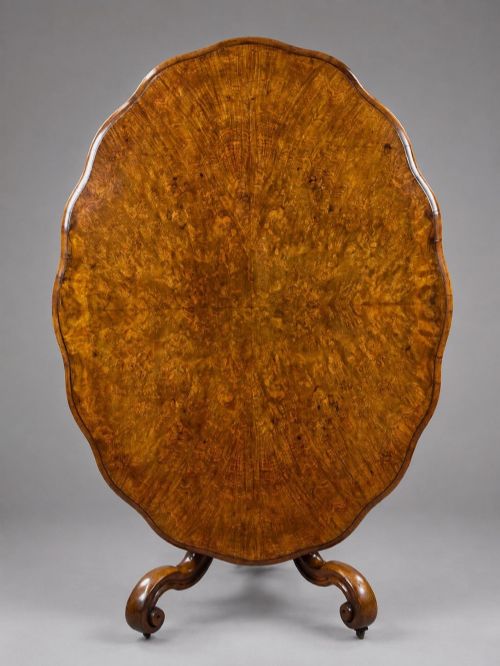
Cabinetmakers rely heavily on solid mahogany and burr walnut, frequently utilising walnut veneers to showcase striking grain patterns across the oval tabletops. Oak also appears in gateleg and drop-leaf formats, complemented by marquetry inlay and brass elements.
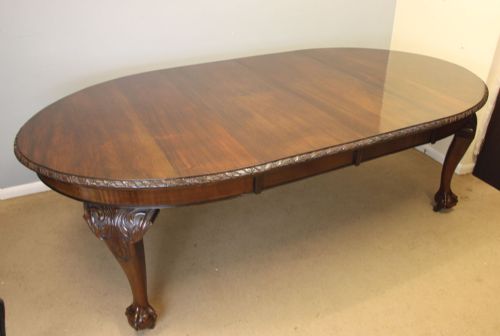
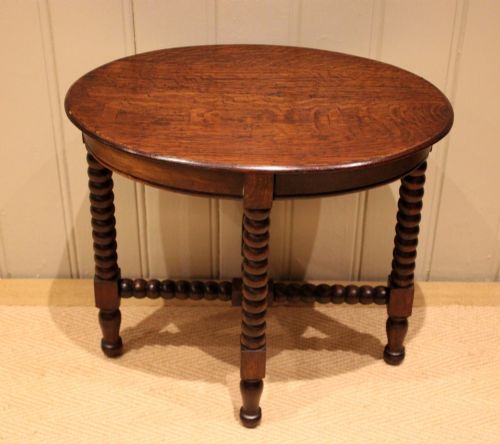
Structural embellishments include gadrooned edges, carved details, and barley twist legs that demonstrate traditional joinery techniques. Surfaces receive careful polishing to highlight the natural figure of the timber.
Edwardian Carved Oval Table Retail Price Guide 2026
Typical asking prices for edwardian carved oval table among the pieces listed under this phrase on Sellingantiques today, from the lower quarter to the upper quarter. They describe what is for sale here now, not the wider market.
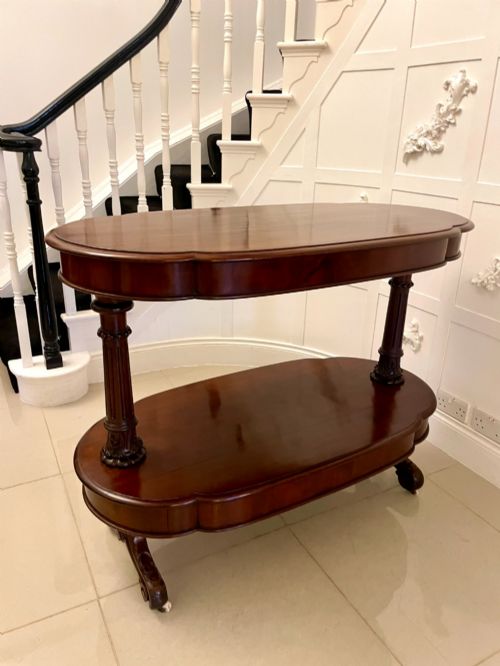
Some tables double as magazine holders or display cabinets, proving that Victorians loved tidy reading material just as much as we do.
Judging execution
Quality separates ordinary utility pieces from exhibition standard work through the depth of timber selection and the crispness of carved or inlaid decoration. Superior examples display meticulously matched burr walnut veneers and finely executed edge mouldings.
The integrity of the structural frame, from the stability of the legs to the precision of the tabletop joints, determines the overall calibre of the piece.
Holland & Sons Of London·Edwards & Roberts·Gillows
The Edwardian Carved Oval Table Glossary
- Gadrooned edge
- A carved decorative border featuring notched or fluted convex curves, frequently seen along the perimeter of tabletops.
- Burr walnut
- Timber taken from the growth growths of a walnut tree, prized by cabinetmakers for its swirling and highly figured grain patterns.
- Marquetry
- The art of applying pieces of veneer to a structure to form decorative patterns and pictorial designs.
- Barley twist
- A type of turned furniture leg resembling a spiral rope, common in oak tables from the early twentieth century.
- Occasional table
- A small, movable table designed for specific, intermittent domestic tasks such as holding a lamp or books.
Edwardian Carved Oval Table: Frequently Asked Questions
How do I care for walnut veneer?
Protect the polished wooden surfaces from direct sunlight and excessive moisture to prevent fading or lifting of the delicate veneer.
Routine dusting with a soft cloth maintains the natural lustre of the timber without requiring heavy chemical polishes.
Are these tables sturdy enough for daily use?
Solid mahogany and walnut frames provide robust structural support suitable for regular placement of everyday items.
Care should be taken with drop-leaf or gateleg mechanisms to ensure joints remain aligned during operation.
What distinguishes Edwardian tables from Victorian pieces?
Edwardian examples generally exhibit lighter proportions and restrained inlay work compared to the heavier, highly figured burr walnut and ornate carving typical of earlier Victorian production.
Both eras share a commitment to traditional timber construction using walnut and mahogany.