
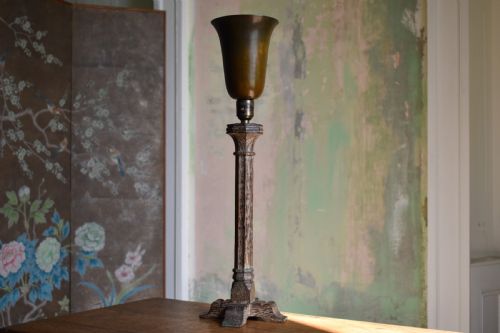


Edwardian Carved Desk Light
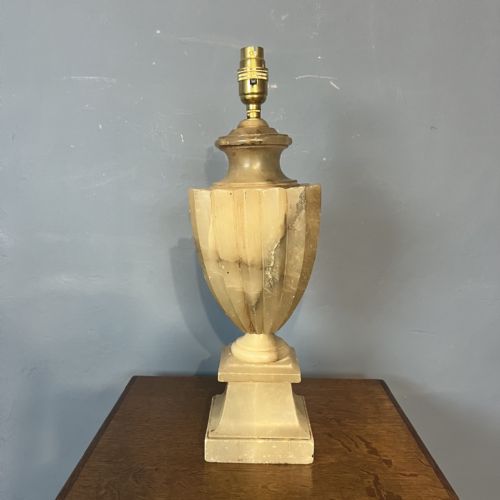
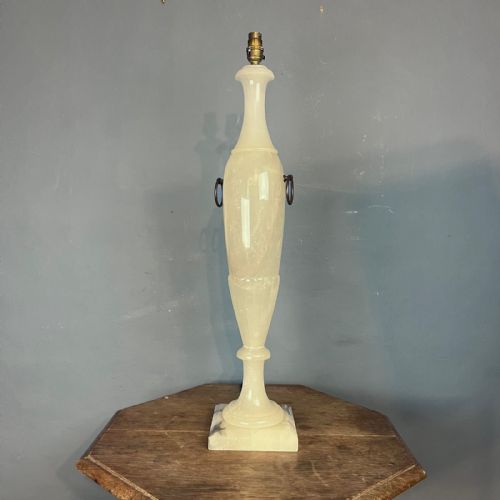
These edwardian carved desk light pieces combine period brass, oak and alabaster to bring authentic task lighting to a traditional study.
Edwardian Carved Desk Light
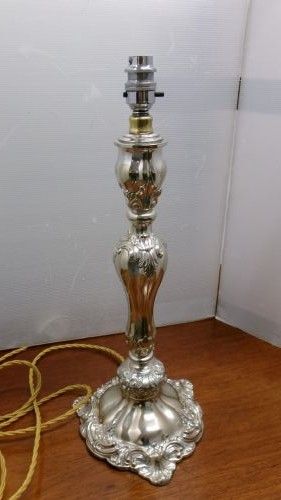
An edwardian carved desk light is typically represented here by table lamps, desk lamps and specific lighting forms dating from the late nineteenth century into the early decades of the twentieth. These objects serve as functional illumination for workspaces while displaying the stylistic traits of the Edwardian period and adjacent eras.
The selection encompasses pieces styled in Arts and Crafts, Neoclassical, Gothic Revival and Victorian designs, reflecting a broad range of domestic aesthetics. Materials span from brass and silver plate to carved oak, walnut and alabaster.
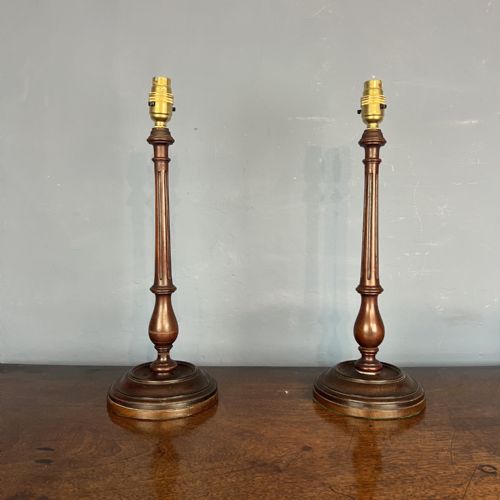
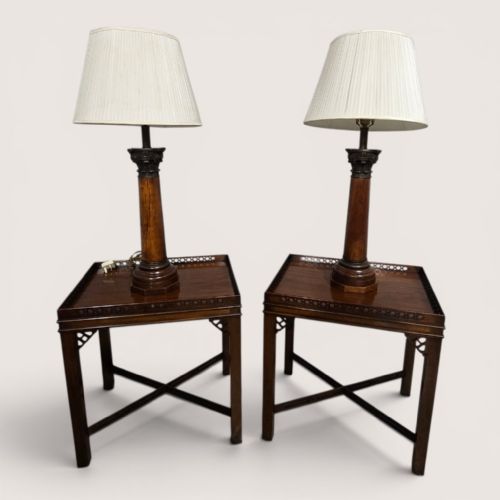
Buyers will encounter single table lamps alongside pairs, often utilising turned timber, carved detailing or classical motifs such as the Corinthian order. These items bridge the gap between practical desk accessories and decorative period objects.
How they were made
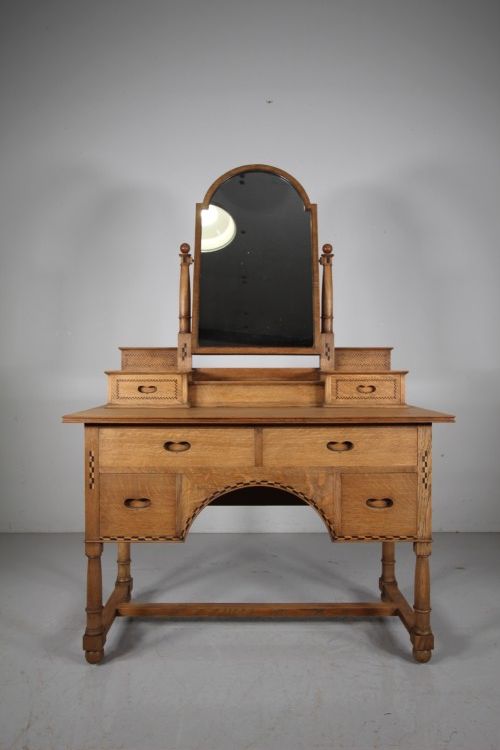
Construction relies heavily on traditional cabinet-making and metalworking techniques, utilising solid timbers like oak and walnut alongside cast brass, silver plate and carved alabaster. Wood components feature hand-carved details, fretwork and marquetry inlay, demonstrating the artisan skills of the period.
Metal elements are cast, chased or plated to achieve durable finishes, while stone components like alabaster and white onyx are turned and polished to showcase their natural translucency. Fabric elements often complement the structural bases, completing the assembly of each lamp.
Current listings incorporate materials such as alabaster, silver plate, burr walnut, and fabric alongside traditional brass and oak.
What varies in quality
Quality differences emerge in the crispness of the carving, the weight and purity of the metal or stone, and the integrity of the original materials. Superior examples display refined proportions, thoughtful integration of decorative motifs, and uncompromised structural stability.
The choice of medium also dictates the character of the piece, with dense hardwoods, solid brass castings and finely carved alabaster representing a higher tier of craftsmanship than simpler, composite constructions.
The Edwardian Carved Desk Light Glossary
- Edwardian
- Pertaining to the reign of King Edward VII from 1901 to 1910, though the term often describes a broader aesthetic from the turn of the twentieth century. This period favoured lighter forms and revived historical styles.
- Alabaster
- A fine-grained, translucent stone utilised for sculptural bases and lamp bodies. Its natural ability to diffuse light made it popular for interior illumination.
- Corinthian
- An architectural order featuring ornate capitals decorated with acanthus leaves. This classical motif frequently appears on the columns of period table lamps.
- EPNS
- Electroplated Nickel Silver, a process where a thin layer of silver is applied to a base metal alloy. It provided the appearance of solid silver for domestic items.
- Fretwork
- Ornamental design executed by piercing or cutting patterns through wood. This technique appears on decorative wooden lamp bodies and structural panels.
Edwardian Carved Desk Light: Frequently Asked Questions
How do I date these lamps?
Dating relies on stylistic markers, material combinations, and manufacturing methods associated with specific decades between 1860 and 1920. Comparing the decorative motifs to documented periods helps establish a reliable timeframe.
Changes in electrical fittings, where original, can also provide clues, though many period lamps have been rewired for modern safety standards.
Are these lamps suitable for daily use?
Most of these pieces are sturdy enough for regular operation on a desk or table, provided they are handled with care and fitted with modern wiring. Their solid construction in brass, oak or stone makes them practical for everyday illumination.
Buyers should ensure that any antique lighting is inspected and tested by a qualified electrician before plugging it in.
Can I find matching pairs?
Pairs of table lamps do appear among the listings, particularly in brass, oak and alabaster configurations. These items were originally produced for symmetrical placement on sideboards, desks or large tables.
Matching sets offer a balanced look for interior styling, though single pieces remain the norm for smaller desk spaces.