



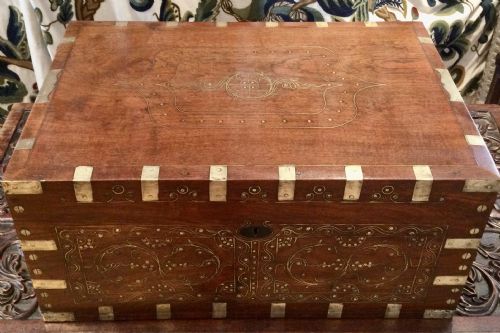

Edwardian Carved Coffer
An Edwardian carved coffer provides sturdy storage with traditional craftsmanship, bringing historic character and practical utility into a modern hallway or bedroom.
Edwardian Carved Coffer
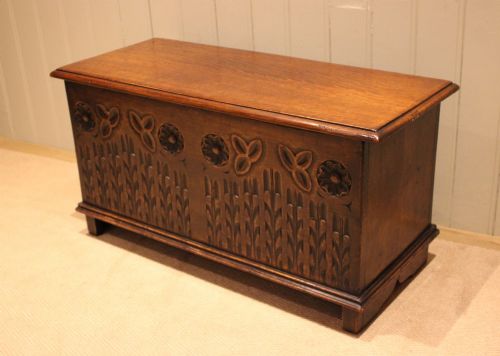
When you search for an edwardian carved coffer, you encounter solid timber storage chests and blanket boxes produced around the turn of the twentieth century. These pieces combine historic revival ornament with domestic practicality, serving as chests, benches, or hall seats.
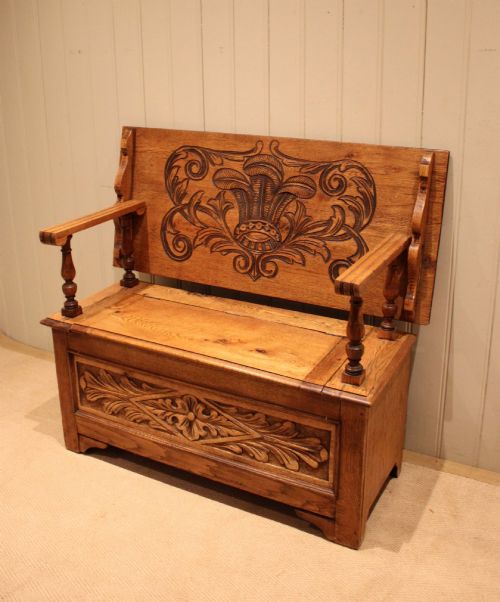
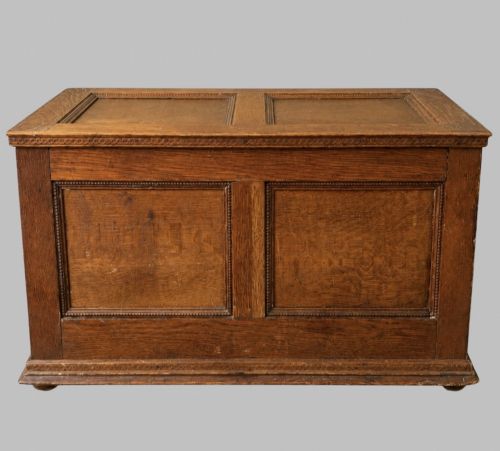
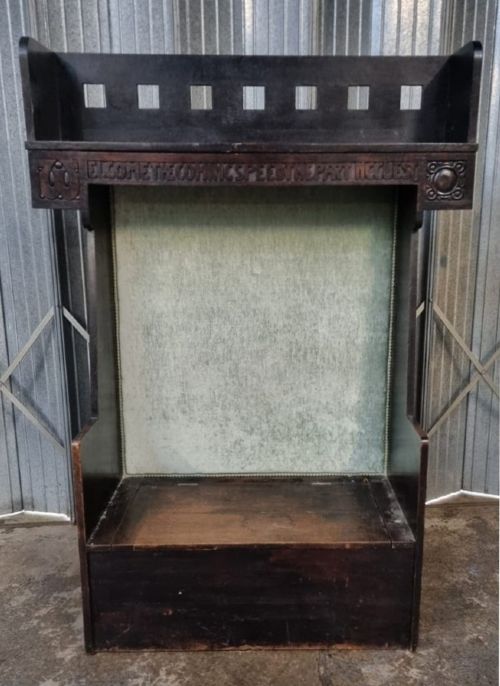
The most common examples on this page are constructed from oak with panelled bodies and carved decoration. Alongside traditional coffers, the selection includes related forms such as monks benches, hall settles, and blanket chests from the same period.
Assessing quality and execution
Quality in these pieces rests upon the crispness of the hand-carving and the selection of timber figures. Finer examples display deep, deliberate chiselling rather than shallow mechanical stamping, alongside well-figured grain in the solid wood.
The integrity of the original joints and the proportion of the hardware further distinguish superior items. Pieces retaining their original surface patination and uncompromised internal construction represent the better end of the range.
The listings span several decades, featuring solid oak, mahogany, camphor wood, and brass across Arts and Crafts and Jacobean Revival styles.
The Edwardian Carved Coffer Glossary
- Monks Bench
- A dual-purpose piece of furniture that converts from a table into a bench or settle with storage beneath the seat. This form became popular during revival periods.
- Panelled
- A method of construction where flat boards are fitted within a heavier wooden frame to allow for natural timber movement. This technique prevents warping in large wooden surfaces.
- Patina
- The surface sheen and colour developed by wood through age, handling, and regular waxing. It serves as an indicator of authenticity and history.
Edwardian Carved Coffer: Frequently Asked Questions
What is an edwardian carved coffer used for?
These pieces function primarily as practical storage containers for blankets, linen, and household items. Their flat tops also allow them to serve as benches or display surfaces in hallways and living spaces.
Historically, they kept valuable textiles safe from dust and pests. Today, they integrate easily into modern interiors while maintaining their original utility.
How do I identify an edwardian piece?
Edwardian items typically date from the first decade of the twentieth century, displaying brighter timber finishes and lighter proportions than their Victorian predecessors. They often draw on earlier styles like Jacobean revival or Arts and Crafts designs.
Examining the construction methods, internal timber, and lock mechanisms helps confirm the production era. Makers of this time balanced historical motifs with contemporary domestic requirements.
Where should I place a coffer at home?
A coffer fits well in an entrance hall, serving as a seat when putting on shoes while concealing outdoor accessories inside. Bedrooms also provide a natural home for blanket chests at the foot of a bed.
Because of their solid construction, they anchor a room visually and offer robust surface space for lamps or decorative objects. Placement should avoid direct heat sources to protect the historic timber.