

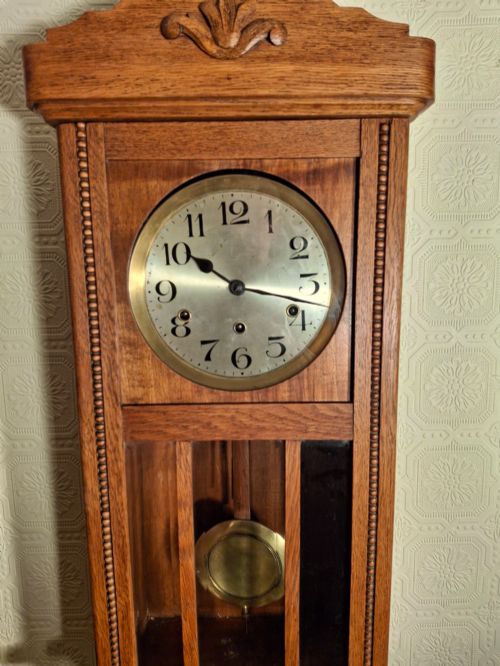
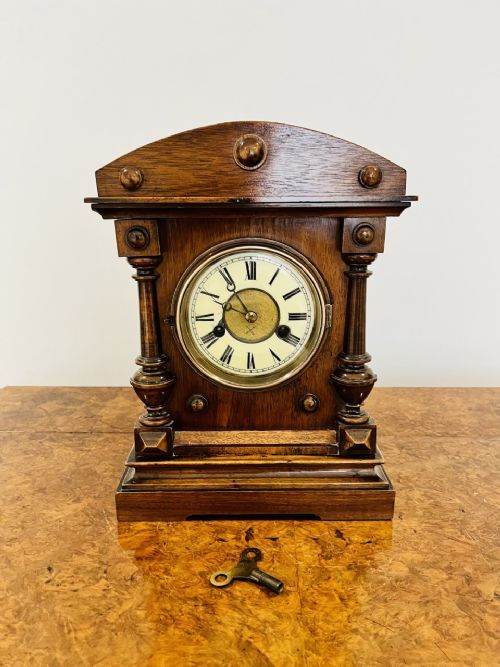
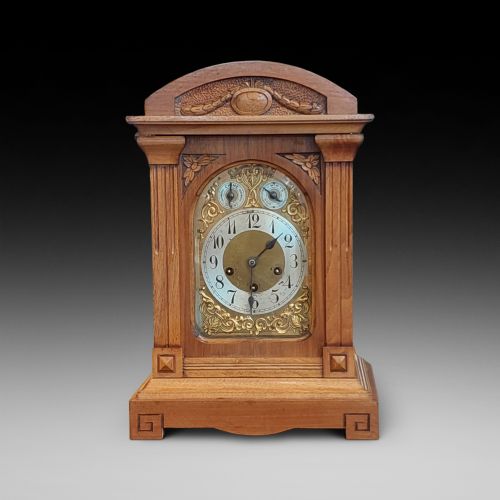
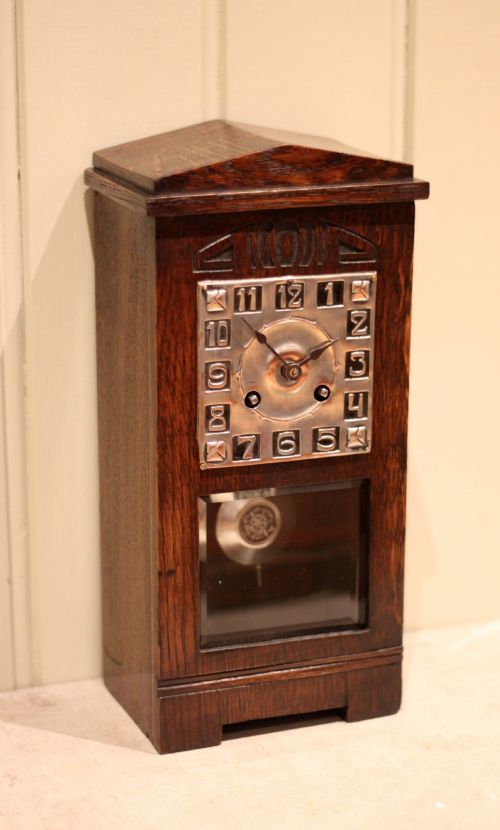

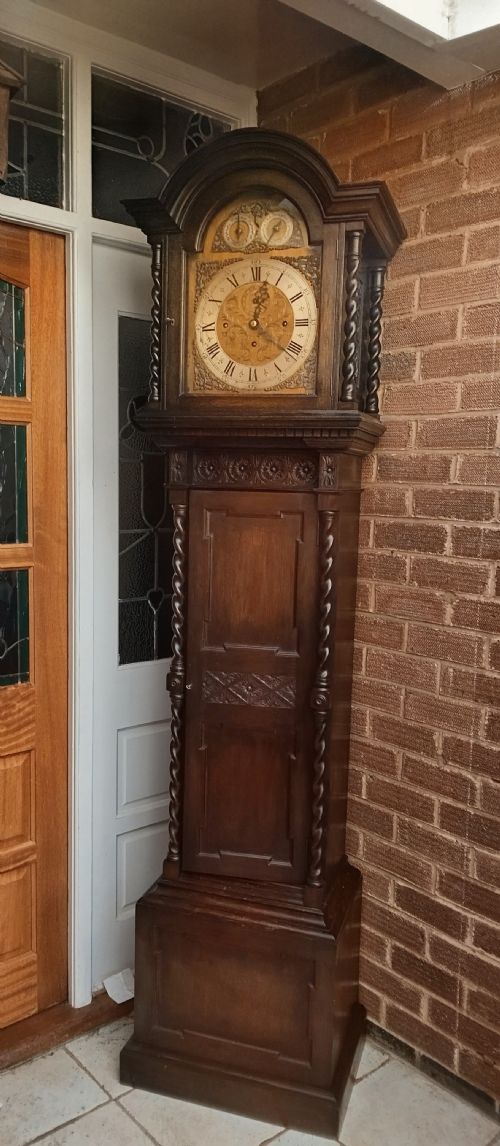
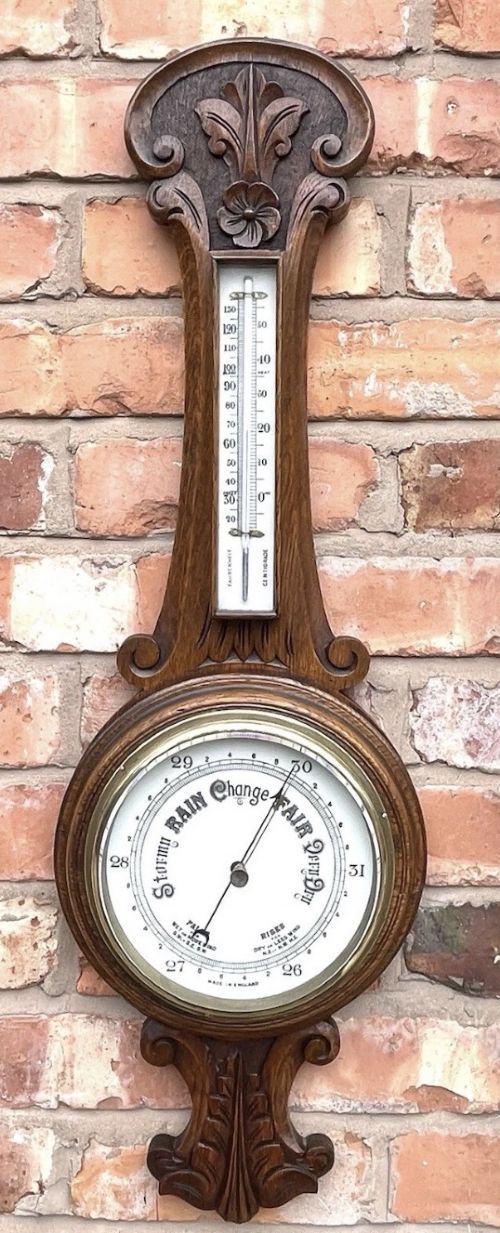


Edwardian Carved Clock
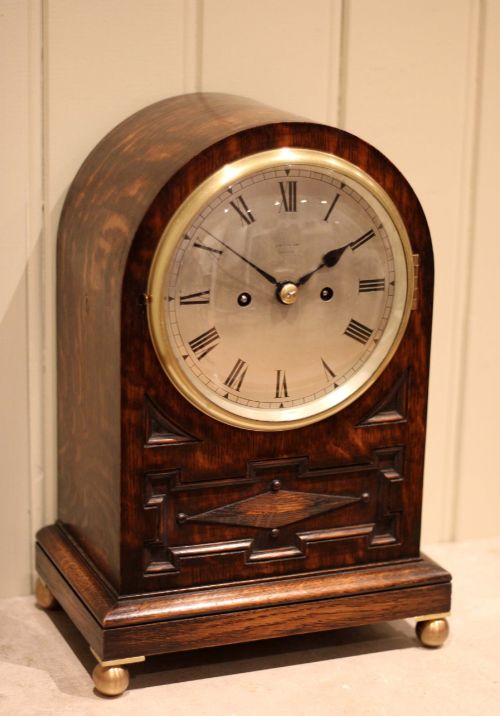
An edwardian carved clock brings robust cabinet-work and reliable movement together, offering a practical timepiece with distinct period character for any room.
Edwardian Carved Clock
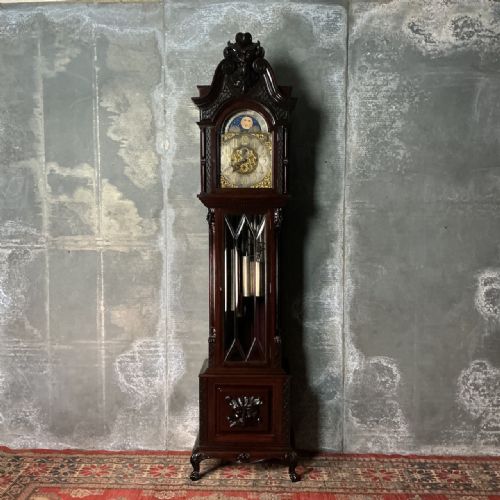
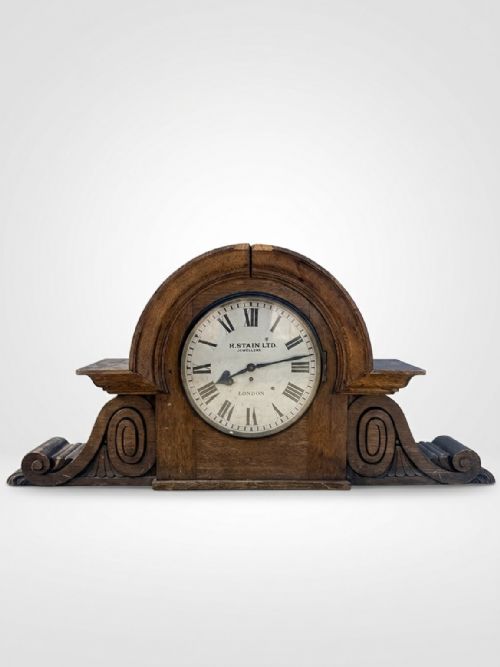
When you search for an edwardian carved clock, you encounter a variety of forms ranging from compact mantel pieces to tall grandmother and grandfather longcase clocks, alongside wall-hung alternatives.
The material selection leans heavily toward rich timbers such as oak, mahogany, and walnut, frequently enriched with detailed surface carving that reflects the aesthetic preferences of the early twentieth century.
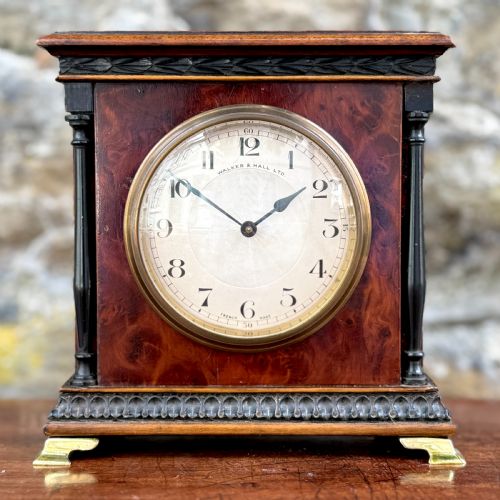
Mantel clocks and wall dials dominate the domestic offerings, often housing dependable movements that strike the hours or chime quarters in daily use.
Materials and Technique
Cabinetmakers utilised solid and veneered timbers including mahogany, oak, and walnut, shaping cases with hand-carved ornamentation, mouldings, and occasional marquetry inlay.
Dial construction combined brass, enamelled numerals, and convex glass, protecting mechanical brass gear trains driven by weights, springs, or fusee mechanisms.
Edwardian Carved Clock Retail Price Guide 2026
Typical asking prices for edwardian carved clock among the pieces listed under this phrase on Sellingantiques today, from the lower quarter to the upper quarter. They describe what is for sale here now, not the wider market.
Listings feature oak, mahogany, and walnut woods alongside brass and enamel dials across the Edwardian and Victorian eras.
Quality Variations
The standard of timber selection and the crispness of the hand-carved details dictate the initial visual appeal of the cabinet, separating utilitarian pieces from exhibition grade work.
Movement sophistication sets the upper tiers apart, where complex multi-train chiming mechanisms, solid brass plates, and signed dials by reputable makers distinguish superior examples.
Hyde and Sons Sleaford·Walker and Hall·Mappin and Webb London·Balbiani Brookley·Goldsmiths and Silversmiths London·Perivale of England
The Edwardian Carved Clock Glossary
- Fusee
- A conical pulley connected to the mainspring by a chain or cord, designed to equalise the force of the spring as it unwinds. This mechanism promotes more consistent timekeeping across the duration of the wind.
- Mantel clock
- A portable timekeeper designed to sit on a fireplace mantel or shelf. These domestic pieces rely on spring-driven movements rather than hanging weights.
- Longcase clock
- A tall pendulum clock enclosed in a wooden case that rests upon the floor. These instruments are frequently described as grandfather or grandmother clocks depending on their height.
- Dial
- The visible face of the clock where the numerals and hands indicate the time. They are commonly constructed from brass, silvered metal, or enamel.
- Strike
- The mechanical function that sounds a bell or gong to announce the hours or half-hours. More advanced movements incorporate multiple trains to play tunes or quarter chimes.
Edwardian Carved Clock: Frequently Asked Questions
How do I wind a mechanical clock safely?
Insert the winding key into the designated arbour and turn it gently until you feel firm resistance. Avoid over-winding, as this can damage the internal spring.
Ensure you support the clock case with one hand while operating the key with the other. This prevents unnecessary strain on the internal movement plates.
What is the difference between a mantel clock and a bracket clock?
Mantel clocks are generally designed for domestic shelf placement during the later nineteenth and early twentieth centuries. They often feature simpler wooden or architectural cases.
Bracket clocks originate from an earlier tradition where timepieces sat upon wall brackets, though the term later described portable spring-driven clocks with carrying handles.
Where should I place a wooden clock in my home?
Keep wooden clocks away from direct sunlight, radiators, and damp areas to protect the polished timber and delicate internal veneers. Stable room temperatures prevent the wood from warping.
Position the timepiece on a level surface or mount wall clocks securely to a solid wall. A stable foundation ensures the pendulum swings evenly and the movement keeps accurate time.
How can I tell if a clock movement is original?
Inspect the fixing holes, screw types, and mounting blocks inside the wooden case for signs of alteration or mismatching. Original movements typically show wear patterns consistent with the age of the exterior housing.
Look for maker signatures or serial numbers stamped on the brass backplate that correspond with the retailer named on the dial. Professional horological inspection helps confirm the internal components match the period.