


Edwardian Canine Artwork
Edwardian canine artwork captures dogs in oil, watercolour and etching from the early twentieth century.
Edwardian Canine Artwork
Edwardian canine artwork comprises paintings, drawings and original etchings depicting dogs, spanning the Edwardian period alongside nineteenth century and early twentieth century examples. You encounter oil paintings on canvas, oil on board, and pastel on paper, alongside drypoint etchings and framed prints.
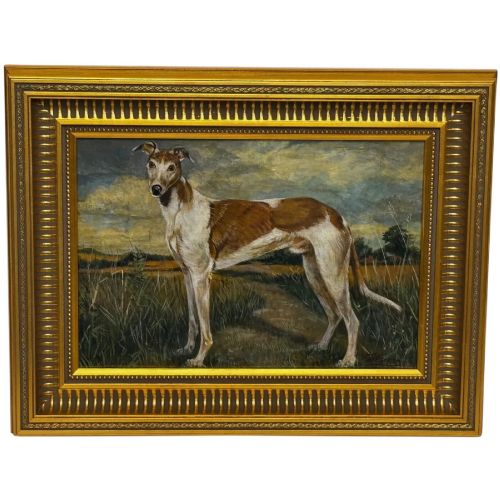
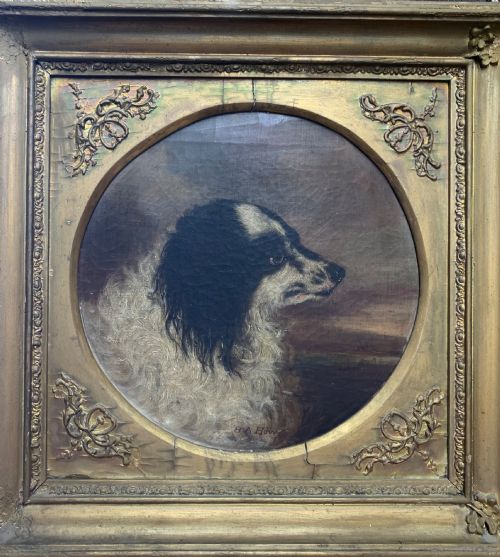
The subjects range from individual portraits of spaniels, collies, terriers, greyhounds and bulldogs to sporting animal scenes involving lurchers and hunting dogs. Many pieces record named breeds or champion animals, anchored in British sporting art traditions.
Materials and Techniques
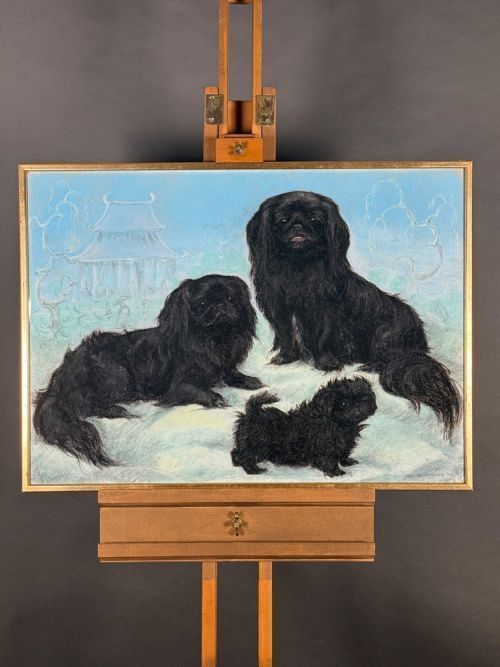
Artists utilised oil paint on canvas or board to build textured, layered portraits of dogs, often employing gold leaf within framing. Others worked in pastel and watercolour on paper, capturing finer details of coats and expressions.
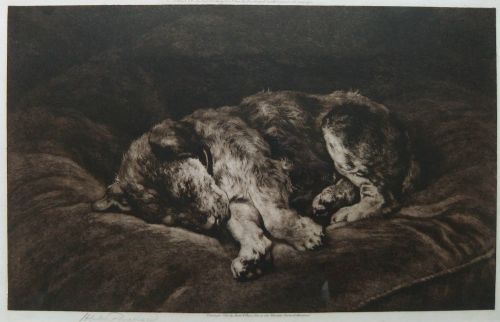
Printmakers created original etchings and drypoint works on paper, producing detailed monochromatic studies that mirrored the textures of fur and surroundings through fine lines.
Listings combine oil paintings, watercolours and original etchings across the nineteenth and twentieth centuries.
Assessing Quality and Execution
Quality rests upon the skill of the draughtsman or painter in rendering canine anatomy, bone structure and the specific texture of a coat, whether a curly coated retriever or a smooth terrier. Masterful works convey distinct personality and alertness in the animal's posture.
The reputation of the artist and the precision of the medium elevate a piece, distinguishing accomplished academic portraiture from anonymous decorative works.
Herbert Dicksee·John Emms·Valentine Thomas Garland·John Trivett Nettleship·Philip Eustace Stretton·Samuel Fulton
The Edwardian Canine Artwork Glossary
- Drypoint
- A printmaking technique where an image is incised directly into a metal plate with a sharp needle, producing soft, velvety lines. This method creates rich tonal variations favoured by artists for animal portraits.
- Etching
- A process where lines are bitten into a metal plate with acid before ink is applied and transferred to paper. It allows for intricate detail in depicting fur and expression.
- Sporting Art
- Artwork dedicated to rural pursuits, hunting, and animals associated with them, including dogs and horses. These pieces often record specific breeds and working animals.
- Oil on Board
- A painting executed on a rigid wooden or composition panel rather than stretched canvas. It provides a stable, smooth surface for detailed brushwork.
Edwardian Canine Artwork: Frequently Asked Questions
What breeds appear most often?
Collies, spaniels, terriers and bulldogs dominate the selections, reflecting popular Victorian and Edwardian preferences.
Sporting dogs such as greyhounds and lurchers also feature prominently across the paintings and etchings.
How do I identify an etching?
Etchings display fine, incised lines transferred onto paper, often showing plate marks around the image border.
Original works by makers like Herbert Dicksee carry distinct tonal richness in the printed ink.
Are these works signed?
Many pieces carry artist signatures or inscriptions naming the dog or subject within the composition.
Unsigned works are often attributed to specific schools or followers of known animal painters.
How should I frame them?
Oils on canvas suit traditional gilt or wood frames that complement the nineteenth and early twentieth century styles.
Works on paper require conservation mounting under glass to protect delicate pastel, watercolour and etching surfaces.