
Edwardian Cabinet with Glass Doors
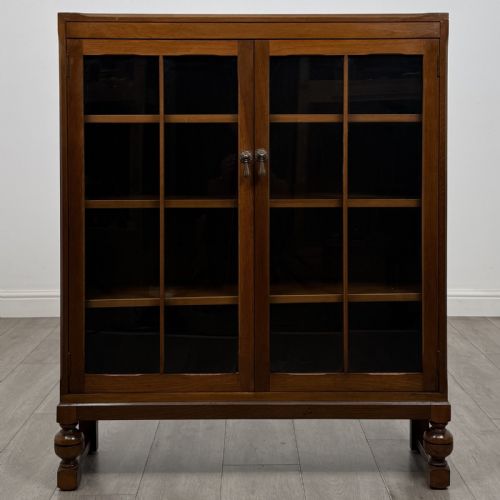
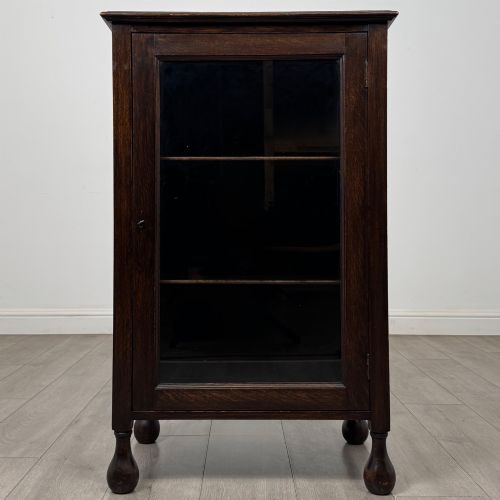
An edwardian cabinet with glass doors brings polished timber and clear panes together, offering a practical way to store books or display china.
Edwardian Cabinet with Glass Doors
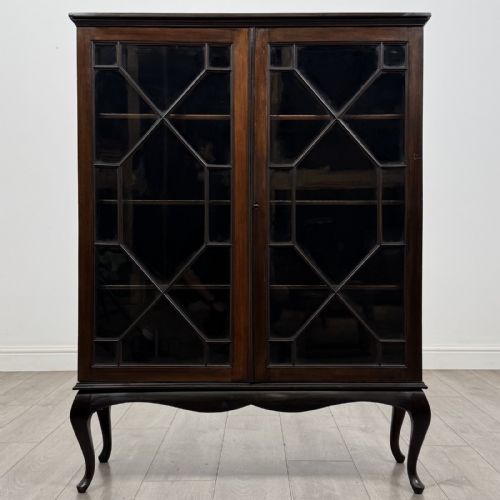
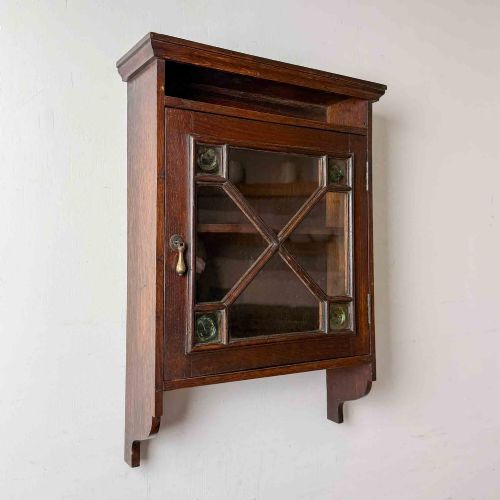
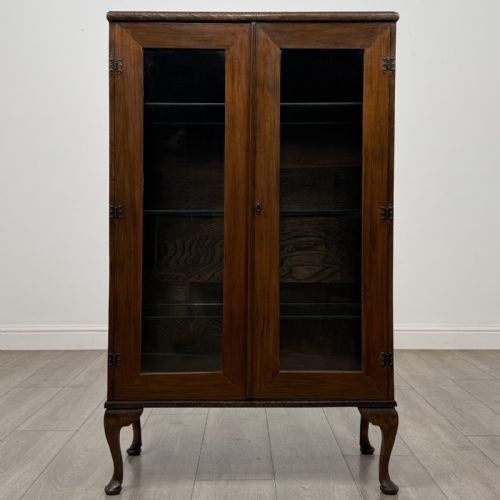
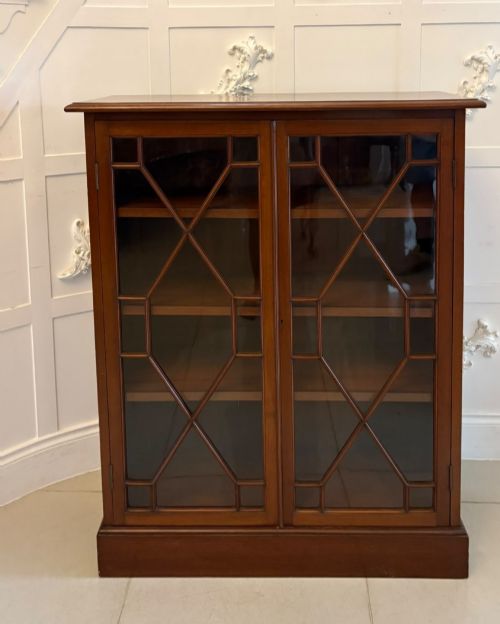
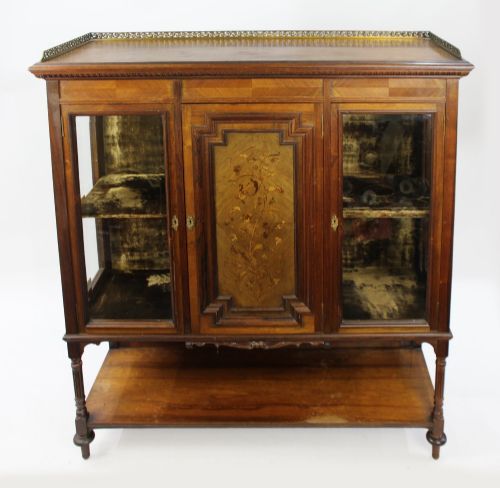
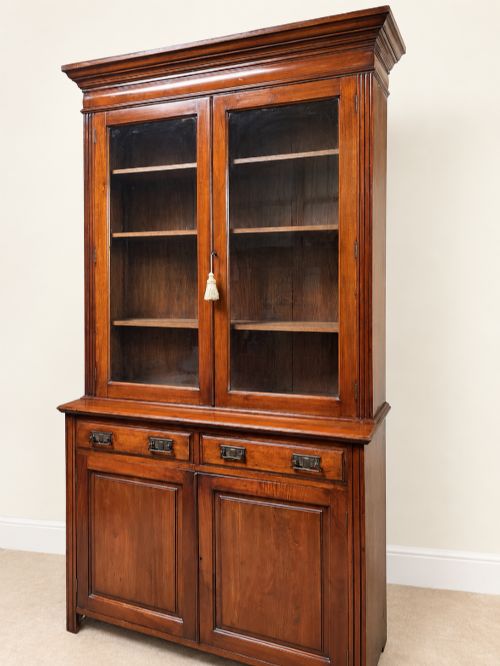
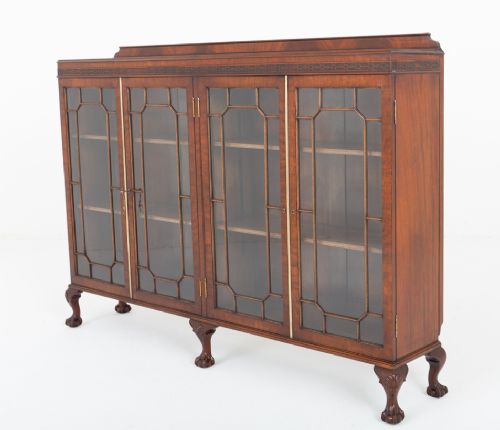
An edwardian cabinet with glass doors covers a diverse range of functional furniture forms, from tall bookcases and corner cupboards to specialised display and collectors cabinets. You will frequently encounter upright mahogany or oak pieces designed for domestic libraries or parlours, often featuring glazed panels to protect books and ornaments from dust.
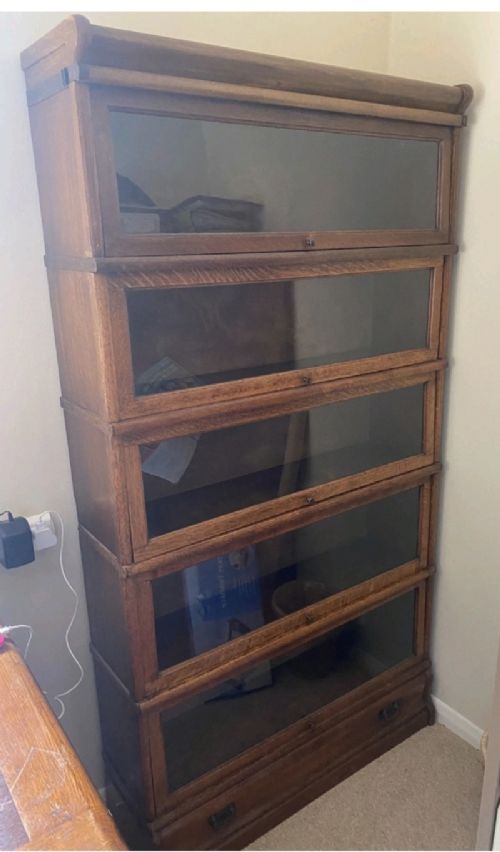
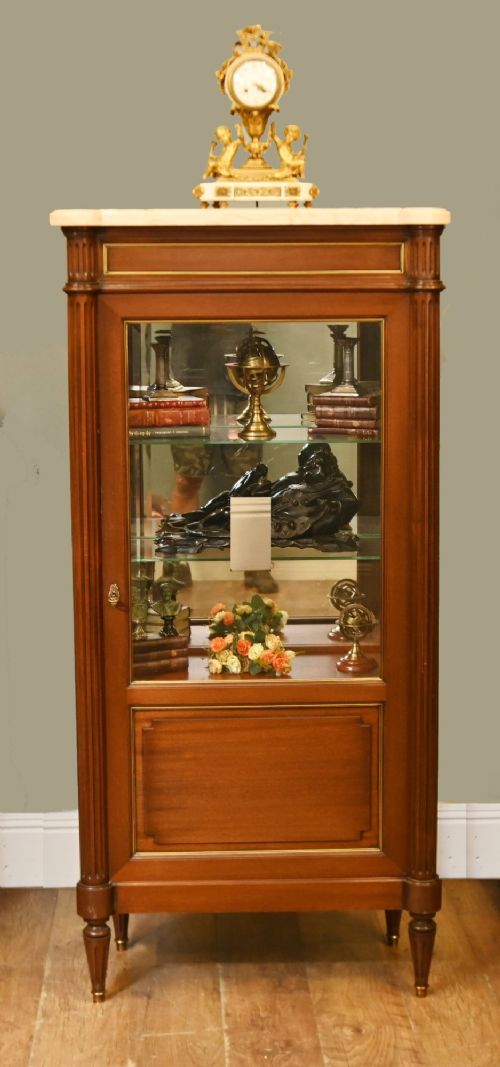
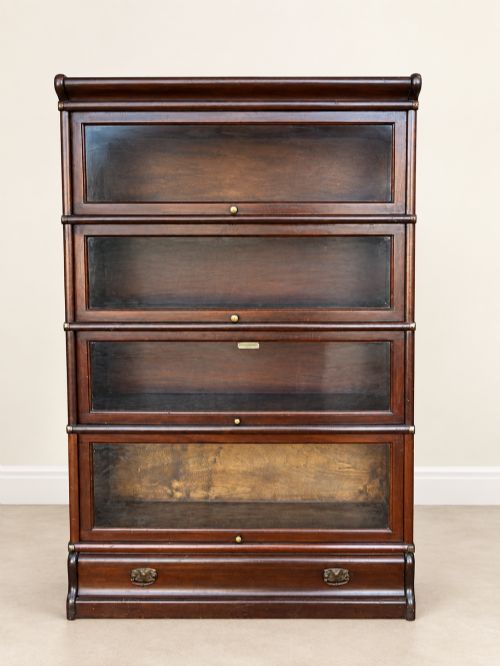
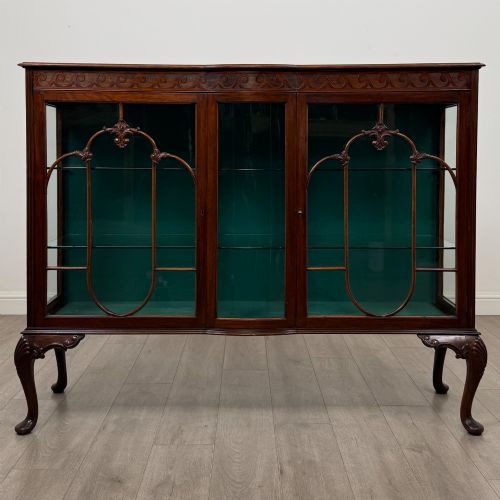
The selection on this page spans pieces originating from the late nineteenth century through to the 1920s, capturing the transitional tastes of the period. Alongside straightforward upright bookcases, you will find sectional stacking designs and shop display units outfitted with adjustable glass shelves.
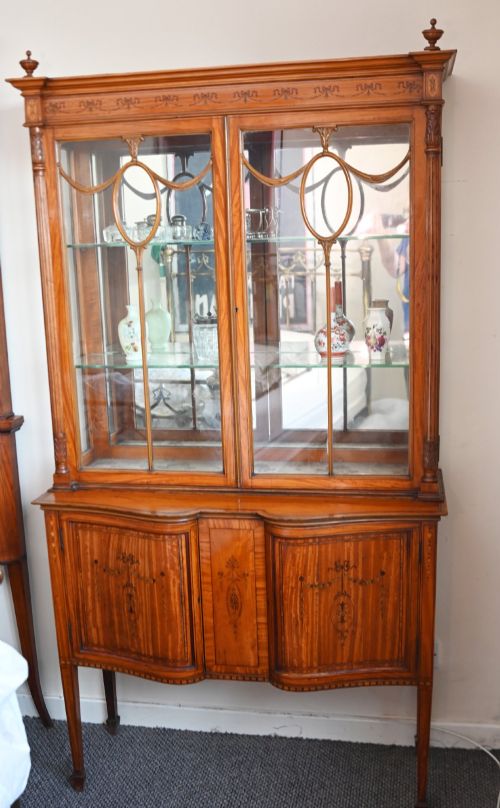
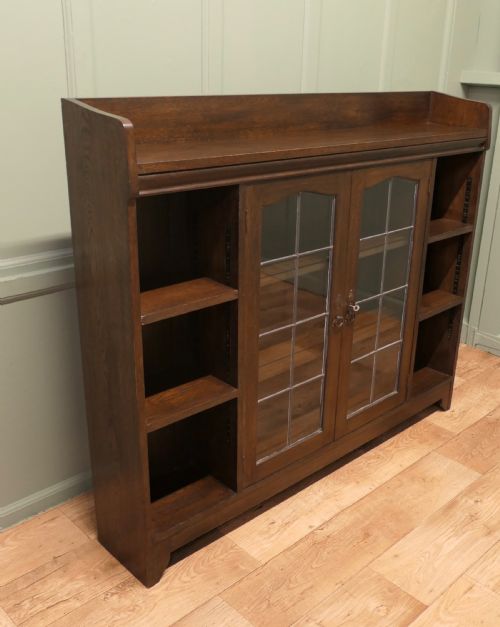
Makers and workshops of the era drew heavily on historical revivals, producing variations in styles such as Sheraton Revival, Arts and Crafts, and Jacobean Revival. These diverse forms share a common reliance on glass and timber construction, tailored for both grand country houses and smaller domestic spaces.
How they were made
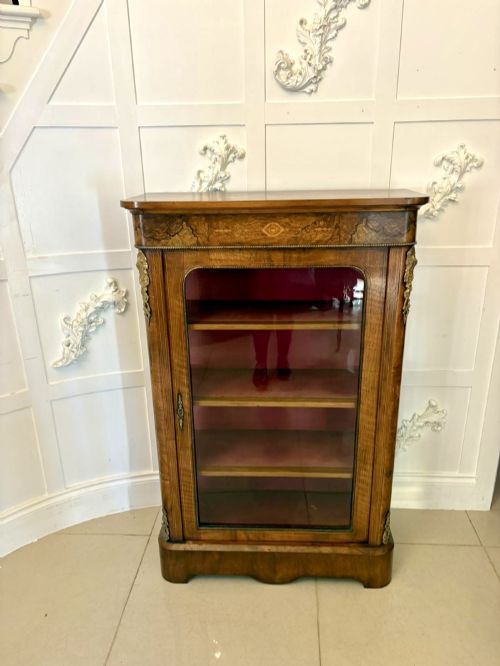
Cabinet makers relied primarily on solid and veneered timbers, utilising oak and mahogany as the structural backbone for the majority of these pieces. Satinwood found frequent use for decorative inlays, adding contrast to darker mahogany surfaces.
Glazing techniques varied according to the intended use and style, incorporating simple wooden astragal bars, leaded sections, and occasionally bowed glass doors. Brass fittings and hardware provided functional details, while specialised examples integrated metal mounts and internal adjustable glass shelving.
One cheerful display cabinet carries the lingering scent of history through perfume brand names later painted across its glass.
What varies in quality
The standard of timber selection and the precision of decorative inlay work establish the distinction between standard utilitarian furniture and finer workshop pieces. Subtle details such as delicate satinwood painted motifs or well-executed bow front doors indicate a higher level of craftsmanship.
Structural complexity also dictates the tier of a piece, separating straightforward nailed or screwed carcases from sophisticated mechanical systems like stacking barrister sections or Globe Wernicke mechanisms. The integrity of the original glass, whether flat, leaded, or curved, contributes significantly to the overall character and execution.
Globe Wernicke·Liberty·Minty·John Alexander
The Edwardian Cabinet with Glass Doors Glossary
- Astragal
- The narrow wooden or metal moulding that holds the panes of glass within a glazed door. These bars divide the window into smaller geometric panels.
- Bow front
- A convex, outwardly curved front section on a cabinet or chest. This curved shape adds visual depth and softness to the piece.
- Globe Wernicke
- A brand name that became synonymous with modular stacking bookcases. These units feature glazed doors that lift and slide inward above each shelf tier.
- Satinwood
- A pale, durable tropical hardwood with a lustrous sheen. It was frequently used for stringing, banding, and decorative inlays on mahogany furniture.
Edwardian Cabinet with Glass Doors: Frequently Asked Questions
What is an edwardian cabinet with glass doors?
These are wooden storage and display pieces featuring transparent panes, produced around the turn of the twentieth century. They were built to house books, ceramics, and personal collections while keeping them visible.
Designs range from tall upright bookcases to compact corner units and shop display cases. The timber framework commonly utilises oak or mahogany with various glazing configurations.
How do I identify the style?
Look closely at the decorative motifs and timber choices to determine the design lineage. Sheraton Revival pieces often display light satinwood inlay on dark mahogany, while Arts and Crafts examples prioritize simpler structural honesty.
Revival styles look back to earlier historical periods, meaning you might spot Jacobean turning alongside Edwardian proportions. Examining the specific hardware and construction methods helps clarify the era.
Where were these cabinets used?
Original locations included domestic libraries, drawing rooms, and studies where books and prized objects required protection from dust. Smaller wall or corner versions suited more compact Victorian and Edwardian parlours.
Commercial variations also existed, such as shop display units designed to showcase small retail goods. Today, they adapt easily to modern living rooms and dining spaces for similar display purposes.
How do I maintain the glass and timber?
Keep the wood conditioned using appropriate traditional waxes and avoid placing the cabinet in direct sunlight or near heat sources. This prevents the timber from drying out and keeps the joints stable.
Clean the glass panes gently with standard glass cleaner applied to a cloth rather than sprayed directly, protecting the surrounding wooden frames and astragal bars from moisture damage.