
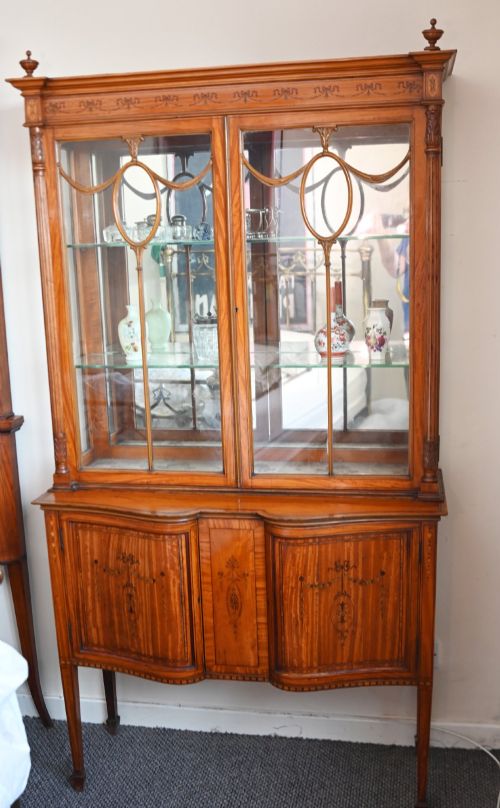
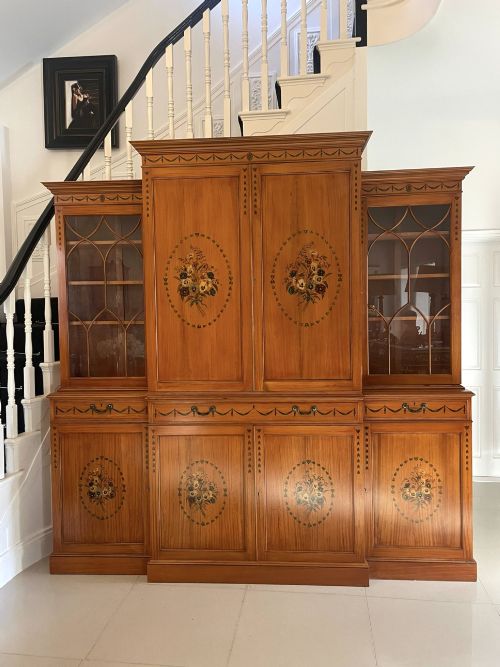
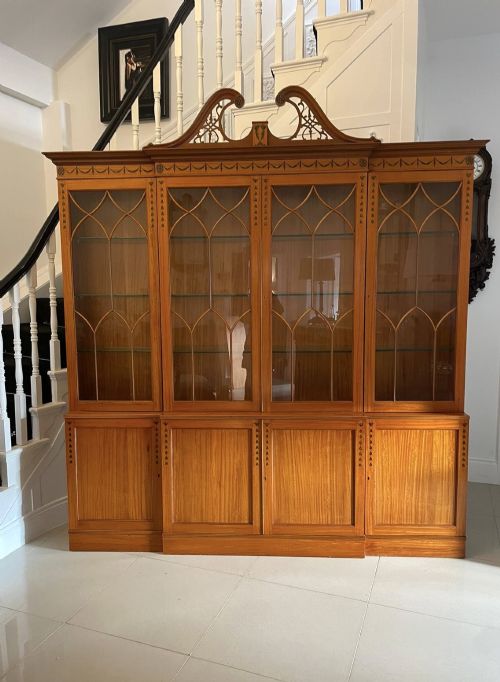
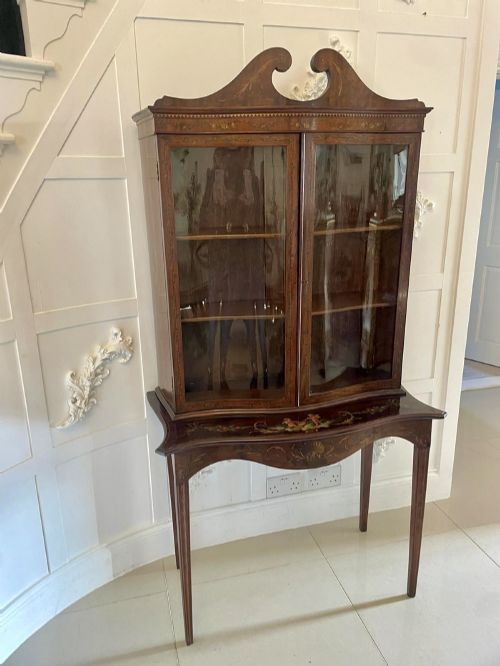


Edwardian Painted Glazed Cabinet
An edwardian painted glazed cabinet brings delicate floral motifs and fine glass doors together to display china and books.
Edwardian Painted Glazed Cabinet
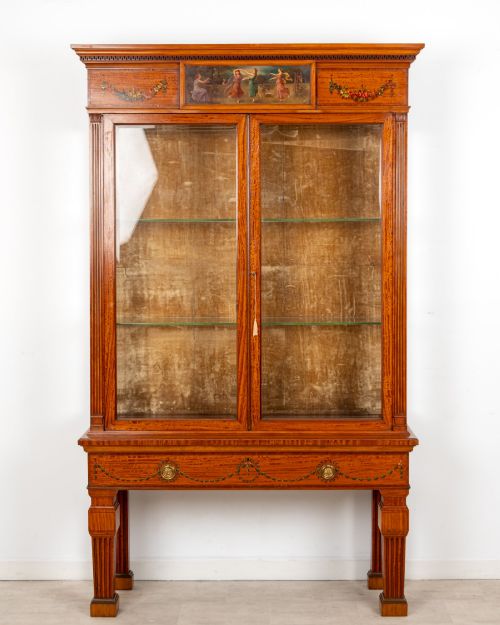
When searching for an edwardian painted glazed cabinet, you encounter display pieces designed to show off collections behind glass panels. These items originate predominantly from the Edwardian era, alongside related nineteenth and early twentieth century examples.
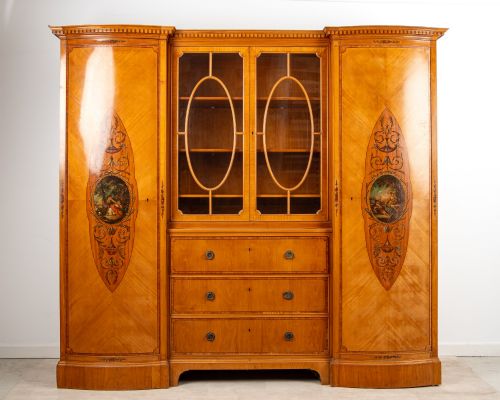
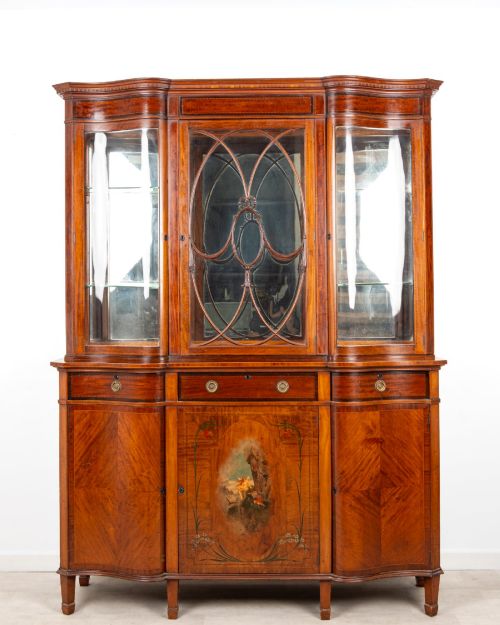
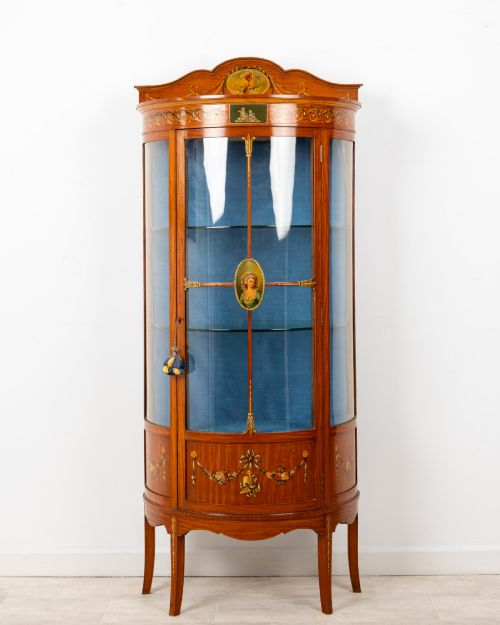
The forms range from compact corner cabinets and wall-hanging units to large breakfront bookcases and triple wardrobes. Most examples combine glass viewing areas with wooden framing and hand-painted decorative details.
Revival styles heavily influence the selection, with Sheraton, Adam and Chippendale motifs appearing frequently across the woodwork. Many of these pieces serve as primary focal points in a room while providing practical enclosed storage.
Markers of quality
The refinement of the hand-painted decoration distinguishes standard production from superior examples. Finely executed floral panels and original painted surfaces elevate a piece significantly above simpler monochrome finishes.
Timber selection and cabinet proportions also dictate the standard of the work, with figured satinwood and mahogany framing commanding attention. Intricate glazing bars and well-preserved structural integrity separate workshop output.
Periods represented span from the nineteenth century through the Edwardian era into the nineteen thirties.
Hampton & Sons·Jewell of Holborn
The Edwardian Painted Glazed Cabinet Glossary
- Satinwood
- A pale, lustrous timber native to India and Sri Lanka, highly prized for fine furniture and decorative veneers. It provides a smooth golden background for painted floral decoration.
- Breakfront
- A piece of furniture featuring a central section that projects forward from the flanking wings. This architectural layout creates depth and visual interest in large bookcases and display cabinets.
- Astral glazed
- A glass door divided into smaller panes by thin wooden or metal framing bars. These delicate intersections define the window grid of traditional bookcases.
- Vitrine
- A glass-sided cabinet specifically constructed for the display of curiosities and porcelain. The transparent panels allow light to enter from multiple angles.
- Vernis Martin
- A type of simulated Japanese lacquer developed in eighteenth-century France and emulated in later revival pieces. It uses translucent varnish layers over painted decoration.
Edwardian Painted Glazed Cabinet: Frequently Asked Questions
What is an edwardian painted glazed cabinet used for?
These cabinets were originally manufactured to display treasured porcelain, glassware and decorative books within a drawing room or parlour. The glass doors protected delicate collections from household dust while keeping them visible.
Today, owners utilise them for similar display purposes in living spaces and dining rooms. They provide structured storage that showcases curated collections rather than concealing everyday items.
How should I clean the painted surfaces?
Painted and lacquered wooden surfaces require gentle dusting with a soft, dry cloth to prevent abrasion. Avoid modern chemical sprays and harsh cleaning agents that can damage original painted decoration.
If deeper cleaning becomes necessary, consult a professional restorer who understands antique finishes. Moisture can compromise aged paint layers and delicate wooden joints.
Where should I place these cabinets in my home?
Position your display cabinet away from direct sunlight and strong heat sources to protect the timber and delicate painted panels. Stable indoor temperatures prevent the wood from warping and the glass settings from loosening.
Allow enough clearance around doors to open them fully without striking nearby furniture. Placing the unit against an interior wall ensures structural stability.