

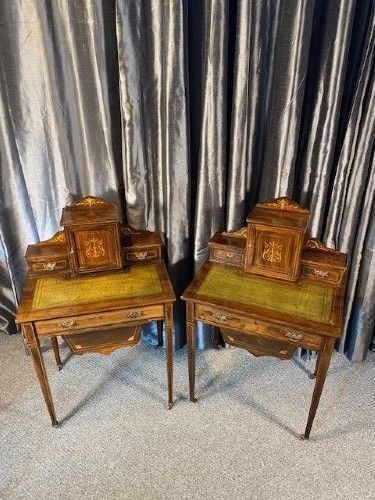
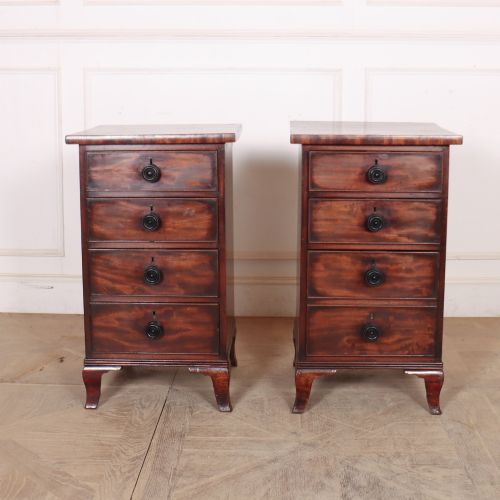
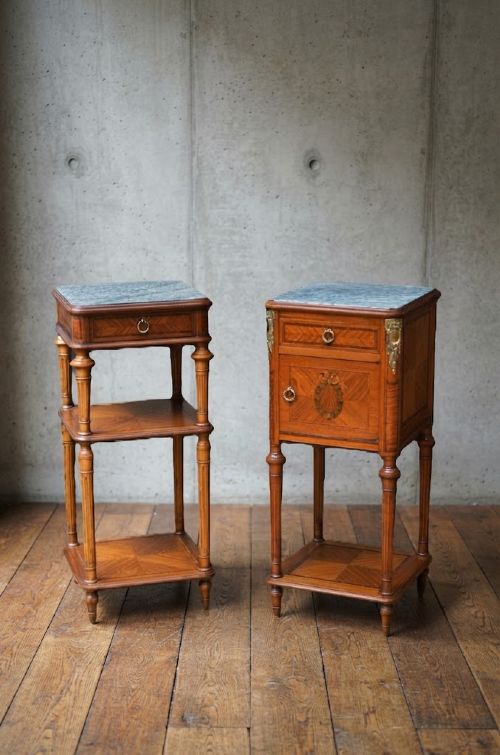
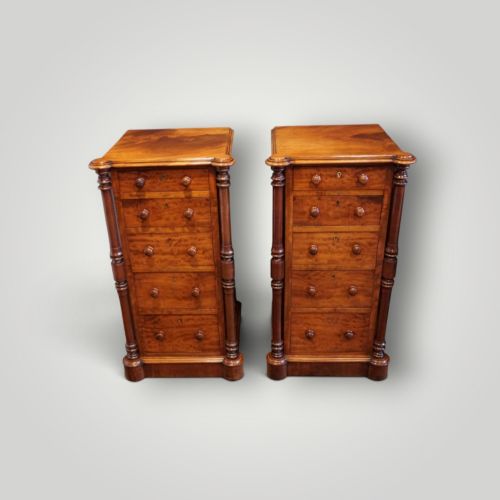
Edwardian Cabinet Pair
An edwardian cabinet pair brings symmetry and matched proportion to a room, most often appearing as bedside storage or display pieces in mahogany or walnut.
Edwardian Cabinet Pair
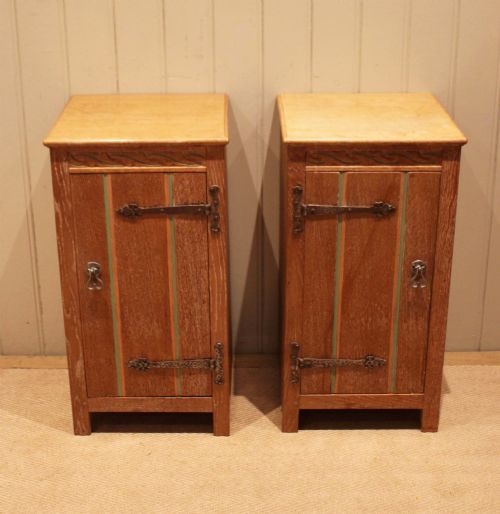
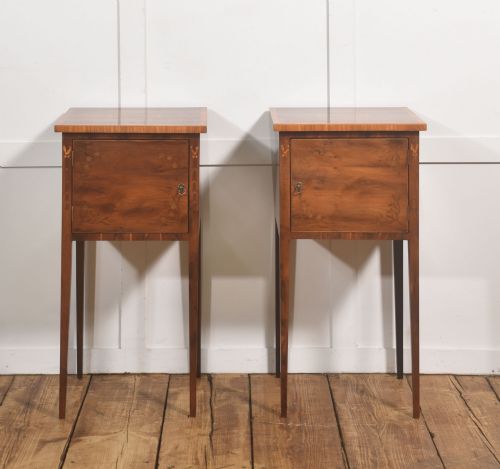
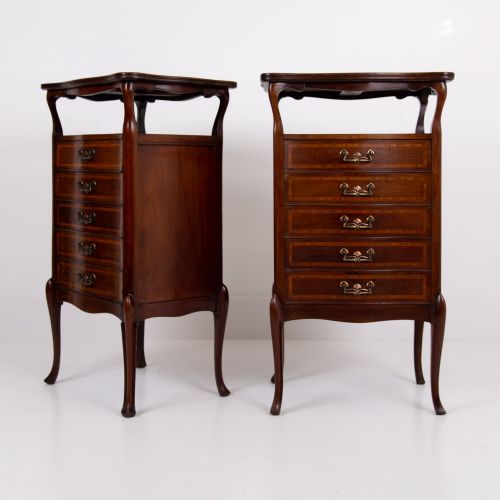
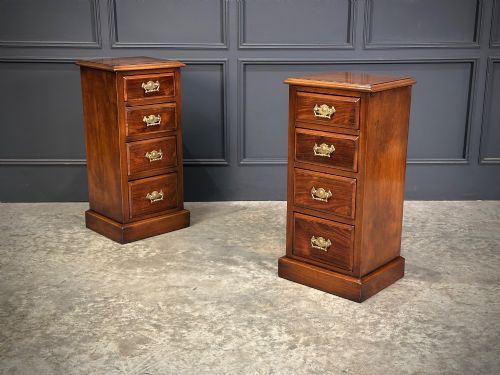
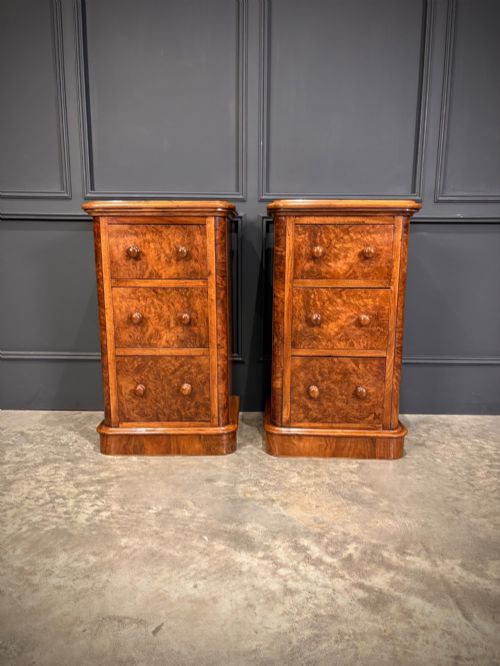
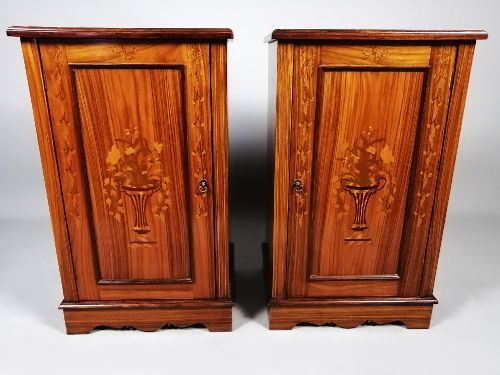
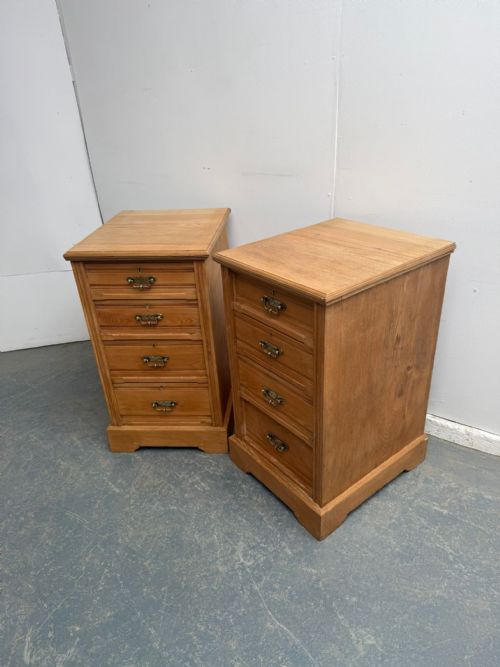
When searching for an edwardian cabinet pair, buyers find matching pieces predominantly originating from the Edwardian era alongside late Victorian and early twentieth-century examples. The selection heavily comprises bedside cabinets, bedside chests, and side tables designed to flank a bed or anchor a corner with balanced form.
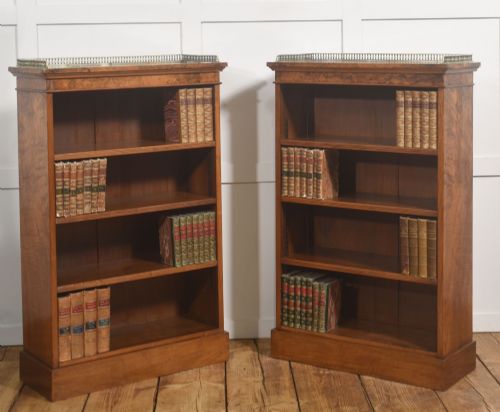
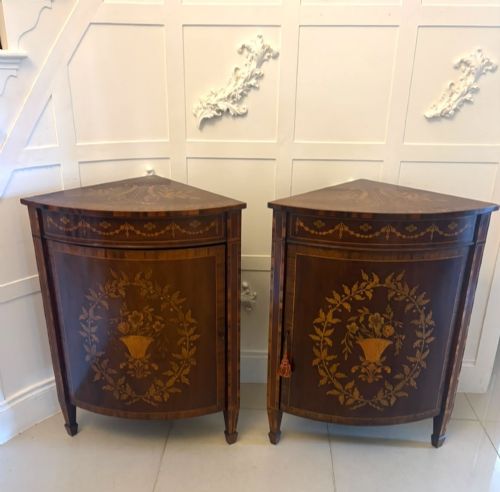
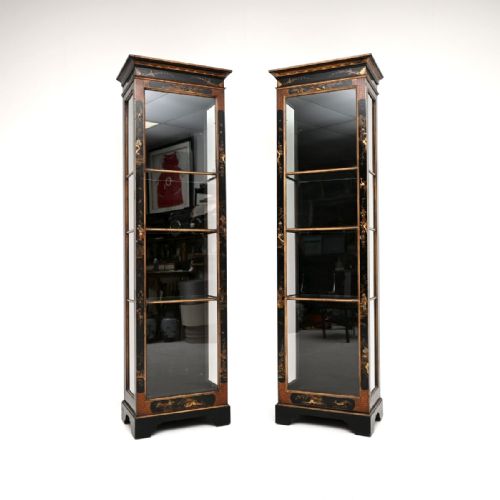
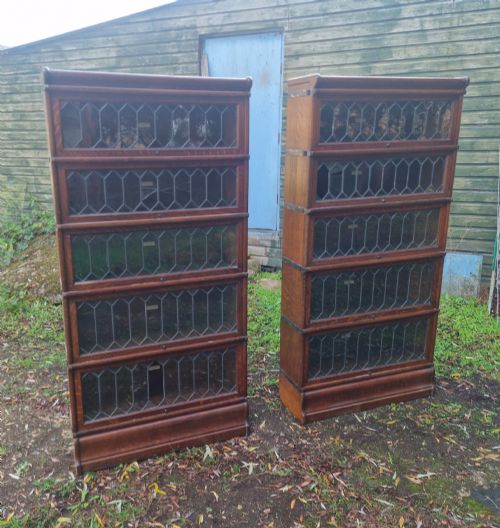
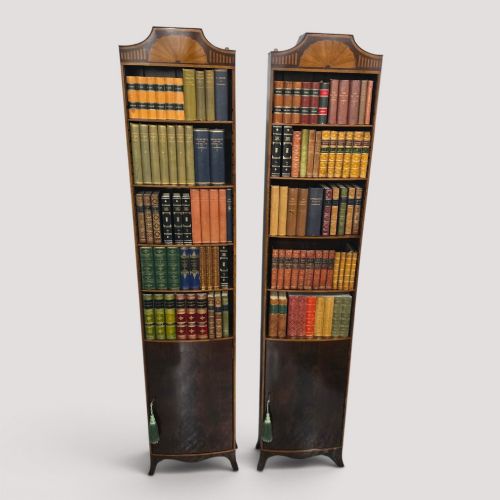
Beyond bedroom storage, the listings incorporate open bookcases, corner cabinets, and display cabinets sharing identical dimensions and matching timber grains. These dual forms serve practical storage needs while maintaining the symmetrical layout favoured in period interior design.
How They Were Made
Cabinet makers utilised dense hardwoods including mahogany, walnut, and satinwood, frequently applying intricate marquetry inlay, rosewood banding, or lacquer to enhance the primary timber. Brass handles, galleries, and hinges provide functional hardware accents across the various styles.
Construction techniques span traditional dovetail joinery for drawers and panelled doors fitted within solid frames, sometimes incorporating leaded glass or marble tops. Waxed finishes protect the timber surfaces while preserving the natural grain and colour.
Edwardian Cabinet Pair Retail Price Guide 2026
Typical asking prices for edwardian cabinet pair among the pieces listed under this phrase on Sellingantiques today, from the lower quarter to the upper quarter. They describe what is for sale here now, not the wider market.
Materials documented across these listings include mahogany, satinwood, burr walnut, oak, brass, glass, and marble.
What Varies in Quality
The degree of hand-cut marquetry and the choice of figured veneers distinguish standard utility items from finer workshop output. Closely matched grain patterns across both pieces indicate careful timber selection during original construction.
Refined proportions, superior internal drawer linings, and original cast brass hardware separate standard commercial production from the work produced by notable cabinet makers.
Warings Liverpool·Waring & Gillows·Edwards & Roberts
The Edwardian Cabinet Pair Glossary
- Marquetry
- Decorative veneer work arranged in geometric or pictorial patterns on the cabinet surface. Craftsmen cut contrasting wood veneers to form intricate designs.
- Bedside Cabinet
- A small enclosed storage unit designed to sit beside a bed. These often feature a single door above a small cupboard space.
- Satinwood
- A durable hardwood noted for its pale golden yellow colour and lustrous sheen. It was frequently used for fine Edwardian inlaid furniture.
- Globe Wernicke
- A modular stacking bookcase system with leaded glass doors. Each section operates independently on a patent mechanism.
- Chinoiserie
- European decorative art imitating Chinese artistic styles. Lacquered cabinets often display raised gold figures against a dark background.
Edwardian Cabinet Pair: Frequently Asked Questions
Where should I place an edwardian cabinet pair?
These matched pieces naturally suit positions requiring symmetry, such as either side of a bed or flanking a fireplace. Their balanced dimensions also allow them to anchor corners or serve as matching lamp tables in a hallway.
Because they were built as counterparts, keeping them in the same room preserves their visual harmony and intended decorative purpose.
How do I care for mahogany and walnut cabinets?
Maintenance requires regular dusting with a soft, dry cloth to prevent grit accumulation on the polished surfaces. Applying traditional beeswax periodically helps nourish the timber and protects the finish from drying out.
Direct sunlight and placement near heat sources should be avoided to prevent the veneer from lifting and the solid wood from warping.
How do I distinguish Edwardian pieces from Victorian ones?
Edwardian furniture generally exhibits lighter proportions and brighter timber tones compared to the heavier, darker woods typical of the Victorian period. The influence of Sheraton and neoclassical revival styles also brings a greater frequency of satinwood inlay and refined tapering legs to Edwardian pieces.
Construction details and registered design marks can also offer clues, though stylistic lightness remains the primary visual indicator.
What is the function of a marble top cabinet?
Marble topped cabinets provided a durable, wipe-clean surface resistant to water rings and spills in bedroom settings. They were particularly useful for holding jugs, washbasins, or drinking water before modern plumbing.
This practical addition also added weight and stability to smaller bedside cupboards while introducing a contrasting cool texture to the timber.