


Edwardian Bureau Chest
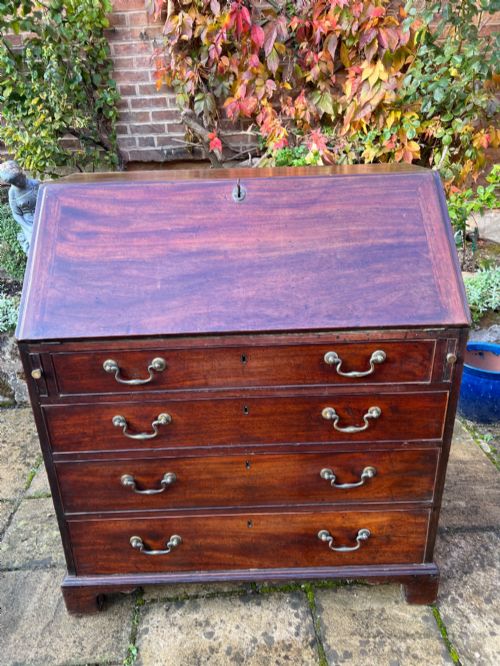
An edwardian bureau chest combines a practical writing desk with a bedroom chest of drawers, offering compact storage and a fitted workspace.
Edwardian Bureau Chest
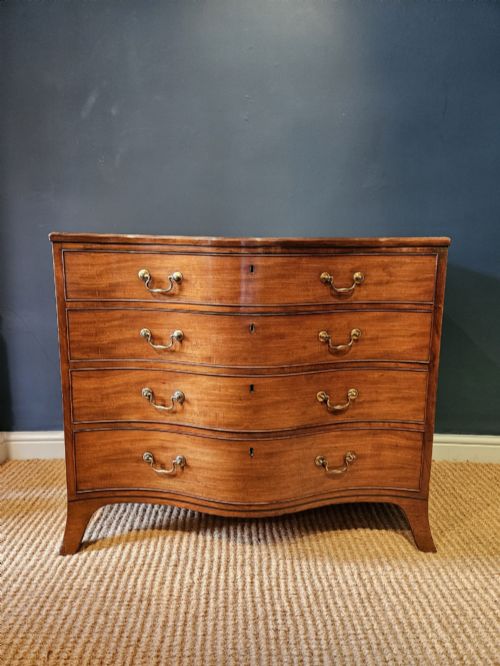
An edwardian bureau chest sits at the intersection of domestic writing furniture and bedroom storage, merging a hinged desk flap with multiple drawer tiers. When searching this phrase, buyers encounter examples originating from the Edwardian era alongside earlier Georgian, Victorian, and Regency forms that share similar proportions.
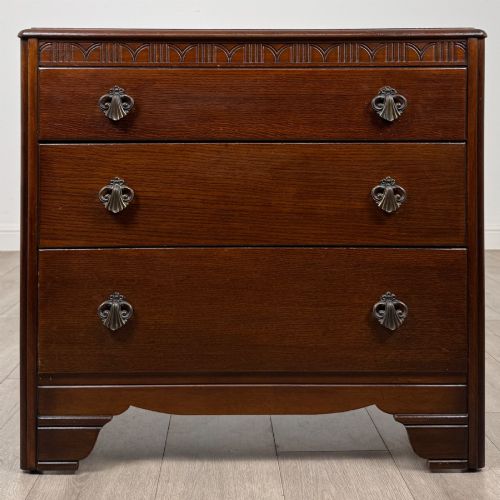
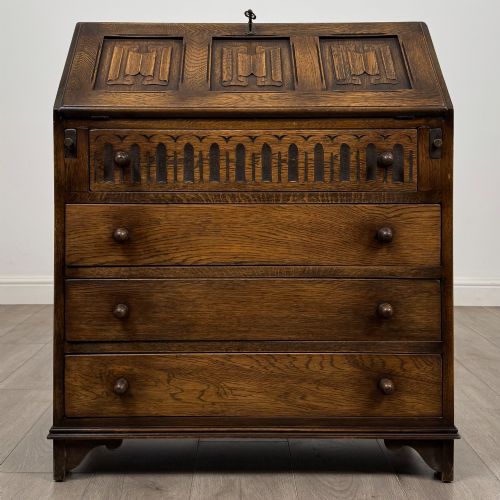
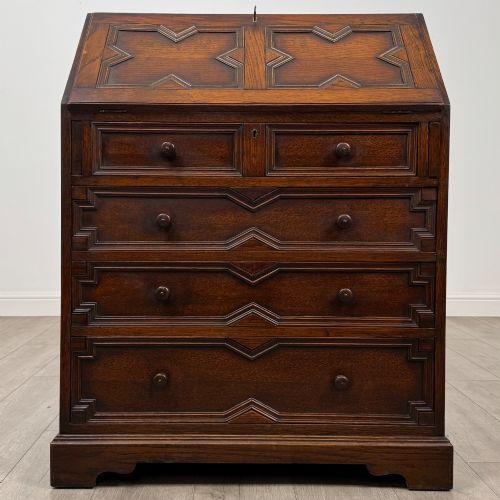
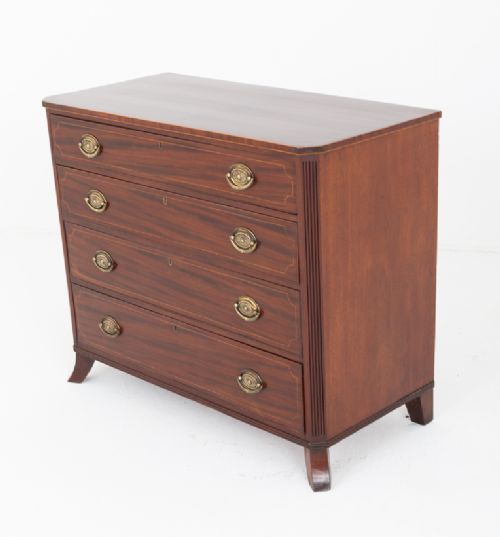
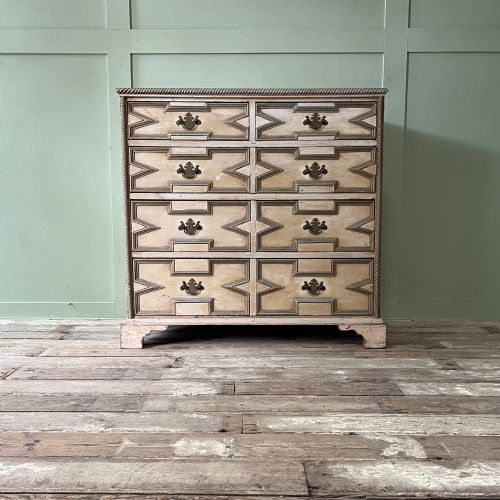
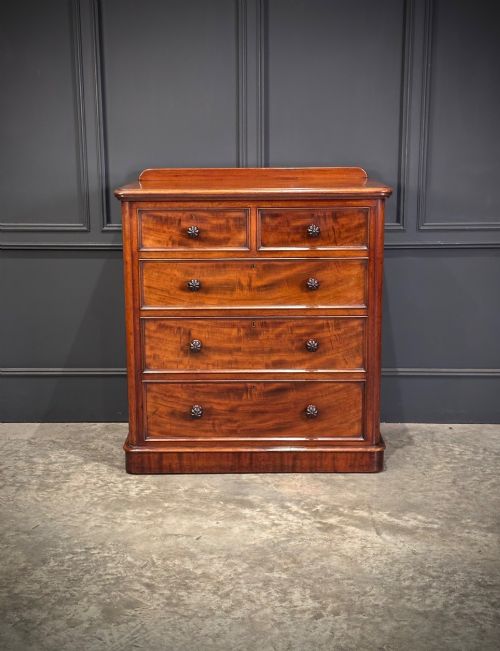
The pieces listed here encompass dedicated bureaux featuring fitted writing interiors, traditional chests of drawers, and hybrid formats incorporating satinwood, oak, walnut, and mahogany. Many examples demonstrate revival influences such as Jacobean linenfold carving or Georgian styling.
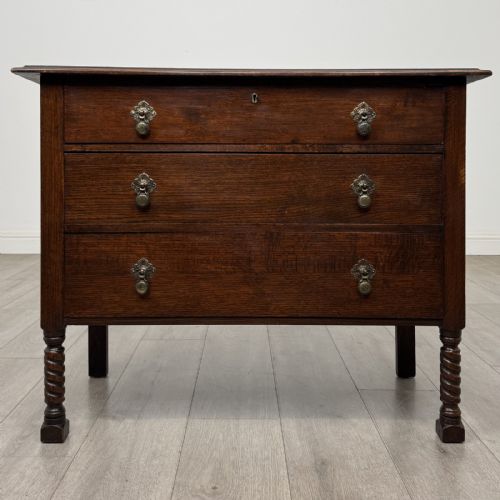
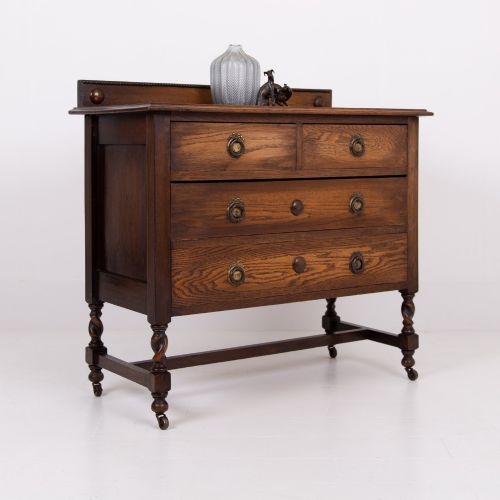
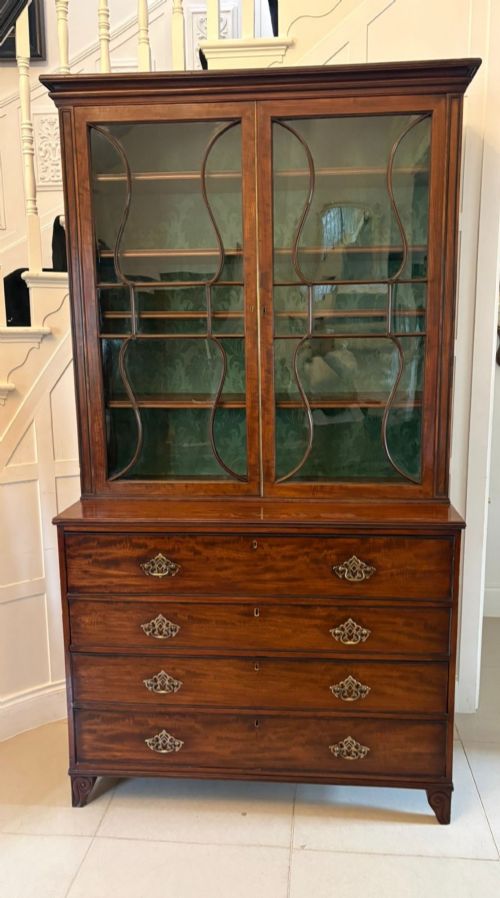
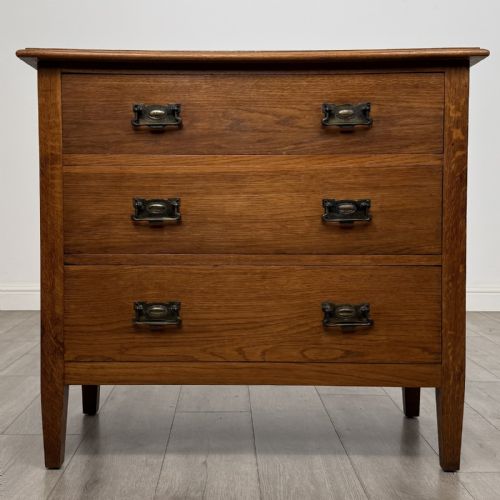
Forms vary from modest single-drawer writing desks to large multi-drawer chests with raised galleries or glazed bookcase tops. Buyers frequently meet pieces constructed from solid oak or figured mahogany veneers, reflecting the diverse cabinet-making traditions of the period.
Materials and construction methods
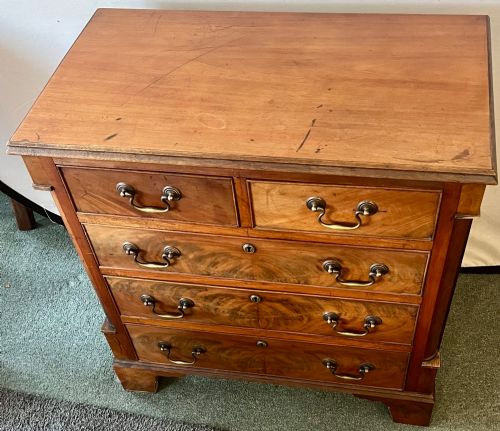
Cabinet makers utilised a range of primary timbers including mahogany, walnut, satinwood, and oak, often pairing them with secondary woods like pine for internal drawer framing. Flame mahogany veneers and burr walnut provided decorative figured surfaces on drawer fronts and writing flaps.
Joinery techniques involved precise dovetailing for drawer construction and sturdy framing to support the weight of fitted writing interiors and hinged desks. Brass hardware, turned wooden legs, and carved top edges finished the structural elements of these pieces.
Edwardian Bureau Chest Retail Price Guide 2026
Typical asking prices for edwardian bureau chest among the pieces listed under this phrase on Sellingantiques today, from the lower quarter to the upper quarter. They describe what is for sale here now, not the wider market.
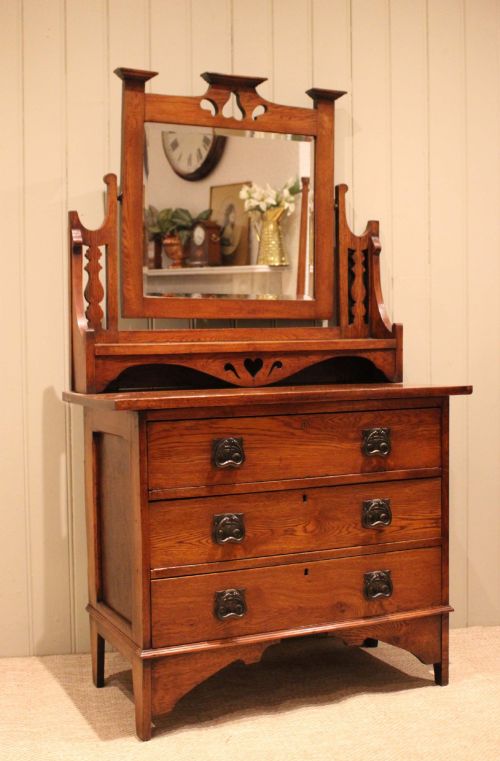
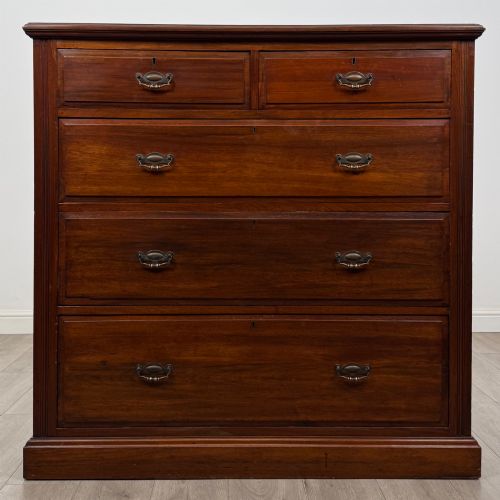
Object forms include standard chests of drawers, secretaire bookcases, dressing tables, and bureaux equipped with fitted writing interiors.
Distinctions in quality and execution
The grade of an edwardian bureau chest depends largely on the selection of timber veneers, such as figured mahogany or burr walnut, and the crispness of any carved detailing like linenfold panels or raised galleries. Superior examples retain original brass handles, fitted interior pigeonholes, and intact writing surfaces without warping.
Construction fidelity separates standard utility items from finer workshop output, evident in tight dovetail joints, smooth drawer operation, and balanced proportions across multi-tiered chest configurations.
Sir Clough Williams-Ellis
The Edwardian Bureau Chest Glossary
- Bureau
- A desk featuring a sloping hinged flap that opens to reveal a fitted interior of small drawers and pigeonholes. This form provides a concealed writing surface that folds away when not in use.
- Linenfold
- A style of carved wooden panelling designed to resemble folded linen fabric. It appears frequently on the panels of Edwardian oak furniture inspired by earlier historical revivals.
- Gallery
- A raised decorative border situated along the top edge of a chest of drawers or desk. It prevents items placed on top from sliding off.
- Brushing slide
- A pull-out wooden shelf positioned above the top drawers of a chest. It served as a temporary surface for sorting papers or grooming items.
- Scumble paint
- A decorative surface finish applied to pine or other woods to simulate the grain of more expensive timbers or to create a mottled texture. It is found on certain vernacular pieces.
Edwardian Bureau Chest: Frequently Asked Questions
What is an edwardian bureau chest?
An edwardian bureau chest is a piece of furniture that combines a sloping writing desk with a traditional set of drawers. It typically includes a hinged writing flap that opens to reveal small compartments for stationery.
These items were designed for domestic use in bedrooms or studies, providing both a writing surface and clothes storage within a single footprint.
How were these pieces used?
They served multiple functions in the home as both storage chests and personal writing desks. The pull-down flap allowed owners to write letters and manage correspondence in private.
The lower drawers provided space for linens, clothing, or household documents, making them versatile additions to bedroom and parlour furnishings.
Are fitted interiors common?
Many bureau chests feature fitted writing interiors containing small pigeonholes, tiny drawers, and sometimes a central compartment with a small door. These internal sections kept stationery and writing implements organised.
The complexity of the interior fittings often corresponds to the overall quality and decorative ambition of the piece.