
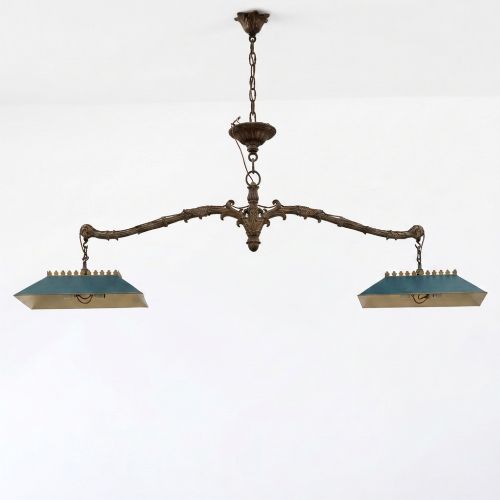
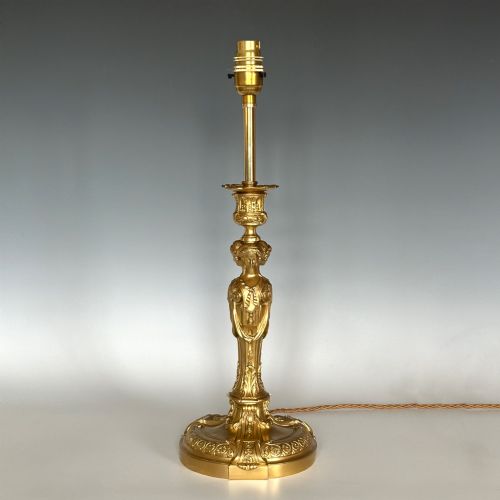
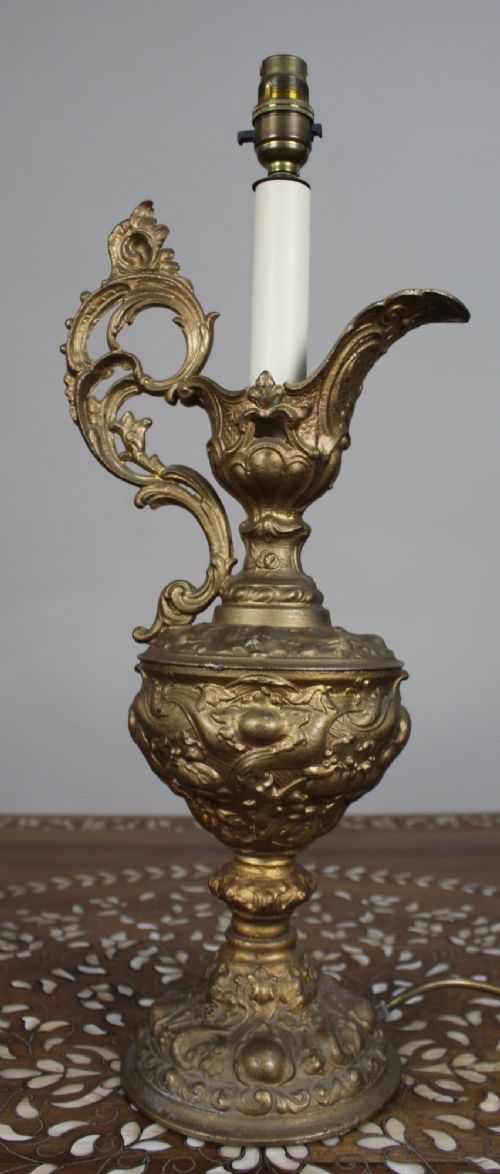
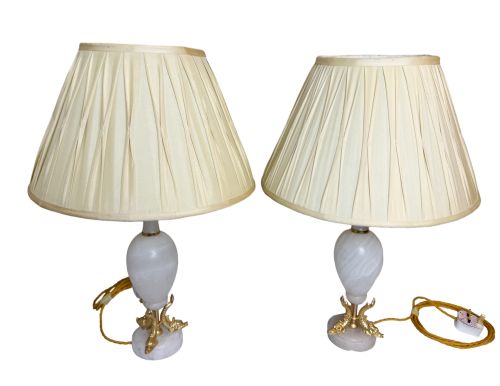
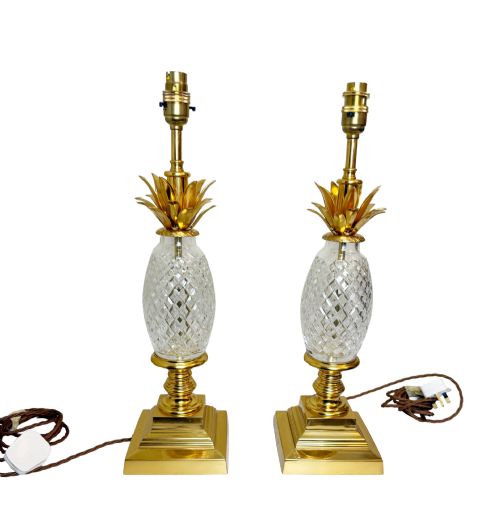
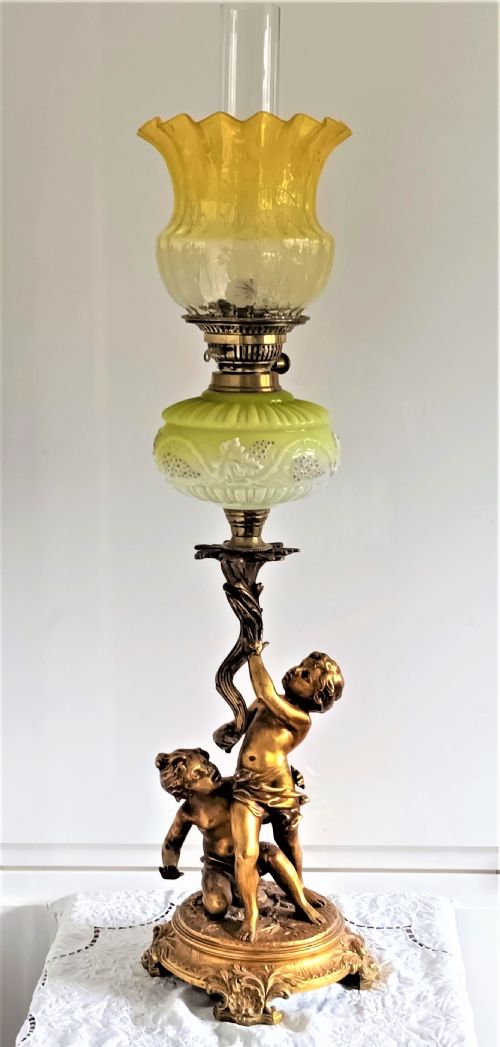
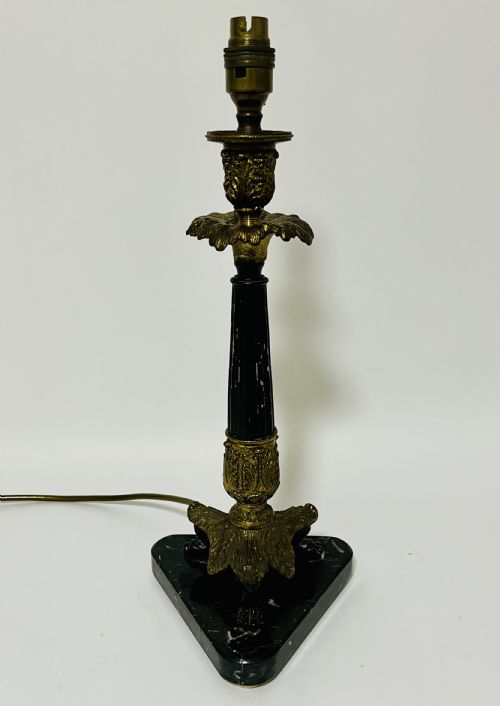


Edwardian Bronzed Table Lamp
An edwardian bronzed table lamp brings substantial weight and period illumination to a room.

Edwardian Bronzed Table Lamp
An edwardian bronzed table lamp encompasses cast metal lighting fixtures produced around the turn of the twentieth century. These objects frequently take the form of column lamps, adjustable reading lights, or figural bases that bridge the nineteenth and twentieth centuries.
Origin points range from English workshops to French foundries, encompassing both practical desk lamps and decorative table lights. The variety includes converted oil lamps and specialised notary lamps designed for functional illumination.
How they were made
Makers utilised bronze, brass, and gilt metal, casting these materials to create solid structural columns and intricate figural details. Ormolu and gilt bronze finishes added surface lustre to the underlying metal bodies.
Many examples incorporate contrasting materials such as marble bases, crystal bodies, onyx, and glass cabochons. Manufacturing methods combined metal casting with stone cutting and glass working to produce layered desk and table lamps.
Materials recorded across the inventory include bronze, brass, ormolu, marble, onyx, crystal, faience, and glass cabochons.
What varies in quality
Quality rests in the crispness of the metal casting and the depth of the patination on the bronze surface. Finer examples display sharp definition in figural elements like cherubs, dolphins, or classical columns rather than soft, mass-produced contours.
The integration of secondary materials such as marble, onyx, and frosted glass dictates the overall calibre of the piece. Superior assemblies combine weighty stone plinths with robust metal mounts and original glass components.
Georges Leleu
The Edwardian Bronzed Table Lamp Glossary
- Ormolu
- A gilding technique utilising a finely ground high-carat gold-mercury amalgam applied to a bronze object. This process yields a warm, durable finish seen on decorative mounts.
- Spelter
- An alloy of zinc and lead often used as a cheaper substitute for bronze. It frequently receives a bronzed finish to mimic heavier metals.
- Faience
- Tin-glazed earthenware popular in continental pottery production. It appears in combination with bronze on select artistic lamp bases.
- Toile de Jouy
- A traditional fabric featuring printed pastoral scenes. It occasionally dresses the shades accompanying period column lamps.
Edwardian Bronzed Table Lamp: Frequently Asked Questions
What is an edwardian bronzed table lamp?
These are cast metal lighting fixtures produced around the early twentieth century, utilising bronze or bronzed finishes. They range from simple column lamps to elaborate figural designs.
Many pieces adapt earlier nineteenth-century forms or draw on French Neoclassical and Art Nouveau styles to provide task and ambient light.
How do I identify an edwardian lamp?
Look for construction traits typical of the period, including weighted metal bases, column forms, and specific material combinations like brass, bronze, and marble. Date indicators often appear in the switch mechanisms and wiring channels.
Stylistic cues bridge late Victorian tastes and the emerging Art Nouveau movement, often showing neoclassical revival motifs.
Were these lamps originally electric?
Many surviving examples began as oil lamps or paraffin burners before conversion to electricity later in their lifespan. Converted oil lamps retain reservoirs and burner assemblies adapted for modern wiring.
Desk lamps and notary lights were often manufactured specifically for adjustable reading tasks with metal shades and articulated arms.
How do I live with a bronze lamp?
Place them on sturdy side tables, desks, or mahogany columns where their substantial weight provides stability. They anchor a room by introducing dark metal tones and period character.
Pair them with appropriate fabric shades or frosted glass diffusers to complement the existing bronze or gilt metal structure.