




Edwardian Brass Fireguard
An edwardian brass fireguard keeps the hearth safe whilst bringing warmth and period character to a room.
Edwardian Brass Fireguard
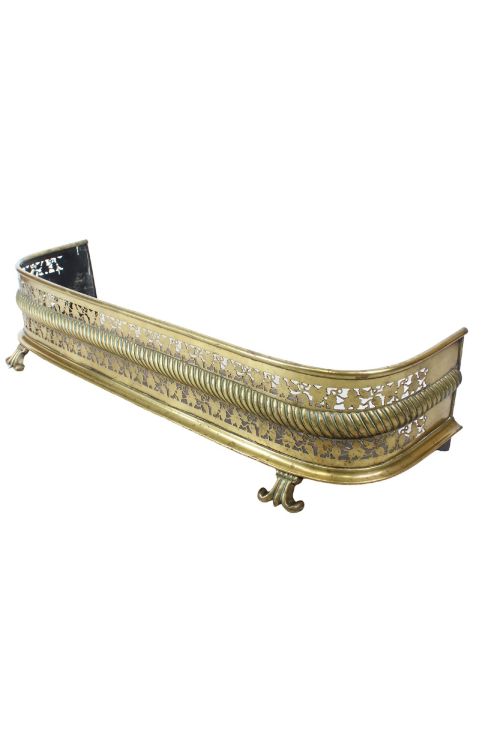
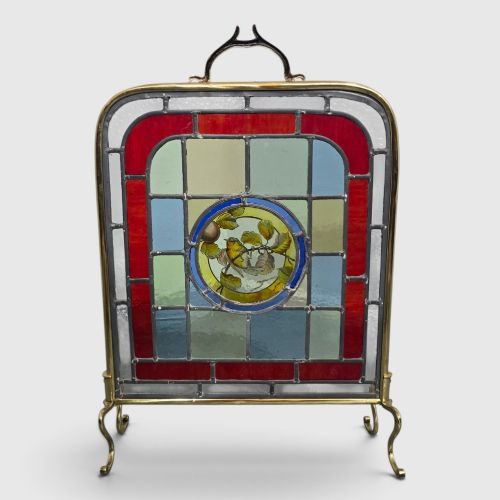
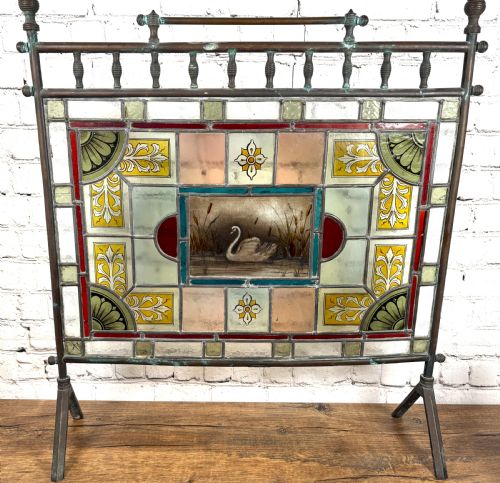
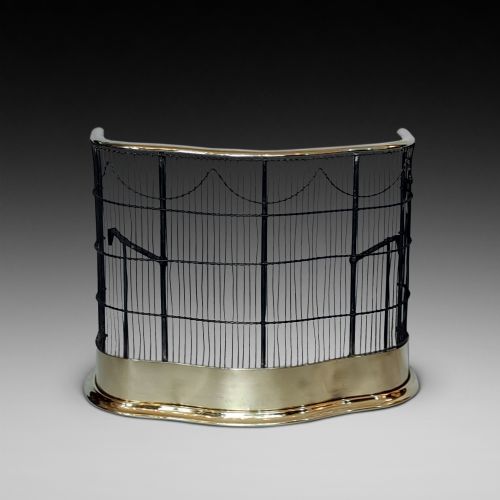
The edwardian brass fireguard category encompasses decorative and protective hearth furniture spanning the late nineteenth and early twentieth centuries. Pieces range from solid brass frames and folding spark guards to fire screens fitted with glass, copper, or tapestry panels.
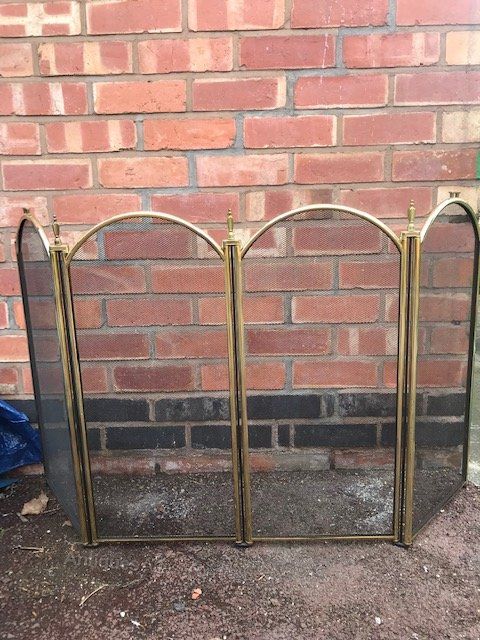
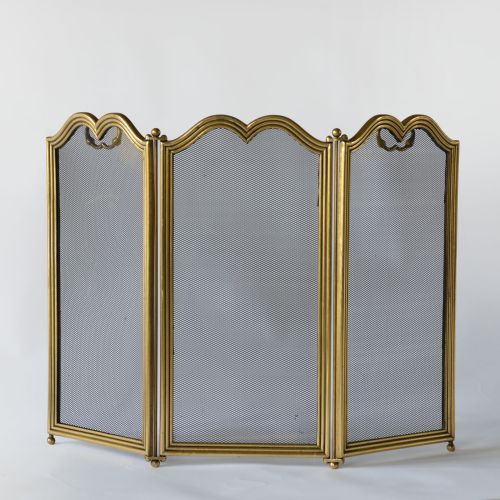
Buyers most frequently encounter variations featuring Art Nouveau motifs, wire mesh, and multi-folding sections designed to contain sparks whilst remaining decorative. These accessories appear alongside related hearth furniture such as fenders and fire dogs.
Origins stretch across the Victorian, Edwardian, and Arts and Crafts periods, reflecting the domestic habits of the period when coal fires required robust containment. The selection includes both utilitarian nursery guards and decorative screens intended for formal reception rooms.
How they were made
Construction relies heavily upon brass frames combined with supporting elements of iron, copper, and steel. Wire mesh and fine metal screens provide the protective barrier against stray embers.
Decorative panels incorporate stained glass, lead, cut glass, and embossed sheet metal. Textile elements such as tapestry panels also appear within the framework of decorative fire screens.
Assembly techniques utilise heavy gauge metalwork, riveted joints, and folding hinges to create tripartite or four-section configurations.
Some nursery fenders feature built-in clothes rails, proving that warming small garments by the hearth was a daily domestic chore.
What varies in quality
The standard of metal gauge and frame construction dictates the durability and rigidity of the guard. Heavier brass and iron frameworks maintain their shape under heat and daily domestic handling better than lighter alternatives.
The intricacy of decorative detail, from pierced brass ornamentation to embossed copper panels and stained glass work, separates standard utility items from finer parlour screens. Details like integrated clothes rails and multi-folding sections indicate specialised domestic design.
The Edwardian Brass Fireguard Glossary
- Fire guard
- A protective barrier placed in front of an open fireplace to contain sparks and embers. These items range from simple wire mesh panels to ornate folding screens.
- Fire fender
- A low metal kerb placed around the hearth to contain coal and ash. Some examples incorporate mesh spark guards or attached clothes rails.
- Art Nouveau
- A design style characterised by flowing, organic lines and floral motifs. This aesthetic heavily influences the brass and copper screens of the period.
- Spark guard
- A fine wire mesh screen designed specifically to intercept flying embers. These often feature folding sections for adjustable hearth coverage.
- Tripartite
- Consisting of three sections or panels. Such designs typically utilise hinges to allow the outer wings to fold inward.
Edwardian Brass Fireguard: Frequently Asked Questions
How do I clean a brass fireguard?
Dust the metal surfaces regularly with a dry cloth to prevent soot accumulation. Avoid harsh chemical cleaners that can strip the historic patina from the brass.
For stubborn marks, use a mild metal polish applied sparingly with a soft cloth. Take care to keep polishes away from any integrated glass, wire mesh, or textile panels.
Are these fireguards suitable for open fires?
Many examples are constructed with sturdy brass frames and wire mesh specifically designed to catch hot embers. They provide a physical barrier between the hearth and the room.
However, delicate screens featuring stained glass or tapestry panels are better suited for decorative use rather than intense open fires. Consider the materials of the specific piece before regular hearth placement.
What is the difference between a fire guard and a fender?
A fire fender sits directly on the hearth floor as a low barrier enclosing the fireplace opening. Fenders often incorporate tool rails or seating.
A fire guard is taller and stands upright to shield the room from sparks and heat. Some designs combine both elements into a single nursery fender.
How do I date an antique fire guard?
Dating relies on observing stylistic markers such as Art Nouveau curves or Victorian ornamentation. Materials like heavy gauge brass and wire mesh also point towards late nineteenth and early twentieth-century manufacturing methods.
Construction details, including the use of riveted joints and folding sections, help narrow down the period. Comparing the piece against documented examples from the Edwardian and Arts and Crafts eras provides further context.