

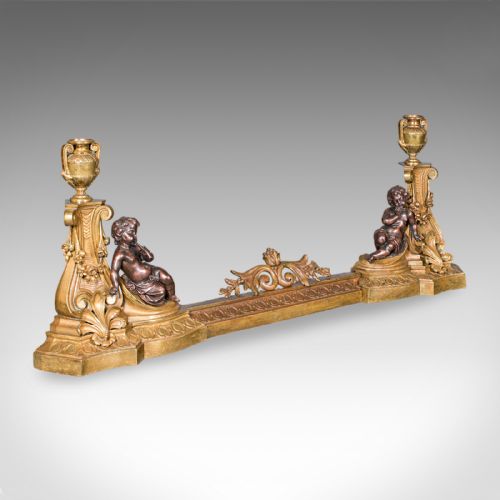
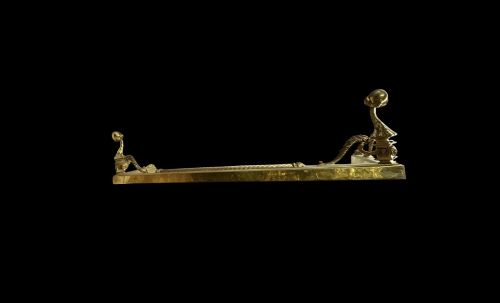


Edwardian Brass Fire Curb
An Edwardian brass fire curb is the hearth guard you need to anchor a period fireplace with bright metalwork and clean proportion.
Edwardian Brass Fire Curb
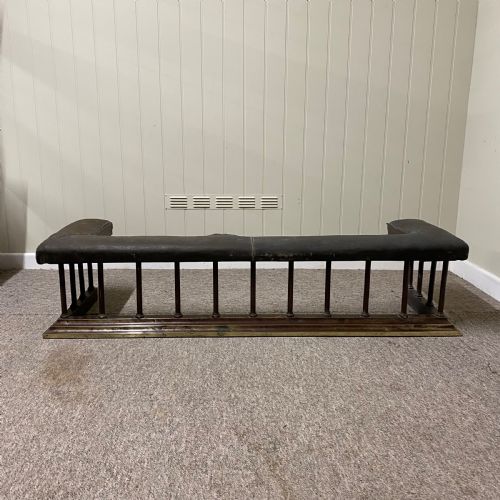
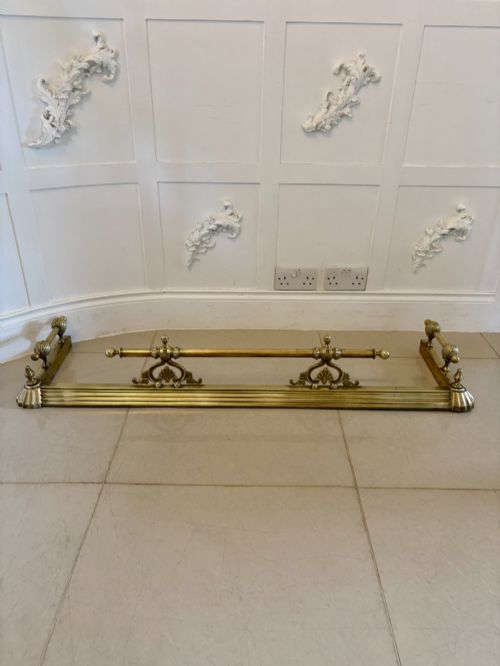
An edwardian brass fire curb sits on the hearth to contain stray embers and frame the fireplace opening. The pieces gathered here span the Victorian, Edwardian, and nineteenth-century periods, alongside turns of the century dates.
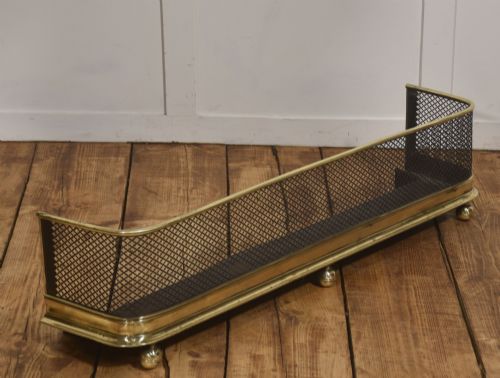
Most examples appear as standard fireplace fenders or adjustable guards, occasionally accompanied by matching fire irons or tools. Styles range from plain utilitarian frames to ornate Arts and Crafts and Art Nouveau designs.
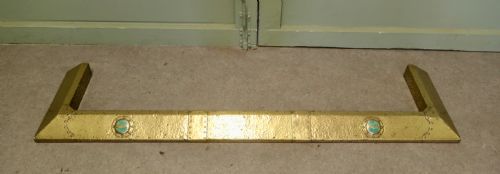
The version you are most likely to meet on this page is a polished brass Edwardian fender, often paired with steel components or decorated with enamel cabochons.
How They Were Made
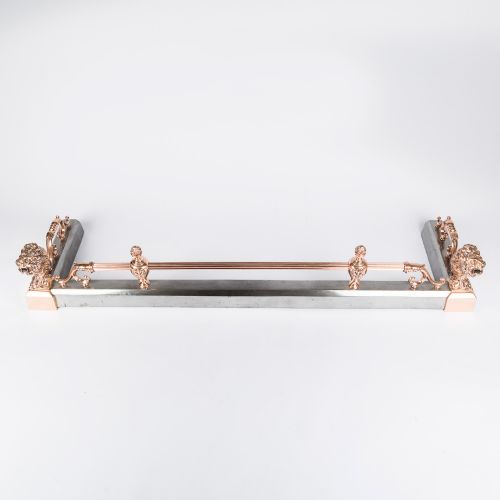
Makers constructed these curbs using sheet brass, tubular brass, and heavy gauge iron or steel for structural strength. Copper and bronze also appear across the selection, adding tonal variety to the metalwork.
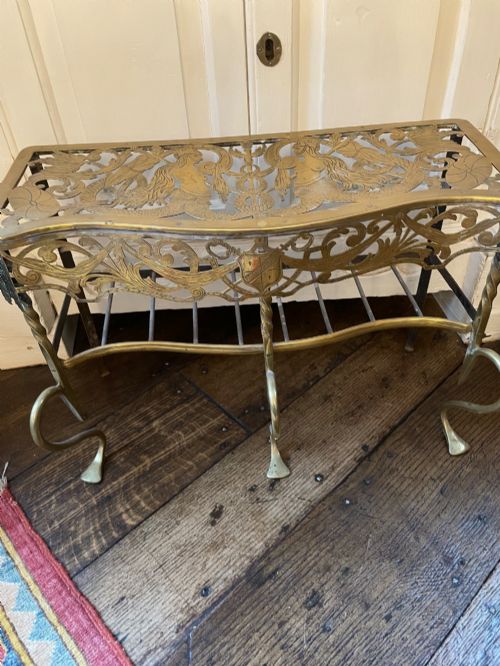
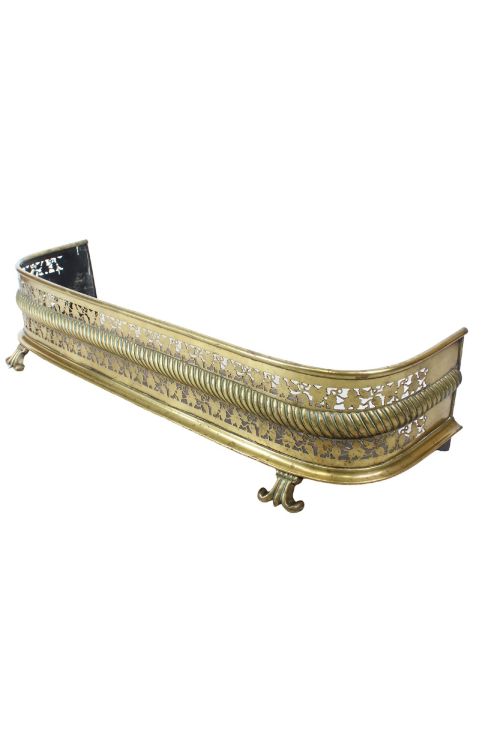
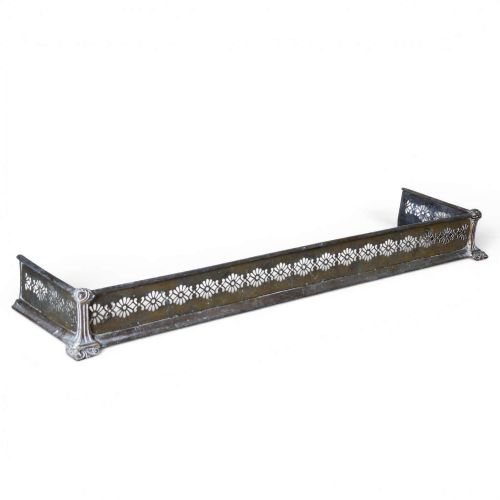
Surface decoration frequently includes pierced metal patterns, scrolled brasswork, and inset green enamel cabochons. Many examples utilise adjustable sliding mechanisms to fit varying hearth dimensions.
Edwardian Brass Fire Curb Retail Price Guide 2026
Typical asking prices for edwardian brass fire curb among the pieces listed under this phrase on Sellingantiques today, from the lower quarter to the upper quarter. They describe what is for sale here now, not the wider market.
Current listings feature materials including brass, steel, copper, iron, enamel, bronze, and gilt bronze across Victorian and Edwardian periods.
What Varies in Quality
The distinction between ordinary and superior pieces lies in the thickness of the metal gauge and the crispness of the casting. Heavy gauge brass and fully restored structures demonstrate enduring solidity.
Refinement of detail, such as hand-pierced motifs, secure joints, and patinated surfaces, separates standard hearth guards from exceptional examples.
The Edwardian Brass Fire Curb Glossary
- Fire curb
- A low metal barrier placed around the hearth to keep logs and embers from rolling onto the floor. This term is frequently used interchangeably with fire fender.
- Cabochon
- A polished, unfaceted stone or enamel setting, often circular or oval, used to decorate the corners of a fender. Green enamel examples are typical of the Arts and Crafts style.
- Pierced brass
- Metal sheet perforated with decorative patterns using a saw or press. This technique lightens the visual weight of heavy brass fenders.
- Patina
- The surface sheen and oxidation developed on metal over decades of exposure and polishing. A good patina shows depth rather than raw, freshly stripped metal.
- Adjustable fender
- A hearth guard designed with a sliding telescopic middle section to fit different fireplace widths.
Edwardian Brass Fire Curb: Frequently Asked Questions
What is a brass fire curb?
A brass fire curb is a low protective barrier designed to sit on the hearth directly in front of an open fireplace. It serves the practical purpose of keeping coal, wood, and sparks contained within the grate.
Beyond safety, these metal guards define the hearth boundary and add a polished decorative element to the room. They remain central components of period interior styling.
How do I clean antique brass?
Antique brass responds best to gentle cleaning with a soft cloth and traditional metal polish formulated for vintage items. Avoid harsh abrasive pads that can strip away the historical surface character.
Allowing a certain amount of natural patination to remain often preserves the visual depth of nineteenth-century metalwork. Regular dusting prevents grime buildup in pierced patterns and scrolls.
How do I date a brass fender?
Dating relies on observing manufacturing techniques, material gauges, and stylistic motifs such as Art Nouveau whiplash lines or Arts and Crafts enamel cabochons. Victorian examples often feature heavier cast brass components and ornate pierced galleries.
Edwardian pieces tend toward lighter constructions or specific geometric patterns typical of the early twentieth century. Comparing construction methods helps distinguish between mid-nineteenth-century and later variants.