
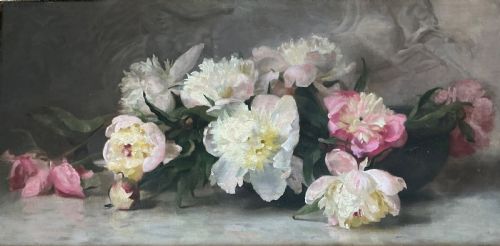


Edwardian Botanical Still Life
Edwardian botanical still life paintings bring British flora into rooms through oil on canvas, oil on board, and watercolour.
Edwardian Botanical Still Life
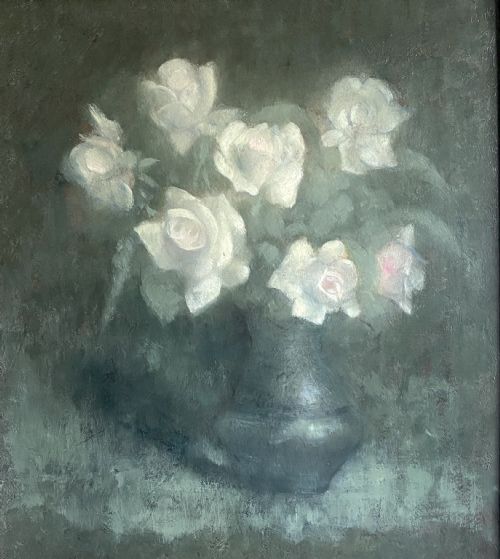
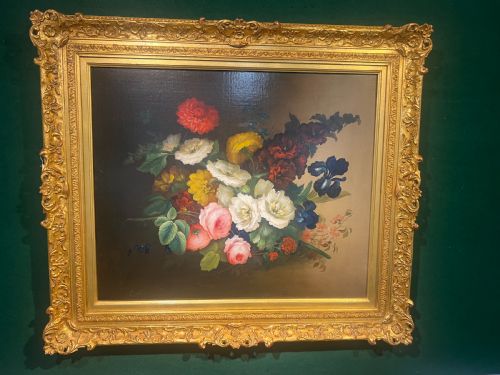
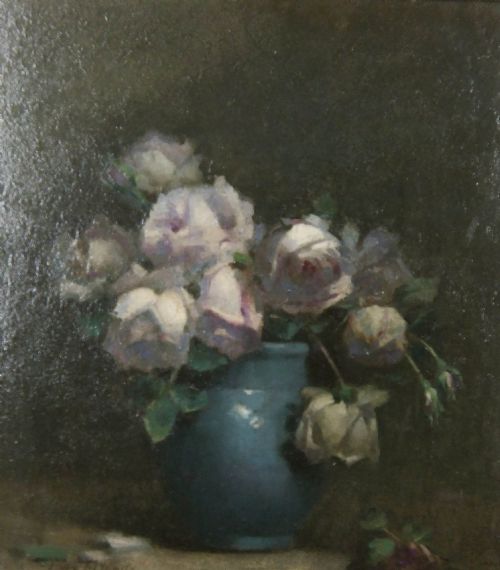
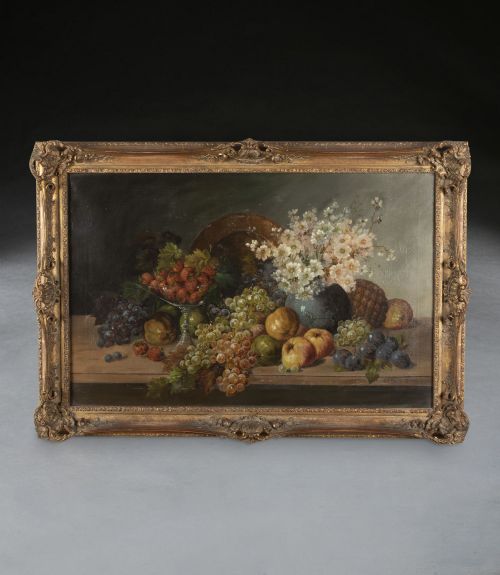
An edwardian botanical still life captures flowers and plants in oil and watercolour from the late nineteenth and early twentieth centuries. These paintings record floral subjects including roses, peonies, anemones, and summer flowers executed by British artists.
The pieces on this page span the Victorian and Edwardian eras through to the 1930s, reflecting shifts in British Impressionism and traditional fine art. Works appear on canvas, board, and paper, showing specific flower studies like polyanthus and pelargoniums.
Buyers meet paintings dated from 1890 through the 1930s, executed in oil paint and watercolour. Artists render blooms with varied handling, ranging from tight botanical precision to looser Impressionistic brushwork.
How edwardian botanical still life pieces were made
Artists painted these works using oil paint on canvas and board, or watercolour on paper. Supports included prepared wooden boards, stretched canvas, and heavy paper sheets suited to fluid washes.
Framing typically involved wood surrounds that housed the canvas or paper support. Painters applied pigments with brushes to build up petal textures, foliage, and background depths.
Artists recorded named specimens like pelargoniums and polyanthus, ensuring Victorian window boxes live on in paint.
What varies in quality in edwardian botanical still life pieces
Quality rests on the handling of paint and watercolour, the accuracy of floral observation, and the strength of composition. Stronger works display confident brushwork and balanced arrangement rather than stiff technical recording.
The support material and condition of the pigment layer influence the visual impact. Works that retain vibrant colour and stable paint surfaces without heavy cracking represent the upper tier of the range.
Edwin Steele·William Thomas Wood·Gertrude Hayes·Lester Sutcliffe·Elizabeth T Sutcliffe·Alice Macallan Swan·Annie Mary Youngman·Edith Alice Andrews·Louisa Mary Bancroft
The Edwardian Botanical Still Life Glossary
- Oil on Canvas
- A painting executed with oil-based pigments upon a stretched woven fabric support. This medium allows for rich colour layering and visible brush texture.
- Watercolour
- A painting method where water-soluble pigments are applied to paper. It produces translucent washes and delicate botanical details.
- Oil on Board
- A painting created with oil colours applied to a rigid wooden or composition panel. This provides a firm surface for direct painting techniques.
- British Impressionism
- A painting style developed in Britain around the turn of the twentieth century that uses loose brushwork and natural light. Artists working in this mode prioritized atmosphere over rigid academic finish.
- Art Nouveau
- An international style of art and design prominent around 1900 characterised by organic lines and floral motifs. In painting, it influenced decorative approaches to natural subjects.
Edwardian Botanical Still Life: Frequently Asked Questions
What is an edwardian botanical still life?
An edwardian botanical still life is a painting depicting flowers, plants, and natural arrangements created during the late nineteenth and early twentieth centuries. These works focus on specific botanical subjects rendered in oil or watercolour.
Artists of this period recorded familiar garden flowers such as roses, peonies, and anemones. The style bridges traditional Victorian illustration and later British Impressionist freedom.
How should I display an edwardian botanical still life?
These paintings suit traditional and contemporary domestic interiors, often hung in living rooms, hallways, or studies. Pairing them with wooden furniture complements their period frames and organic subjects.
Protect watercolour works from direct sunlight to prevent fading of the pigments. Oil paintings on canvas or board tolerate ambient light well but benefit from stable indoor humidity.
How do I date an edwardian botanical still life?
Dating relies on stylistic clues, artist signatures, and the physical materials of the support and frame. Works from this grouping span the 1890s through the 1930s, encompassing Victorian and Edwardian aesthetics.
Canvas stamps, paper watermarks, and stretcher construction provide additional chronological markers. Comparing signature styles with recorded artist working dates helps narrow the period.
What subjects appear in these paintings?
The works feature cut flowers, garden bouquets, and potted plants arranged for artistic study. Common floral subjects include white roses, late summer roses, peonies, anemones, polyanthus, pelargoniums, lilac, and spring flowers.
Some compositions focus on single stems, while others present full vases or gathered bunches. The selection reflects contemporary British interest in domestic horticulture and garden floriculture.