
Antique Botanical Canvas
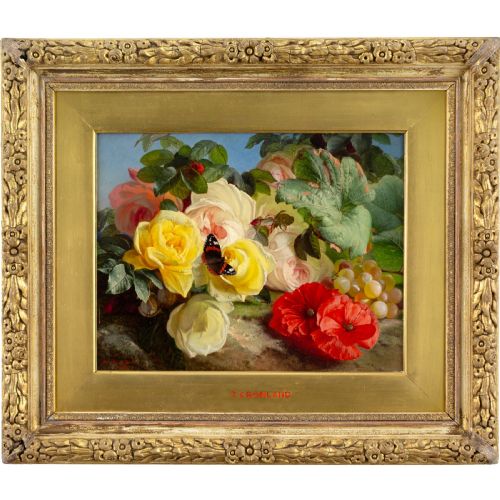
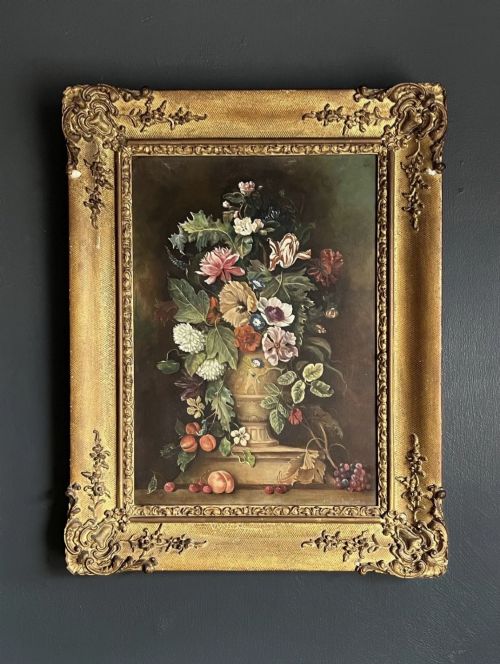
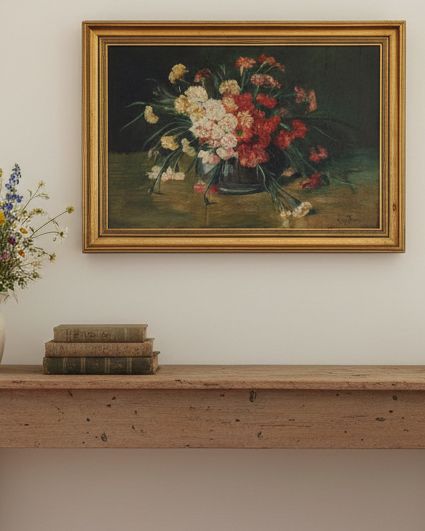
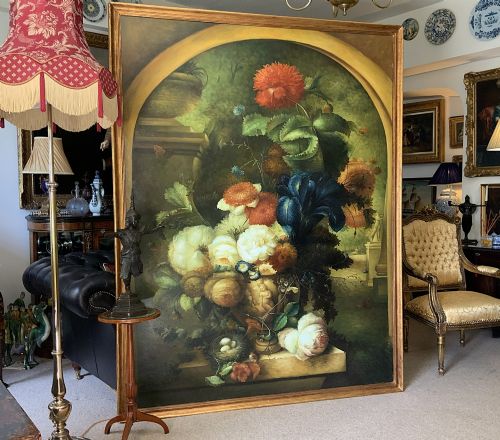
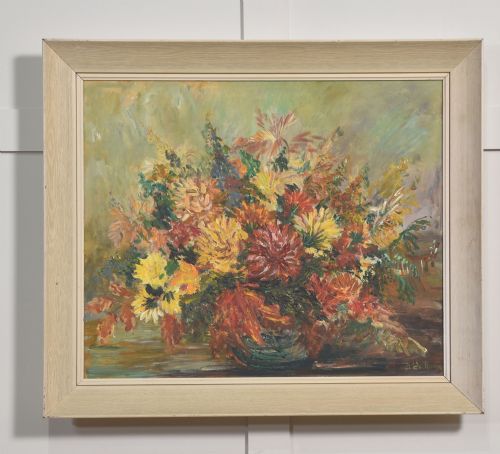
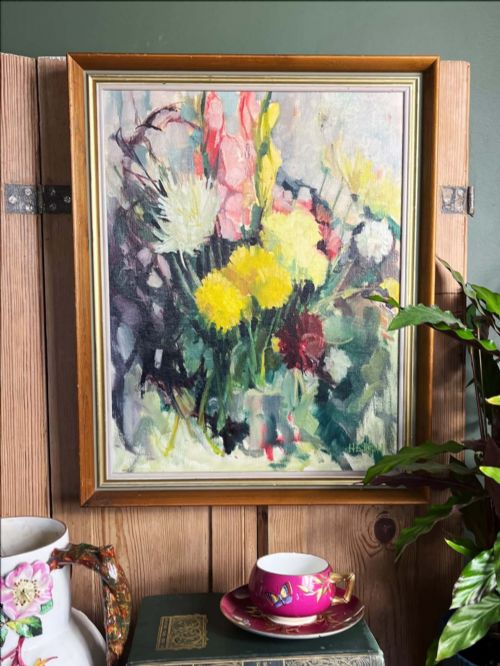
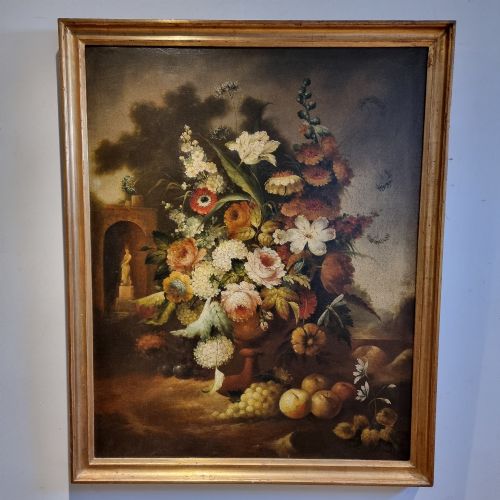
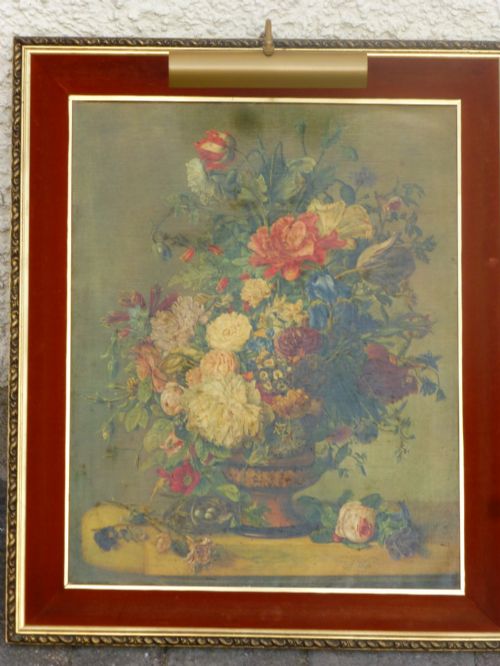
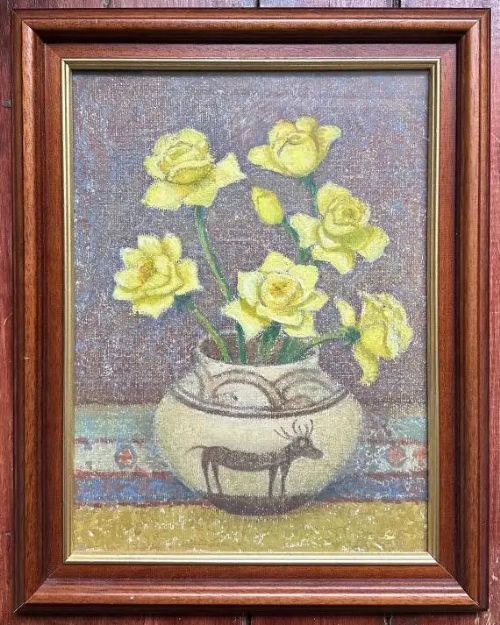
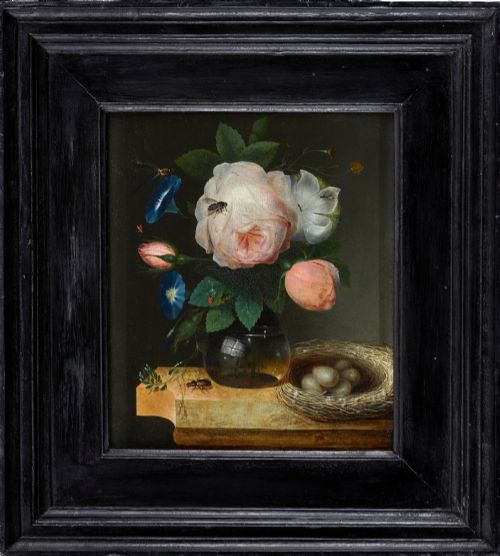
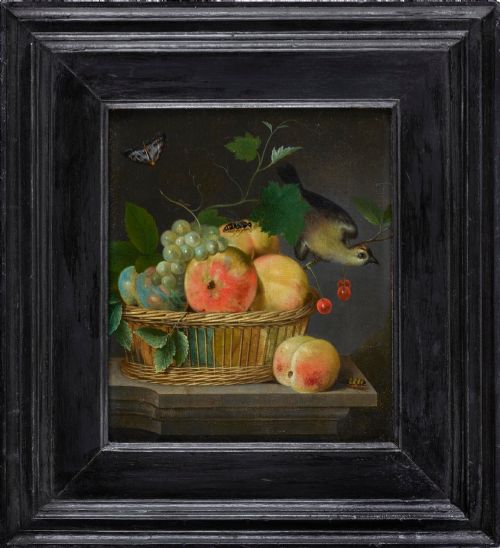
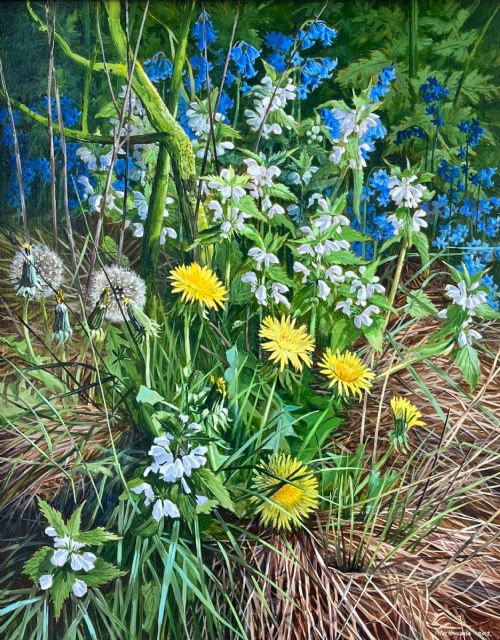
When you search for antique botanical canvas, you are looking at oil paintings on canvas depicting flowers, plants, and fruit.
Antique Botanical Canvas
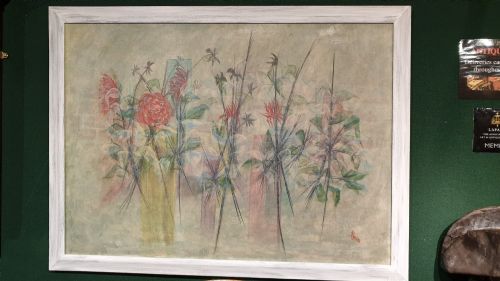
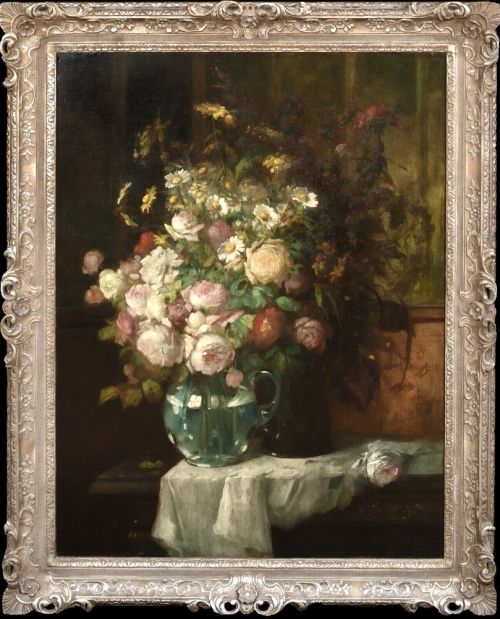
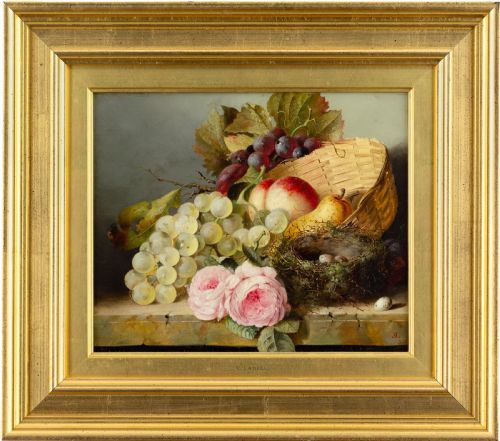
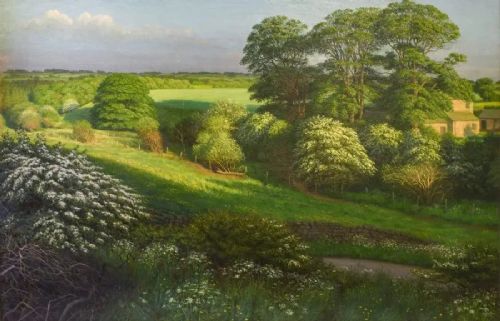
Antique botanical canvas works primarily comprise oil paintings on canvas depicting floral still lifes, roses, poppies, fruit, and garden scenes. These pieces span centuries from the seventeenth century through the mid twentieth century, encompassing styles such as Victorian, Dutch Golden Age Style, Flemish Baroque, Impressionism, Post Impressionism, and Art Deco.
The most common formats you will encounter on this page are framed oil paintings and wall art, alongside occasional folding screens and room dividers. Subjects range from simple vases of flowers and terracotta pots to monumental floral compositions and garden water lilies.
Origins represented in these works include British, French, Dutch, Austrian, and Flemish traditions, showing both signed original compositions and period interpretations of earlier styles.
How they were made
The works recorded here are executed primarily in oil paint applied to canvas supports, often stretched over wooden frames. Many examples incorporate wooden surrounds finished with gesso, gold leaf, or carved pine details.
Techniques range from the detailed realism of seventeenth century Dutch and Flemish traditions to the looser brushwork of British Impressionism, Post Impressionism, and Art Deco painting. The combination of oil paint and canvas allowed artists to build rich textures and deep colour layering for botanical subjects.
Listings feature oil on canvas works spanning the 17th century to the 1950s, utilising wood, gesso, and gold leaf.
What varies in quality
Quality in these oil paintings rests on the skill of the brushwork, the depth of composition, and the handling of light within floral and fruit subjects. Works by named artists or established regional traditions often show superior handling of botanical detail and colour balance compared to anonymous studio pieces.
The physical housing also contributes to the overall standard, with period gilt gesso frames and carved wooden surrounds offering varying degrees of craftsmanship and preservation that complement the canvas within.
Theude Grönland·Konstantin Stoitzner·Edward Ladell·Gaspar Peeter Verbruggen·Edwin Steele·William Thomas Wood·Owen Bowen·Gertrude Hayes·Simon Pietersz Verelst·A Nikolokov·William Duffield·Calzolari·Freda Marston·Henry Schouten
The Antique Botanical Canvas Glossary
- Canvas
- A heavy woven fabric used as a surface for oil painting. It provides the foundational texture visible beneath many period botanical artworks.
- Gesso
- A plaster mixture applied to wood frames as a base for gilding or painting. It creates a smooth surface for decorative mouldings.
- Gilded Wood
- Wood treated with a thin layer of gold leaf or metallic powder. This technique enhances picture frames and wall art surrounds.
- Impressionism
- A nineteenth century painting movement focused on light and visible brushstrokes. Artists captured outdoor scenes and garden flowers with loose application.
Antique Botanical Canvas: Frequently Asked Questions
What periods do these botanical canvas paintings cover?
The listings span from the seventeenth century through the eighteenth, nineteenth, and early twentieth centuries up to the 1950s.
You will find works reflecting historical movements like Flemish Baroque alongside later Impressionist and Art Deco interpretations.
Are these works painted on fabric or wood panels?
The primary support recorded across these listings is canvas, utilising oil paint applied directly to the woven material.
Many of these canvases are housed within their original or period wooden frames, some featuring gesso and gold leaf finishes.
How do I identify a Dutch Golden Age style painting?
Dutch Golden Age style works typically focus on detailed floral arrangements, fruit baskets, and botanical specimens rendered with traditional oil techniques.
These compositions often emphasise rich textures and natural lighting reminiscent of seventeenth century Flemish and Dutch masters.
Where were these artists from?
The artists represented span various European traditions, including British, French, Dutch, Austrian, and Flemish painters.
This geographic spread introduces diverse regional approaches to botanical and still life subjects across different centuries.