





Edwardian Bookcase Base
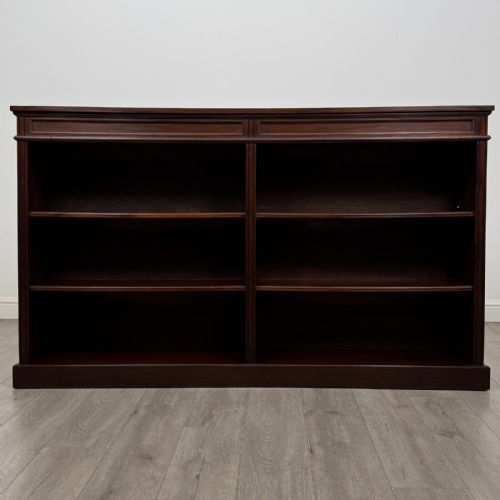
These edwardian bookcase base examples are sturdy lower storage cabinets designed to anchor a larger library set-up or stand alone as functional furniture.
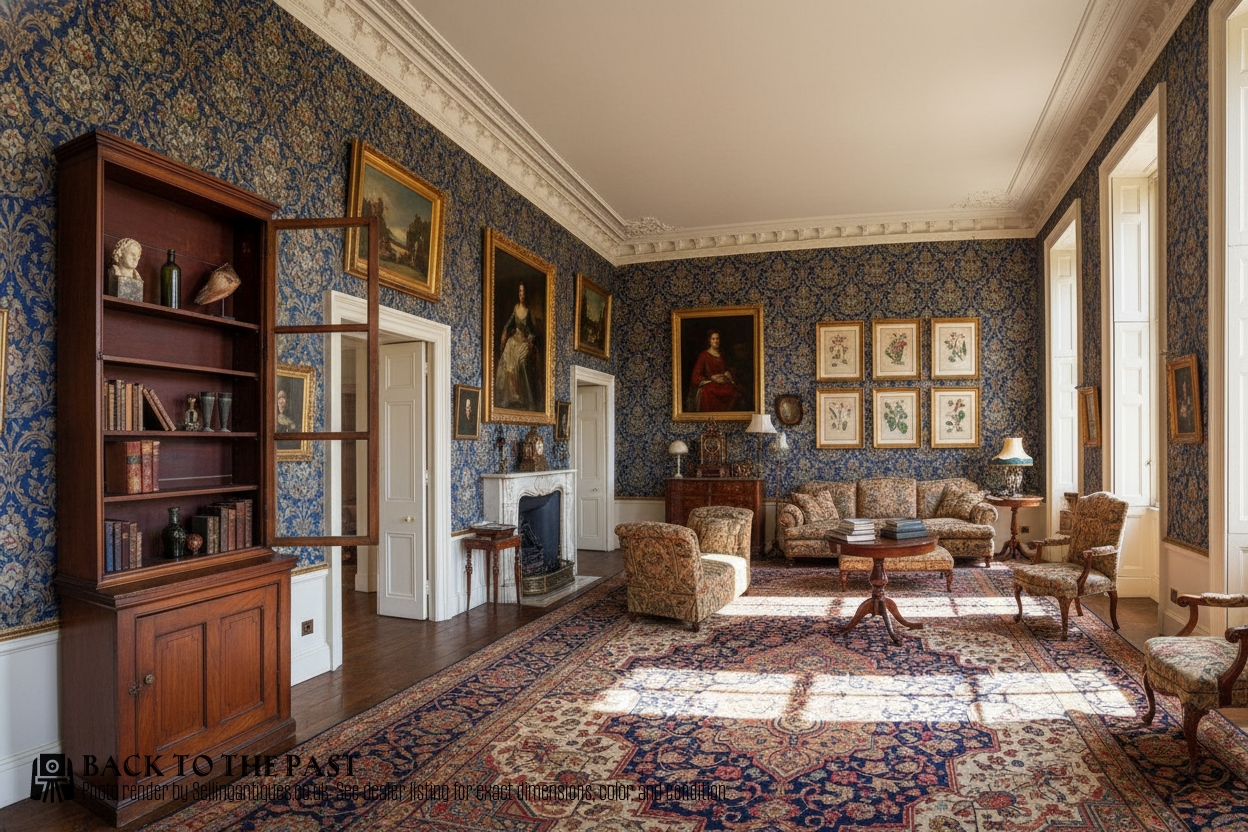
Edwardian Bookcase Base
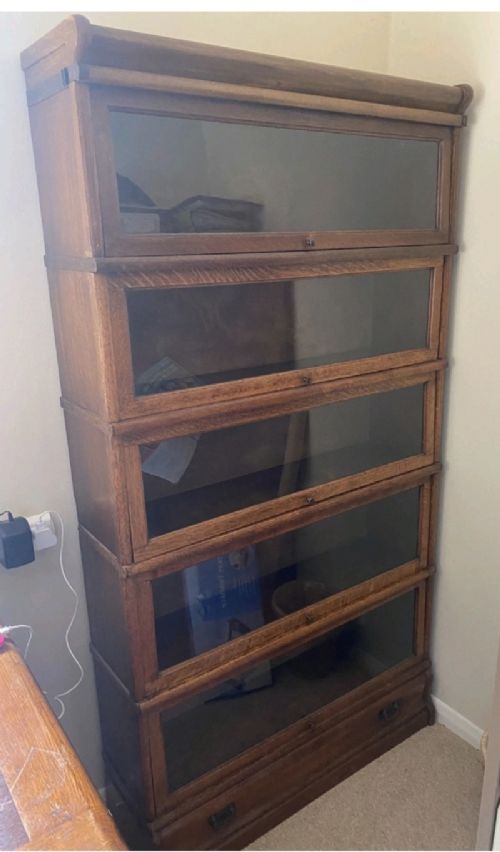
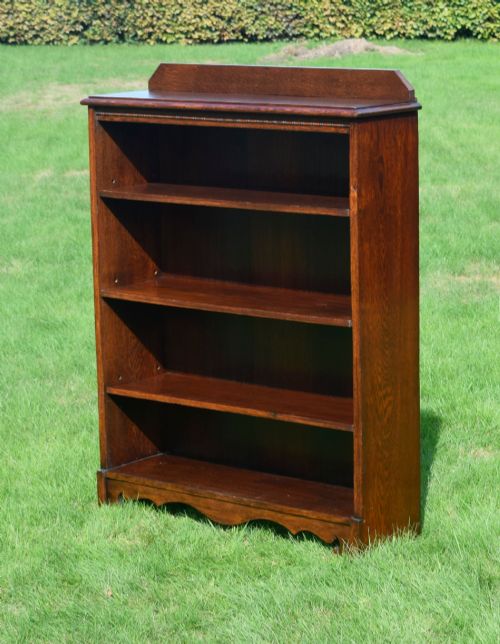
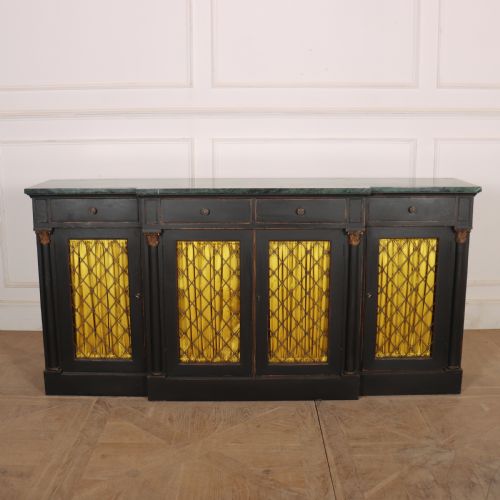
When buyers search for an edwardian bookcase base, they encounter robust timber units that typically feature enclosed cupboard storage beneath a surface or shelving tier. The listings show forms ranging from fitted cupboard base bookcases to standalone revolving bases and side cabinets.
Most examples meet on this page hail from the Edwardian period or the early twentieth century, alongside nineteenth-century precursors in mahogany, oak, and walnut. These pieces provide heavy-duty utility while maintaining the proportions characteristic of formal period interiors.
How they were made
Cabinet makers constructed these cupboard bases using solid timbers such as oak and mahogany, often applying flame mahogany veneer or burr walnut to prominent surfaces. Satinwood banding and intricate inlay work frequently decorate the Edwardian iterations.
Metal hardware such as brass handles and iron support mechanisms feature in the revolving and cabinet designs, adding structural stability and functional movement to the heavier wooden frames.
Edwardian Bookcase Base Retail Price Guide 2026
Typical asking prices for edwardian bookcase base among the pieces listed under this phrase on Sellingantiques today, from the lower quarter to the upper quarter. They describe what is for sale here now, not the wider market.
Period styles represented on this page include Edwardian, Victorian, Georgian, Regency, William IV, and Jacobean Revival.
What varies in quality
The sophistication of the timber selection and decorative detailing distinguishes finer examples from simpler utilitarian workshop output. Finer pieces display carefully matched veneers and delicate satinwood banding, whereas simpler ones rely on plain solid oak or mahogany.
The integrity of the internal shelving and the smoothness of any revolving mechanism dictate the practical standing of each piece. Superior craftsmanship shows in the seamless integration of cupboard doors and the weight of the underlying brass or iron framework.
Waring & Gillow
The Edwardian Bookcase Base Glossary
- Breakfront
- A cabinet design where the central section projects forward from the flanking outer sections. This configuration adds architectural depth to larger library furniture.
- Revolving bookcase
- A rotating table-height or floor-standing bookcase designed to give easy access to books from any angle. Many Edwardian versions utilise metal or iron bases for smooth rotation.
- Cupboard base
- The enclosed lower storage section of a larger bookcase or dresser, usually fitted with wooden doors. It provides concealed storage beneath open or glazed upper shelves.
- Satinwood banding
- A decorative inlay technique using narrow strips of pale satinwood to edge darker timbers like mahogany. This method creates a sharp contrast popular in Edwardian cabinetry.
- Flame mahogany veneer
- A figured wood veneer cut from the branch junction of a mahogany tree to create a distinctive flickering flame pattern. It covers primary display surfaces on higher-end pieces.
Edwardian Bookcase Base: Frequently Asked Questions
What is an edwardian bookcase base?
An edwardian bookcase base is a sturdy lower storage unit, often featuring cupboards, designed to support upper shelving or function as a standalone cabinet.
These pieces reflect the practical storage needs of early twentieth-century homes while utilising traditional cabinet-making materials like mahogany and oak.
How were these bases used historically?
They served as foundational furniture in libraries and studies to house heavy volumes and conceal reference materials behind wooden doors.
Some rotating variations were placed beside armchairs for immediate access to frequently read books.
How do I style an edwardian bookcase base today?
You can position a cupboard base beneath a wall-mounted television or use the top surface to display lamps and decorative objects.
Revolving versions work effectively beside sofas or desks where floor space allows for complete rotation.
How do I tell an Edwardian piece from a Victorian one?
Edwardian furniture often displays lighter timbers, subtler satinwood banding, and less ornate carving compared to heavier Victorian precedents.
Early twentieth-century pieces also frequently incorporate metal bases in revolving designs.