
Edwardian Book Display
When you search for an edwardian book display, you are looking at clever furniture designed to show off volumes and decorative objects together.
Edwardian Book Display
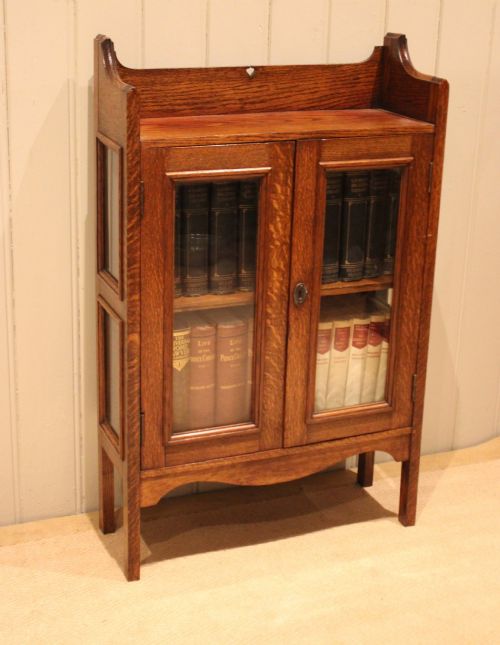
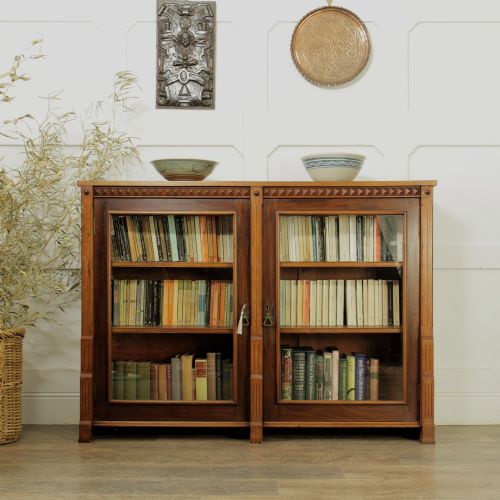
An edwardian book display combines the storage of a traditional bookcase with the glazed viewing areas of a cabinet. These pieces bridge the gap between working libraries and formal sitting rooms.
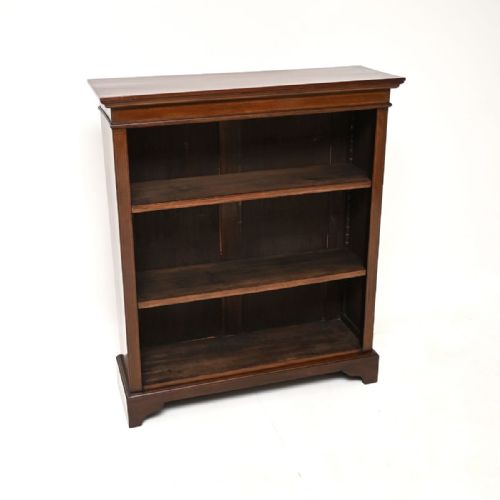
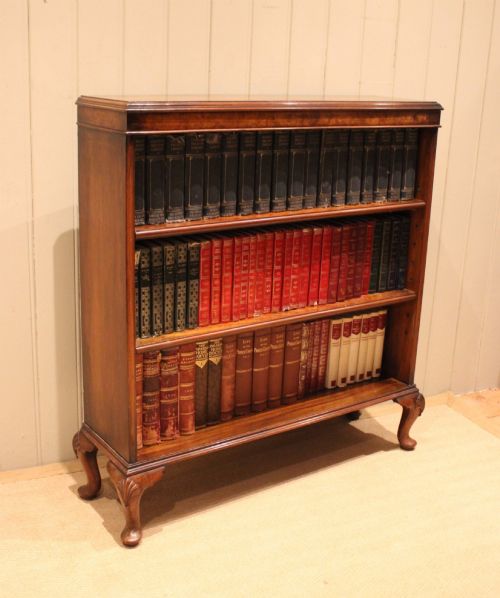
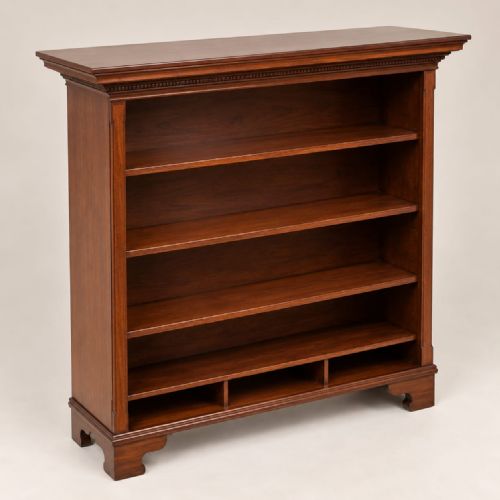
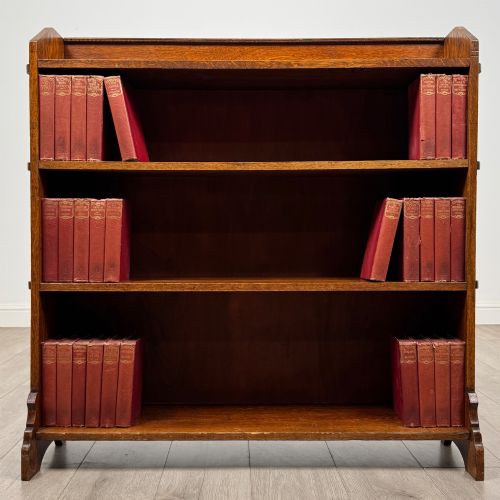
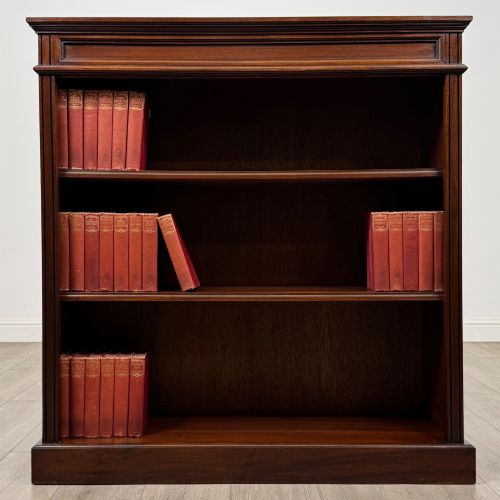
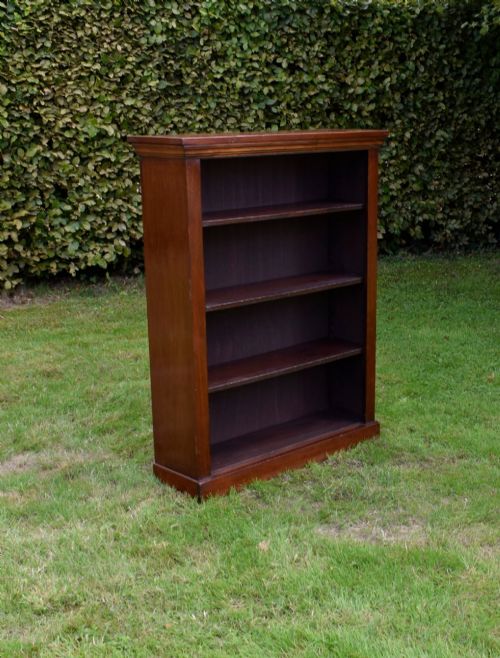
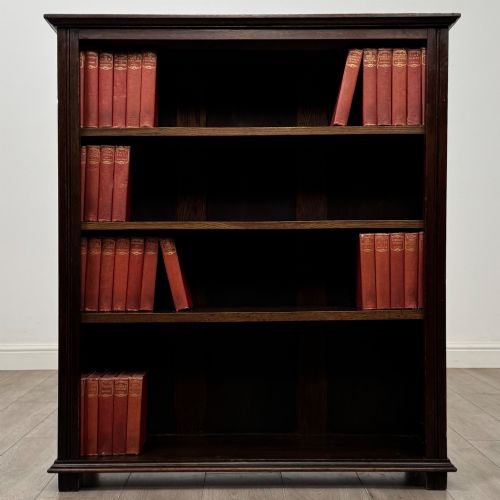
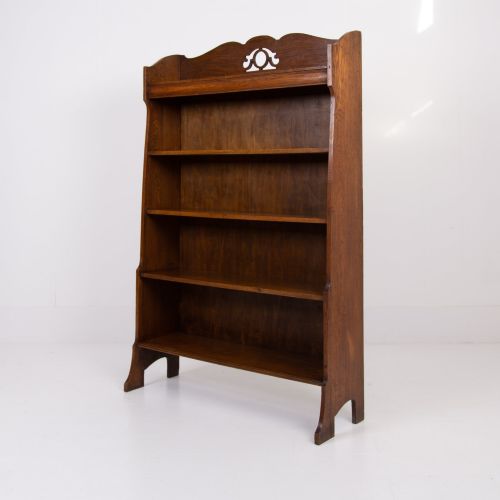
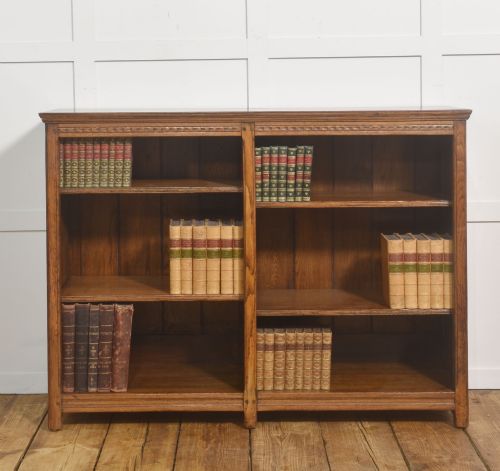
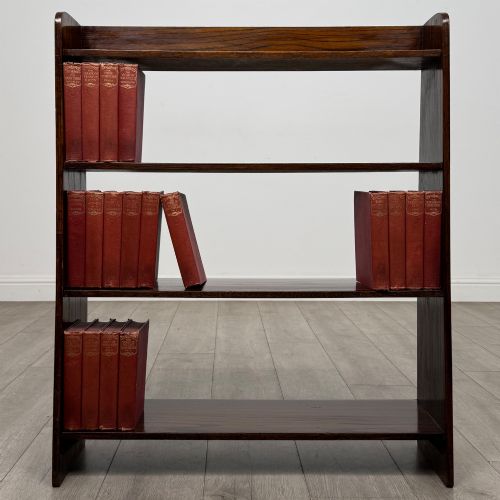
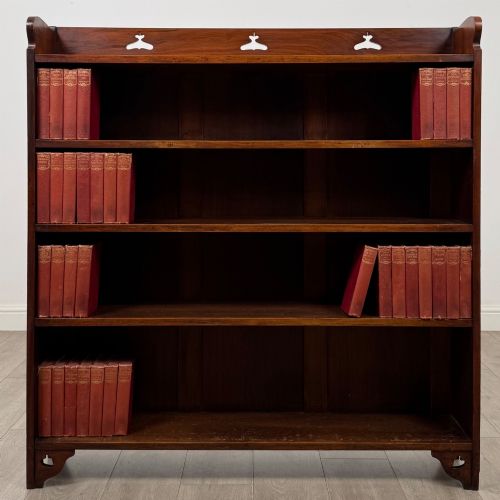
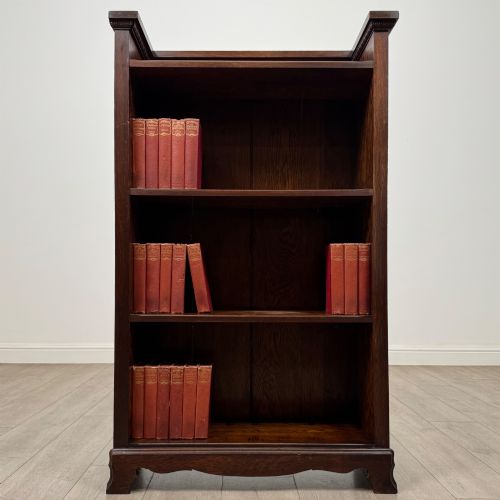
You will most frequently encounter open mahogany bookcases and glazed oak cabinets from the early twentieth century. Variations include revolving designs, tall breakfront library pieces, and smaller whatnots.
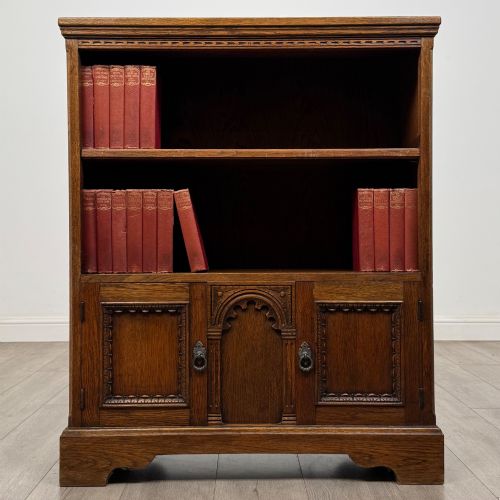
The aesthetic borrows heavily from earlier periods, yielding Jacobean revival oak alongside inlaid satinwood and mahogany creations. Proportions tend towards neat, manageable sizes suited to domestic interiors.
Materials and construction
Makers relied primarily on solid oak and rich mahogany timbers, occasionally utilising walnut, satinwood, and burl veneers for decorative effect. Brass hardware provides functional detailing on doors and adjustable shelf mechanisms.
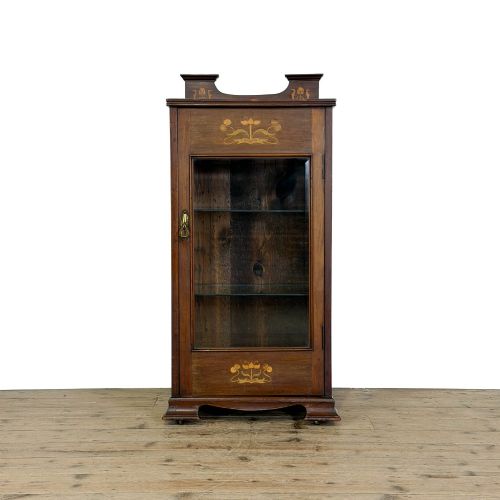
Glass panels are integral, ranging from plain fitted panes to astragal-glazed grids and leaded lights. Inlay work incorporates contrasting woods and marquetry motifs to accent the structural lines.
Listings feature extensive use of solid oak and mahogany alongside glazed and open formats spanning the Edwardian era.
Assessing craftsmanship
Quality reveals itself in the selection of timber figures, such as highly grained walnut or flamed mahogany, paired with crisp marquetry inlay. Subtleties in wood choice separate standard workshop output from exceptional commissions.
Joinery execution dictates longevity, visible in tightly fitted glazed doors, smoothly operating adjustable shelves, and solid backboards rather than thin plywood. The presence of makers' badges or stamps further elevates a piece.
T. Inglesant & Sons Leicester·Maple & Co
The Edwardian Book Display Glossary
- Astragal-glazed
- Glazed doors divided into small glass panes by wooden framing strips called astragals. This technique creates a distinct grid pattern across the display front.
- Breakfront
- A cabinet design where the central section projects forward from the flanking wings. It adds architectural depth to larger library bookcases.
- Whatnot
- A set of open shelves supported by slender pillars, designed for displaying ornaments and small books. They appear frequently in corners or against narrow walls.
- Marquetry
- Decorative veneer work forming pictures or patterns using various tinted woods. It is often seen on the friezes and door panels of finer pieces.
- Revolving bookcase
- A compact, low bookcase mounted on a hidden turntable base. It allows multiple books to be accessed easily from a stationary seating position.
Edwardian Book Display: Frequently Asked Questions
Can shelves be adjusted?
Many examples feature adjustable wooden shelving supported by rows of metal pins or wooden ratchets. This allows the internal height to accommodate varying book sizes.
Simpler open configurations sometimes feature fixed shelving built directly into the structural uprights during initial construction.
Are the glass doors original?
Original glazing typically exhibits minor surface ripples, small air bubbles, and slight thickness variations consistent with early manufacturing techniques. Replacement glass often appears too flat and uniform by comparison.
Examining the putty or wooden glazing beads from the interior helps confirm whether the panes have remained undisturbed since manufacture.
How do I care for polished wood?
Maintain polished mahogany and oak surfaces by dusting regularly with a soft, dry lint-free cloth. Avoid placing timber furniture near direct heat sources or strong sunlight to prevent warping and fading.
Applying a traditional beeswax periodically nourishes the grain without building up heavy synthetic residues that dull the original finish.
Where should I place a cabinet?
These display pieces suit living rooms, studies, and hallways where their glazed fronts protect volumes from dust while maintaining visibility. Ensure the floor is level so doors align correctly on their hinges.
Allow adequate clearance if you select a revolving model or a piece with hinged doors that swing outward into the room.