


Edwardian Blush Ivory Porcelain
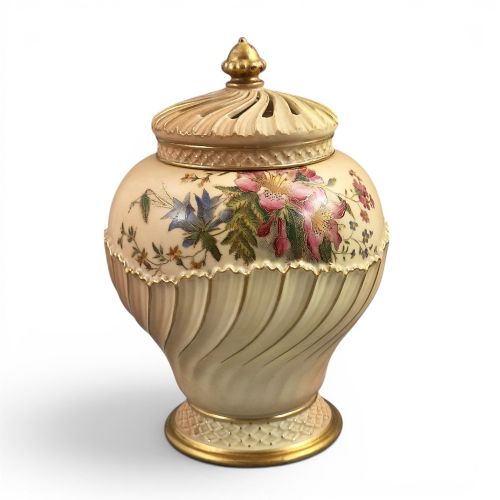
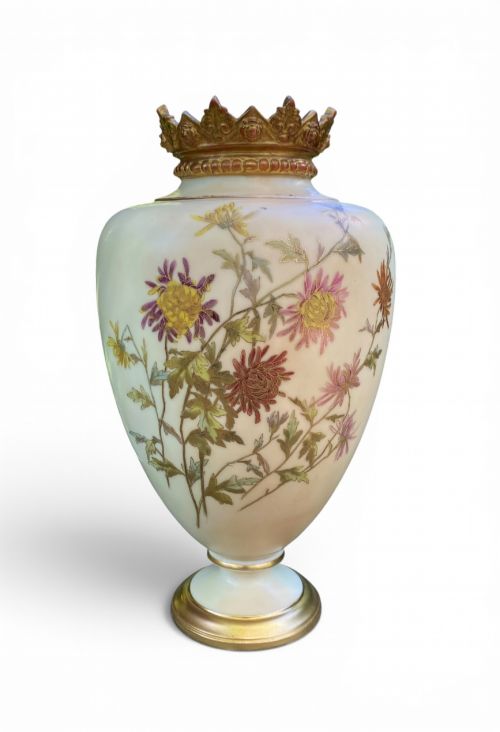
Edwardian blush ivory porcelain brings soft pastel cream bodies and delicate hand-painted flora into domestic spaces with quiet elegance.
Edwardian Blush Ivory Porcelain
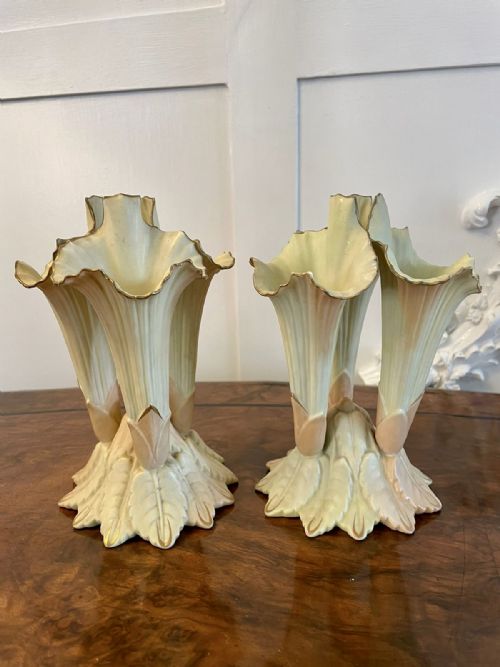
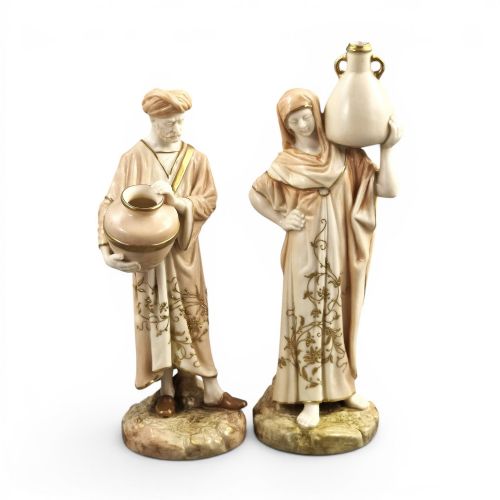
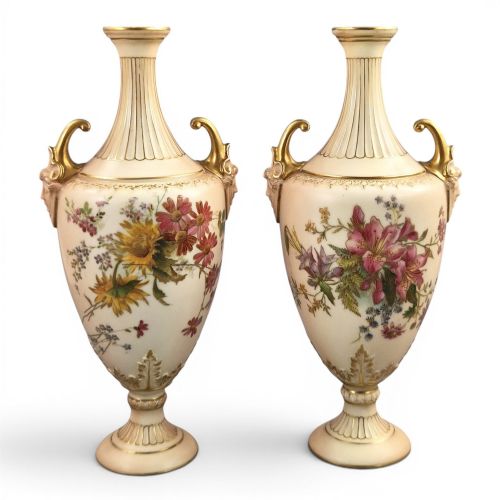
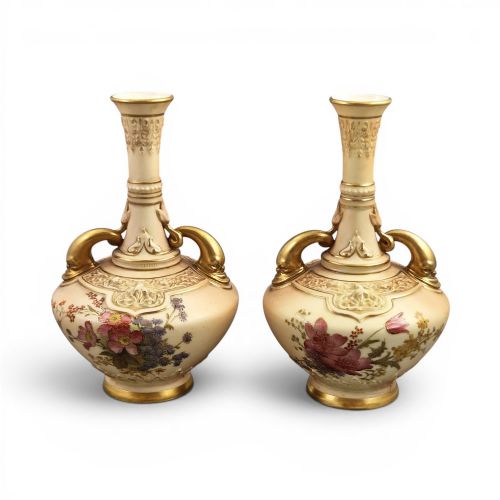
Edwardian blush ivory porcelain centres on ceramic wares finished in the characteristic warm, tinted cream glaze developed during the late nineteenth and early twentieth centuries. These items include vases, spill vases, pot-pourri jars, jugs, pitchers, figurines, jardiniere stands, and tea trios spanning the Edwardian era, 1900, 1910, 1920, 1890, and the nineteenth century. Victorian, late Victorian, Victorian Aesthetic Movement, and Art Nouveau styles influence the decorative forms.
The most common versions met on this page are Royal Worcester pieces decorated with floral sprays, gilded details, and gold leaf accents. Alongside them appear works by Locke and Co. and Royal Dux figures, showing how varied the production was while keeping to the pale ivory palette.
How they were made
Potters formed these items from ceramic porcelain bodies, applying a specialised tinted glaze that produced the matte or satin blush ivory surface. Artisans then hand-painted botanical motifs, including chrysanthemums and garden flowers, directly onto the unfired or partly fired ground.
Gilding, gold leaf, and enamel were added by hand to edges, handles, and raised motifs, before final kiln firing fixed the metallic and chromatic details permanently to the porcelain.
Someone thought it entirely sensible to extinguish candles with a porcelain bust of Mrs Caudle wearing her nightcap.
What varies in quality
Quality rests in the crispness of the porcelain moulding, the delicacy of the hand-painted floral details, and the preservation of the delicate blush ivory glaze. Pieces featuring signed work by recognised painters or intricate pierced gilt handles stand apart from standard production items.
The precision of the gilding and the balance of the painted sprays define the upper tier of these ceramics. Heavier, uninspired decoration or worn gilt edges place examples lower down the scale.
Royal Worcester·Locke And Co·Royal Dux
The Edwardian Blush Ivory Porcelain Glossary
- Blush ivory
- A soft cream-coloured ceramic glaze developed to mimic ivory, serving as the pale background for hand-painted floral decoration. It gives these wares their distinct warm tone.
- Gilding
- The application of gold leaf or gold paint to edges, handles, and decorative motifs. This metallic highlight frames the soft ivory body.
- Pot-pourri
- A decorative jar or vase featuring a pierced cover designed to release the scent of dried flower petals held inside. These vessels often sit on pedestals.
- Spill vase
- A tall, narrow container made to hold wooden spills used for lighting fires or pipes. They frequently match pairs on mantelpieces.
- Tea trio
- A matching set consisting of a teacup, saucer, and tea plate. They showcase the finer painted patterns made for domestic dining.
Edwardian Blush Ivory Porcelain: Frequently Asked Questions
What is blush ivory porcelain?
Blush ivory porcelain is a type of ceramic ware featuring a soft, tinted cream glaze designed to imitate natural ivory. It gained immense popularity around the turn of the twentieth century.
Artisans used this warm matte or satin ground as a canvas for hand-painted floral sprays and delicate gilding.
How were these pieces used?
These items served various decorative and functional purposes in Edwardian homes, from displaying cut flowers in spill vases to scenting rooms with pot-pourri jars. Tea trios and jugs were utilised during formal afternoon dining.
Many objects were purely ornamental, designed to sit on mantelpieces, pedestals, or cabinets as statements of refinement.
How do I care for blush ivory porcelain?
These ceramic pieces require gentle handling, keeping them away from harsh chemical cleaners or abrasive scouring pads that can damage the delicate glaze and gold leaf. Dusting them softly with a dry cloth preserves the painted surface.
Because the glaze is porous compared to modern vitrified china, they should be kept away from liquids for long periods.
How can I tell the period?
Dating relies on maker marks stamped or painted on the underside of the porcelain, which often use dots, ciphers, or changing crown symbols to indicate exact years. Stylistic clues like Art Nouveau curves or Victorian aesthetic shapes also help narrow down the decade.
Comparing the complexity of the hand-painted flora and the specific shape numbers aids in placing the piece within the late nineteenth or early twentieth century.