
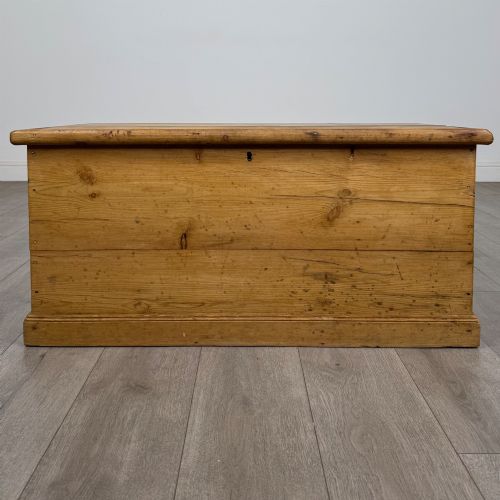
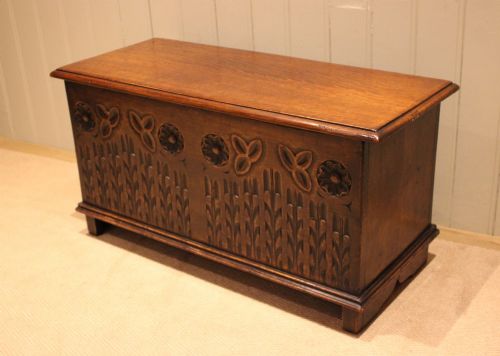
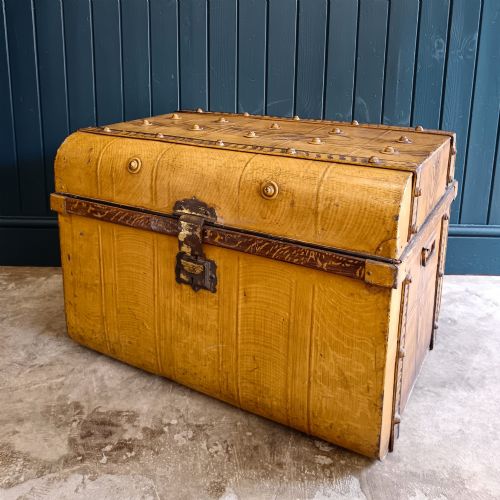
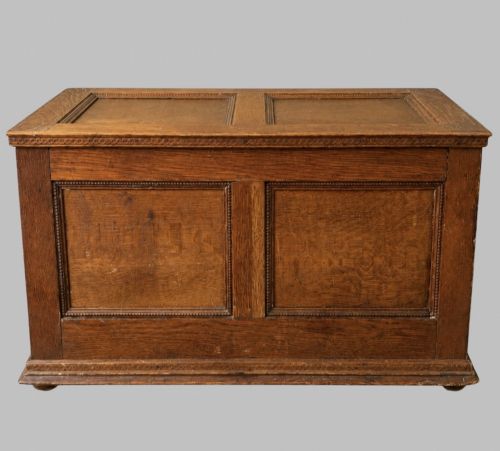
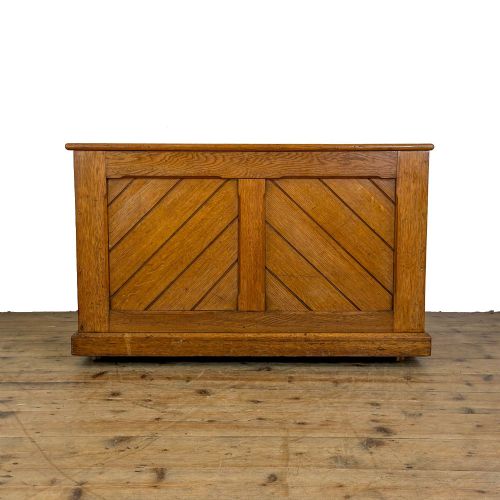
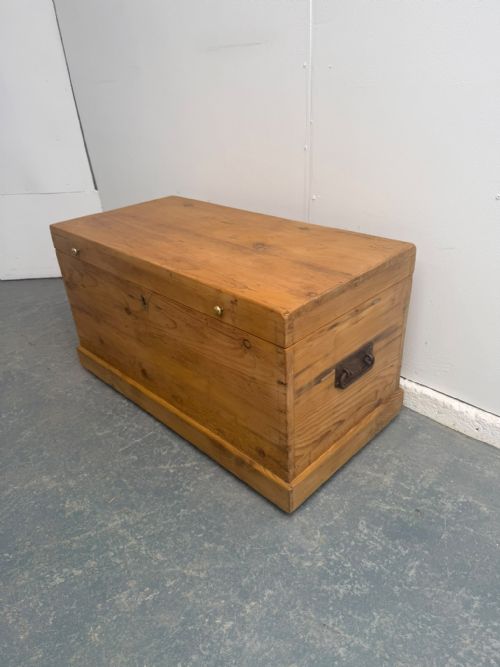


Edwardian Blanket Trunk
An Edwardian blanket trunk gives you practical storage with honest period character, using sturdy timbers and metal mounts.
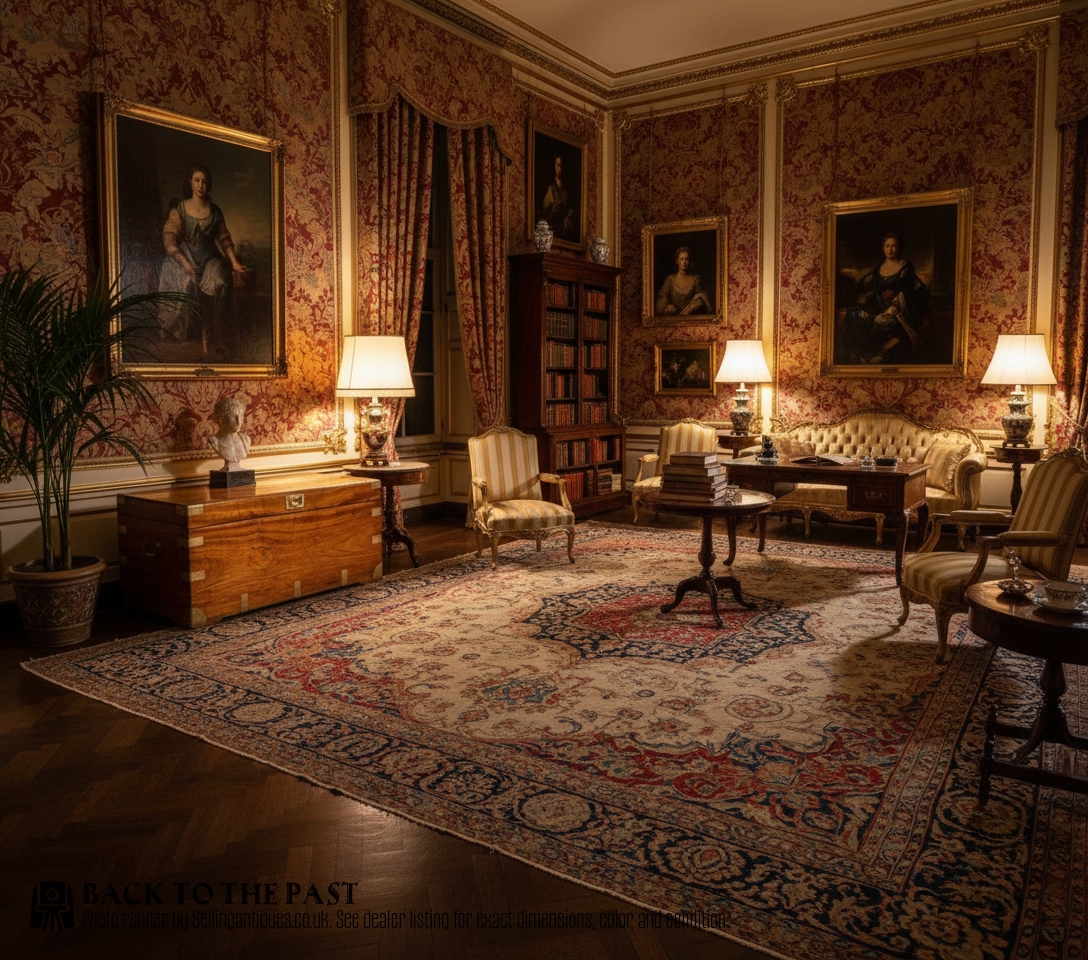
Edwardian Blanket Trunk
An edwardian blanket trunk serves as a sturdy storage box designed to hold textiles and household linens. These pieces range from solid oak chests to canvas-covered travel luggage and campaign trunks.
You will most frequently meet oak blanket chests and camphor wood trunks from the early twentieth century on this page. Many examples share traits with Victorian blanket boxes and campaign chests.
The selection includes rustic farmhouse coffers, leather ottomans, and metal-bound steamer trunks. Each form reflects the travel and storage needs of the late nineteenth and early twentieth centuries.
How they were made
Cabinet makers utilised dense hardwoods such as oak, mahogany, and camphor wood to construct the primary bodies of these trunks. These timbers provided the structural strength needed for heavy household use and travel.
Metal reinforcement played a vital role in protecting corners and edges during transit. Iron and brass fittings, locks, and binding straps were secured to wood panels using screws or rivets.
Outer surfaces were finished in various ways, ranging from waxed or polished grain to painted canvas, faux-wood finishes, and hand-dyed leather coverings.
Camphor wood chests retain their distinct moth-deterring scent after more than a century of service.
What varies in quality
The choice of primary timber and secondary framing determines the structural integrity of a trunk. Dense hardwoods and thick panel construction indicate a sturdier build than lighter, utilitarian packing boxes.
Hardware quality distinguishes standard travel luggage from high-grade military and campaign pieces. Heavy brass hinges, recessed carrying handles, and working lever locks marked better workshops.
Internal fitting and lining complexity set certain pieces apart. Trunks featuring fitted compartments, cedar or camphor wood linings, and original maker labels demonstrate superior original specification.
Aux Etats Unis·W Insall
The Edwardian Blanket Trunk Glossary
- Campaign chest
- A portable storage trunk built in sections with recessed brass handles for military officers on the move. These pieces are typically constructed from teak or camphor wood.
- Coffer
- A heavy wooden chest traditionally used for storing valuables or dry goods. Early examples often feature carved panels and joined framing.
- Steamer trunk
- A low-profile travel trunk designed to fit beneath a ship cabin berth. They frequently feature canvas or leather coverings over wooden frames.
- Silver chest
- A robust storage box lined to protect silverware, usually fashioned from oak with iron binding straps. Retailers and silversmiths often retailed these sturdy containers.
- Camphor wood
- An aromatic timber valued for its insect-repellent properties, commonly used for chests built for travel. The distinct scent protects stored woollens and blankets.
Edwardian Blanket Trunk: Frequently Asked Questions
What were blanket trunks used for originally?
These trunks stored heavy woollen blankets, household linens, and winter garments in domestic bedchambers. Keeping textiles enclosed protected them from dust and moths.
Travellers also utilised robust variants for personal luggage during railway journeys and ocean voyages. The sturdy construction endured rough handling by porters and ship crews.
How do I clean an old oak trunk?
Dust the exterior surfaces regularly using a soft, dry cloth to remove surface grit. Avoid modern chemical sprays that can damage historic waxed or polished finishes.
Feed dry wooden panels with traditional beeswax sparingly to maintain the lustre. Allow the wax to dry before buffing gently with a clean cloth.
Where should I place a trunk in my home?
Place a trunk at the end of a bed to hold spare bedding and pillows while serving as a seating bench. The flat top also functions well as a coffee table in a living room.
Keep wooden trunks away from direct heat sources and damp areas to prevent timber splitting or warping. Consistent indoor temperatures preserve the original joints and metal fittings.
How do I tell an Edwardian trunk from a Victorian one?
Edwardian trunks often display simpler, lighter proportions influenced by Arts and Crafts design principles. Darker, heavier iron-bound oak boxes usually date to the Victorian era.
Examine the construction joints and any remaining hardware or lining papers for clues. Earlier pieces frequently employ hand-cut dovetails and simpler locking mechanisms.