



Edwardian Bird Painting
Edwardian bird painting captures avian life through delicate watercolours, oils, and ceramics spanning the late nineteenth and early twentieth centuries.
Edwardian Bird Painting
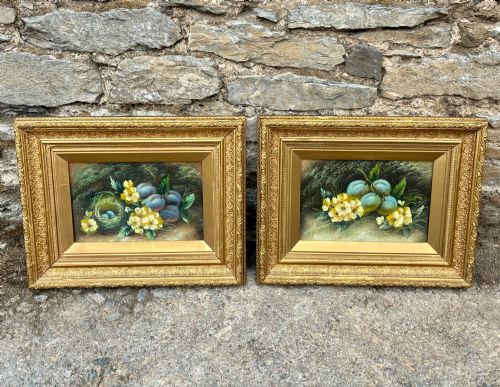
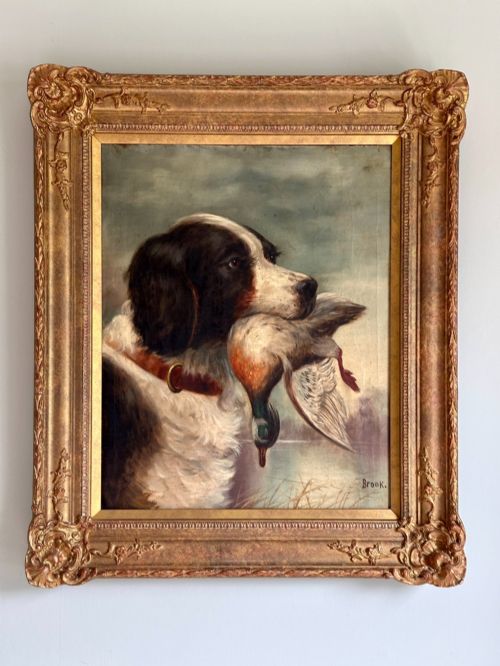
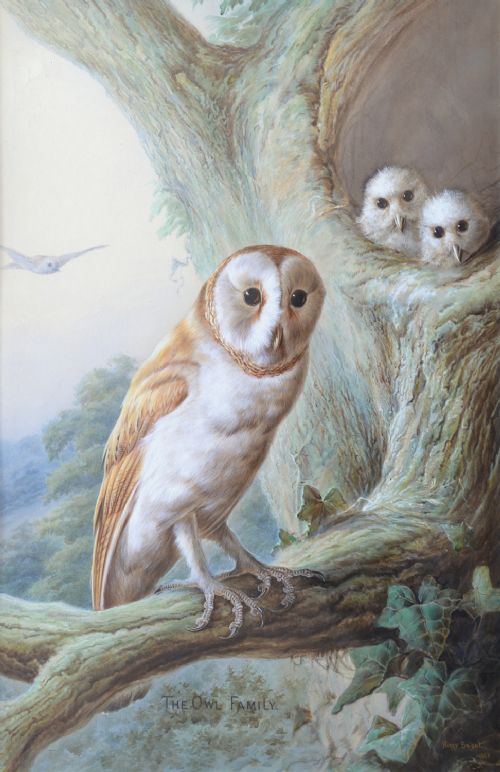
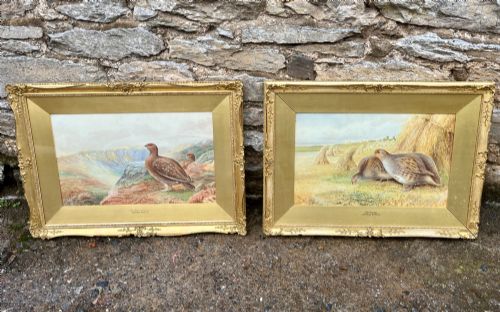
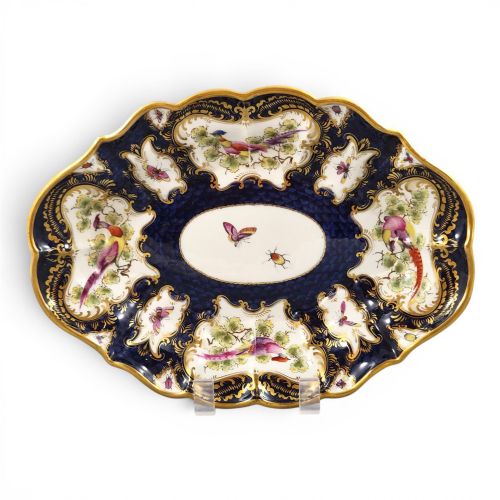
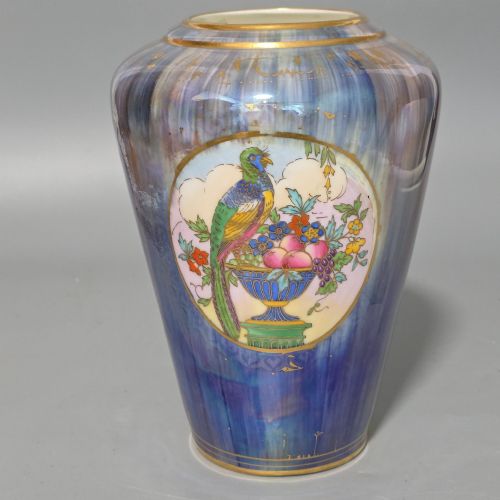
Buyers encounter framed watercolours of individual birds, oil paintings on canvas, and porcelain cabinet pieces bearing meticulous hand-painted plumage. These works bridge natural history illustration and fine art, reflecting the era's fascination with the natural world.
How they were made
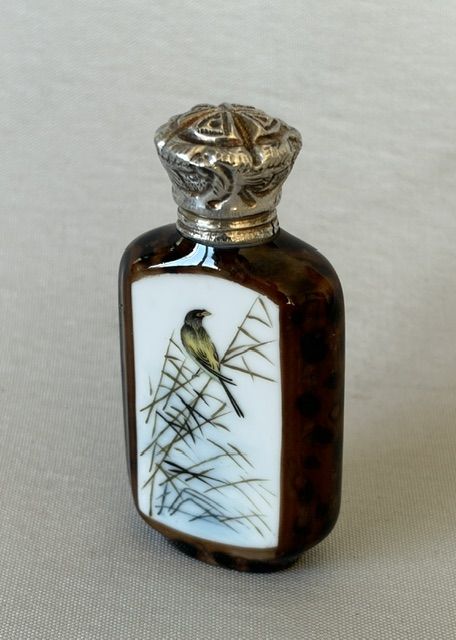
Artists and decorators applied paint, enamel, and gold leaf onto paper, canvas, and porcelain surfaces using fine brushes to capture intricate feather details. Porcelains underwent high-temperature firing before receiving hand-painted designs by factory artists, whilst works on paper utilised watercolour pigments.
Paints and enamels were layered carefully to achieve naturalistic colouration, often finished with protective glazes on ceramic bodies or framing behind glass for works on paper.
The selection includes works by notable bird painters alongside decorative ceramics from factories such as Royal Worcester and Royal Crown Derby.
What varies in quality
Quality rests upon the precision of the brushwork and the anatomical accuracy of the subject depicted. Master painters captured posture and feather texture with striking realism, whereas standard items display stiffer execution.
The renown of the artist or the prestige of the porcelain manufacturer elevates the piece, alongside the preservation of the painted surface free from fading or restoration.
Franz Bergman·George Rankin·E H Windred·Albert Shuck·James Stinton·Grainger and Co·Royal Worcester·Royal Crown Derby·Coalport
The Edwardian Bird Painting Glossary
- Cabinet plate
- A decorative ceramic plate intended for display rather than dining, frequently hand-painted with avian subjects.
- Watercolour
- A painting method where fine pigment is suspended in a water-based solution, commonly applied to paper.
- Enamel
- A durable decorative coating fused to porcelain or metal through firing, providing brilliant gloss and colour.
- Porcelain
- A fine ceramic material fired at high temperatures, offering a smooth white ground ideal for detailed painting.
- Provenance
- The documented history of ownership that establishes the authenticity and origin of an artwork.
Edwardian Bird Painting: Frequently Asked Questions
How do I clean an antique watercolour?
Works on paper require professional conservation rather than home cleaning to prevent moisture damage and pigment transfer.
Keep framed pieces away from direct sunlight to preserve the original watercolours.
Were these paintings made as illustrations?
Many works served as magazine illustrations or studies for natural history publications before finding their way into frames.
Others were created purely as decorative fine art for domestic interiors.
How do I identify a hand-painted ceramic?
Hand-painted pieces show subtle brushstrokes and slight variations under magnification, unlike printed transfer designs.
Factory marks on the underside often accompany the signature of the painting artist.
What framing is appropriate for these works?
Acid-free mounts and conservation glass protect watercolours and illustrations from degradation over time.
Traditional wood frames matching the period complement the aesthetic of the artwork.