



Antique Bird Portrait
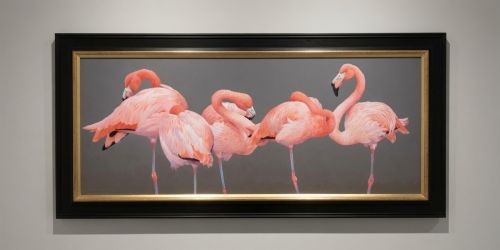
An antique bird portrait captures avian subjects within historical painting and works on paper, prized for fine decorative detail.
Antique Bird Portrait
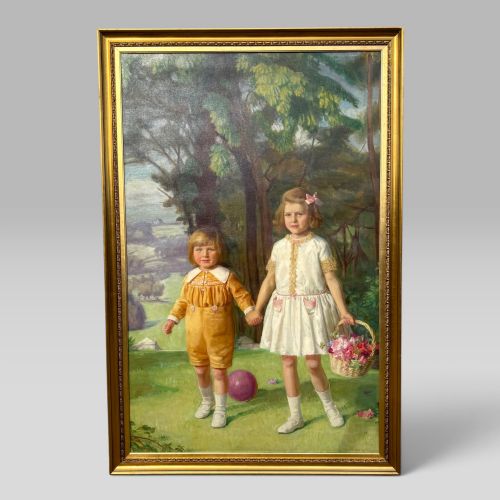
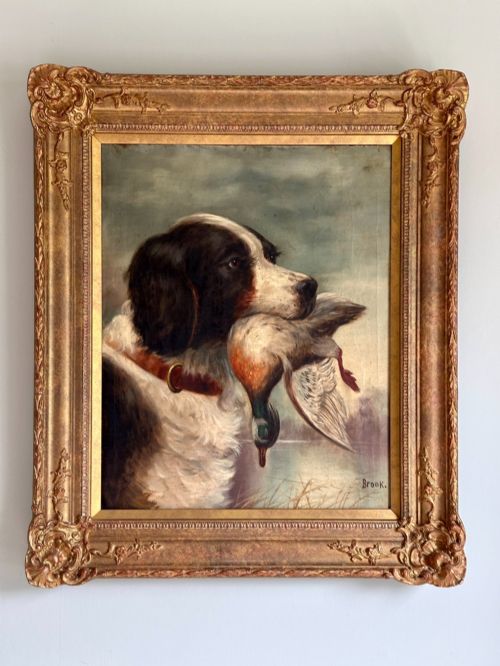
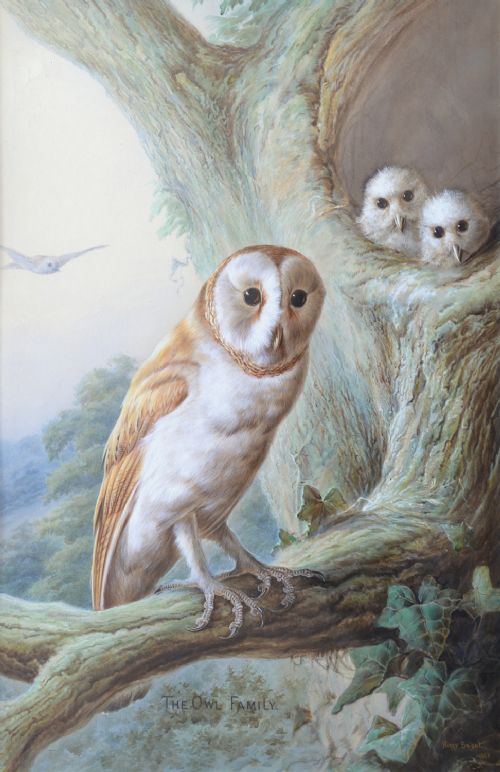
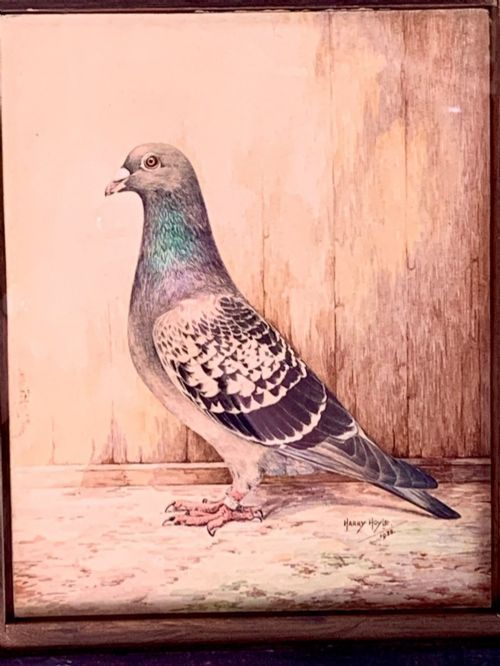
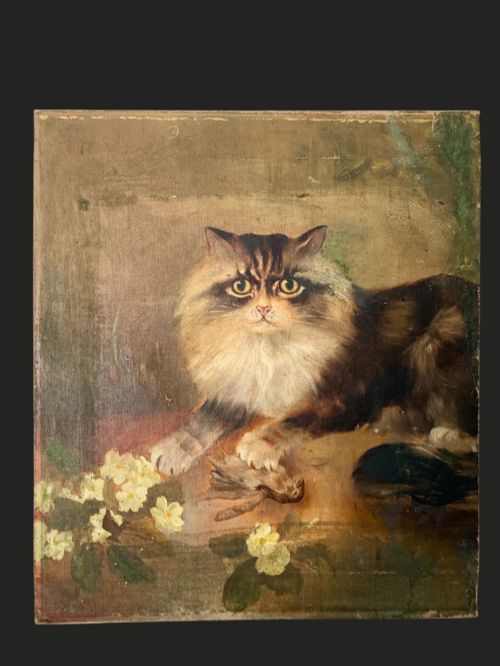
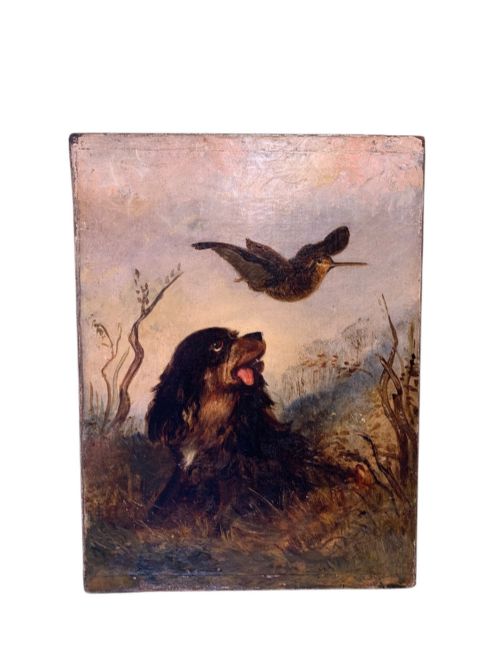
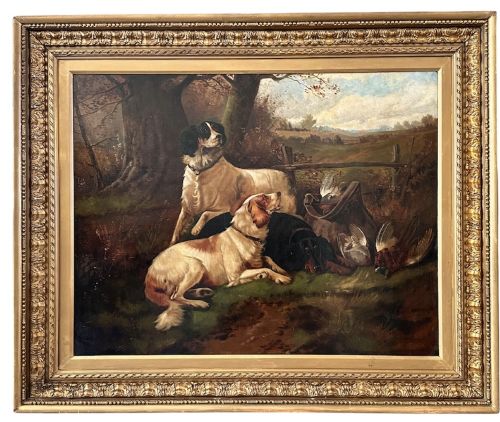
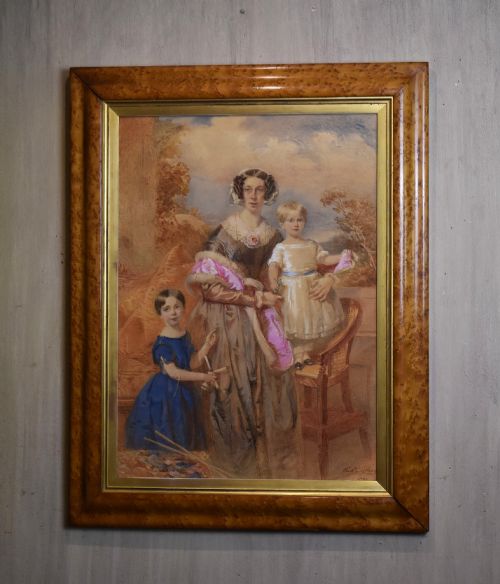
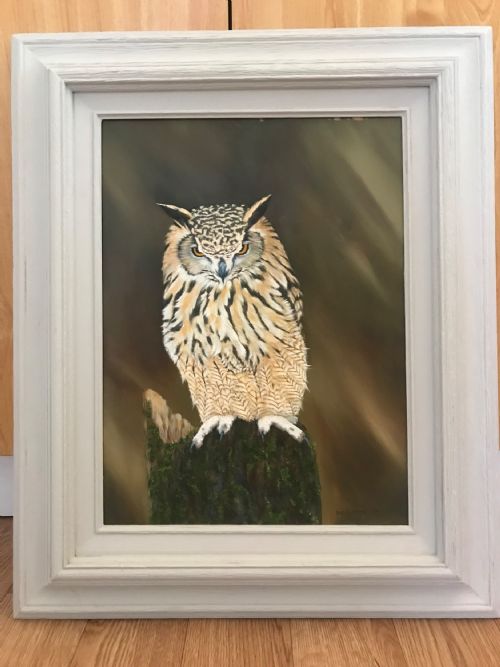
An antique bird portrait displays avian subjects captured across oil paintings, watercolours, and reverse glass pictures, spanning periods from the eighteenth century through to the early twentieth century. These works appear alongside human figures holding pets, or as standalone studies of pigeons, parrots, and game birds rendered by naive and academic hands.
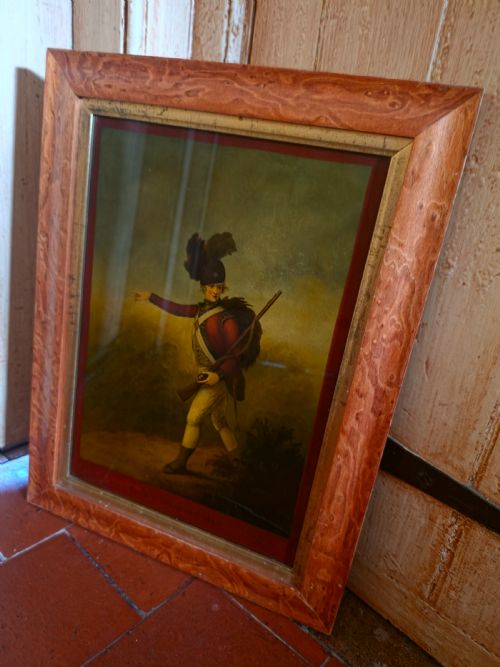
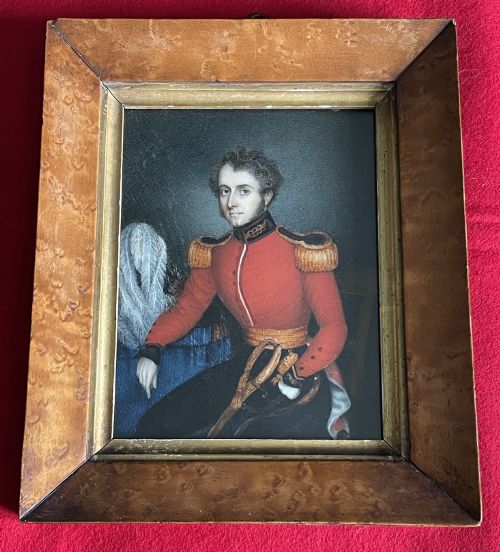
The selections range from Regency watercolours and Victorian oils to Edwardian studies and nineteen-thirties British realism. Buyers encounter these artworks in maple, burr maple, and gilt frames that define their period character.
How they were made
Artists painted these subjects using oil paint on canvas, panel, and tin, or applied watercolour and ink onto paper. These traditional media achieved fine plumage details and naturalistic colour palettes suited to domestic display.
Many works utilise reverse glass techniques or incorporate gold leaf within framed compositions. Carpenters housed the artworks in maple and birds-eye maple frames, often finished with gilt mouldings.
Pigeons win silver jubilees while parrots survey Edwardian parlours.
What varies in quality
Quality rests upon the precision of brushwork and the anatomical accuracy of the avian subject. Finer works display careful rendering of feathers and light, whereas naive examples rely on charm and simplified form.
The choice of framing contributes significantly to the overall merit of the piece. Original period frames, particularly those in figured maple or retaining their initial gilding, elevate the desirability of the artwork.
J Brown·Frederick Tatham·Michael Dahl·E H Windred·Christian Lindner
The Antique Bird Portrait Glossary
- Watercolour
- A painting method where fine pigment is suspended in a water-based solution, typically applied to paper surfaces. It creates luminous, transparent layers favoured for portraits and botanical studies.
- Oil paint
- A slow-drying medium composed of pigments mixed with a drying oil, most commonly linseed oil. This technique allows for rich colour depth and blended textures on canvas or panel.
- Reverse glass painting
- An artistic process where the image is painted directly onto the back of a glass panel so the finished work is viewed through the front. It produces a glossy surface finish.
- Birds-eye maple
- A decorative timber figuring resembling small, swirling eyes within the grain. Cabinet makers selected this wood for high-status picture frames during the Regency and Victorian periods.
Antique Bird Portrait: Frequently Asked Questions
What periods do these portraits cover?
The pieces span from the seventeenth century through Georgian, Regency, and Victorian eras into the Edwardian period and nineteen-thirties. This broad timeline reflects changing artistic styles in British and continental art.
Buyers find works ranging from early naive school paintings to mid-twentieth-century realism.
How do I identify a maple frame?
Maple frames display a distinctive pale timber grain, sometimes featuring characteristic bird's-eye swirls or darker staining. They were frequently utilised during the Regency and Victorian periods.
Original frames complement the historical context of the artwork within.
Are these works painted on canvas?
Many pieces utilise canvas stretched over wooden frames for oil paintings, while others employ paper for watercolours and silhouettes. Tin and glass also serve as painting supports in specific regional examples.
Each material dictates the conservation needs and display requirements of the artwork.
What subjects accompany the birds?
Avian subjects appear alongside human sitters such as children holding pets, sporting figures with gun dogs, and racing pigeon enthusiasts. Other compositions present parrots and game birds as standalone studies.
These varied contexts reveal the cultural significance of birds in historical households.