


Edwardian Bedroom Set
An edwardian bedroom set brings matching harmony to a chamber, offering coordinated storage, seating, and sleeping pieces from the early twentieth century.
Edwardian Bedroom Set
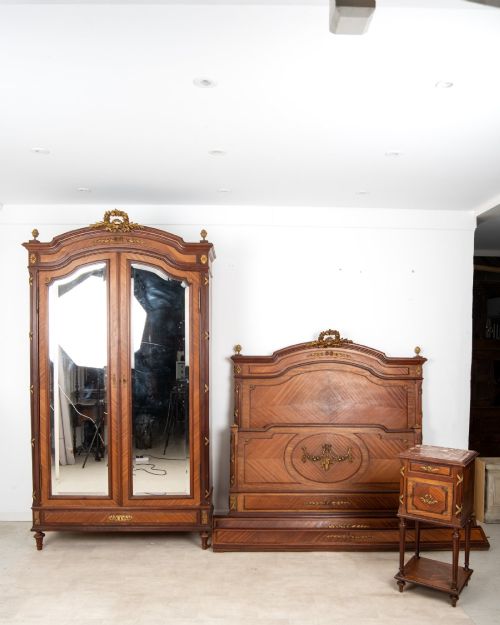
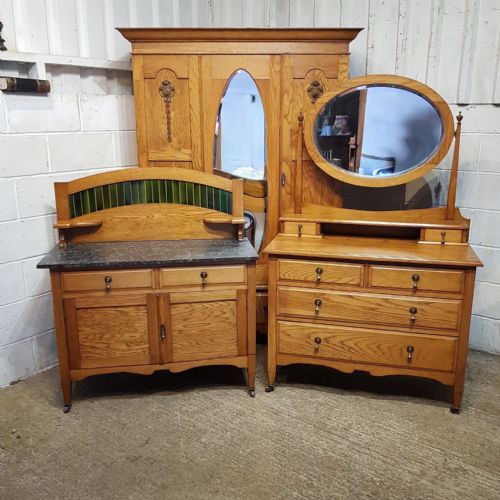
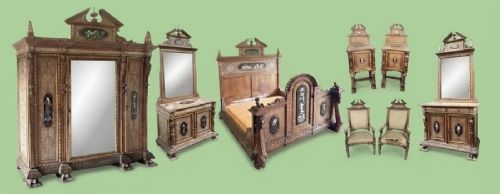
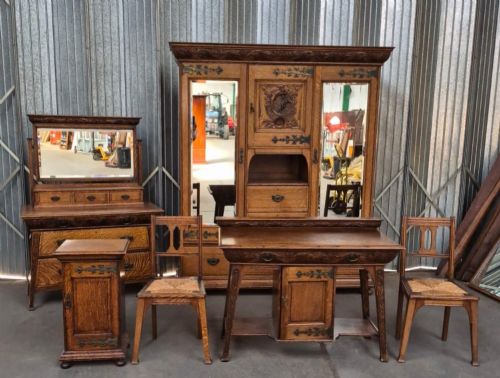
An edwardian bedroom set gathers coordinated furniture pieces designed to furnish a chamber with uniform style and timber. Buyers encounter multi-piece suites comprising wardrobes, dressing chests, beds, and matching seating.
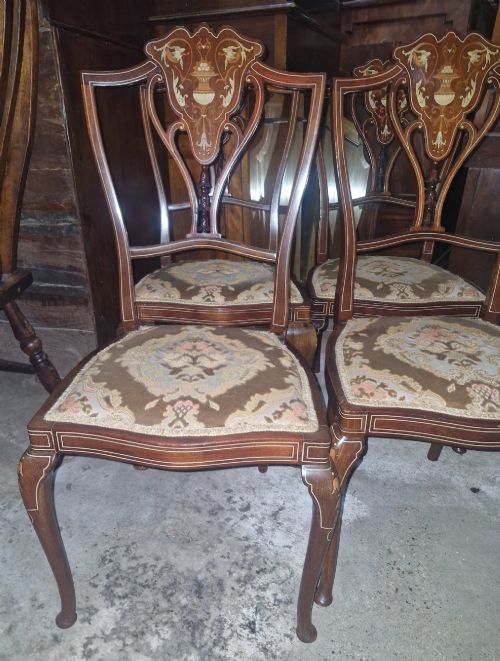
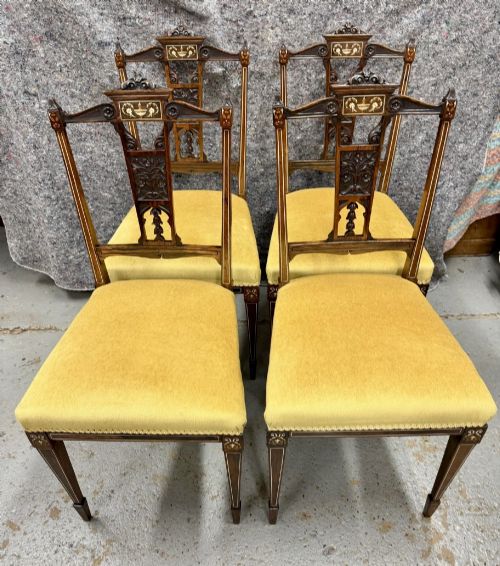
The evidence shows complete matching suites in oak, walnut, and ash alongside grouped sets of inlaid mahogany bedroom chairs. These assemblies range from compact two-piece groupings to large multi-piece collections.
Makers of the period also produced boudoir suites and dressing chests designed to match the principal wardrobe and bed. The groupings reflect the domestic requirements of early twentieth-century households.
Materials and Construction
Cabinet makers utilised solid timbers and veneers including mahogany, walnut, rosewood, oak, ash, and maple to construct the primary carcases and frames. Decorative surface work relied on precise wood inlay, stringing, and marquetry.
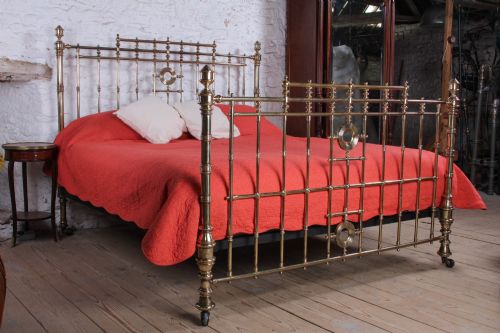
Metal elements such as brass appeared on bed frames and hardware, whilst glass featured in mirrors and wardrobes. Upholstered sections incorporated fabric and rattan within chair and settee frames.
Listings demonstrate that Edwardian bedroom suites frequently utilise mahogany and walnut, complemented by decorative wood inlay and brass hardware.
Quality and Distinction
The standard of an edwardian bedroom set depends upon the selection of timber and the precision of the inlay work. Coordinated suites featuring uniform grain patterns and intact matching hardware stand apart from assembled groupings.
Mastery in carving, marquetry detailing, and structural joinery dictates the distinction between standard utilitarian chambers and pieces produced by prominent workshops.
Maple & Co·Waring & Gillows·Lamb of Manchester
The Edwardian Bedroom Set Glossary
- Compactum
- A large fitted wardrobe combining hanging space, drawers, and shelving within a single multi-door carcase. This form provided efficient storage in Edwardian bedchambers.
- Inlay
- A technique where pieces of contrasting timber, shell, or metal are inserted into recessed cavities to create decorative surface patterns. Sheraton Revival examples frequently display fine stringing.
- Marquetry
- Elaborate veneer patterns forming pictorial or geometric designs across furniture surfaces. Craftsmen utilised dyed and natural woods to achieve tonal depth.
- Salon Chair
- A light, decorative seating form utilised in bedrooms and reception rooms. These pieces often feature inlaid mahogany or rosewood frames.
- Chinoiserie
- Decorative painting and lacquerwork emulating East Asian motifs. Late Edwardian suites occasionally display these distinctive painted motifs upon walnut surfaces.
Edwardian Bedroom Set: Frequently Asked Questions
What pieces belong in an edwardian bedroom set?
A complete suite typically includes a wardrobe, a dressing table or chest of drawers, a bed, and matching chairs. Smaller groupings comprise paired bedroom chairs or dressing chests.
Matching timber and inlay link the disparate items together into a unified furnishing scheme for the chamber.
How do I identify Edwardian furniture style?
Edwardian pieces generally exhibit lighter proportions and brighter timbers than their heavy Victorian predecessors. Inlaid mahogany, satin walnut, and Sheraton Revival motifs are common characteristics.
Construction details often reflect early twentieth-century manufacturing methods alongside traditional cabinet making.
Were these suites always sold complete?
Cabinet makers offered furniture in comprehensive multi-piece suites as well as individual items that buyers could mix. Many households purchased core bedroom suites and added matching chairs separately.
Surviving sets reflect both original factory groupings and later assembled collections of compatible pieces.
How should I care for polished wood surfaces?
Maintain polished mahogany, walnut, and rosewood surfaces by keeping them away from direct sunlight and steady heat sources. Regular dusting with a soft, dry cloth preserves the original polish.
Avoid liquid polishes containing silicone to protect the historic timber finish over time.