


Waring and Gillow Furniture
Waring and Gillow furniture brings together centuries of cabinet-making heritage and twentieth-century design, offering enduring utility for the home.
Waring and Gillow Furniture
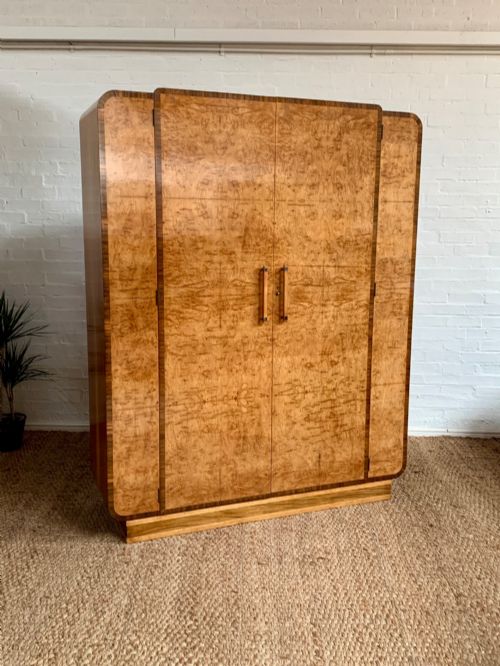
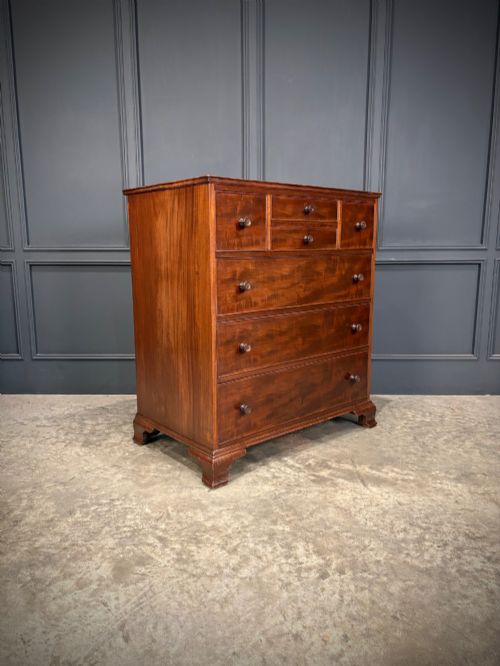
When you search for waring and gillow furniture, you are looking at pieces produced by the renowned English firm spanning multiple distinct periods of design. The examples on this page range from late Victorian and Edwardian household pieces through to twentieth-century bedroom suites and cocktail cabinets.
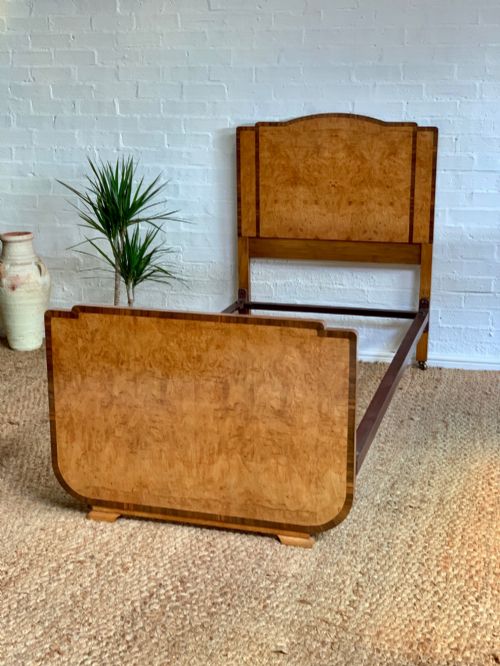
You are most likely to meet mahogany chests, oak luggage racks, and walnut beds bearing the maker's signature or distinct hallmarks of quality. These works demonstrate how the firm adapted traditional craftsmanship to suit evolving domestic interiors across several decades.
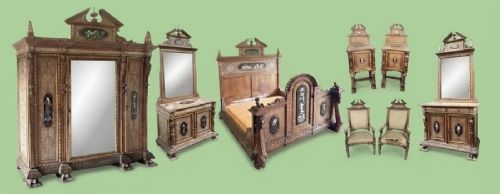
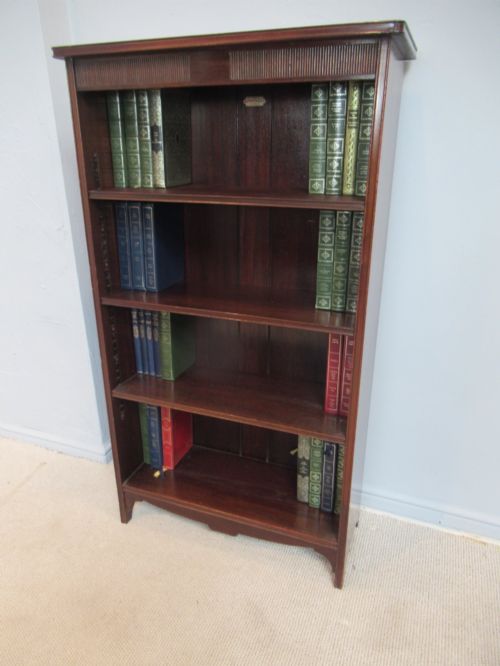
The selection includes substantial furniture such as bedroom suites alongside smaller library book troughs and open bookcases. Each piece reflects the functional requirements of its era, executed with timber and hardware selected by the makers.
How they were made
The construction relies heavily on solid mahogany, oak, and satinwood, frequently enhanced by burr walnut veneer for decorative surfaces. Cabinet makers utilised these seasoned timbers to build robust frames and drawers that withstand regular daily use.
Brass fittings and iron details appear across various object types, securing structural joints and providing functional hardware. These metal elements are matched to the timber framing with precision engineering typical of large-scale English workshops.
Listings feature periods from the Edwardian era through 1930, utilising mahogany, satinwood, oak, and burr walnut veneer.
What varies in quality
The degree of refinement in the timber selection and veneer matching separates standard utility pieces from more ambitious cabinet work. Finer items display carefully chosen grain patterns across large surfaces, such as serpentine drawer fronts and cabinet doors.
Subtlety of revival styling and decorative carving distinguishes the workshop output, where George III and Jacobean revivals are handled with varying degrees of scholarly accuracy. The integration of brass hardware and the crispness of secondary timber framing further indicate the grade of production.
Waring and Gillow
The Waring and Gillow Furniture Glossary
- Burr walnut veneer
- A thin slice of wood taken from the knotty growth of a walnut tree, producing swirling, highly decorative grain patterns applied to carcase furniture. It creates a striking visual texture across large flat surfaces like cabinet doors and bed heads.
- Linen press
- A tall storage piece traditionally used for household linens, featuring sliding trays enclosed by upper doors above a chest of drawers. This form was a staple of domestic organisation in large houses.
- Library book trough
- A low open container designed to hold books upright on a tabletop or desk for easy access. These portable items often feature multiple tiers and sturdy timber divisions.
- Serpentine front
- A furniture front configuration that curves outward in the centre and inward toward the ends, or vice versa. This complex shape requires skilled woodworking to achieve smooth, continuous contours.
Waring and Gillow Furniture: Frequently Asked Questions
What periods do these pieces cover?
The pieces span from the late nineteenth century through the Edwardian era and into the early nineteen-thirties. This timeline captures the firm's output during major stylistic shifts in British design.
You will encounter nineteenth-century bedroom suites alongside Art Deco walnut beds and cocktail cabinets. Each period brings distinct characteristics in form and choice of timber.
How do I identify a genuine piece?
Look for maker marks, stamps, or paper labels applied directly to the timber framing or drawer interiors. The quality of the joinery and hardware often supports attribution when explicit marks are absent.
Examine the secondary woods and construction methods used in concealed areas. Consistent use of solid mahogany or oak alongside high-grade veneers points to the workshop's standard practices.
Are these pieces suitable for daily use?
These items were built for practical domestic application and remain entirely functional for modern living spaces. Chests, bookcases, and cabinets provide robust storage solutions that integrate easily into contemporary rooms.
Careful placement away from direct heat sources helps preserve the polished timber surfaces and veneers. Routine maintenance involves simple dusting and occasional waxing to nourish the wood.
What is an Edwardian library book trough?
An Edwardian library book trough is a small, freestanding timber stand designed to keep a selection of volumes close to hand. These pieces typically feature two tiers for organised storage on a table or desk.
They reflect the domestic habits of the period, where portable book storage was both a convenience and a decorative desktop accessory. Mahogany and oak were standard materials for their construction.