
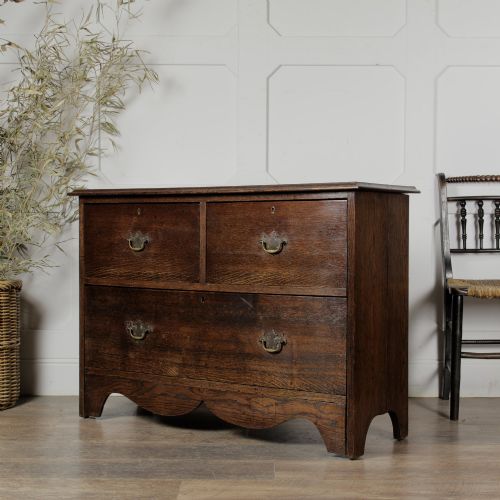


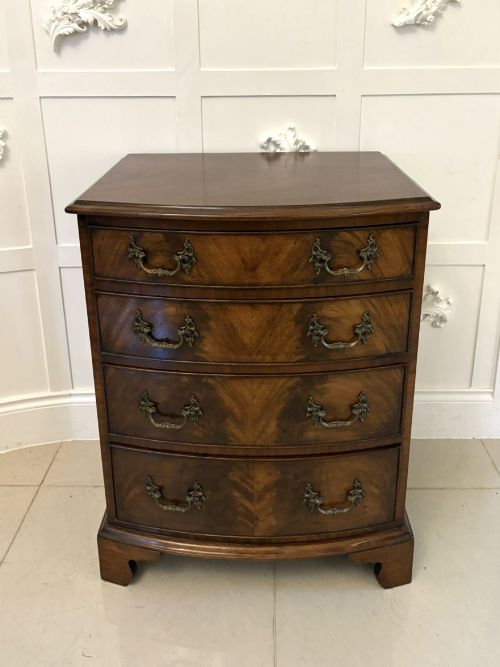
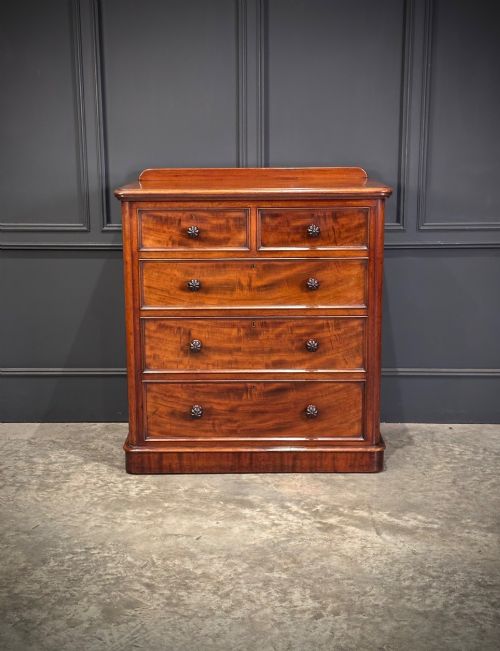
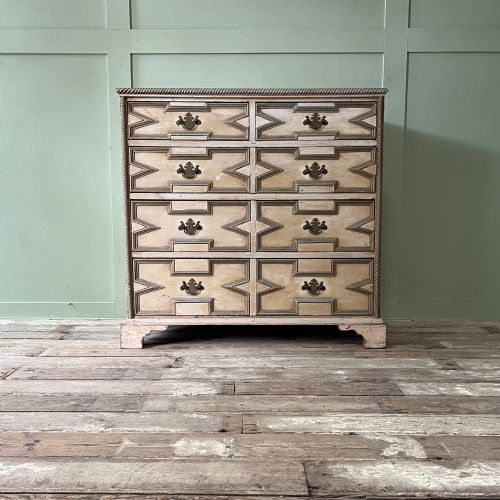
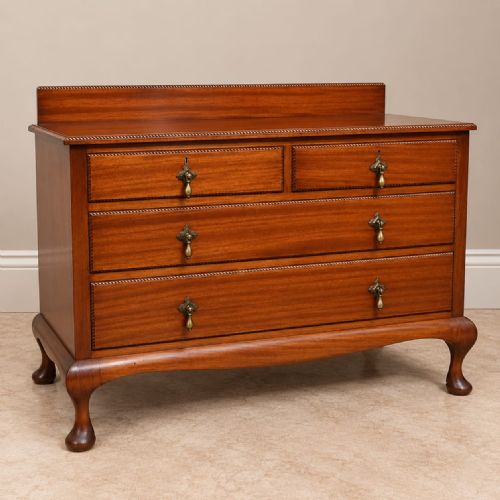
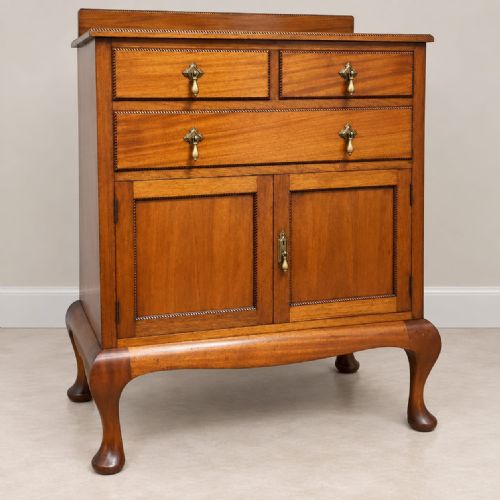
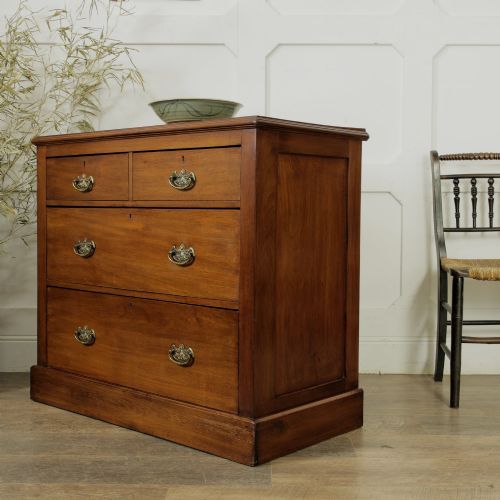
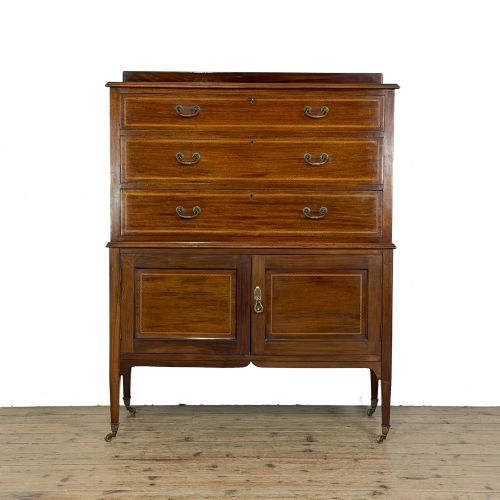
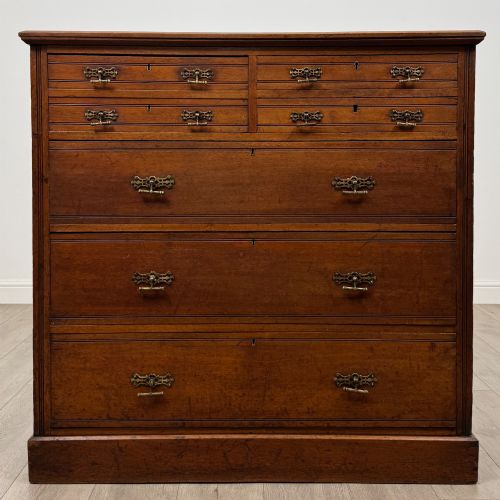
Edwardian Bedroom Furniture Chest
These edwardian bedroom furniture chest examples combine practical storage with period craftsmanship, offering character and utility for modern homes.
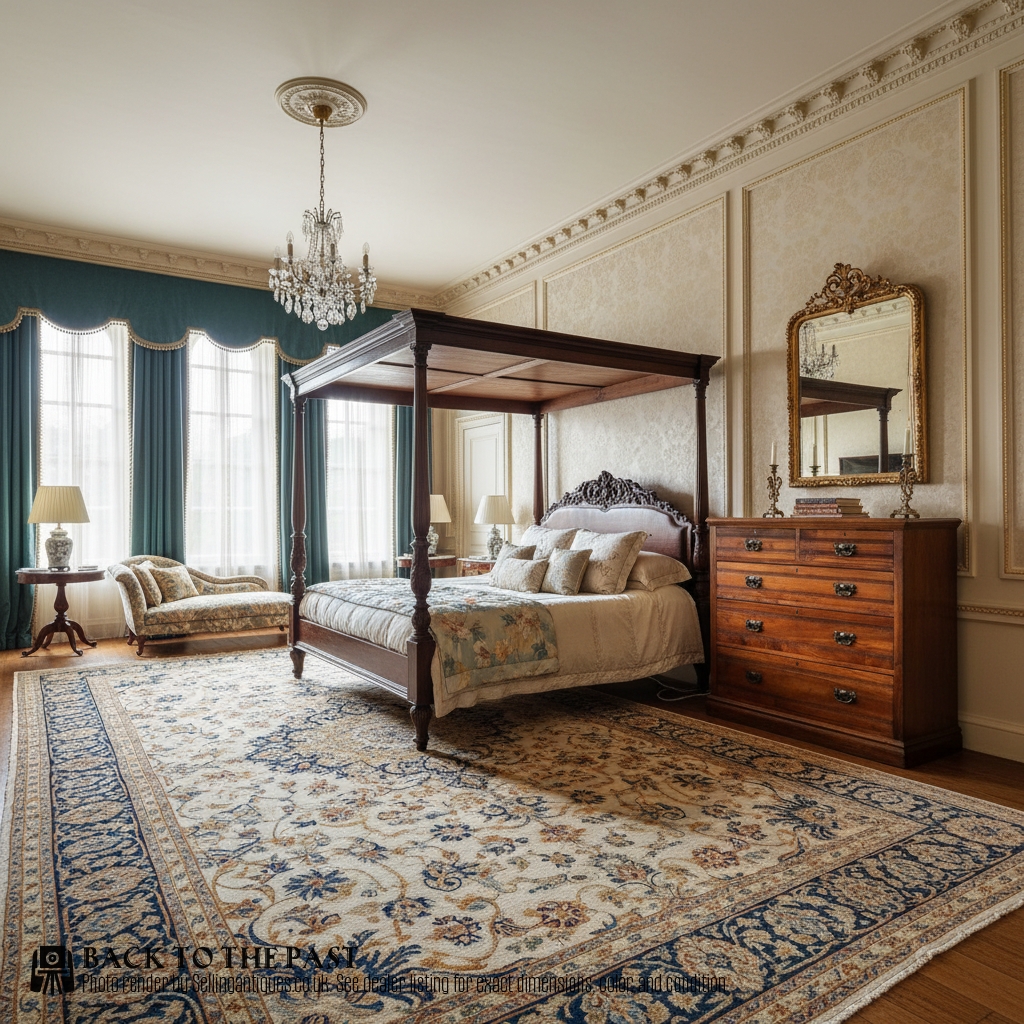
Edwardian Bedroom Furniture Chest
When searching for an edwardian bedroom furniture chest, buyers encounter pieces spanning the Edwardian period alongside related Victorian, Georgian revival, and early 20th-century designs.
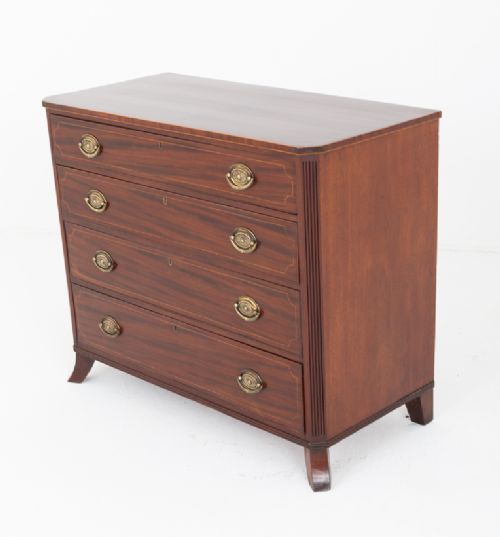
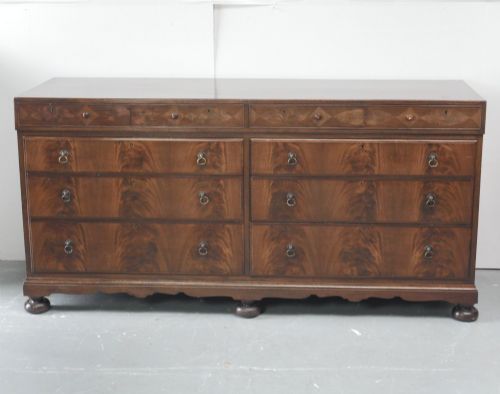
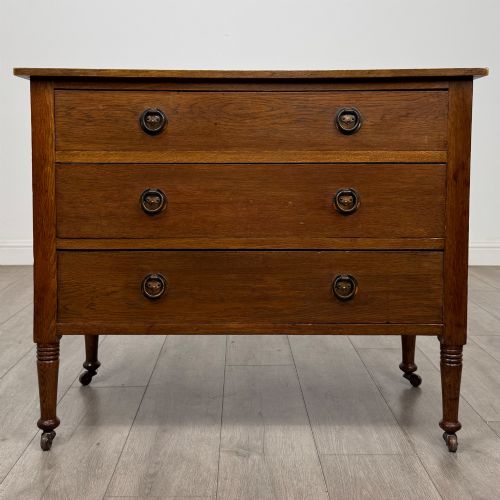
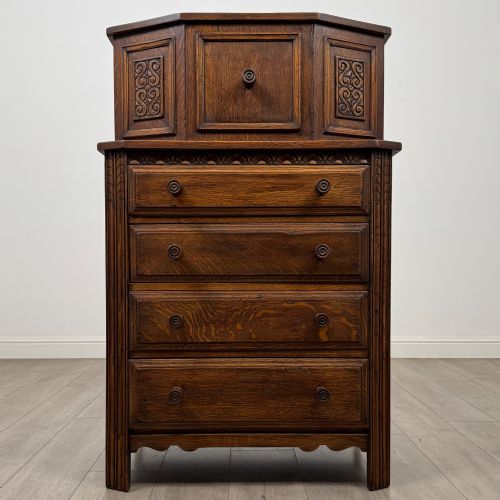
The selections on this page predominantly include mahogany and oak chests of drawers, tallboys, and dressing chests, often displaying classic proportions with straight or bow fronts.
Makers and workshops of the era also produced satinwood painted bureau chests and walnut pieces, reflecting diverse stylistic revivals from Sheraton to Arts & Crafts.
Materials and Construction
Cabinet makers utilised a range of timbers including solid oak, mahogany, flame mahogany, walnut, and satinwood, frequently enhanced by figured veneers.
Detailing often involved brass hardware, glass elements, and painted surfaces, supported by traditional joinery suited to daily domestic use.
Factors Determining Quality
Distinction between pieces rests on the selection of timber veneers, such as figured mahogany or burr walnut, and the precision of inlaid details.
Original hardware, crisp carving, and documented attribution to known cabinet makers elevate specific examples within the wider selection.
Whytock & Reid·Sir Clough Williams-Ellis·Jas Shoolbred·Howard and Sons·Druce & Co
The Edwardian Bedroom Furniture Chest Glossary
- Bow Front
- A convex curved front on a chest of drawers. This design became particularly popular during the late 18th and early 19th centuries.
- Tallboy
- A tall chest of drawers, often constructed in two sections with a smaller chest stacked atop a larger base. These maximise vertical storage space.
- Satinwood
- A durable, lustrous yellowish timber native to India and Sri Lanka. It was frequently utilised for fine Edwardian painted furniture and inlay work.
- Brushing Slide
- A pull-out shelf integrated into the upper section of a chest. It served as a temporary surface for folding garments or grooming.
- Wellington Chest
- A tall, narrow chest of drawers secured by a hinged locking side pilaster. This form originated during the 19th century.
Edwardian Bedroom Furniture Chest: Frequently Asked Questions
How do I identify an Edwardian chest?
Edwardian pieces typically date from the reign of King Edward VII between 1901 and 1910, though the broader Edwardian aesthetic spans the late 19th century up to the First World War. Look for lighter timbers, revival styles such as Sheraton and Queen Anne, and simpler lines compared to heavier Victorian furniture.
Construction methods also help with dating, as machine-sawn timber became more common alongside traditional hand dovetailing. Many pieces bear characteristic inlaid satinwood stringing or painted decorative motifs.
Where should I place a chest in a bedroom?
A chest of drawers works effectively against any interior wall with sufficient clearance for the drawers to open fully. Placing one opposite a bed provides a balanced focal point while offering accessible clothing storage.
Smaller satinwood or walnut chests also function well as bedside tables or beneath windows. Ensure the room has stable humidity levels to protect antique timber veneers.
What is the difference between oak and mahogany chests?
Oak chests usually present a prominent grain and a robust, heavier appearance, often associated with Arts and Crafts or earlier revival styles. Mahogany offers a finer, smoother grain with deep reddish-brown tones that suit formal classical designs.
Both timbers provide durability, but they create distinct visual moods within a bedroom interior. Oak suits rustic or tailored Arts and Crafts schemes, while mahogany leans towards traditional elegance.
Can I mix Edwardian furniture with modern decor?
Antique chests of drawers integrate smoothly into contemporary rooms by adding textural warmth and historical contrast. The clean lines of many Edwardian pieces complement minimalist spaces without overwhelming them.
Using a period chest as a standalone statement piece prevents a room from looking too uniform. The natural timber tones bridge the gap between old and new interior schemes.