
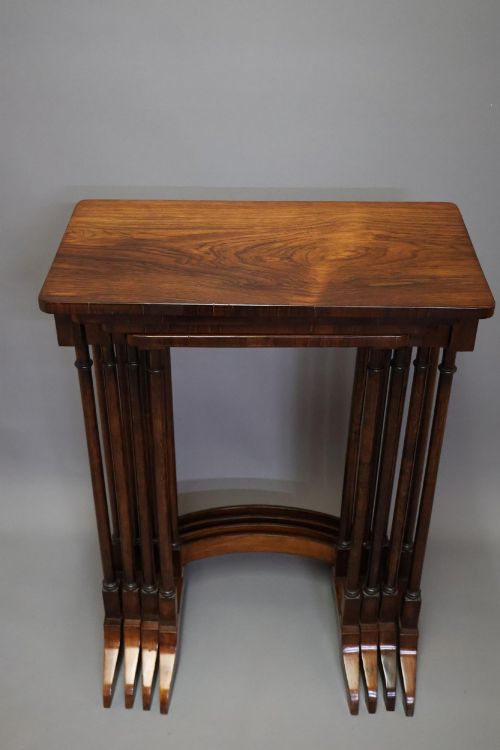


Edwardian Bamboo Side Table
These edwardian bamboo side table pieces bring exotic warmth and lightweight practicality to a room.
Edwardian Bamboo Side Table
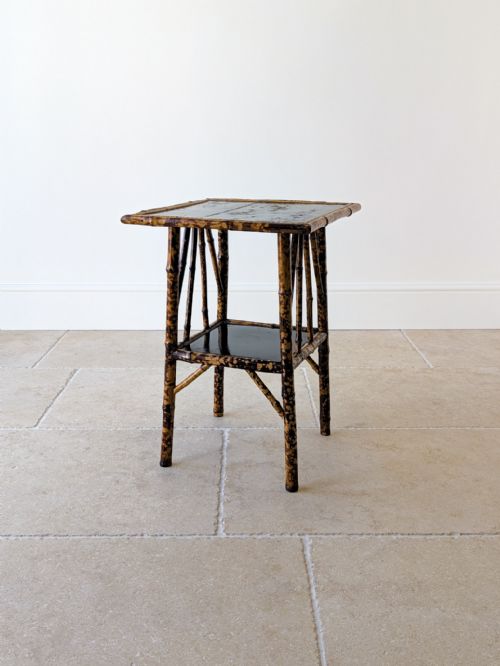
An edwardian bamboo side table sits within a wider tradition of late nineteenth and early twentieth-century occasional furniture. These items draw heavily on Asian design influences, often featuring lacquered panels or tiered surfaces for display and everyday use.
While the search specifies the Edwardian period, listings span the nineteenth century into the early twentieth century. Examples include two-tier models, occasional tables, and pieces employing simulated bamboo turning alongside genuine cane.
How they were made
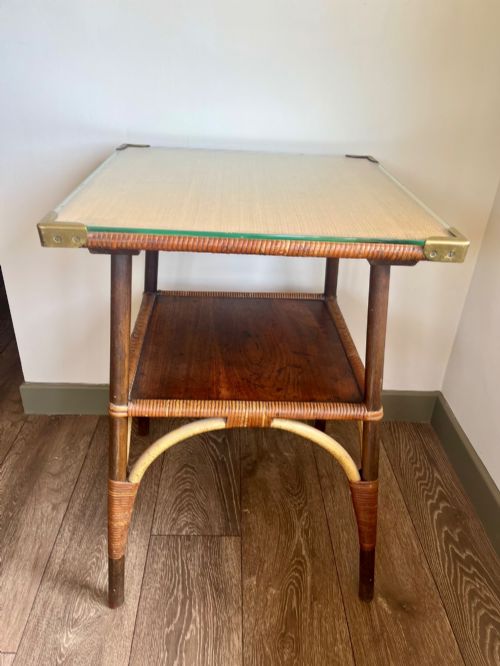
Construction relies on natural bamboo canes joined securely to form lightweight yet rigid frames. Makers often paired these frames with lacquered panels, glass, or brass fittings to create contrast and utility.
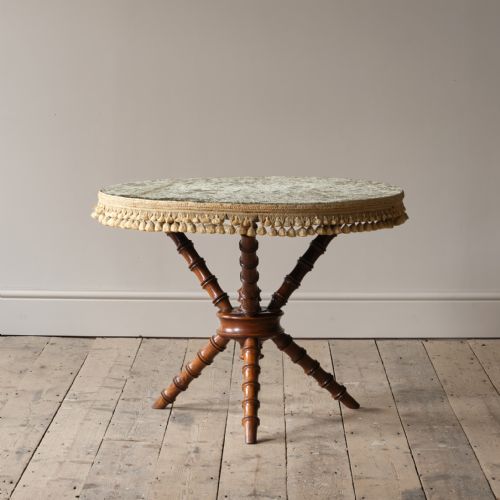
Some variations utilise simulated bamboo, where standard hardwoods like mahogany are carved and turned to mimic the distinctive jointed nodes of natural cane. Lacquering techniques applied to tabletops often incorporate Chinoiserie motifs in gold and dark tones.
Several tables include hidden tiers designed specifically for holding afternoon tea cups.
What varies in quality
Quality rests primarily in the rigidity of the frame and the preservation of the surface finish. Natural cane requires tight bindings and sound structural joints to prevent wobble.
Painted or lacquered surfaces show distinction through the crispness of the detail and the depth of the finish. Tables featuring intact original glass inserts or decorative brass details generally sit higher in the range.
Dryad Leicester·Liberty of London
The Edwardian Bamboo Side Table Glossary
- Bamboo
- A fast-growing woody grass utilised for lightweight furniture frames. Its natural hollow stems provide strength while keeping the piece portable.
- Chinoiserie
- European artistic style reflecting Chinese motifs and techniques. It frequently appears on lacquered table panels depicting landscapes and figures.
- Lacquered
- Coated with resin or varnish to produce a hard, smooth, polished surface. This finish often protects painted decorative scenes on table tops.
- Occasional table
- A small, movable table designed for specific, intermittent uses rather than permanent placement. These include tea tables and lamp tables.
- Simulated bamboo
- Wood carved and painted to resemble natural bamboo canes. This technique appeared widely on nineteenth-century side tables and occasional furniture.
Edwardian Bamboo Side Table: Frequently Asked Questions
Are these tables strong enough for daily use?
Bamboo furniture offers surprising resilience despite its light weight. Normal placement for lamps and cups suits them well.
Heavy loads or damp environments should be avoided to protect the natural cane and lacquered surfaces over time.
How do I clean a lacquered bamboo surface?
Dusting with a dry, soft cloth keeps the finish clear of debris. Moisture can harm delicate lacquered panels.
Harsh chemical polishes should be avoided entirely to preserve the original nineteenth or early twentieth-century surface.
What is simulated bamboo?
Simulated bamboo is hardwood shaped and painted to mimic real bamboo canes. Makers used this method for added durability.
Examination of the joints and weight often reveals whether the frame consists of actual cane or turned timber.
Where did the aesthetic style originate?
The aesthetic movement drew inspiration from Japanese and Chinese design imports during the late Victorian era. British makers adapted these motifs.
This global trade influenced the production of side tables featuring lacquered panels and bamboo frames well into the Edwardian period.