
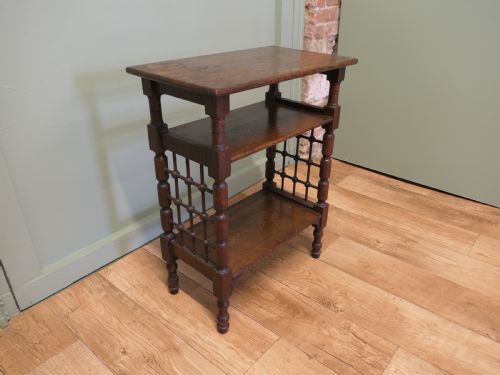
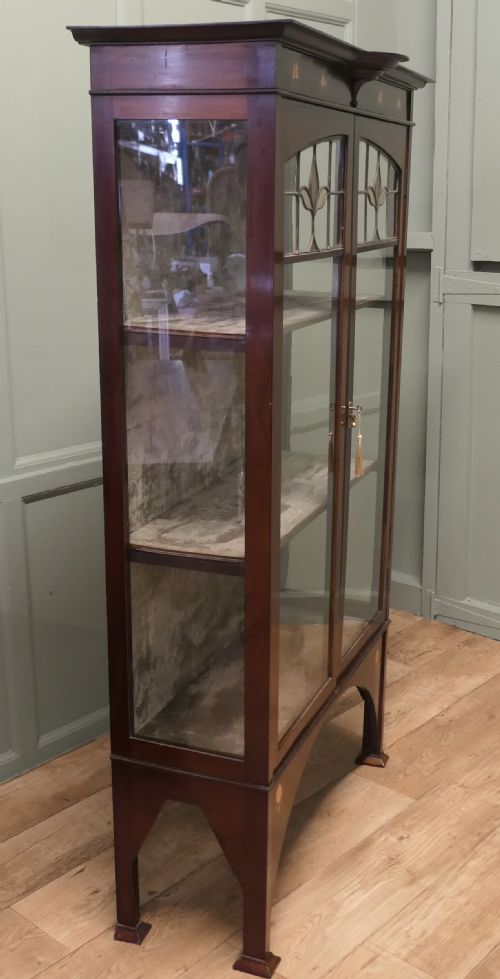
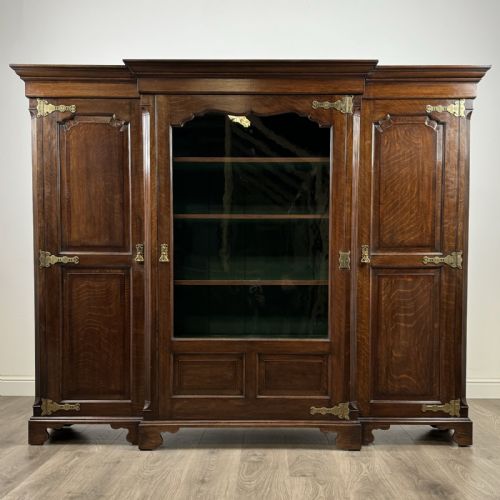
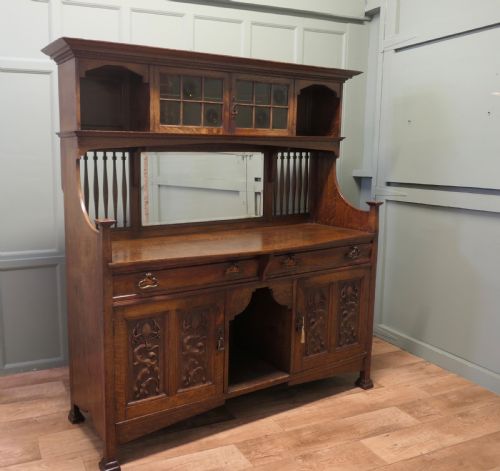
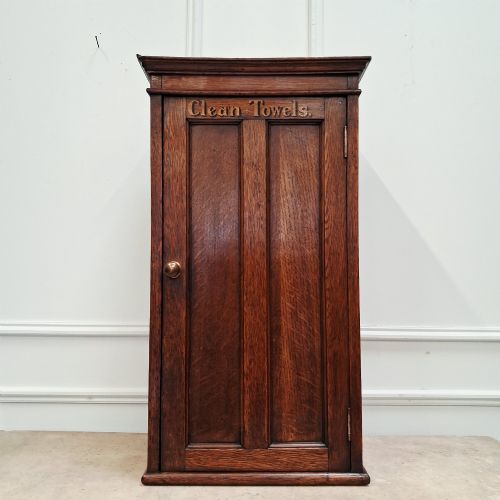
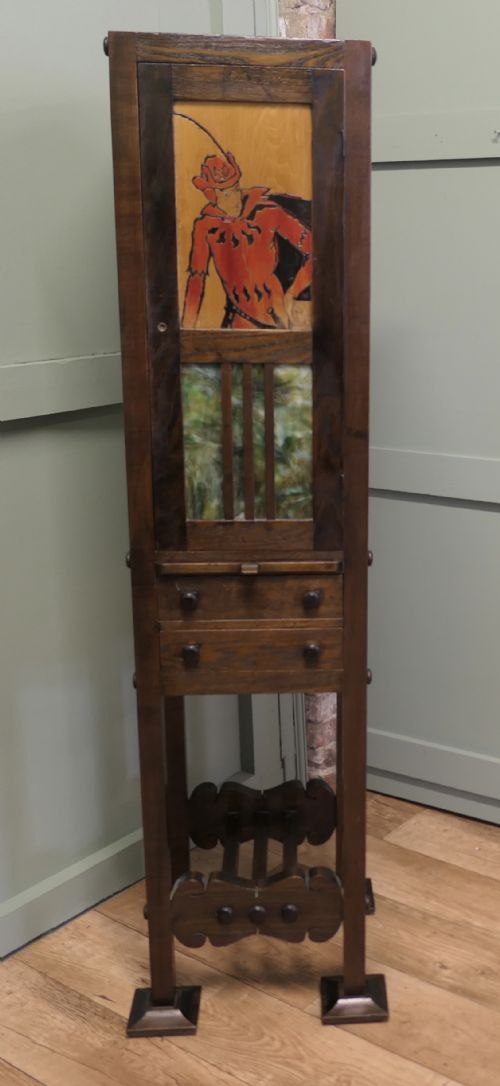
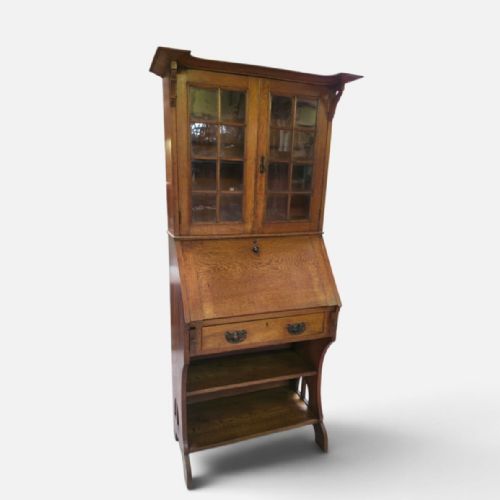
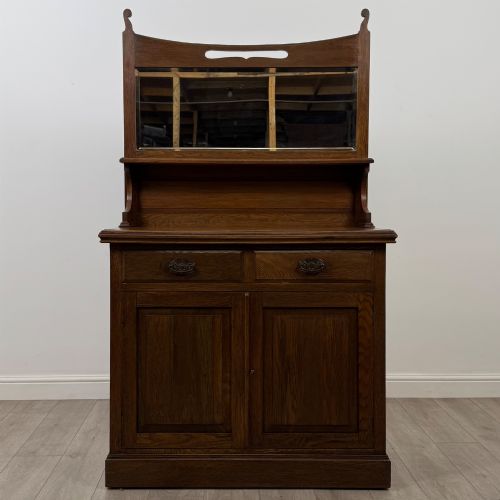
Edwardian Arts Crafts Cabinet
An Edwardian arts crafts cabinet brings honest construction and simple utility into a room, uniting functional storage with the hand-crafted ideals of the movement.
Edwardian Arts Crafts Cabinet
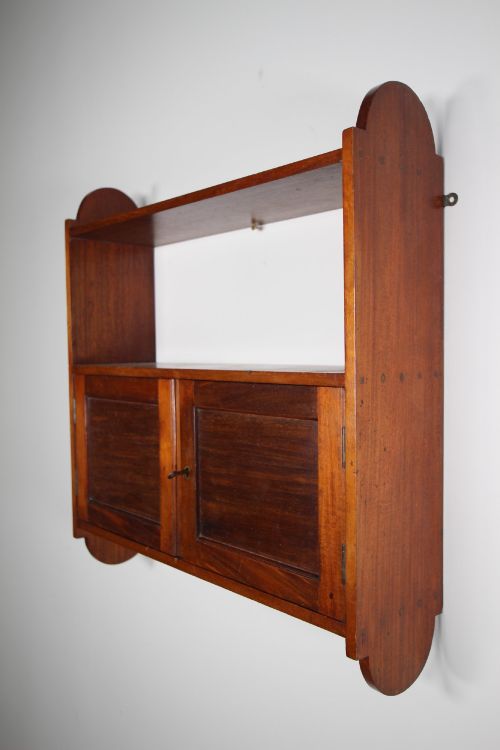
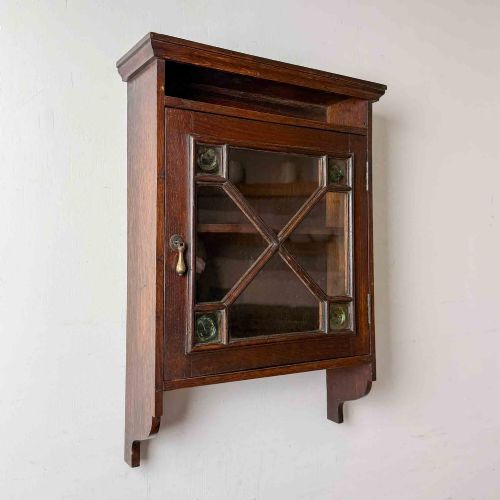
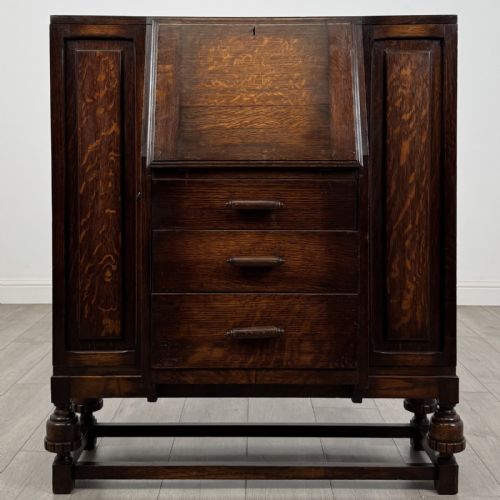
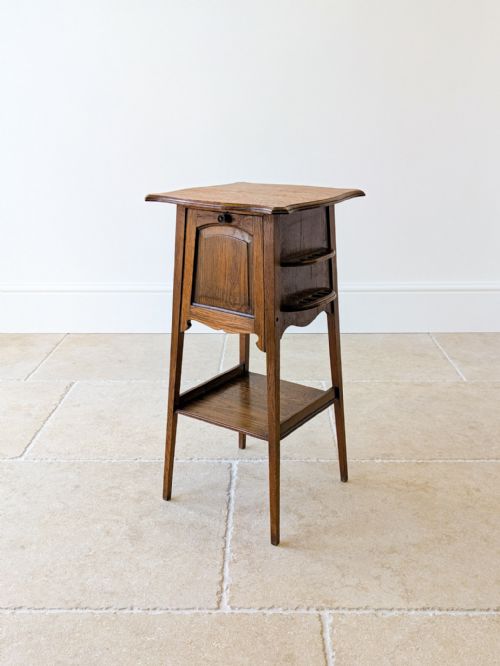
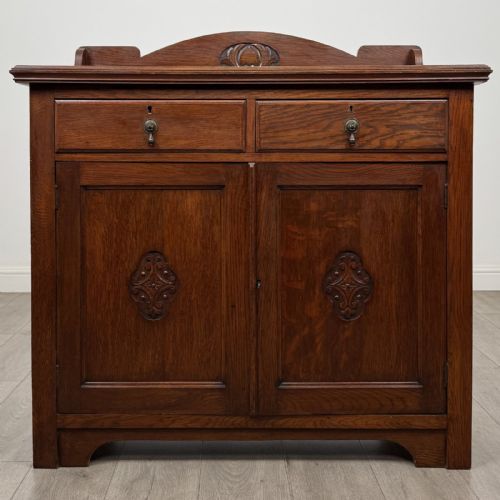
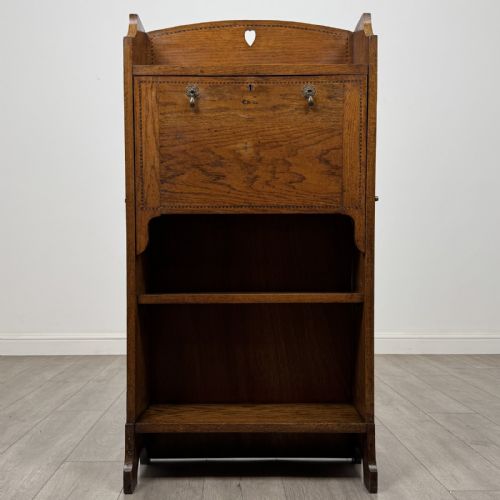
An edwardian arts crafts cabinet combines the utility of everyday storage with the distinct design philosophy of the turn of the twentieth century. These pieces emerge across periods spanning the Victorian era through the early decades of the twentieth century, adopting forms such as wall cabinets, sideboards, bookcases, music cabinets, and bedside cupboards.
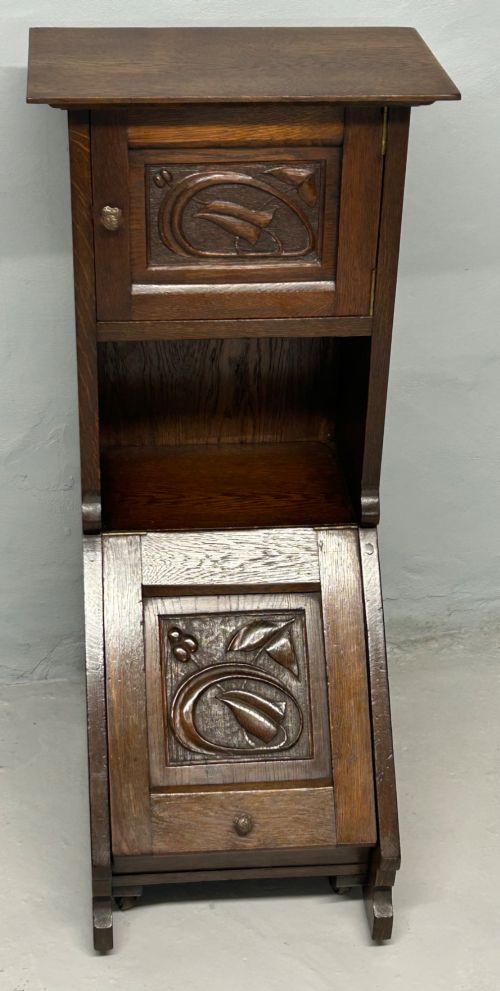
The most common examples encountered on this page rely on solid oak frameworks, though mahogany and walnut pieces also appear alongside specialised forms like smokers cabinets and glazed display furniture. Makers working within the Arts and Crafts, Art Nouveau, and Cotswold School styles shaped these functional objects for domestic interiors.
How they were made
Makers constructed these cabinets primarily using solid oak, mahogany, and walnut, often accentuating the natural grain through waxing or light finishing rather than heavy polishes. Metalwork played a crucial structural and decorative role, with brass, copper, iron, and lead fittings secured to the wood.
Joinery techniques prioritised durability and visible craftsmanship, frequently featuring carved detailing, inlaid panels, and leaded glass doors. Workshops utilised local timbers alongside imported hardwoods, applying styles ranging from Cotswold School restraint to Secessionist and Art Nouveau flourishes.
Listings feature oak, mahogany, walnut, and elm alongside brass, copper, iron, and lead, spanning forms from sideboards to wall-hung cupboards.
What varies in quality
The distinction between standard commercial production and exceptional studio work rests largely on the ambition of the design and the integrity of the materials. Pieces conceived by notable designers or workshops display finer timber selection, more considered proportions, and integrated metal hardware rather than applied ornamentation.
Execution of carved details and the quality of internal fittings, such as specialised shelving for sheet music or custom hardware, separate standard utility cupboards from distinguished examples of the period.
GM Elwood for JS Henry·Ambrose Heal for Heal & Son·Arthur Simpson of Kendal·Shapland and Petter·Edward Barnsley·Peter Waals·Whytock and Reid·Liberty and Co
The Edwardian Arts Crafts Cabinet Glossary
- Arts and Crafts
- A design movement promoting handcraftsmanship, simple forms, and traditional guild methods over mass industrial production. It influenced furniture design from the late nineteenth century onwards.
- Secessionist
- A stylistic offshoot of the Art Nouveau movement originating in central Europe, characterised by geometric abstraction and clean linear forms. This aesthetic often manifests in the metalwork and overall silhouette of cabinets.
- Cotswold School
- A regional branch of the Arts and Crafts movement centered on furniture makers working with solid timber and traditional hand tools. Pieces from this tradition emphasise honest construction.
- Beaded edge
- A narrow rounded moulding carved along the border of a panel or shelf edge. This decorative detail adds subtle depth to plain wooden surfaces.
Edwardian Arts Crafts Cabinet: Frequently Asked Questions
What defines an arts and crafts cabinet?
These cabinets are defined by an emphasis on honest construction, visible joinery, and materials that highlight natural wood grain. They reject excessive Victorian ornamentation in favour of utility and thoughtful design.
Most examples utilise solid oak or walnut, often complemented by hammered copper or brass hardware and leaded glass panels that reflect the ethos of the movement.
Where were these cabinets used originally?
They served practical storage needs across various rooms in the domestic interior, functioning as music cabinets in parlours, bedside cupboards in bedrooms, or wall-hung units in hallways and dining spaces.
Their varied forms, from bookcases to cocktail display units, allowed them to integrate seamlessly into everyday domestic life during the early twentieth century.
How do I live with an oak cabinet?
Living with these pieces requires mindful placement away from direct heat sources and excessive sunlight to protect the waxed or polished timber surfaces. Regular dusting and occasional waxing help maintain the finish.
Their sturdy construction makes them practical for modern storage, whether housing books, glassware, or everyday household items.
How do I tell periods apart?
Distinguishing periods involves looking at the stylistic markers embedded in the woodwork and metal fittings, noting the shift from heavier Victorian influences toward cleaner Edwardian and Cotswold School lines. Pieces from the late nineteenth century often feature denser carved decoration.
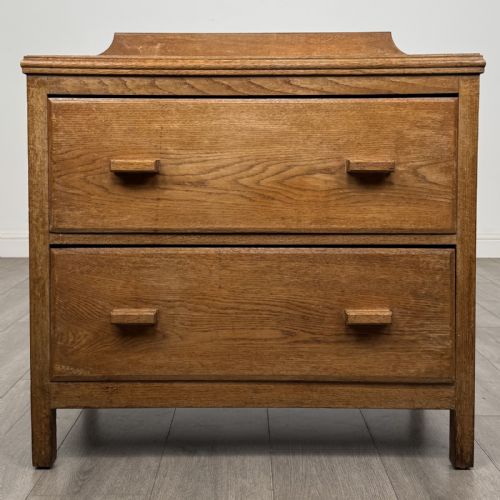
Later examples from the nineteen-twenties and thirties lean towards simpler geometric forms and limed oak finishes, reflecting evolving modernist tastes.