



Edwardian Art
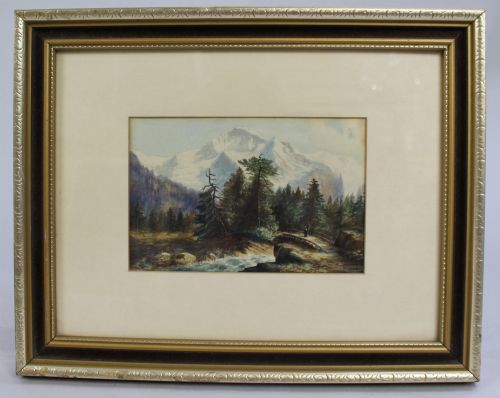
These pieces brought together under edwardian art span early twentieth-century design, offering enduring craftsmanship across jewellery, furniture, and painting.
Edwardian Art
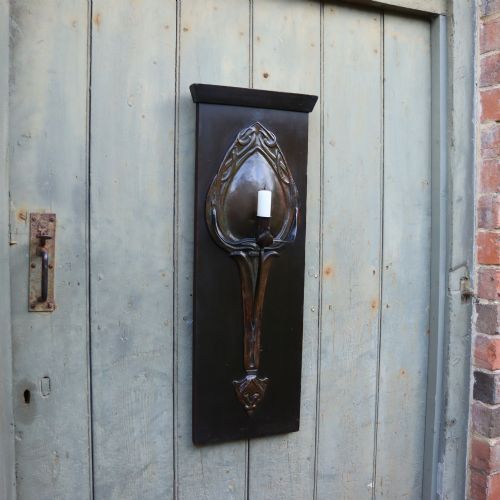
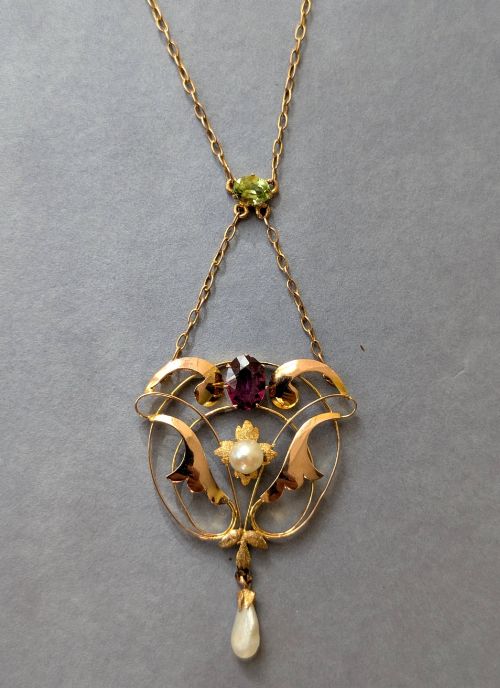
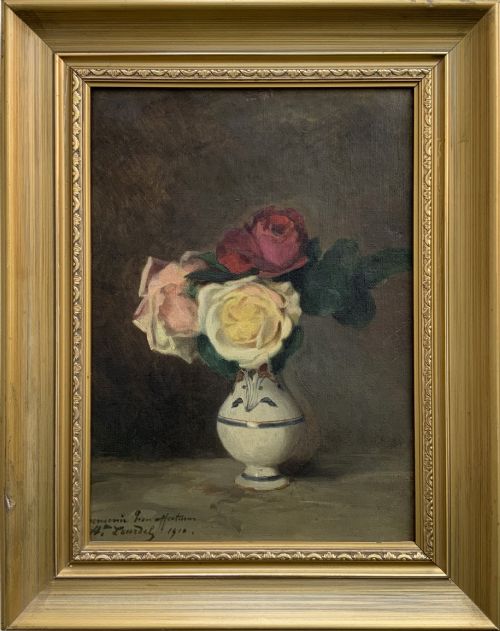
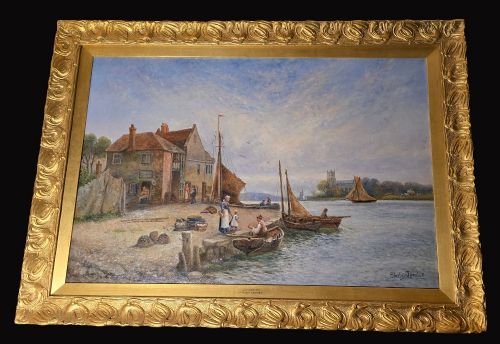
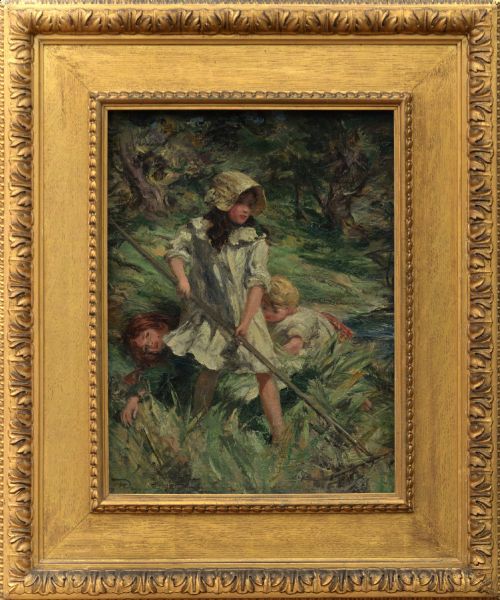
When buyers search for edwardian art, they encounter a diverse selection of furnishings, oil paintings, watercolours, and fine jewellery created around the turn of the twentieth century. The inventory on this page bridges several overlapping movements, connecting Edwardian elegance directly with Arts and Crafts simplicity, Art Nouveau curves, and early Art Deco geometry.
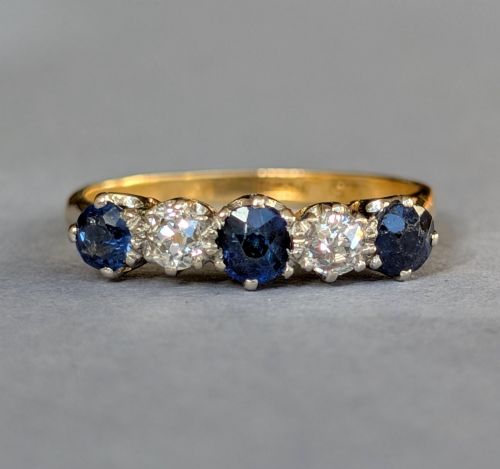
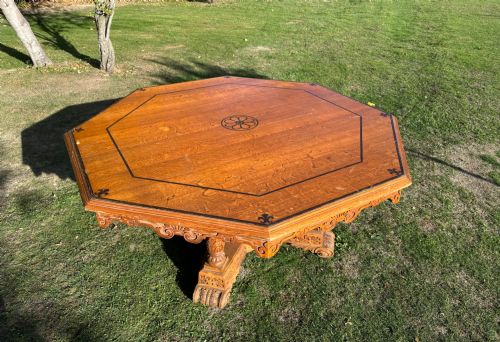
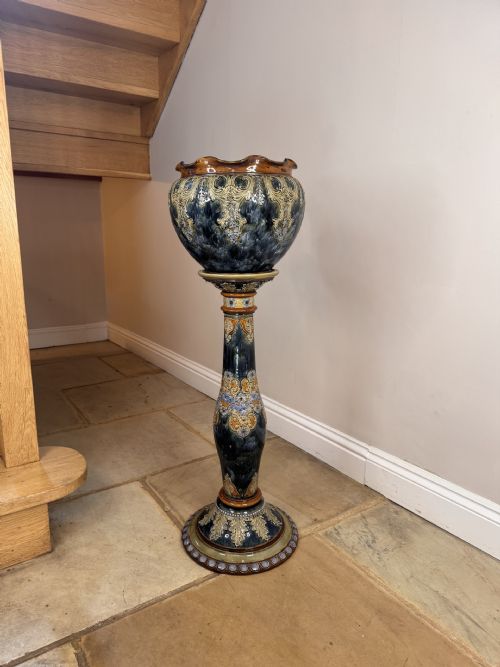
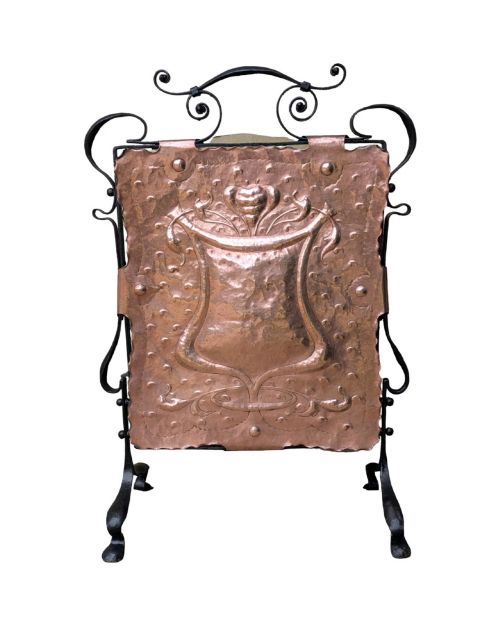
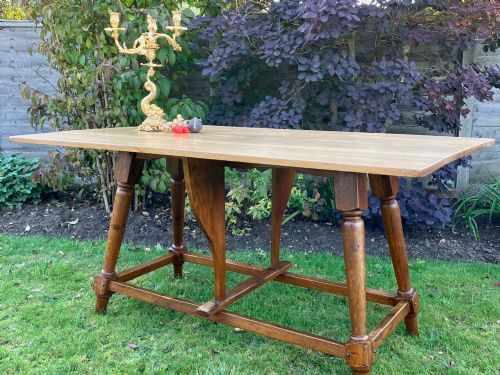
The most common items appearing in this collection are sturdy oak tables, bookcases, and bureaux alongside refined platinum and gold rings set with diamonds or emeralds. Buyers also find brass and copper metalwork, decorative wall paintings, and carved wooden plant stands originating from periods spanning the late Victorian era through the nineteen-thirties.
How they were made
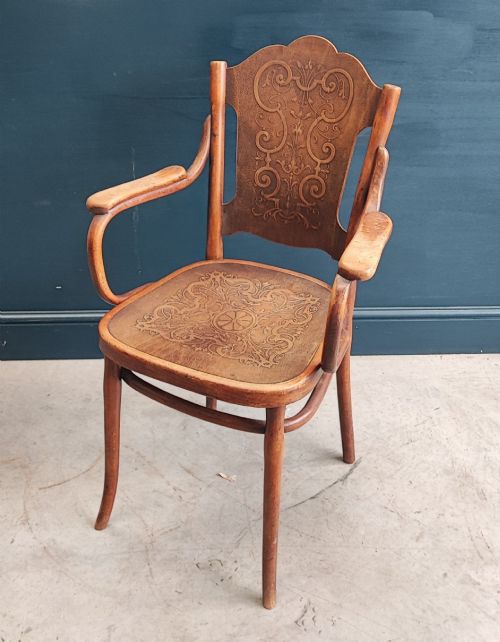
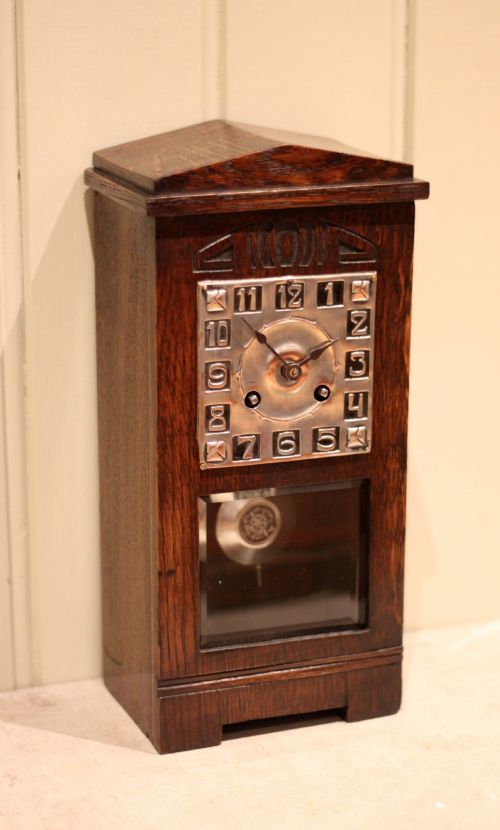
The construction methods rely heavily on traditional timber working, featuring solid oak, walnut, mahogany, and elm shaped into cabinets, occasional tables, and wardrobes. Artisans utilised hand-carved details, raised galleries, and inlaid motifs to elevate domestic woodwork without relying on mass production.
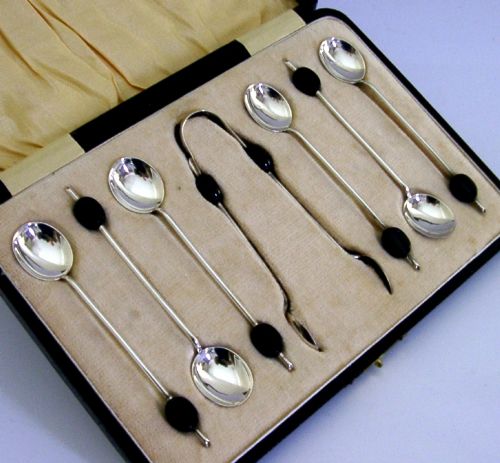
Metalwork and jewellery production combined precious materials like platinum, sterling silver, and gold with gemstones including diamonds, zircons, and peridots. Makers also formed functional household objects from copper, brass, and hand-stitched leather, often applying organic Art Nouveau motifs to everyday items.
Edwardian Art Retail Price Guide 2026
Typical asking prices for edwardian art among the pieces listed under this phrase on Sellingantiques today, from the lower quarter to the upper quarter. They describe what is for sale here now, not the wider market.
Listings feature oak, walnut, mahogany, and elm across cabinets, tables, and seating.
What varies in quality
Quality in these pieces is dictated by the integrity of the materials and the precision of the hand-finishing applied by the maker. Superior items show careful attention to timber grain selection, balanced proportions, and clean mounting in jewellery rather than simple utilitarian assembly.
The distinction between standard domestic pieces and finer workshop creations rests on artistic ambition and maker attribution. Pieces bearing documented studio signatures or distinct stylistic flair demonstrate greater refinement in design execution.
Heals·Liberty & Co·Deakin & Francis·Leonard Wyburd·Edward Souter Barnsley·Murrle Bennett
The Edwardian Art Glossary
- Art Nouveau
- A decorative style characterised by fluid, organic lines and floral motifs popular around the turn of the twentieth century. This aesthetic influenced jewellery, metalwork, and lamp designs.
- Arts and Crafts
- A design movement prioritising traditional craftsmanship and simple forms over industrial manufacturing. Objects from this movement often feature exposed joinery and honest use of oak or elm.
- Platinum
- A dense, durable precious metal frequently utilised in fine jewellery settings during the Edwardian and Art Deco periods. Its strength allowed for delicate wirework framing diamonds securely.
- Purdonium
- A specialised domestic cabinet designed to house household coal beside a fireplace. These wooden containers often matched the surrounding oak furniture in Edwardian reception rooms.
- Occasional table
- A small, movable table designed for versatile use in a drawing room or parlour. These items appear frequently in mahogany and golden oak across the inventory.
Edwardian Art: Frequently Asked Questions
What defines Edwardian furniture?
Edwardian furniture draws on lighter domestic forms than its heavy Victorian predecessor, favouring polished oak, mahogany, and walnut.
Craftsmen often incorporated satinwood banding, raised galleries, and simple tapered legs into tables and cabinets.
How do I care for antique wooden furniture?
Keep wooden pieces away from direct heat sources and strong sunlight to prevent timber splitting and fading.
Apply natural beeswax periodically to nourish the surface grain without building up synthetic residues.
What separates Art Nouveau from Art Deco?
Art Nouveau embraces flowing, asymmetrical plant-inspired curves and organic shapes derived from the natural world.
Art Deco shifts toward strict geometric symmetry, sharp angles, and stylised industrial patterns.
How can I date my Edwardian jewellery?
Examine the metal mountings and gemstone cuts for transitional styles linking late Victorian techniques with nineteen-twenties geometry.
Look for maker stamps, silver hallmarks, or gold carats that record the assay office and production year.