
Edwardian Art Nouveau Silver
Edwardian art nouveau silver brings flowing, organic lines and floral motifs to domestic metalwork, prized for its expressive craftsmanship.
Edwardian Art Nouveau Silver
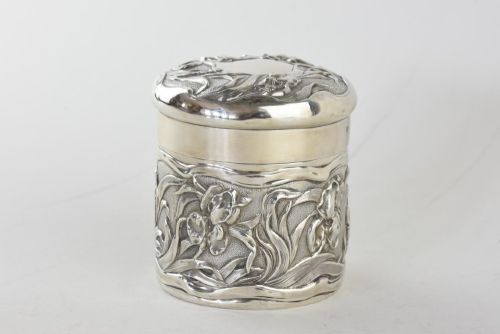
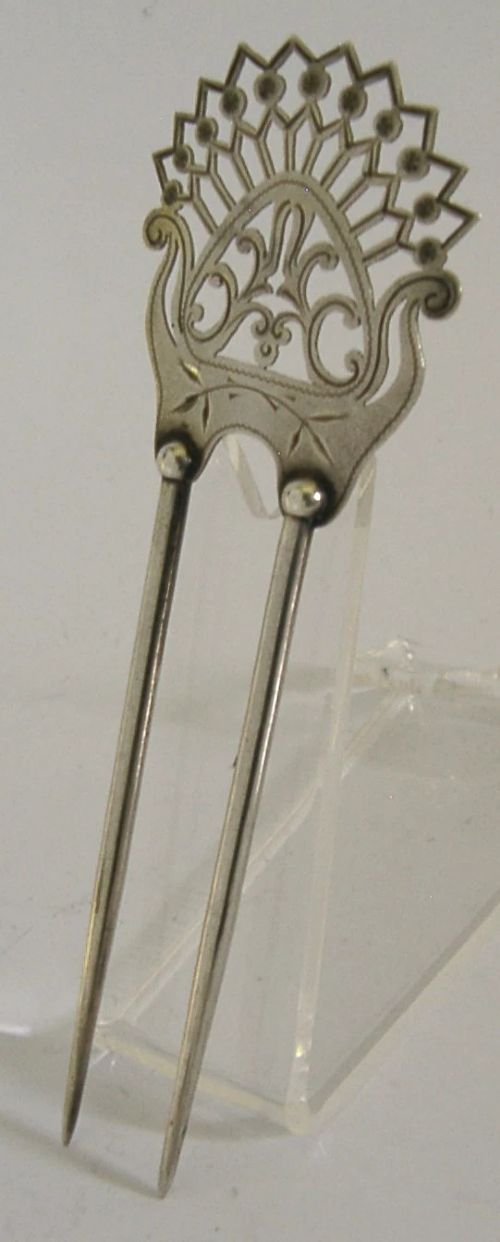
Edwardian art nouveau silver encompasses decorative objects, tableware, and personal accessories produced during the early twentieth century. The period favoured asymmetrical designs, whiplash curves, and stylised natural forms derived from plant stems and insect wings.
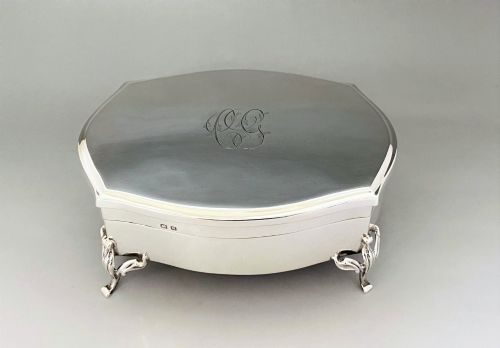
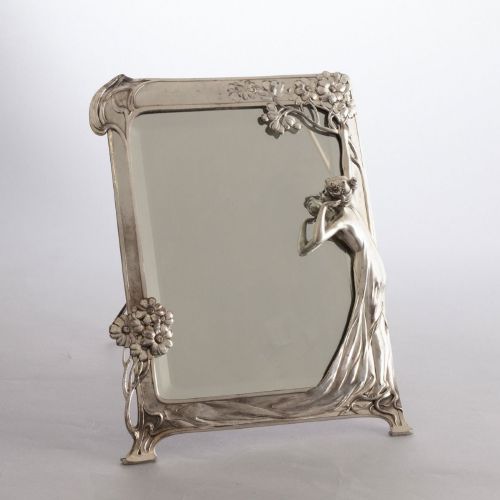
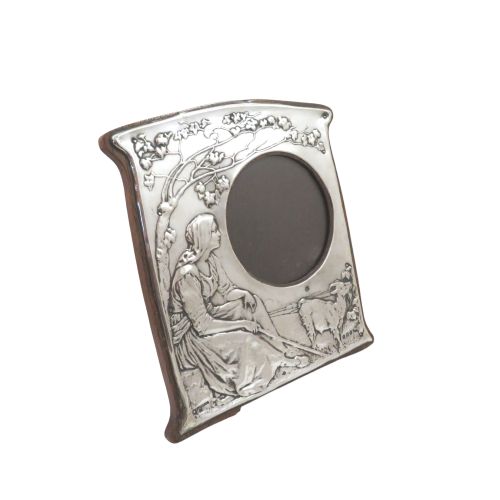
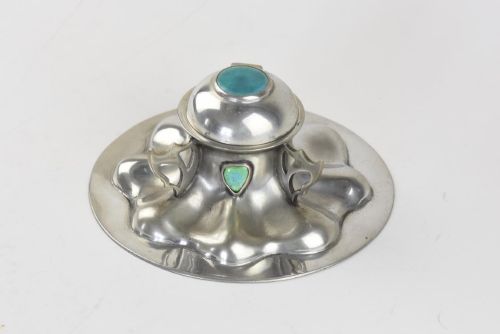
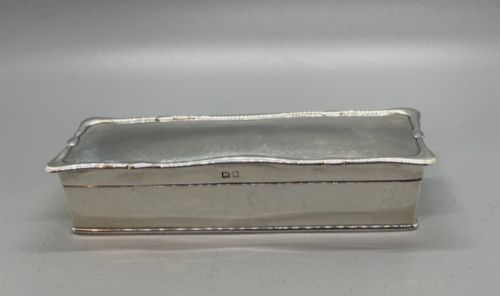
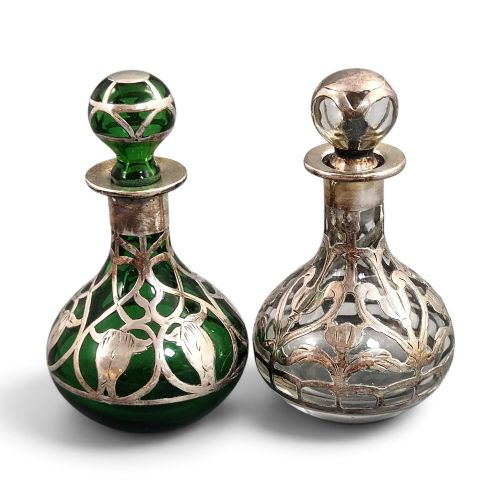
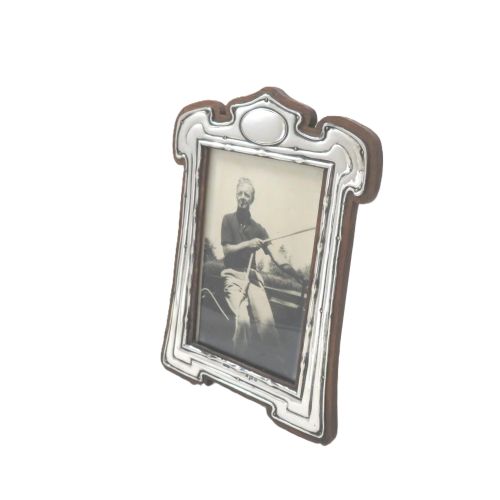
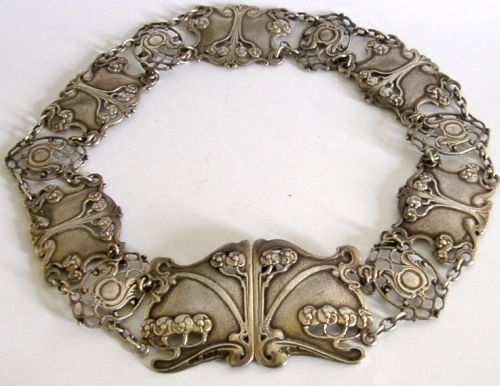
Photo frames, trinket boxes, and jewellery dominate the selection encountered in these listings. Many pieces combine sterling silver with contrasting elements such as enamel, glass, or gemstones.
Makers utilised traditional British assay offices in cities such as London, Birmingham, and Chester to hallmark these items. The surviving inventory reflects both mass-market production and specialised workshops.
How They Were Made
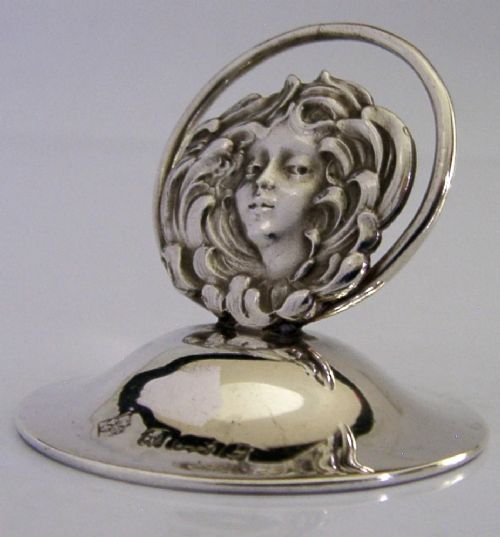
Silversmiths shaped sterling silver using techniques such as repousse, chasing, and piercing to achieve three-dimensional floral and linear relief. Planished surfaces show intentional hammer marks left by the craftsman.
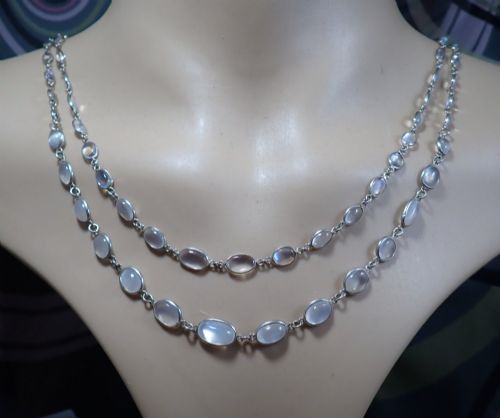
Enamelling added vibrant colour through translucent or opaque vitreous pastes fused to the metal base. Stones like moonstone, amber, and turquoise were frequently cabochon-cut and set into pendants and brooches.
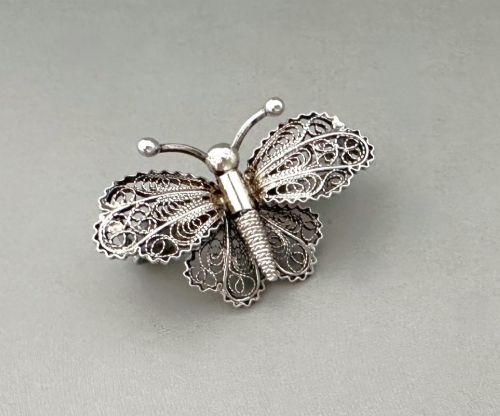
Several items combine rigid metalwork with delicate motifs of leaping frogs, winged butterflies, and resting swans.
What Varies in Quality
The clarity and depth of repousse work distinguish superior casting and hand-finishing from simpler, flatter stampings. Crisp detail in organic motifs indicates a more skilled hand in the workshop.
The preservation of delicate enamel and the originality of fitted components dictate desirability. Items retaining their glass liners, original stones, and unblemished gilding hold higher regard.
Goldsmiths and Silversmiths Company·William Hutton and Sons·Georg Adam Scheid·James Fenton·John Collard Vickery·Murrle Bennett·Archibald Knox·Liberty and Co·Oliver Baker·Charles Horner·Knoll and Pregizer·Henry Matthews·Samson Mordan·Mappin and Webb·Walker and Hall
The Edwardian Art Nouveau Silver Glossary
- Repousse
- A metalworking technique where the artisan hammers the design from the reverse side to create a raised relief on the front. This method gives floral motifs their rounded, organic volume.
- Cabochon
- A gemstone shaped and polished with a smooth, rounded dome rather than faceted edges. These stones are common in arts and crafts jewellery.
- Guilloche
- A decorative technique where a precise pattern is mechanically engraved into a metal surface beneath a translucent enamel layer. It creates shimmering, patterned colour effects.
- Planished
- A surface texture created by hammering metal with a rounded tool to leave overlapping flat facets. This finish highlights the handmade nature of silver bowls and photo frames.
- Vesta case
- A small pocket container designed to hold matches and keep them dry. They often feature engraved or repousse art nouveau decoration.
Edwardian Art Nouveau Silver: Frequently Asked Questions
How do I identify true art nouveau silver?
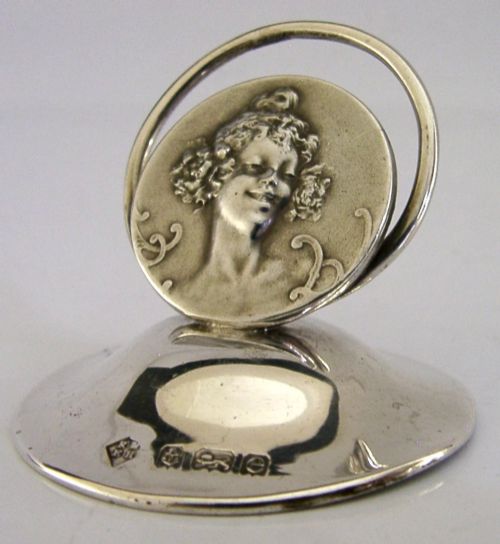
Look for characteristic asymmetrical whiplash lines, stylized floral patterns, and female figures with flowing hair. Hallmarks from the early twentieth century corroborate the period of manufacture.
Matching the stylistic markers with standard British assay office marks confirms the authenticity of the piece.
What items were commonly made in this style?
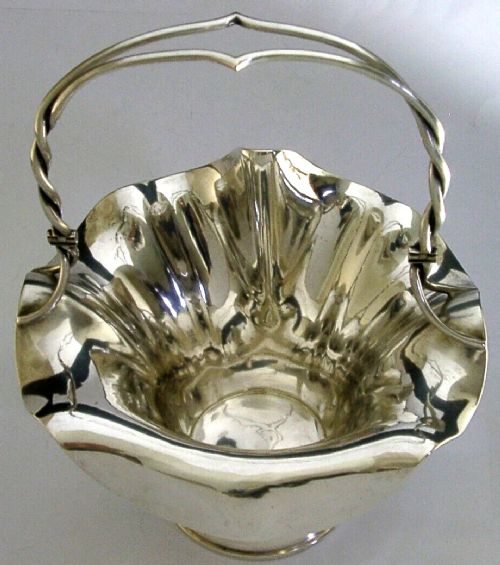
Silversmiths applied these organic designs to personal accessories like belt buckles, photo frames, and vanity jars. Tableware such as bowls, trays, and mustard pots also received the decorative treatment.
Everyday items were elevated into ornamental art through detailed repousse and enamel work.
How should I clean antique silver and enamel?
Use a soft cloth and warm soapy water for silver components, avoiding abrasive polishes that damage fine details and hallmarks. Enamelled surfaces require gentle handling to prevent scratching the glass paste.
Professional care is recommended for pieces with fragile stone settings or delicate gilding.
Are these items marked with hallmarks?
British pieces typically feature a standard set of assay marks including a maker's mark, sterling standard symbol, town mark, and date letter. These stamps reveal the exact year and place of origin.
Foreign items often carry import marks or specific continental workshop stamps.