

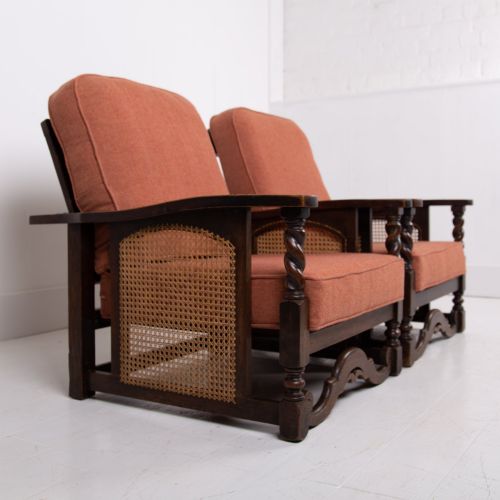
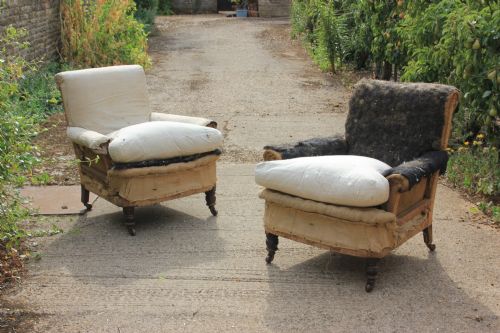

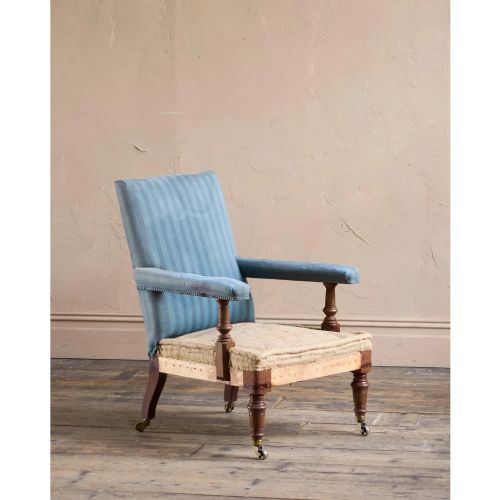
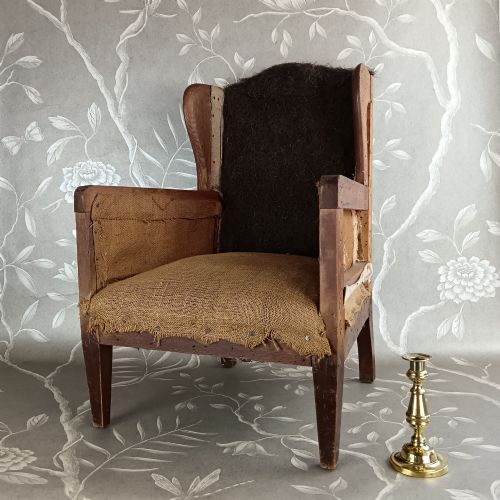
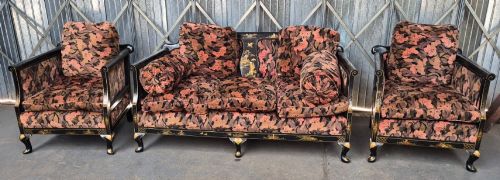
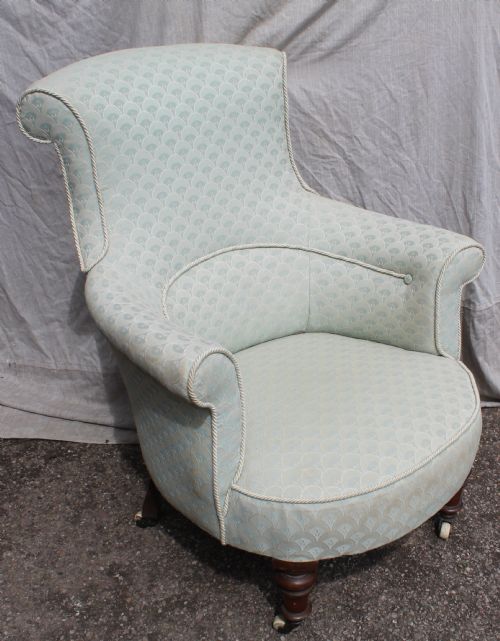
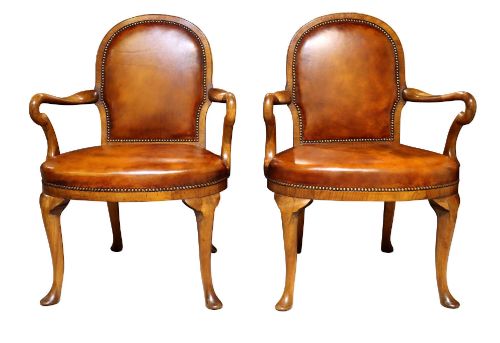

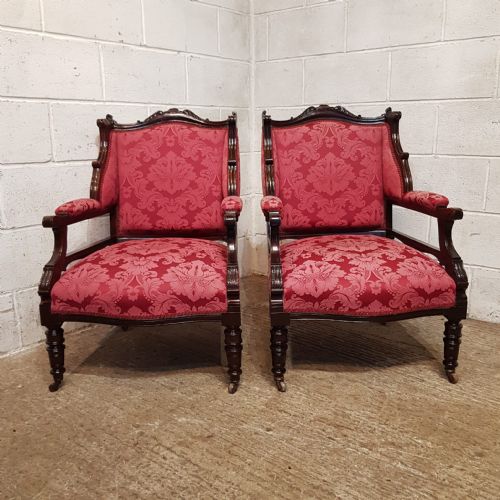

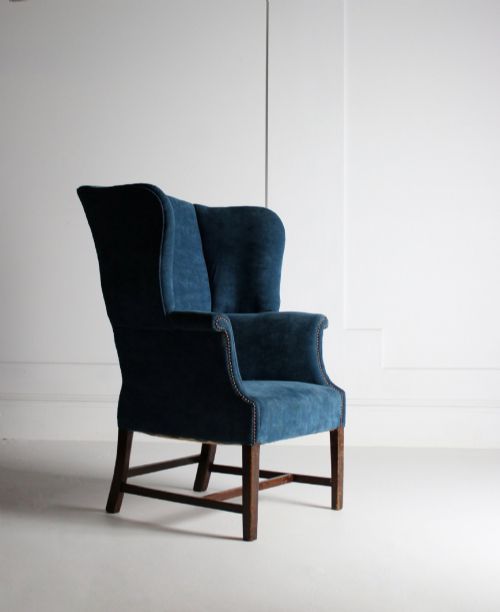
Edwardian Armchair Frame
An edwardian armchair frame provides the sturdy structural skeleton for classic seating, inviting reupholstery or restoration.
Edwardian Armchair Frame
An edwardian armchair frame comprises the exposed timber structure of a seat before final soft furnishings are applied, often surfaced in oak, mahogany, or walnut. Pieces matching this search appear across the Edwardian era, alongside related nineteenth century and early twentieth century examples.
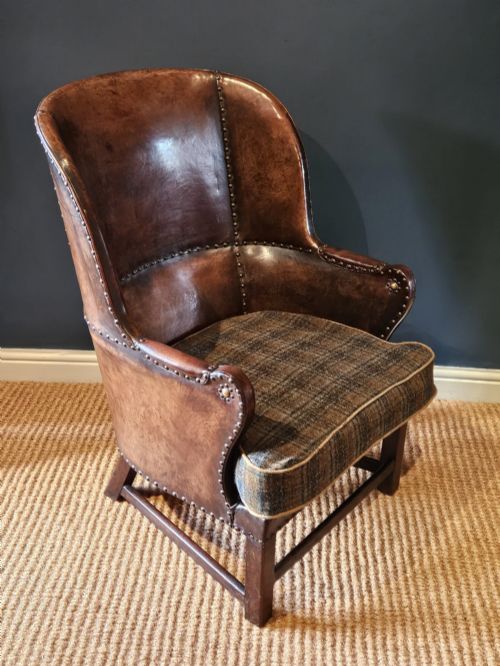
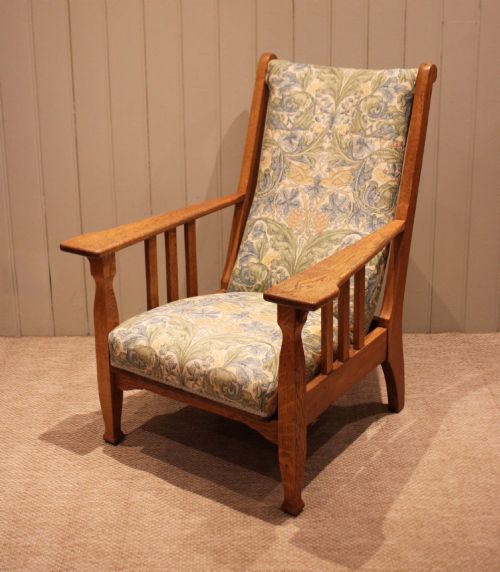
The selection ranges from open armchairs and tub chairs to wingbacks and rocking chairs, reflecting diverse historical styles such as Arts and Crafts, Art Nouveau, and Jacobean Revival. Buyers commonly encounter exposed wood frames stripped back for custom textiles or retaining remnants of original calico and hessian linings.
How they were made
Carpenters constructed these skeletons using durable hardwoods like oak, mahogany, walnut, and rosewood, ensuring long-term structural integrity. Traditional joinery methods secured the joints, while secondary materials such as cane, brass, and iron reinforced specific stress points.
Internal support relied on webbing, hessian, and coiled springs beneath stuffing, preparing the frame to receive velvet, leather, or fabric upholstery. Makers often incorporated decorative elements directly into the timber through inlay, carving, or ebonising.
Edwardian Armchair Frame Retail Price Guide 2026
Typical asking prices for edwardian armchair frame among the pieces listed under this phrase on Sellingantiques today, from the lower quarter to the upper quarter. They describe what is for sale here now, not the wider market.
Several rocking chairs wait patiently for someone to sit down and test their balance.
What varies in quality
The sophistication of the timber work and joinery distinguishes standard utility frames from finer artisanal examples. Superior pieces display thoughtful proportions, crisp carving, or delicate wood inlays that elevate the bare wooden structure.
The integrity of the underlying woodwork dictates longevity, particularly where joints meet under pressure. Original components, uncompromised structural alterations, and refined wood selection separate standard workshop output from exceptional cabinet maker production.
Morison and Co·Gillows·J Foot and Son·William Birch
The Edwardian Armchair Frame Glossary
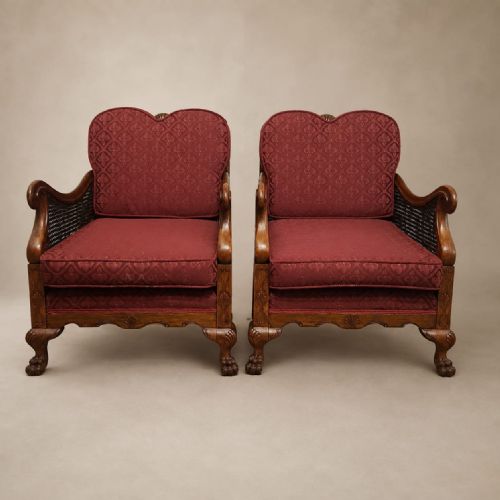
- Bergere
- A wooden framed armchair with woven cane panels on the back and sides. This style gained significant popularity during the late nineteenth and early twentieth centuries.
- Hessian
- A coarse woven fabric typically utilised as a foundational layer to support stuffing inside upholstery. It conceals internal webbing and provides a stable base for top covers.
- Calico
- A plain-woven cotton fabric used as an initial tight cover over stuffing before decorative upholstery is applied. It keeps interior materials securely in place.
- Tub chair
- An armchair featuring a rounded continuous back and armrest structure resembling the shape of a barrel. These often stand on short legs with exposed wooden frames.
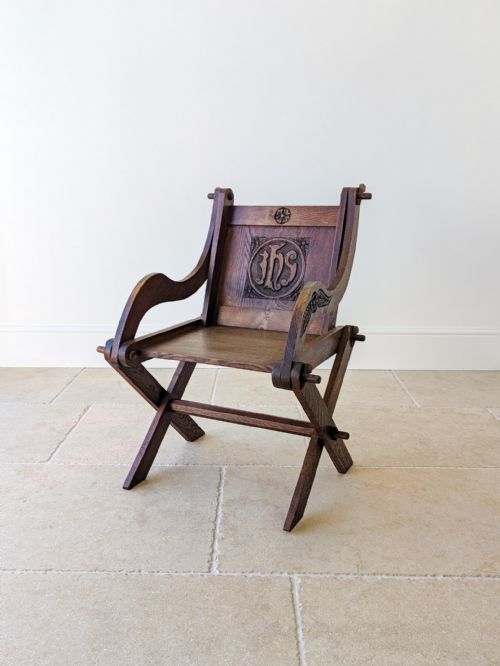
- X frame
- A chair construction utilising intersecting diagonal wooden members forming an X shape beneath the seat. This form offers notable structural strength and visual symmetry.
Edwardian Armchair Frame: Frequently Asked Questions
What is an edwardian armchair frame?
An edwardian armchair frame is the exposed wooden skeleton of a seat, stripped of soft furnishings or presented ready for new upholstery. These structural frames display the craftsmanship of the period through exposed timbers.
They serve as the foundational base for chairs ranging from simple library seating to elaborate parlor armchairs. Collectors acquire them to preserve original woodwork or to finish with bespoke fabrics.
How do I choose the right frame?
Consider the timber type, overall proportions, and style of the woodwork to match your interior space. Oak frames offer a sturdy Arts and Crafts aesthetic, while mahogany and walnut provide refined formal lines.
Examine the exposed joints and overall stability of the wooden structure before committing to a restoration project. Ensure the scale of the armchair suits the intended room proportions.
Can I use these frames without upholstery?
Some frames are designed with decorative wooden backs or cane panels that look complete without heavy padding. However, most require webbing, springs, and cushions to function as comfortable seating.
Leaving a frame partially exposed or minimal allows the natural grain of the oak or walnut to remain visible. Traditional calico or simple loose cushions can be added for practical daily use.
How do I date an armchair frame?
Dating relies on identifying the prevailing style of the woodwork, such as Art Nouveau curves or Arts and Crafts simplicity. Secondary clues include the type of timber utilised and construction techniques visible in the joints.
Comparing the design to documented period catalogues helps narrow down the exact decade of manufacture. Hardware elements like brass casters or screws also offer reliable chronological markers.