



Edwardian Architectural Art
Edwardian architectural art encompasses watercolours, stained glass and salvage from the early decades of the twentieth century that bring historic craftsmanship into modern interiors.
Edwardian Architectural Art
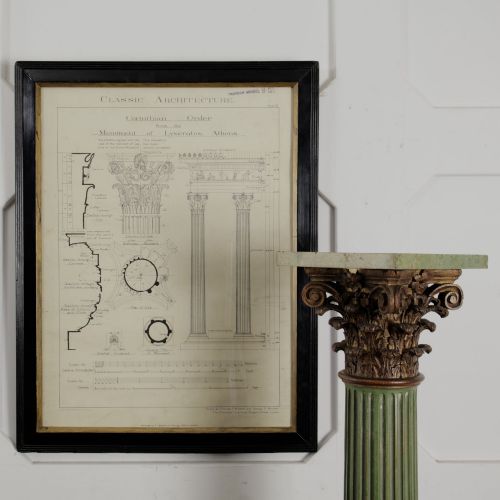
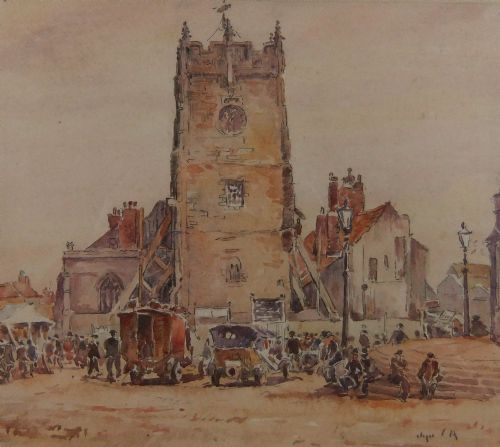
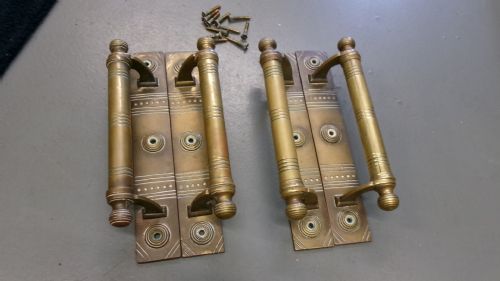
Edwardian architectural art spans domestic stained glass windows, framed watercolours of urban street scenes, and brass hardware retrieved from period buildings. These pieces originate primarily from the late nineteenth century through the nineteen-thirties, reflecting the aesthetic priorities of the Edwardian era alongside late Victorian and Arts and Crafts movements.
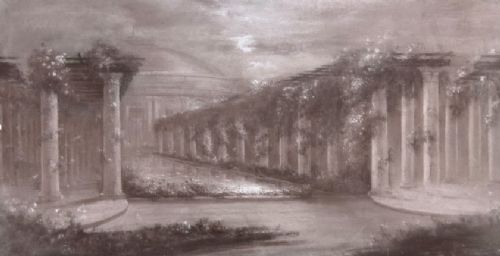
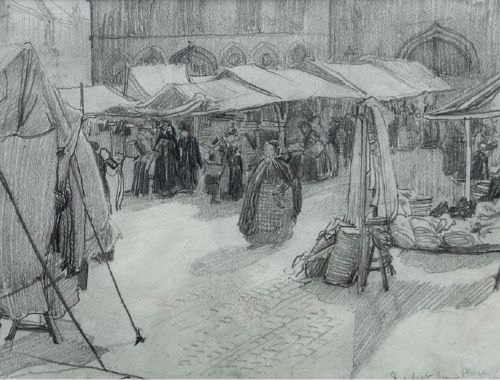
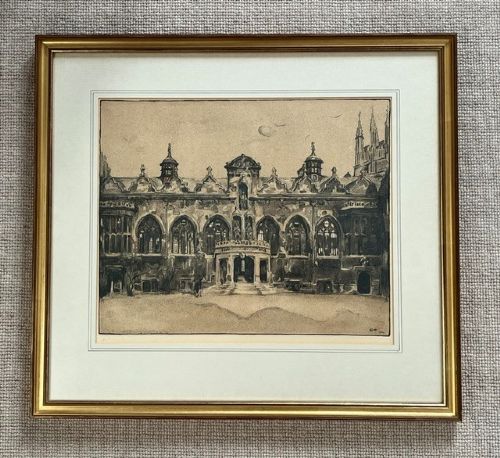
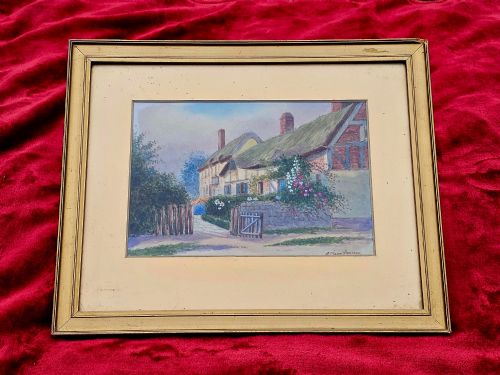
The selection on this page leans heavily into works on paper, such as charcoal drawings and townscape watercolours, alongside leaded glass panels incorporating hand-painted countryside scenes. Buyers frequently encounter architectural salvage like door handles and finger plates, which sit alongside framed lithographs and oil paintings of academic colleges and market squares.
Materials and construction
Leaded glass windows combine coloured and textured glass held within lead cames, frequently enhanced with hand-painted floral or avian motifs. Brass hardware employs heavy casting techniques typical of Arts and Crafts workshops, producing robust door furniture and secessionist table lamps.
Paintings and drawings utilise paper, canvas stretchers, and wood panels, employing media such as watercolour, charcoal, pencil, ink, and oil. Frames often incorporate reverse cut glass or traditional wood moulding to house these works.
One model of a medieval house is constructed entirely from matchsticks.
Evaluating quality
Quality rests upon the execution of the hand-painted details within leaded glass panels and the precision of draughtsmanship in original watercolours and charcoal sketches. Signed works by documented artists carry distinct advantages in attribution over anonymous school pieces.
The integrity of materials dictates the standard of architectural salvage and glass panels, where intact lead cames, original brass patination, and undamaged reverse cut glass preserve the historical value of the object.
Henry Percy Huggill·Thomas Ellison·Sir William Nicholson·A Marie Parsons·John Smith Atherton·Alfred George Morgan·Charles James Lauder·Rowland Henry Hill·G Villiers Stuart·George Whyatt·Joseph W Milliken
The Edwardian Architectural Art Glossary
- Leaded glass
- Glass panels assembled using lead strips known as cames to hold individual pieces together. These often feature hand-painted roundels or stained elements depicting natural subjects.
- Watercolour
- A painting method where fine pigment is suspended in a water-based solution on paper support. It dominates the topographical townscapes and architectural studies seen in this period.
- Architectural salvage
- Building elements and decorative fixtures rescued from structures slated for demolition or alteration. Examples include brass door plates and window panels.
- Arts and Crafts
- A design movement valuing handcraft, traditional materials, and simple utility over industrial mass production. This aesthetic influences much of the metalwork and cabinetry found here.
- Lithograph
- A print produced from a flat stone or metal plate treated to retain ink only in desired areas. It allows for the reproduction of architectural subjects like Oxford colleges.
Edwardian Architectural Art: Frequently Asked Questions
How do I hang leaded glass windows?
Leaded glass panels require robust fixings attached to the window frame rather than simple picture hooks, as the lead cames and glass carry substantial weight. Hanging them securely in front of a light source allows natural daylight to illuminate the hand-painted details.
Ensure the hanging chain or wire connects directly to the structural perimeter of the panel to prevent sagging. Professional framing or specialist brackets protect the lead structure over time.
Where were these watercolours painted?
The watercolours and drawings on this page capture locations across Britain and continental Europe, ranging from London street scenes and Oxford colleges to Belgian markets and Venetian canals. Artists frequently travelled to record historic townscapes and rural landscapes during the Edwardian period.
Many works retain inscriptions or signatures detailing the exact town or building depicted, providing a clear record of early twentieth-century topography.
How do I clean brass architectural salvage?
Brass door plates and handles benefit from gentle dusting with a soft cloth to preserve their historical patination. Aggressive metal polishes strip away the aged surface character that collectors value.
If cleaning is necessary for hygiene on functional door furniture, warm soapy water applied sparingly and dried immediately prevents tarnishing without harming the original metal finish.
What defines Edwardian style?
Edwardian style blends lighter, more decorative elements with traditional proportions derived from Georgian and Victorian precedents. It embraces both the refined watercolours of British landscape painters and the sturdy craftsmanship of the Arts and Crafts movement.
In architectural art, this translates to balanced compositions, floral motifs in stained glass, and functional hardware designed with artistic integrity.