







Edo Period Vase
When you search for an edo period vase, you are looking at centuries of Japanese ceramic skill created for domestic display and export trade.
Edo Period Vase
An edo period vase encompasses porcelain and pottery vessels shaped as baluster jars, trumpet beakers, bottles, and lidded containers. These items arrive from historic kilns in Japan, spanning production from the seventeenth century through to the nineteenth century.
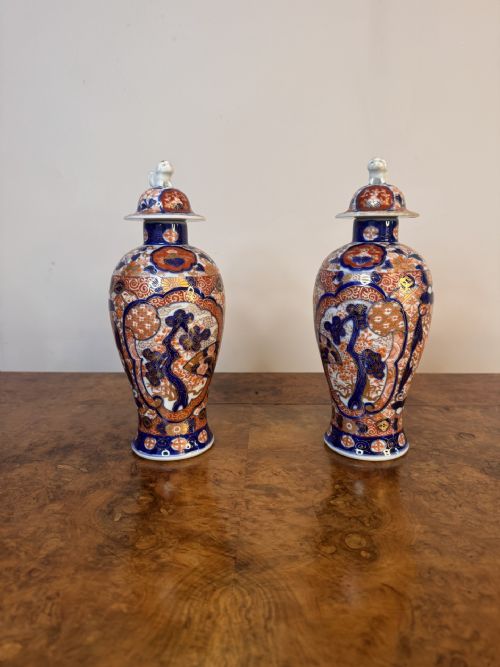
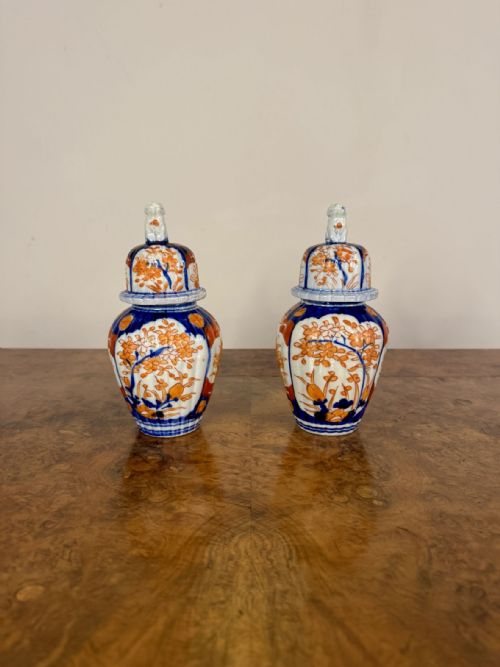
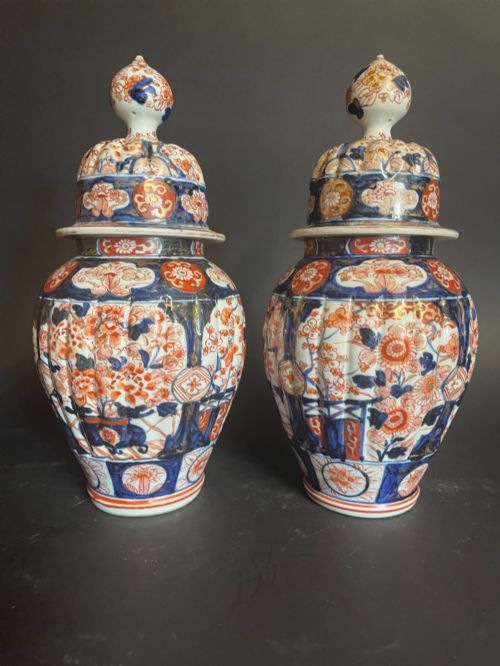
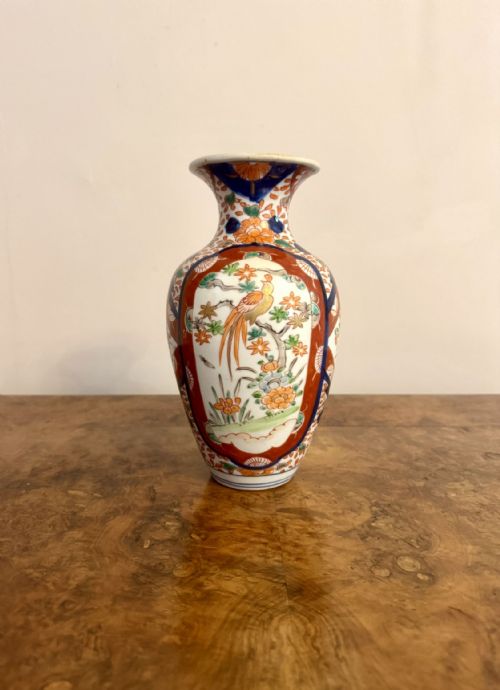
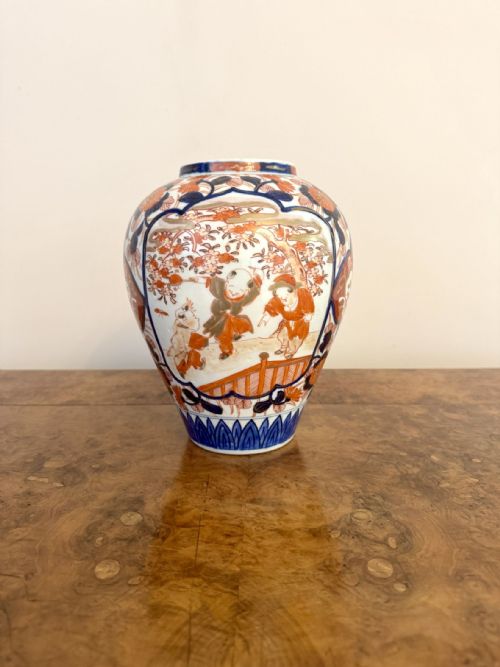
The version most commonly encountered on this page is the Japanese Imari vessel, often decorated in iron red, cobalt blue, and gilt. Buyers also find Arita blue and white porcelain alongside larger palace pieces featuring enamel and cloisonne.
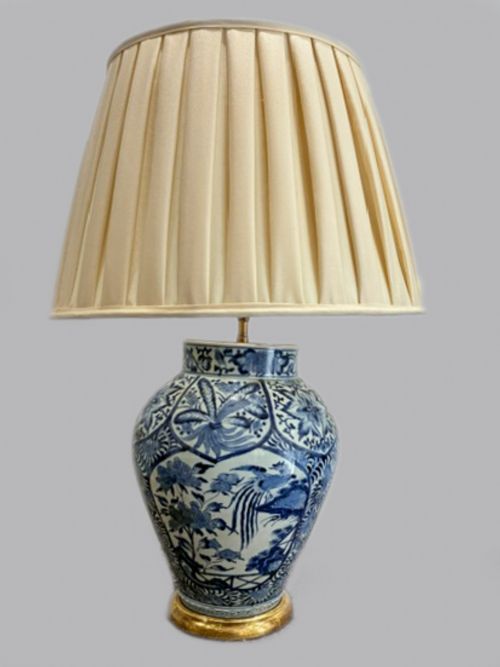
Many of these vessels served practical functions such as wine bottles or lidded storage jars, while others were made purely for ornament. Some examples show later adaptations into table lamps.
How they were made
Potters shaped these vessels from local clay and porcelain bodies, throwing them on wheels or forming them within moulds before applying underglaze cobalt blue. Artisans then added overglaze enamels such as iron red, sometimes highlighting motifs with gold leaf or gilding.
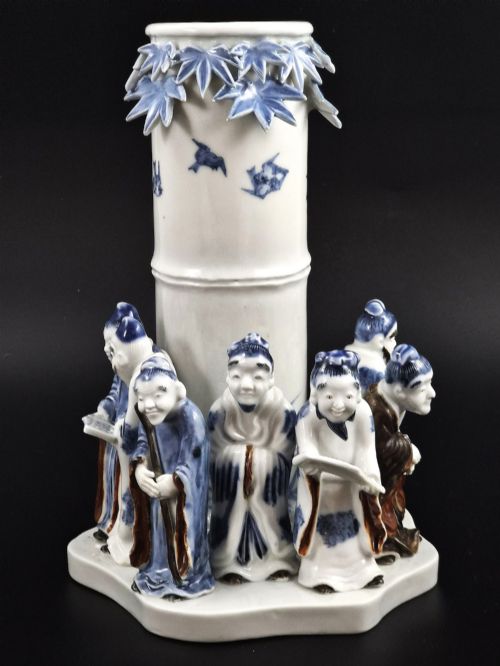
Kiln workers fired the pieces at high temperatures to vitrify the porcelain, following traditional Japanese ceramic methods established in centres like Arita. Surface decoration often included intricate figural scenes, flora, and fauna such as the phoenix.
Selected metal elements, bronze mounts, and brass fittings appear on specific forms, while converted lamps incorporate wiring alongside the historic ceramic body.
Edo Period Vase Retail Price Guide 2026
Typical asking prices for edo period vase among the pieces listed under this phrase on Sellingantiques today, from the lower quarter to the upper quarter. They describe what is for sale here now, not the wider market.
Keep an eye out for depictions of mythical Ho-o birds and horses painted across the porcelain surfaces of these historic vessels.
What varies in quality
The distinction between standard commercial output and the finest examples lies in the crispness of the hand-painted brushwork and the depth of the glaze palette. Superior pieces display meticulous detailing in the floral and figural motifs, whereas simpler items show more repetitive or hurried application.
The integrity of the porcelain body and the preservation of overglaze enamels and gold leaf dictate the desirability of a vessel. Pieces that retain their original matched covers and balanced proportions command greater attention from collectors.
The Edo Period Vase Glossary
- Imari
- A style of Japanese export porcelain originating from the port of Imari, typically decorated in cobalt blue, iron red, and gold. This palette remains one of the most recognisable outputs of historic kilns.
- Arita
- The town in Japan where porcelain production began in the early seventeenth century. Arita wares formed the basis for much of the country's export trade.
- Garniture
- A set of three or more matching vases or jars designed to be displayed together on a mantelpiece or cabinet. These matching sets were highly fashionable in European and Japanese interiors.
- Baluster
- A vase form characterised by a bulbous lower portion that tapers towards the neck. This shape provides stability and a generous surface for painted decoration.
- Cloisonne
- A technique where enamel is applied within compartments created by soldered metal wires on a base. This method produces vibrant decorative patterns across large palace vessels.
Edo Period Vase: Frequently Asked Questions
How do I spot a genuine piece?
Examine the underglaze painting, body weight, and foot ring for consistency with historic Japanese manufacturing methods. Natural wear to the base and enamels helps confirm age.
Look closely at the iron red and cobalt blue pigments for signs of genuine softening and integration into the glaze over centuries.
Were these used in Japan?
Many vessels served practical domestic roles for storage or flower arrangement within Japanese households, while others were explicitly produced for European export markets through trading ports.
Export wares often reflected Western tastes in scale and shape while retaining traditional Japanese motifs and glazing techniques.
What does a converted lamp mean?
Some historic ceramic bodies were fitted with electrical components during the twentieth century to function as table lamps. This adaptation altered the original vessel form.
Collectors weigh the decorative utility of a lamp against the altered state of the antique ceramic body.