







Edo Period Pottery
These pieces of edo period pottery bring together the refined ceramics of Japan, offering a tangible connection to historical craft through porcelain, earthenware, and detailed glaze work.
Edo Period Pottery
When buyers search for edo period pottery, they encounter a range of Japanese ceramics spanning decorative plates, sculptural figurines, and functional vessels. The examples on this page reflect both the traditional aesthetics of the era and the broader stylistic overlaps with the subsequent Meiji period.
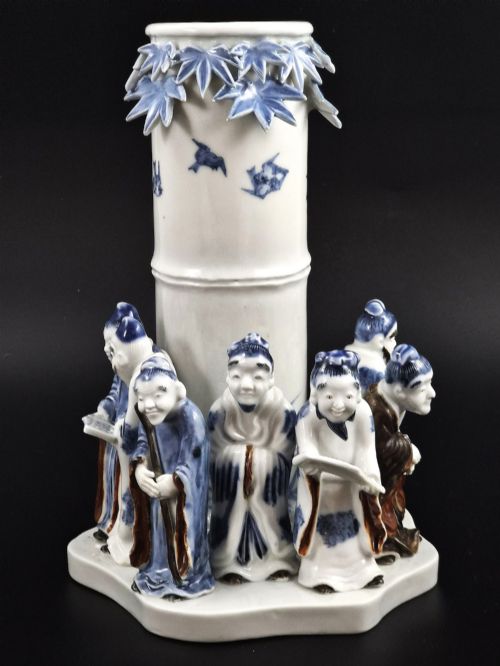
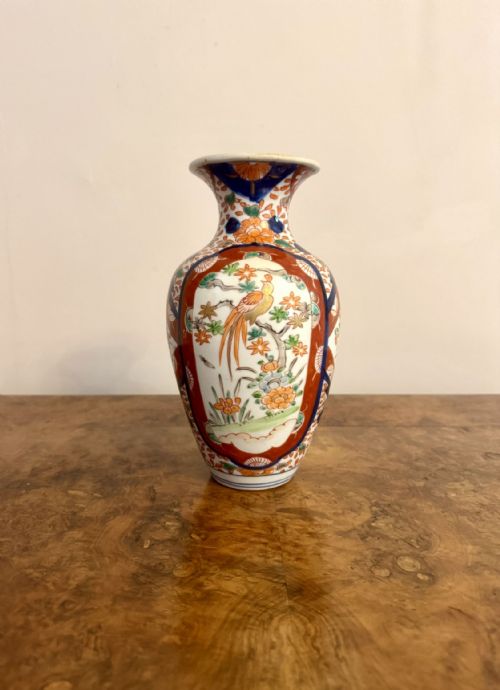
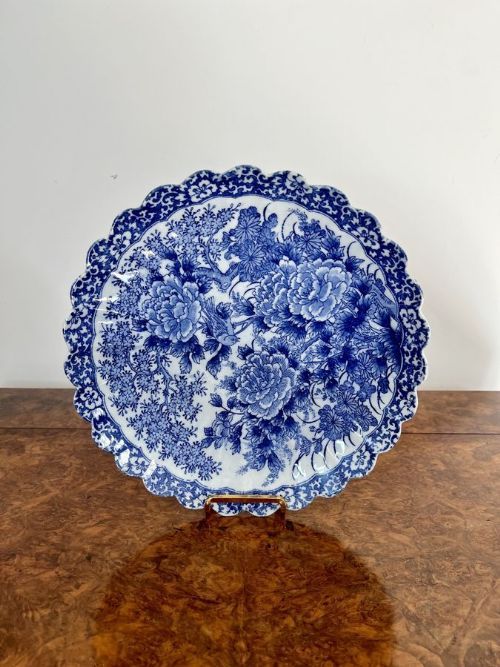
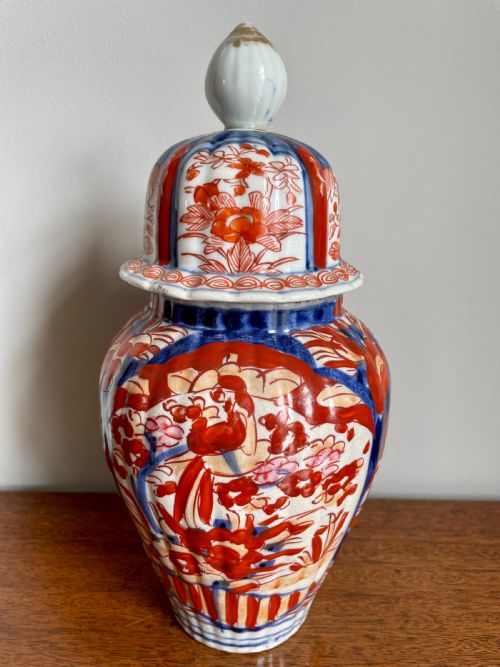
The objects frequently take the form of Imari vases, scalloped edge plates, and tripod bowls originating from centres such as Arita and Mikawachi. Collectors will notice pieces designated under the Edo period alongside those spanning the eighteenth and nineteenth centuries.
Vessels range from large decorated vases to cabinet plates and figural representations like the Daruma Monk by Satsuma. These forms demonstrate the versatility of Japanese ceramic traditions during a time of distinct artistic development.
Materials and Techniques
Makers utilised porcelain and earthenware as the primary foundation for these ceramic pieces, shaping them into vases, bowls, and plates. Cobalt oxide and cobalt glaze provided the deep blue tones characteristic of traditional blue and white decoration.
Enamel and gold leaf or gilt were frequently applied to enhance the surface detail of Imari and Kakiemon designs. Firing techniques achieved the durable glazes seen across the tripod bowls and lidded vases recorded in the evidence.
Edo Period Pottery Retail Price Guide 2026
Typical asking prices for edo period pottery among the pieces listed under this phrase on Sellingantiques today, from the lower quarter to the upper quarter. They describe what is for sale here now, not the wider market.
Listings feature porcelain, earthenware, glaze, and gold leaf applied across Imari styles, cabinet plates, and figural vases.
Assessment of Quality
Quality in these ceramics rests upon the precision of the hand-painted cobalt and enamel decoration, where clarity of line distinguishes the superior work. The crispness of moulded forms, such as hexagonal shapes and scalloped edges, also indicates the skill of the potter.
The application of gold leaf and the consistency of the glaze across porcelain surfaces reveal the attention given during production. Pieces exhibiting complex figural subjects or balanced compositions represent the more accomplished end of the range.
Mikawachi·Arita·Satsuma
The Edo Period Pottery Glossary
- Imari
- A style of Japanese porcelain decorated in underglaze blue and overglaze colours, typically red, gold, and green. This style originated in Hizen province and was exported through the port of Imari.
- Kakiemon
- A style of Japanese enamel ceramic decoration characterised by a milky white body and asymmetric, delicate painted motifs. It represents one of the refined aesthetic streams of Japanese pottery.
- Earthenware
- Porous pottery that has been fired at lower temperatures than porcelain. It forms the body for specific figural works and traditional Japanese vessels.
- Cobalt Oxide
- A mineral compound used to create deep blue underglaze decoration on ceramics. Painters applied it directly to the clay body before the final glaze and firing.
- Tripod Bowl
- A vessel supported by three feet, frequently seen in early porcelain forms from Arita. These bowls combine stability with ornamental design.
Edo Period Pottery: Frequently Asked Questions
What defines edo period pottery?
These pieces encompass Japanese ceramics created during the Edo era, featuring porcelain bodies, cobalt glaze, and distinctive styles such as Imari.
They reflect the traditional techniques and artistic output of Japanese kilns during centuries of historical change.
How were these ceramic vessels used?
Many items functioned as decorative plates, cabinet pieces, or lidded vases designed to adorn traditional interiors.
Figurines served as sculptural representations of cultural figures, while tripod bowls had both display and utility purposes.
How do I care for antique porcelain?
Keep these ceramic pieces away from direct sunlight and dramatic temperature fluctuations to protect the glaze and surface gilding.
Dust gently with a soft cloth and avoid chemical cleaning agents that might damage delicate enamel work.
How are different periods identified?
Identification relies on stylistic markers, materials, and documented characteristics associated with specific Japanese production centres.
Comparing glaze types, painting styles, and form helps place pieces within the broader nineteenth and eighteenth-century timeline.