





Edo Period Dish
An edo period dish brings centuries of Japanese ceramic skill into the room through vibrant porcelain forms.
Edo Period Dish
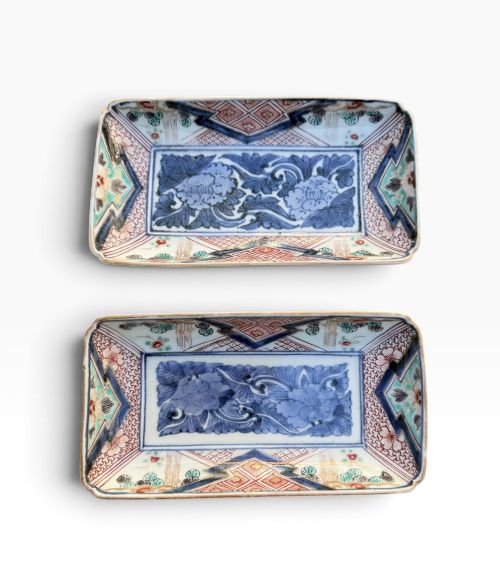
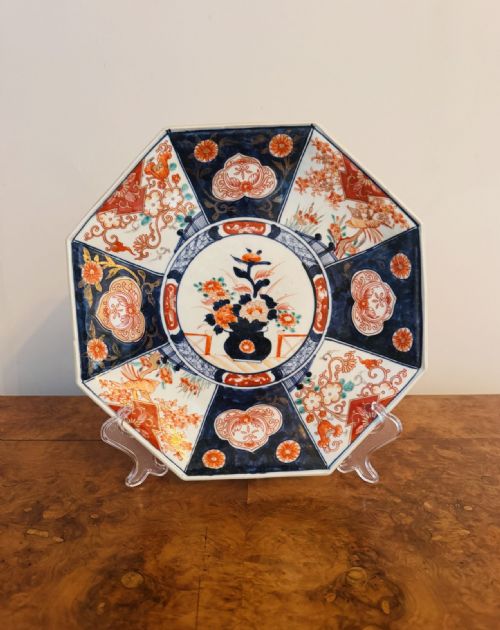
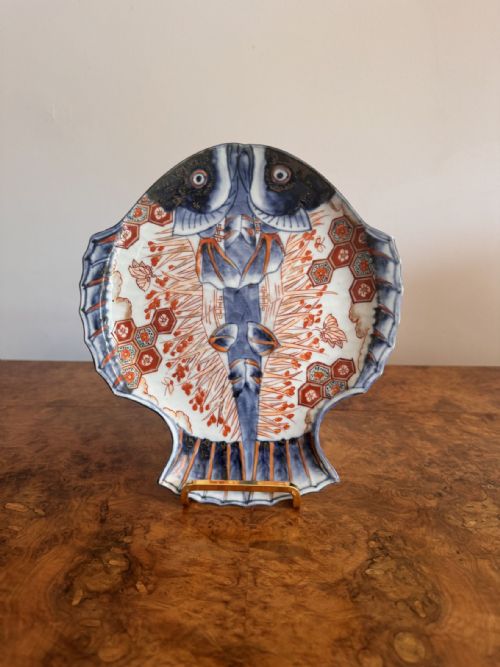
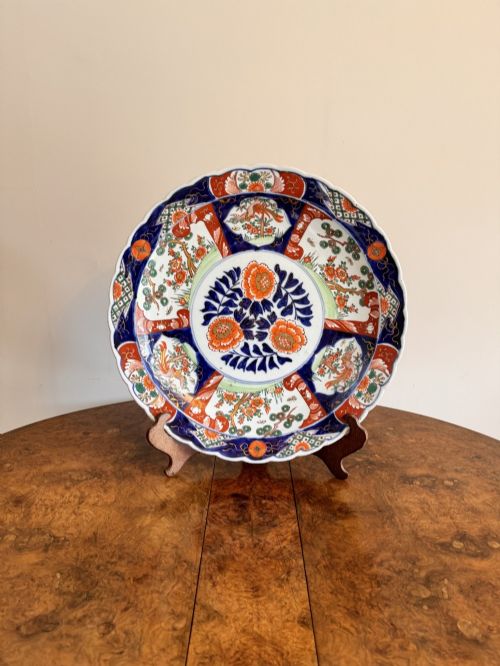
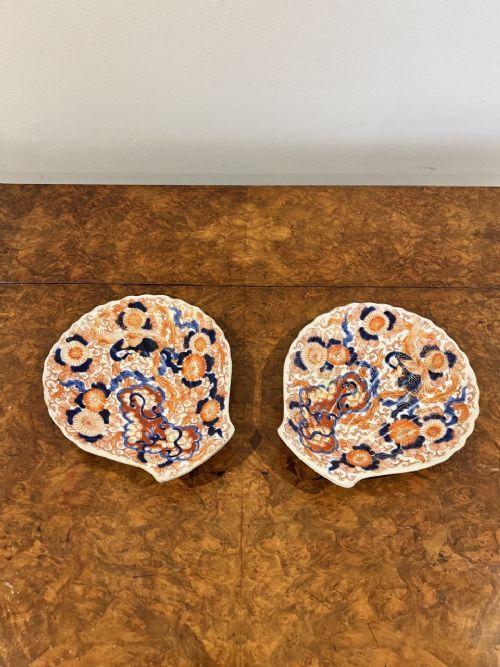
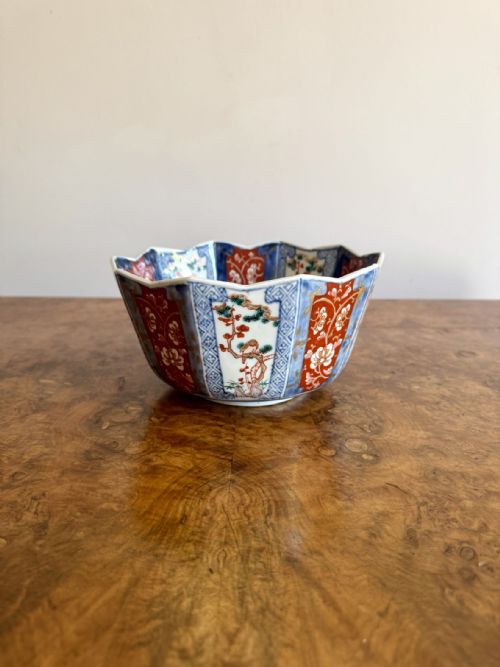
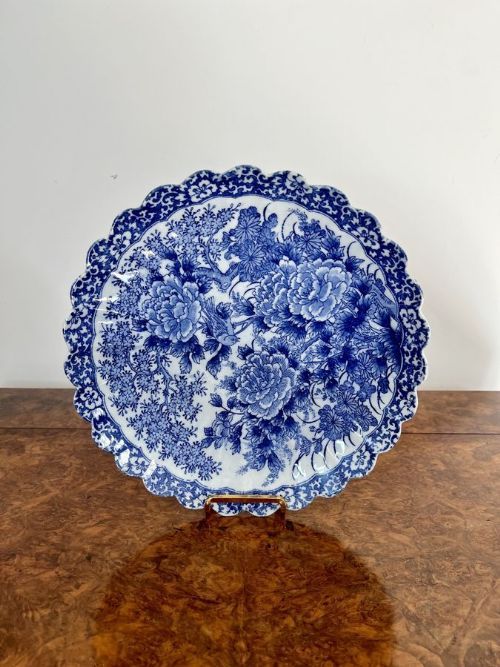
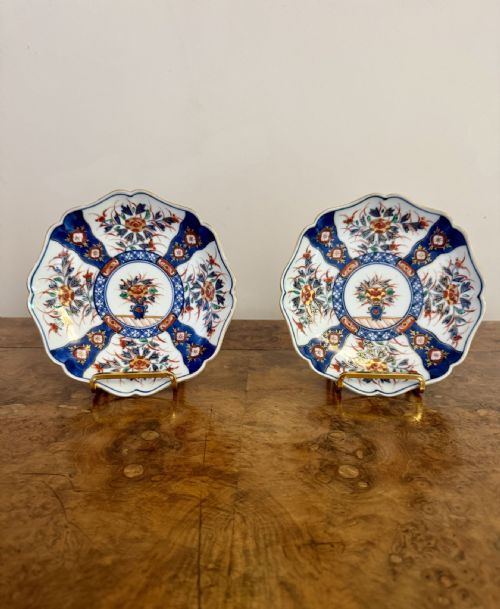
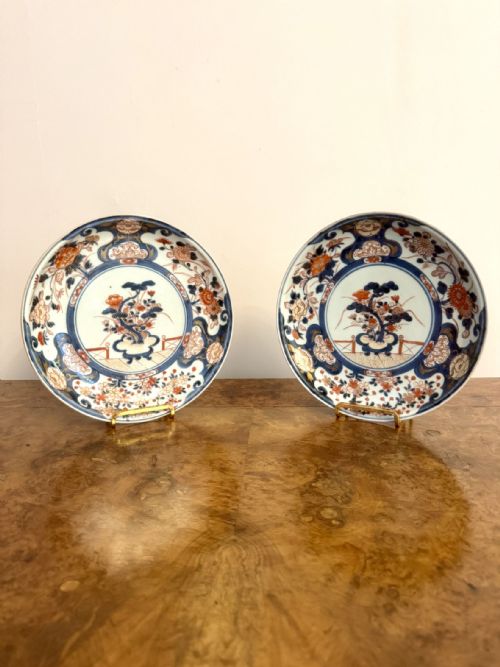
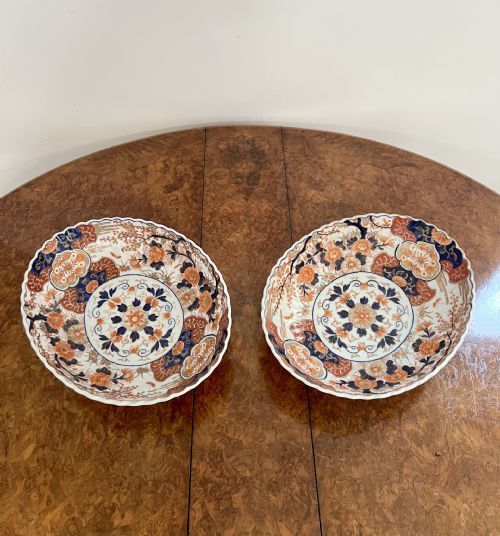
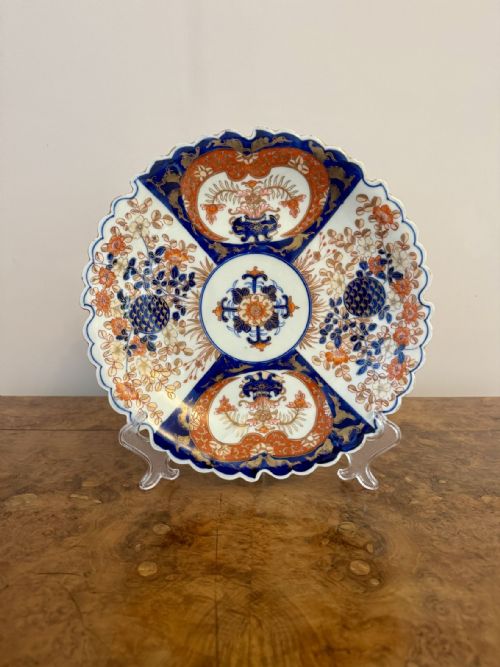
An edo period dish represents centuries of Japanese ceramic artistry, appearing on this page across several distinct centuries from the seventeenth onwards. A buyer exploring this category encounters plates, chargers, and bowls shaped as fans, leaves, shells, and fish alongside standard round forms.
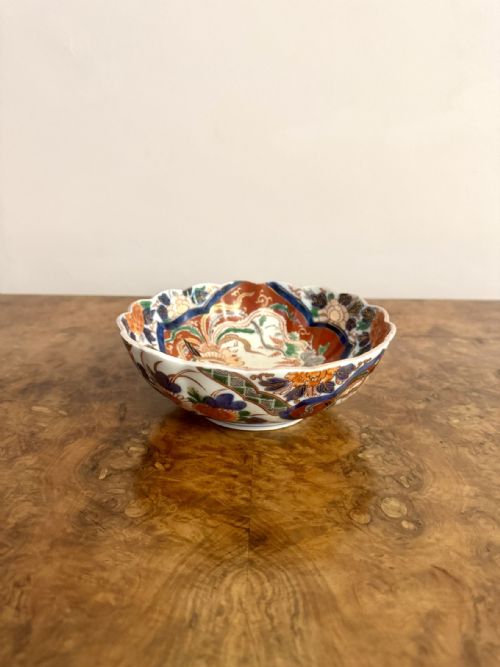
The most common examples on this page adopt Japanese Imari and Arita styles, combining complex surface patterns with specific forms like hexagonal plates and scalloped edge bowls. These pieces bridge utilitarian vessels and decorative objects created for display.
Objects catalogued here span multiple eras including specific entries from the Genroku Period and broader nineteenth century datings. Each item reflects the established kiln traditions of Japan without relying on contemporary reproductions.
Materials and construction
Makers formed these pieces from ceramic and porcelain, applying cobalt underglaze, cobalt glaze, and various enamels to the fired body. Gold leaf and gilding frequently highlight specific details across the surface design.
Kiln workers shaped the clay into specialised geometries such as hexagonal and square plates, or moulded natural motifs like clam shells and leaves directly into the ceramic body.
Edo Period Dish Retail Price Guide 2026
Typical asking prices for edo period dish among the pieces listed under this phrase on Sellingantiques today, from the lower quarter to the upper quarter. They describe what is for sale here now, not the wider market.
Listings here feature porcelain, enamel, gold leaf, and cobalt underglaze applied across multiple centuries from the seventeenth to the twentieth.
Factors separating examples
The precision of the painting and the complexity of the cobalt underglaze work distinguish finer examples from standard production. Imari pieces with crisp enamel application and integrated gold leaf demonstrate higher technical attainment in the kiln.
Form dictates distinction when makers depart from standard circles to fashion fan shapes, fish outlines, or paired shell designs. The clarity of the glaze and the crispness of scalloped edges reveal the proficiency of the potter.
The Edo Period Dish Glossary
- Imari
- A style of Japanese porcelain decorated in underglaze blue, iron red, and gold, named after the port from which it was shipped.
- Arita
- The Japanese town and surrounding region where porcelain production originated in the seventeenth century.
- Charger
- A large decorative plate intended for display on a sideboard or wall rather than for dining use.
- Genroku Period
- A specific era within the Edo period, lasting from sixteen eighty-eight to seventeen hundred four, noted for cultural expansion.
Edo Period Dish: Frequently Asked Questions
What is an edo period dish?
An edo period dish is a ceramic or porcelain vessel made in Japan during the Edo era, spanning multiple centuries of traditional production.
These items range from round plates to moulded forms like leaves and shells, primarily decorated in Imari and Arita styles.
How were these dishes used?
Many of these vessels served as decorative chargers and display plates rather than functional tableware for everyday meals.
Larger chargers were set on tables or walls, while shaped dishes held small portions or displayed artistic motifs.
How do I care for antique porcelain?
Antique porcelain requires gentle handling and cleaning with soft cloths, avoiding abrasive materials that can damage surface enamel and gilding.
Display these pieces away from areas prone to sudden temperature changes or heavy vibrations.
How are different periods identified?
Periods are determined through stylistic indicators, kiln techniques, and specific decorative palettes associated with eras like the Genroku or later nineteenth century.
Changes in cobalt underglaze and enamel application help date the ceramic body.