




Edo Period Art
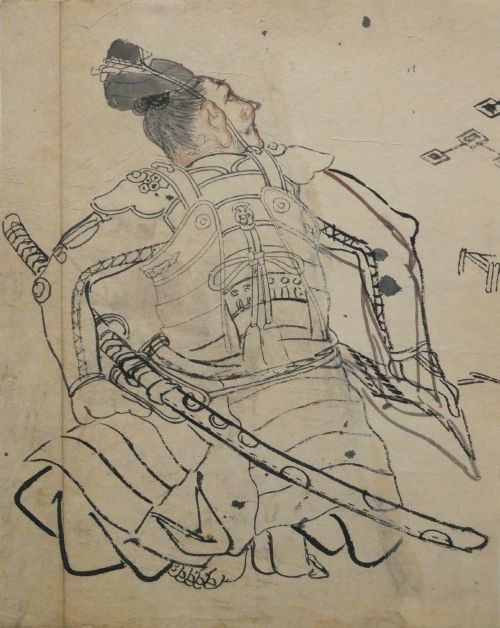
These pieces of edo period art range from woodblock prints to carved netsuke, offering a direct link to Japanese craftsmanship across the centuries.
Edo Period Art
When you search for edo period art, you encounter a diverse selection of objects spanning centuries of Japanese history. The items range from intricate woodblock prints and decorative plates to carved wood netsuke and archaic bronze bowls.
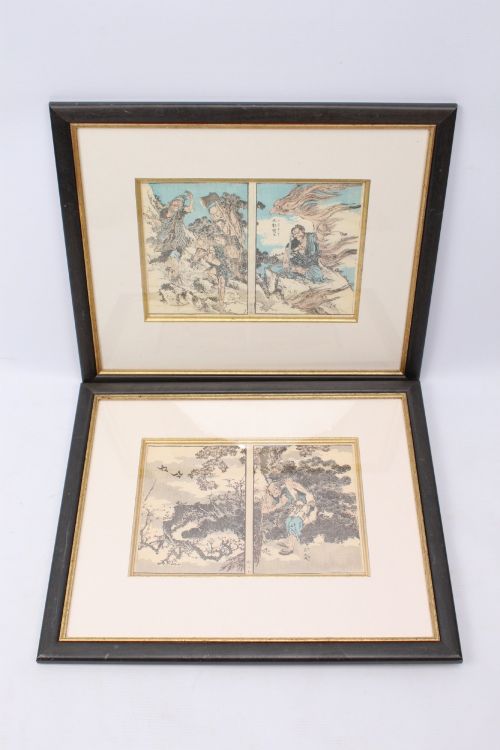
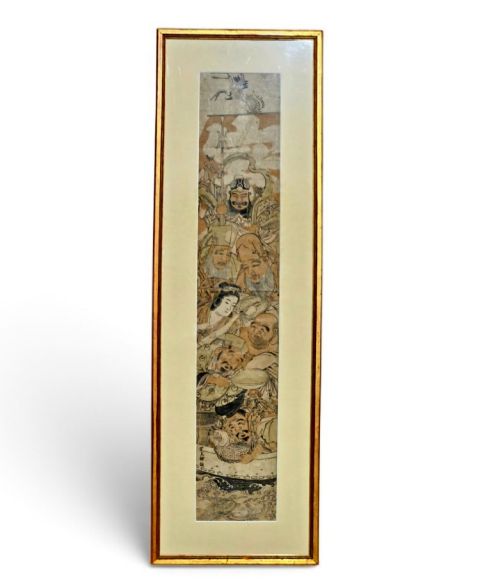
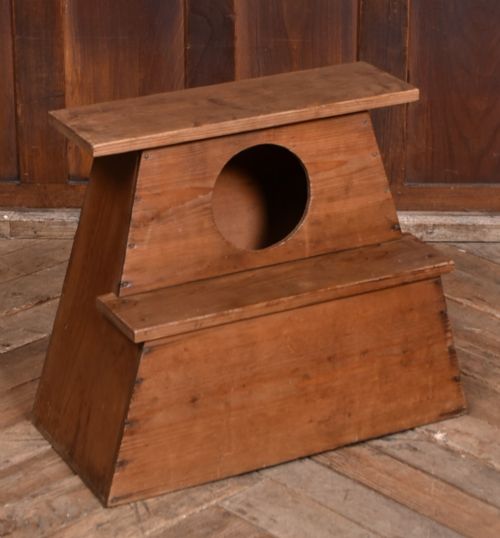
Woodblock prints form a significant part of the selection, often featuring works by notable artists framed in rosewood with silk brocade mounts. Alongside these works on paper, you find functional items such as carved stools and samurai swords.
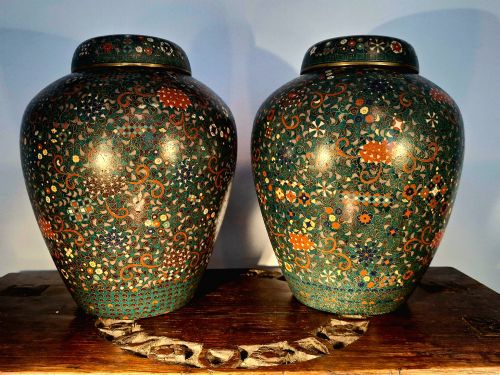
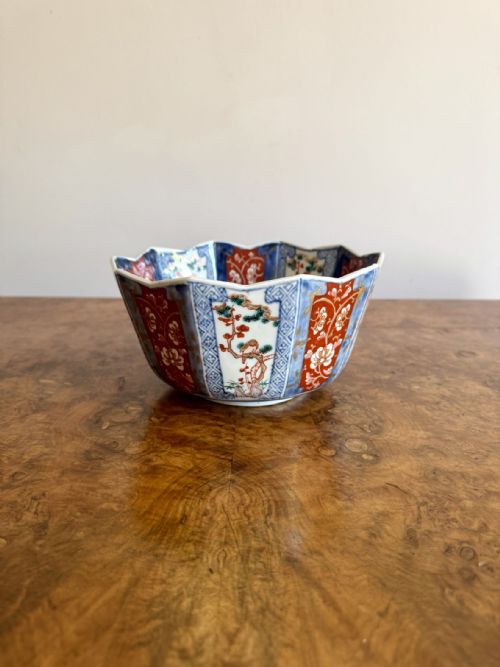
Decorative ceramics and cloisonne enamel chargers also appear frequently among the listings. These pieces showcase traditional Japanese design motifs and skilled craftsmanship from various periods.
Materials and construction methods
Wood serves as a primary medium, utilised for both detailed miniature carvings like netsuke and larger items such as vendor stools. Craftsmen employed boxwood and other exotic woods, often achieving fine textural details through careful hand-carving.
Metalwork and ceramics demonstrate distinct technical mastery through copper, bronze, enamel, and porcelain. Cloisonne pieces incorporate champleve enamel work, while Imari plates and vases display traditional ceramic glazing and painting techniques.
Edo Period Art Retail Price Guide 2026
Typical asking prices for edo period art among the pieces listed under this phrase on Sellingantiques today, from the lower quarter to the upper quarter. They describe what is for sale here now, not the wider market.
Listings feature works from the eighteenth and nineteenth centuries, utilising materials including boxwood, copper, porcelain, and silk brocade mounts.
Distinctions in execution and detail
Quality in carved wood objects rests on the precision of the hand-carved details and the naturalism of the form. Finer pieces exhibit signed signatures, complex subject matter, and a tactile finish that reveals the grain of the wood.
For prints and painted works, quality emerges in the crispness of the impression, the preservation of colour, and the quality of the surrounding mounts such as silk brocade and rosewood frames.
Katsukawa Shunsho·Kitagawa Utamaro·Kunisada
The Edo Period Art Glossary
- Netsuke
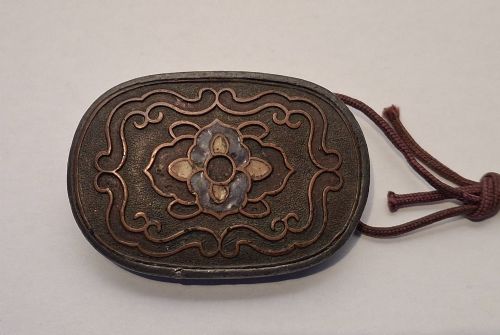
- A small carved toggle used to fasten a pouch or small container to a traditional Japanese kimono sash. These miniature sculptures often depict animals, figures, or natural clusters.
- Ukiyo-e
- A genre of Japanese art encompassing woodblock prints and paintings depicting scenes of daily life, actors, and landscapes. The term translates to pictures of the floating world.
- Imari
- A type of Japanese porcelain decorated in underglaze blue and overglaze red, gold, and green. These distinctive plates and vases were widely produced for both domestic use and export.
- Cloisonne
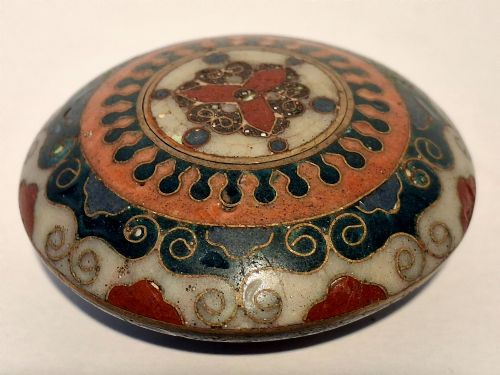
- A metalwork technique where enamel compartments are created by soldering flat metal wire onto a metal base. Artisans then fill these cells with coloured glass paste before firing.
- Kagamibuta
- A style of netsuke shaped like a shallow bowl fitted with a decorated metal disc lid. They frequently combine wood or ivory bodies with champleve enamelwork.
Edo Period Art: Frequently Asked Questions
What is a woodblock print?
Woodblock prints are works created by carving an image into a block of wood, applying ink, and pressing it onto paper. This technique allowed for the mass production of detailed artistic scenes.
Artists during this era produced notable prints depicting landscapes, actors, and mythological figures, often framed for preservation.
How were netsuke used?
Netsuke functioned as practical toggles attached to the cords of suspended containers worn around the waist. Because traditional garments lacked pockets, these carved items secured personal belongings.
Craftsmen carved them from wood and amber, shaping them into animals, monks, and botanical clusters.
What is Imari porcelain?
Imari porcelain refers to decorative plates and vases featuring distinctive cobalt blue and iron red ornamentation. These ceramics originated in the town of Arita and shipped through the port of Imari.
They appear in collections as chargers and vases decorated with traditional motifs.
How do I identify cloisonne enamel?
Cloisonne enamel involves metal vessels or chargers decorated with thin wire boundaries filled with coloured vitreous paste. The piece is fired and polished to create a smooth surface with distinct metallic outlines.
Larger chargers often feature intricate motifs like leaping koi and auspicious symbols.