

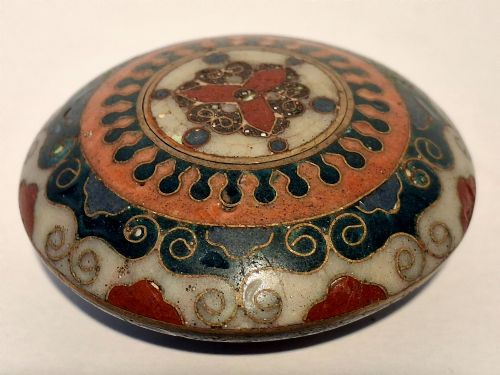


Edo Meiji Netsuke
These edo meiji netsuke are small carved toggles traditionally used in Japan to secure clothing pouches, prized for their intricate detail and tactile weight.
Edo Meiji Netsuke
These edo meiji netsuke are small sculpted objects originating from Japan, spanning the Edo and Meiji periods into the early twentieth century. Collectors search for these pieces to acquire miniature figurative carvings, tobacco containers, and pipe holders.
The selections available here lean towards boxwood and carved wood examples, alongside stag antler pieces and cherry amber variations. Common motifs include animals such as cats, frogs, and goats, alongside human figures like Daruma, wise men, and demons.
Objects range from standard figural netsuke to sashi netsuke pipe case holders and tobacciana items. Most pieces date to the nineteenth century, reflecting traditional Japanese craftsmanship and subject matter.
Materials and construction
Carvers shaped these objects primarily from boxwood, various carved woods, and stag antler. Some examples incorporate cherry amber, mother-of-pearl, pigment, and carved bone to add texture and visual depth.
Artisans employed careful hand-carving techniques to shape natural materials into complex figurative forms. Cord holes were integrated into the structural design to allow functional use as a toggle.
Edo Meiji Netsuke Retail Price Guide 2026
Typical asking prices for edo meiji netsuke among the pieces listed under this phrase on Sellingantiques today, from the lower quarter to the upper quarter. They describe what is for sale here now, not the wider market.
Several stubborn frogs and curled cats wait patiently in boxwood, holding their poses for over a century.
Judging quality in carving
Quality rests upon the depth and precision of the hand-carving, distinguishing fluid animal forms and expressive faces from stiffer work. The natural tactility of the material and the smoothness achieved through handling affect the overall success of the piece.
Signed pieces and items associated with recognised workshops or makers carry greater distinction. The choice of unusual materials, such as cherry amber or exotic woods, alters the character of the object.
Masayuki
The Edo Meiji Netsuke Glossary
- Netsuke
- A small carved toggle used in traditional Japanese dress to secure small containers hanging from sashes. These pieces balanced utility with miniature sculpture.
- Sashi netsuke
- A long, slender type of netsuke designed to be thrust directly into the obi sash rather than toggled with a cord. This form often accompanied pipe cases and tobacco sets.
- Tobacciana
- Antiques associated with the consumption and storage of tobacco. In this category, items include pipe holders and tobacco boxes.
- Boxwood
- A dense, pale hardwood favoured by carvers for its fine grain and ability to hold intricate detail without splintering. It develops a rich patina through handling.
- Stag antler
- A durable natural material used for carving robust figures and animals, showing distinctive internal grain patterns when cut.
Edo Meiji Netsuke: Frequently Asked Questions
What is a netsuke used for?
These objects served as functional toggles in traditional Japanese attire, attached to the end of a cord to secure small pouches or medicine boxes hung from the obi sash.
Over time, they evolved into highly detailed miniature sculptures collected for their artistry and tactile qualities.
How do I care for wood and antler?
Keep carved wood and stag antler away from direct sunlight and sudden humidity changes to prevent drying and cracking.
Handle the pieces with clean hands, as natural oils help maintain the historic patina without requiring polishes or oils.
How can I tell the period?
Dating relies on stylistic conventions, material wear, and the presence of signature marks associated with nineteenth-century carvers and workshops.
Examining the cord holes and the tool marks left by the carver helps distinguish Edo and Meiji period pieces from later reproductions.
What subjects are common?
Carvings frequently depict animals such as cats, frogs, goats, and oxen, alongside natural forms like clusters of nuts and seashells.
Human subjects often draw from folklore, featuring wise men, demons, and figures like Daruma.