
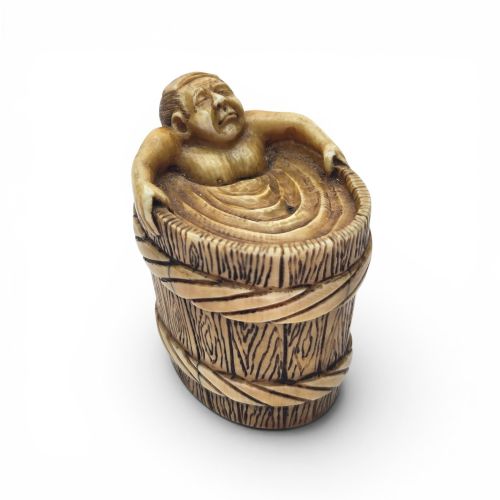


Antique Japanese Miniature
These antique japanese miniature objects span intricate netsuke and tiny satsuma vases crafted for detailed display.
Antique Japanese Miniature
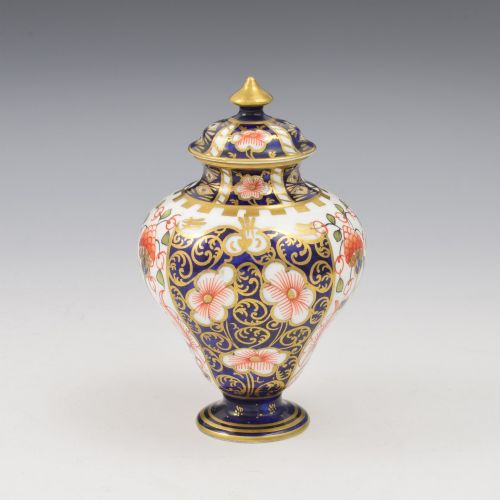
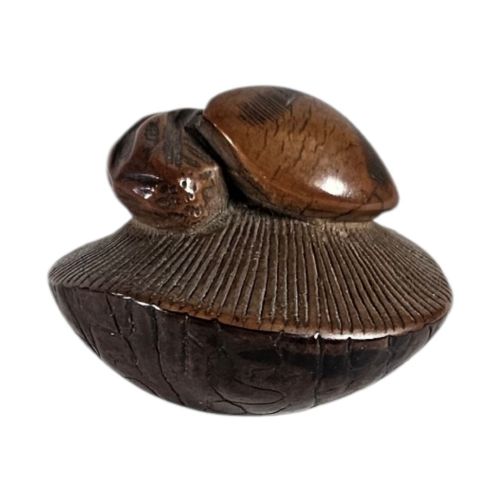
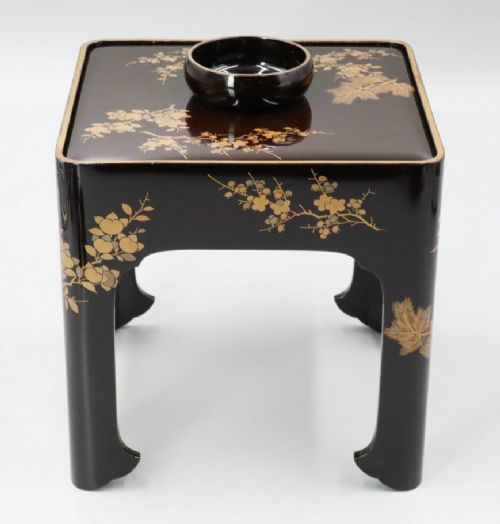
When searching for antique japanese miniature pieces, collectors encounter a diverse array of small-scale items originating primarily from the Edo and Meiji periods. The selection here most frequently includes carved boxwood netsuke, porcelain satsuma and imari vases, and lacquerware items.
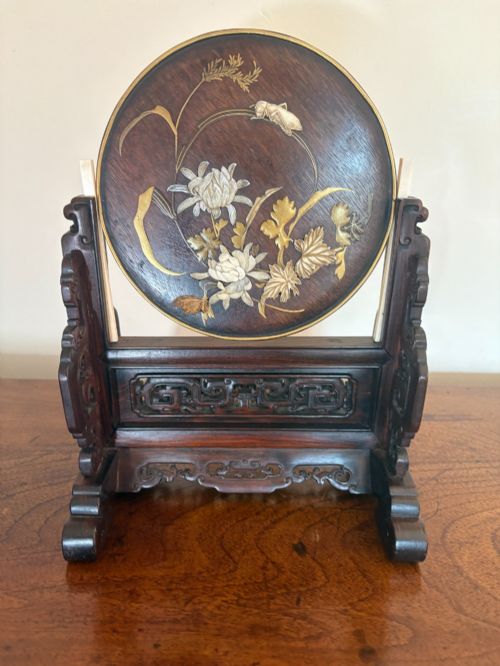
The objects serve as portable displays of traditional craftsmanship, ranging from functional vessels like sake cups and teapots to decorative items such as table screens and small cabinets. Dating ranges across the nineteenth and early twentieth centuries, reflecting the opening of Japan to Western markets during the Meiji era.
Materials and Construction
Carved organic materials such as boxwood, stag antler, and cherry amber form the foundation of many miniature sculptures, shaped with hand tools to achieve fine textures. Artisans utilised natural grain and applied subtle staining to accentuate the carved details.
Ceramic pieces utilise earthenware and porcelain bases, decorated with enamels and gold leaf depicting figural processions or botanical motifs. Cloisonné items employ metal wire partitions filled with vitreous enamel powders, fired multiple times to achieve a smooth coloured surface.
Listings feature items from the 19th Century, Victorian era, and early 1900s, constructed from boxwood, earthenware, porcelain, and lacquer.
Evaluating Quality
The standard of carving in netsuke and okimono depends on the depth of undercut work, the crispness of facial expressions, and the preservation of the original signature. Master carvers achieved anatomical precision and fluid movement within restricted dimensions.
In ceramic and cloisonné works, quality is determined by the density of the enamel coverage, the precision of the gilding, and the delicacy of the brushwork in figural scenes. Pieces signed by recognised artists or workshops demonstrate superior control over the firing and decorative processes.
Tomochika·Chosei·Masayuki·Shuzan·Choshuzan
The Antique Japanese Miniature Glossary
- Netsuke
- A small carved toggle used to secure a pouch or small container to a traditional kimono sash. These items feature a cord hole for practical attachment.
- Meiji Period
- The era in Japanese history spanning from 1868 to 1912, characterised by extensive international trade and highly intricate decorative arts. Work from this period often shows exceptional technical refinement.
- Satsuma
- A type of Japanese earthenware featuring an ivory-coloured, crackled glaze decorated with polychrome enamels and gold. It was widely produced for export during the late nineteenth century.
- Imari
- A style of Japanese porcelain featuring a palette of underglaze blue, iron red, and gold. Items decorated in this manner were initially shipped from the port of Imari.
- Cloisonné
- A metalwork technique where thin wires are soldered to a base to create compartments filled with enamel paste. The object is then fired and polished to a smooth finish.
Antique Japanese Miniature: Frequently Asked Questions
What is an antique japanese miniature netsuke?
A netsuke is a small carved toggle traditionally used to fasten a small container to a traditional sash. These pieces were carved from boxwood, stag antler, or bamboo.
Collectors prize them for their miniature scale and intricate depictions of animals, figures, and folklore.
Where were miniature imari vases made?
Imari porcelain was manufactured in the Hizen province and exported through the port of Imari. The palette relies on underglaze blue combined with iron red and gilt highlights.
These small vessels demonstrate traditional Japanese ceramic techniques adapted for European and domestic markets.
How should I display small lacquer items?
Lacquerware requires stable environmental conditions away from direct sunlight and excessive dryness to prevent cracking. Displaying them in enclosed cabinets protects the delicate surfaces from dust and physical contact.
Handling should be minimised to preserve the original black or coloured finishes.