




Edo Meiji Imari Porcelain
These edo meiji imari porcelain pieces bring together rich enamels and cobalt underglaze to anchor a room.
Edo Meiji Imari Porcelain
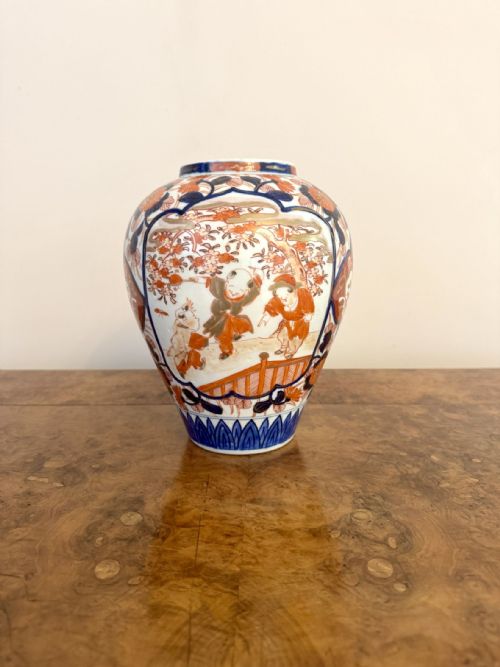
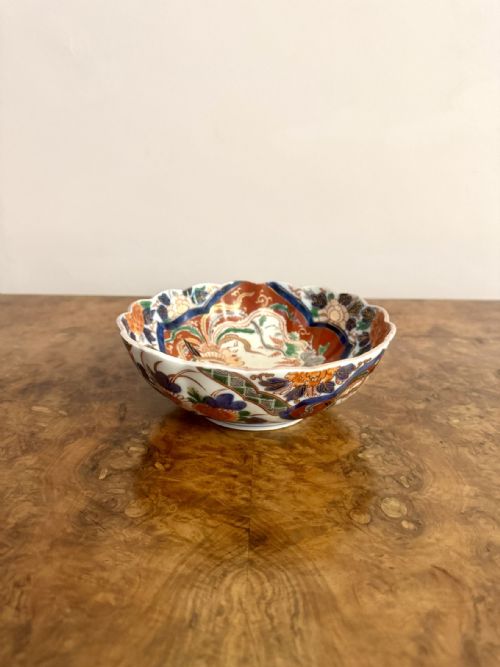
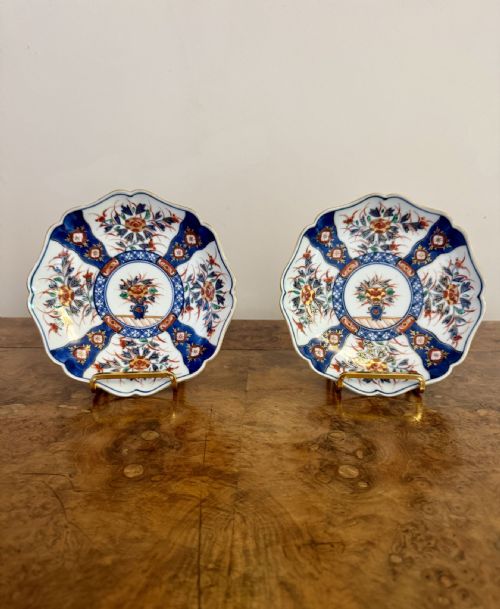
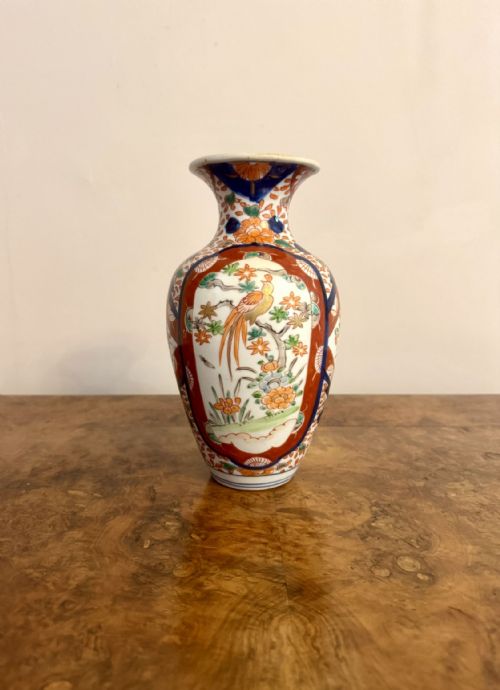
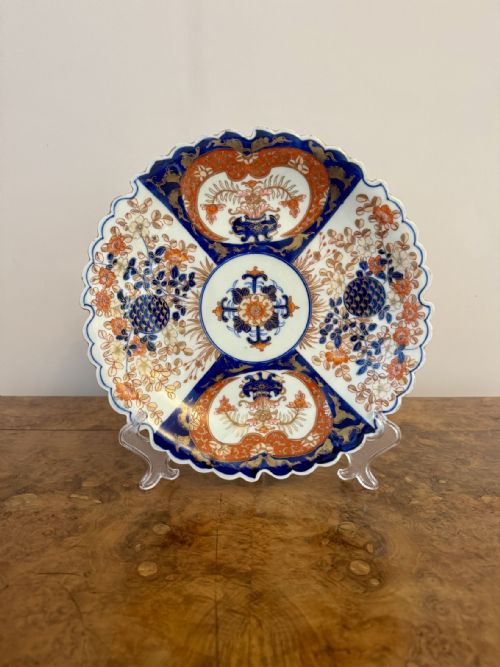
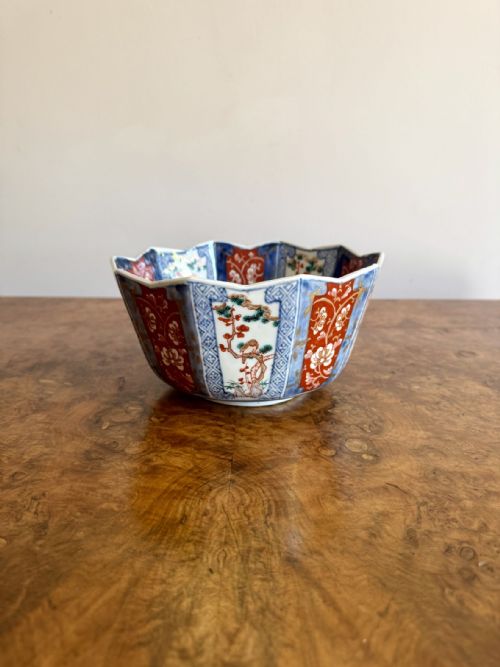
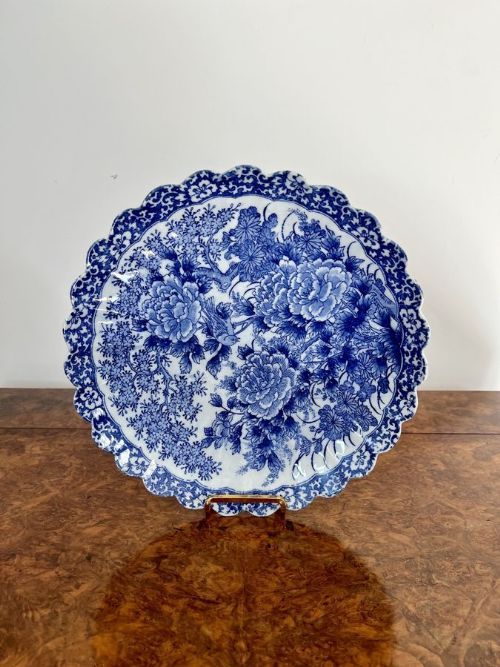
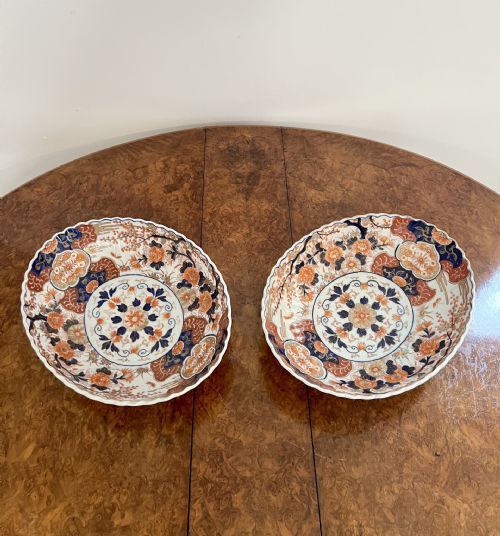
When you search for edo meiji imari porcelain, you encounter items shaped into decorative plates, bowls, chargers, and vases spanning periods from the seventeenth century through the early twentieth century. The selection on this page relies heavily on items dated around nineteen hundred, alongside examples from the eighteenth and nineteenth centuries.
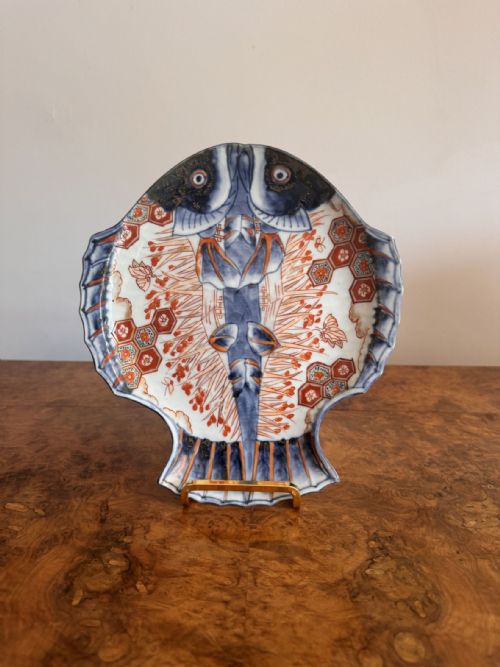
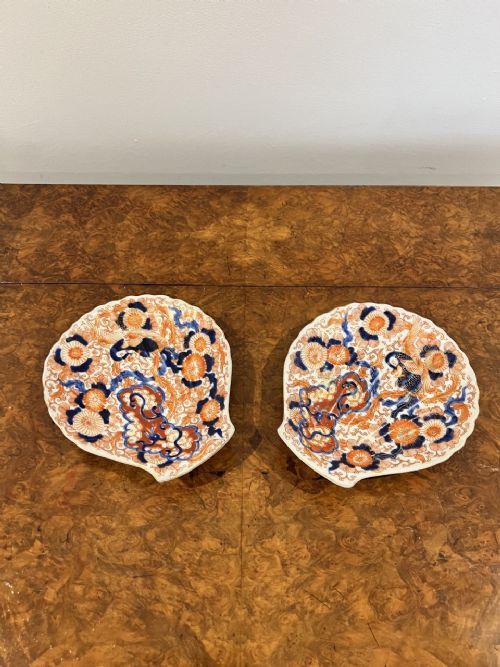
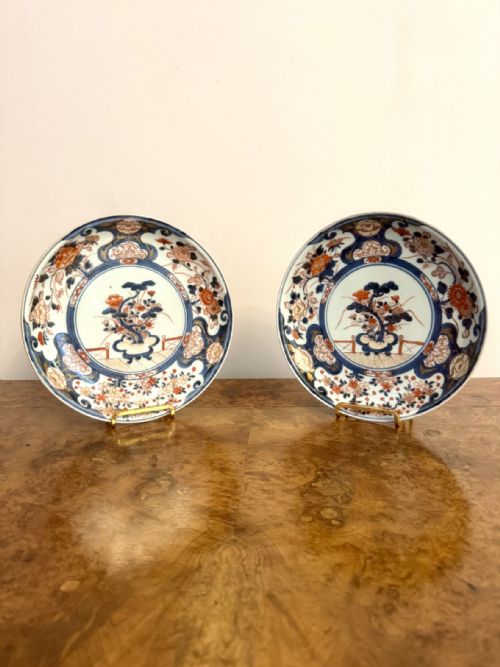
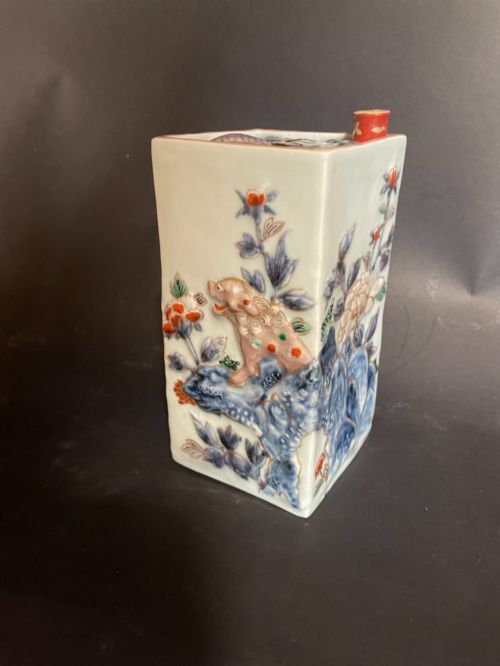
Forms vary from standard circular dishes to fish, shell, fan, and square shapes, plus matched garnitures of vases. You will find scalloped edges frequently alongside standard bowls and plates.
The origins trace back to Japanese Arita production styles, incorporating Japanese Edo and Meiji period aesthetics. These ceramic works combine traditional forms with intricate surface detailing.
Materials and Technique
Potters shape ceramic porcelain into plates, bowls, chargers, and vases before applying cobalt underglaze for the foundational blue patterns. Enamel and gold leaf, or gilding, are then added to build up the layered palette characteristic of these items.
Firing techniques secure the glaze over the ceramic body, allowing the rich pigments to bond permanently with the porcelain surface. Hand-painted details complete the decoration across both functional and decorative vessels.
Listings feature porcelain items spanning the seventeenth, eighteenth, nineteenth, and early twentieth centuries, utilising enamel, gold leaf, and cobalt underglaze.
Judging Quality
The standard of execution separates everyday production from pieces with finer brushwork and more complex forms, such as fish and shell shapes. Precision in the cobalt underglaze painting and the placement of enamel and gold leaf dictate the visual weight of each object.
Design ambition also marks the difference between standard round plates and elaborate garniture sets or large chargers. Intricacy in shaped edges and compositional balance across the ceramic surface define the upper tier.
The Edo Meiji Imari Porcelain Glossary
- Charger
- A large decorative plate intended for display rather than for serving food at the table. These broad ceramic surfaces showcase detailed enamel and underglaze painting.
- Garniture
- A matched set of three or more vases designed to be displayed together on a mantelpiece or cabinet. They share consistent decorative schemes and proportional sizing.
- Cobalt Underglaze
- A blue pigment applied to the ceramic body before glazing and firing. This technique protects the colour beneath a glossy vitrified finish.
- Tokuri
- A traditional Japanese bottle used for serving sake. These ceramic vessels often feature narrow necks and bulbous bodies.
Edo Meiji Imari Porcelain: Frequently Asked Questions
How do I display a large imari charger?
Chargers are best placed on sturdy wall mounts or dedicated plate stands to support their substantial ceramic weight safely. Keep them away from direct sunlight to preserve the enamel colours.
Pair them with complementary porcelain bowls or vases on nearby surfaces to balance the room. Their scale makes them natural focal points for mantelpieces or sideboards.
Are these pieces safe for daily use?
Historic porcelain objects are best reserved for display rather than everyday dining or food service. The delicate enamel and gold leaf decorations can wear down with frequent handling and washing.
Gentle dusting with a soft, dry cloth is sufficient for routine maintenance. Avoid soaking them in water or using abrasive cleaning agents.
What defines an Arita piece?
Arita refers to the Japanese town where the clay extraction and porcelain production took place. This region supplied the foundational techniques for the wares traded through Imari.
Pieces bearing this origin display the early ceramic traditions that evolved through the Edo and Meiji periods.
How do I identify a garniture set?
A garniture consists of multiple vases, usually a set of three, designed with matching shapes and decorative motifs. They share identical colour palettes and painted scenes intended for coordinated display.
Individual vases within the set vary slightly in size or proportions to create a harmonious silhouette when arranged together.