


Ecclesiastical Stand
An ecclesiastical stand brings centuries of devotional craft and ritual into a room, spanning carved oak lecterns, heavy brass prickets and iron floor candelabra.
Ecclesiastical Stand
An ecclesiastical stand encompasses a range of liturgical furnishings, from towering floor candlesticks to reading desks designed for sacred texts. When searching for an ecclesiastical stand, buyers most frequently encounter oak lecterns and brass altar candlesticks dating from the nineteenth and early twentieth centuries.
The selection includes architectural elements, processional crosses, missal stands, and carved wooden figures originating from English, French, and Italian churches. These pieces reflect centuries of ecclesiastical tradition, moving from the restrained geometry of the Gothic Revival to ornate Baroque styling.
Materials and construction methods
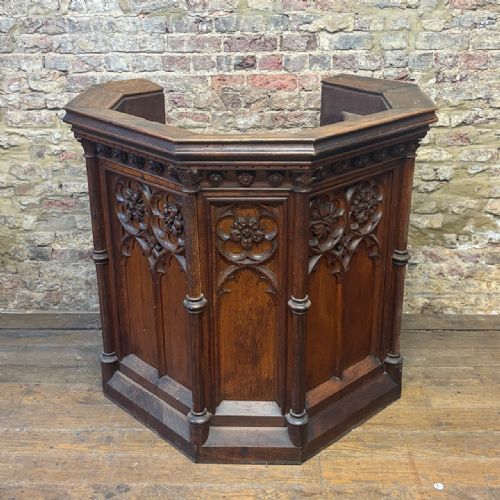
Makers relied heavily on solid oak and pine for larger furniture pieces, employing deep hand-carving to shape eagles for lecterns and intricate tracery for pulpits. Wood surfaces frequently received applied gesso, silver leaf, or gilding to enhance decorative church interiors.
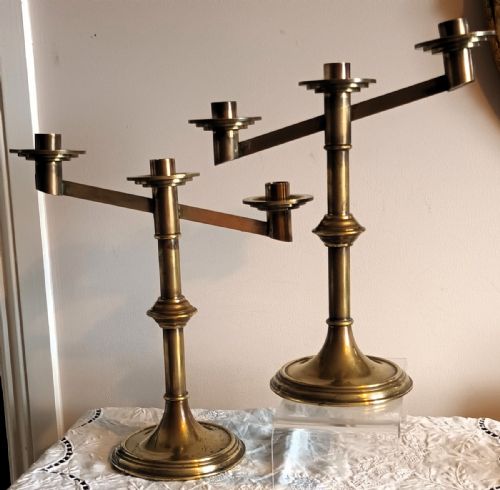
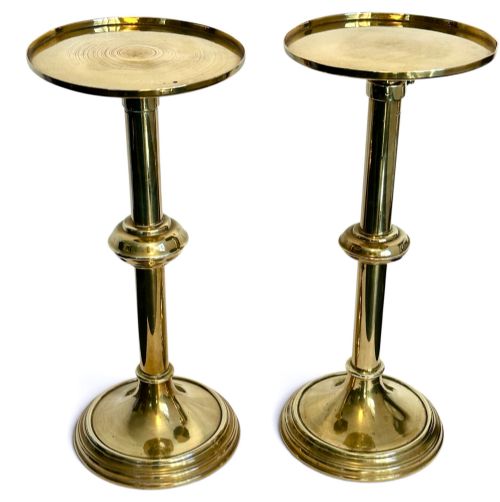
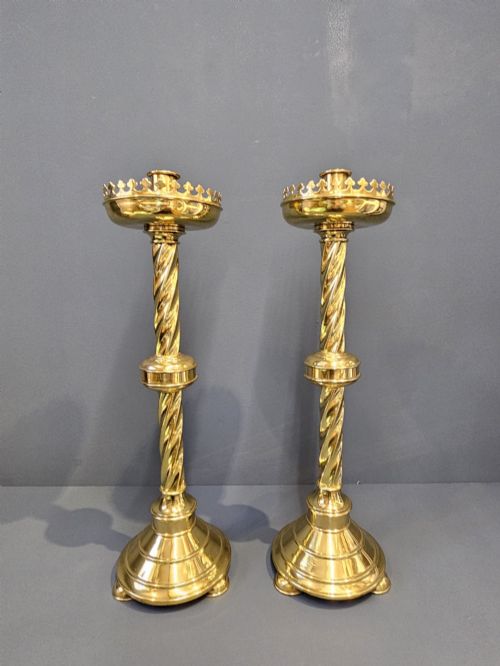
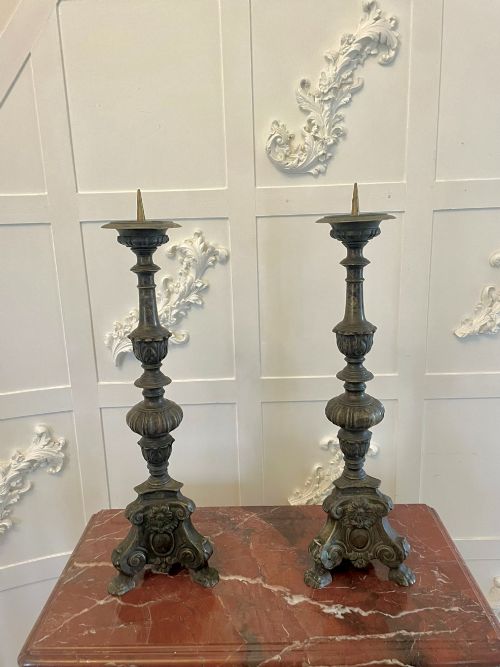
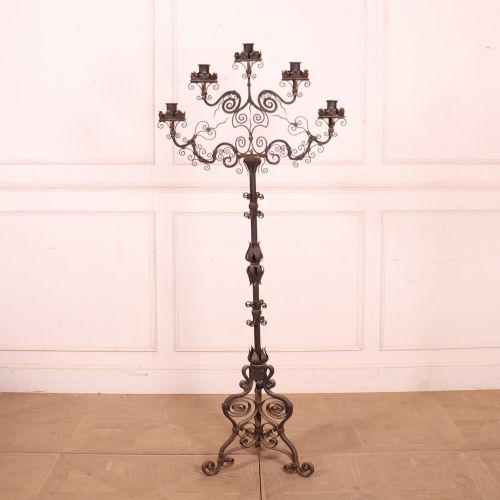
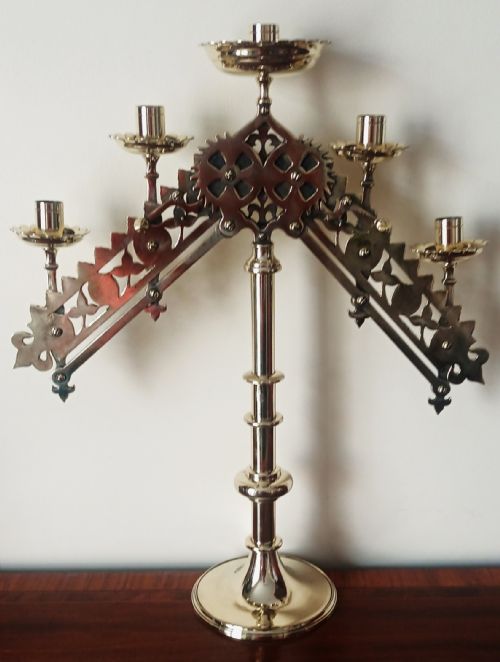
Metalwork forms a significant portion of these items, utilising cast and wrought brass, bronze, and iron for candlesticks and candelabra. These metals were turned, cast, or hammered to create durable candle holders designed to withstand constant liturgical use.
Ecclesiastical Stand Retail Price Guide 2026
Typical asking prices for ecclesiastical stand among the pieces listed under this phrase on Sellingantiques today, from the lower quarter to the upper quarter. They describe what is for sale here now, not the wider market.
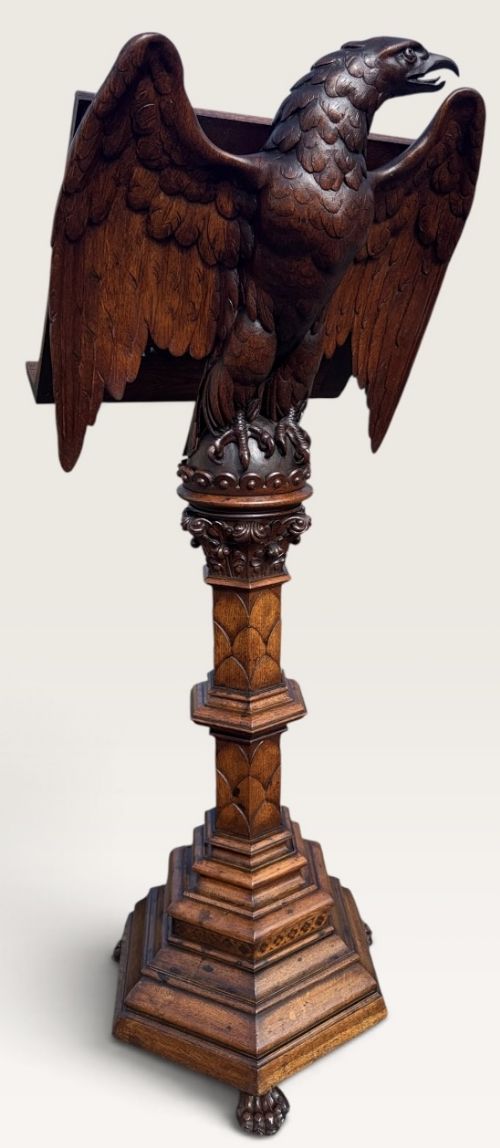
An eighteenth-century Italian bird stands with wings spread wide, repurposed from delivering holy scripture to holding modern reading matter.
Defining factors of quality
The distinction between ordinary parish furnishings and exceptional pieces lies in the depth and precision of the craftsmanship. Hand-carved wooden details, such as the feather-work on an eagle lectern or the crispness of Gothic Revival architectural mouldings, demonstrate superior artisan skill.
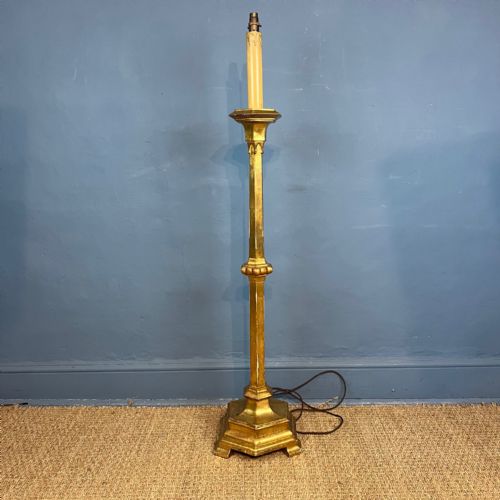
Material selection and structural integrity also divide the range, with heavy cast brass, thick gauge wrought iron, and dense seasoned oak marking the finer examples. Original surface treatments, including untouched patinas on metals and authentic gilding on wood, elevate the standing of a piece.
The Ecclesiastical Stand Glossary
- Lectern
- A tall stand with a sloped top used to hold books for reading aloud during services. These often feature carved wooden eagles with outstretched wings.
- Pricket candlestick
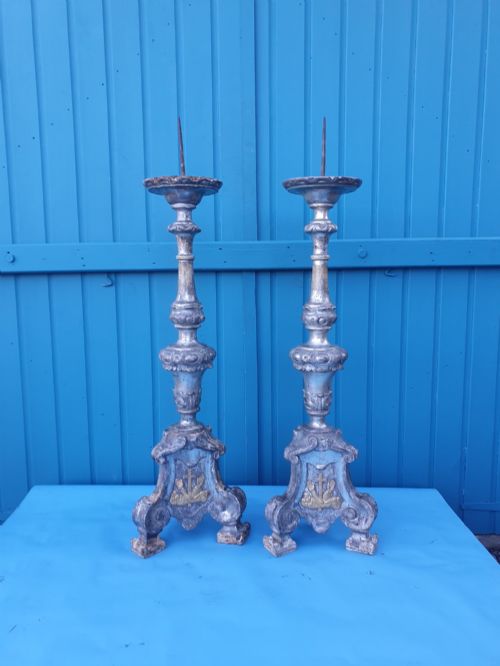
- A candle holder that uses an upward-pointing metal spike to secure the candle rather than a socket. They appear frequently in pairs on church altars.
- Gothic Revival
- An architectural and decorative style popular during the Victorian period that imitates medieval pointed arches and structural motifs. It dominates nineteenth-century church furniture.
- Missal stand
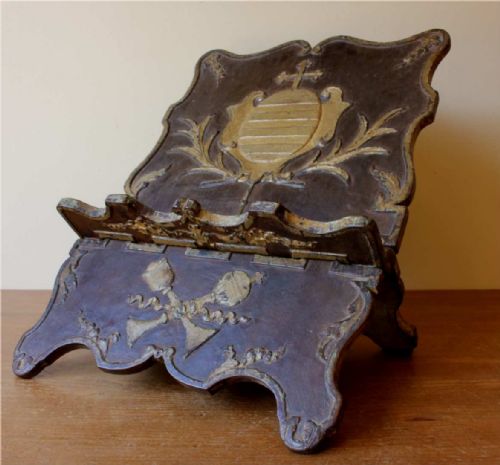
- A portable folding desk designed to hold service books on an altar or table. They are commonly constructed from carved wood or brass.
- Processional cross
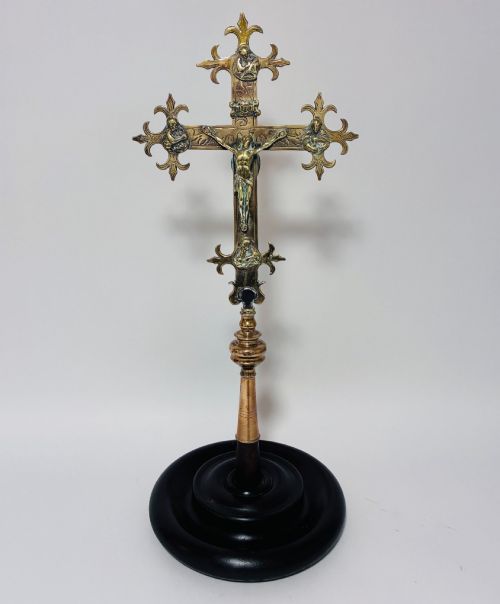
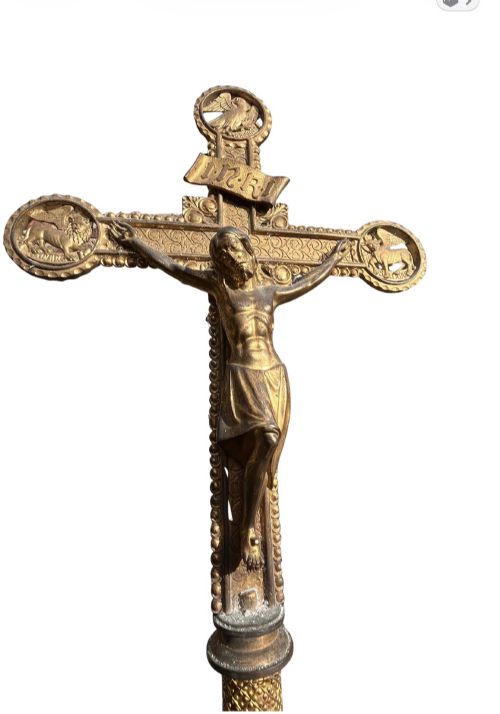
- A crucifix mounted on a long shaft and carried at the front of religious processions. Earlier examples are cast in brass or carved from solid wood.
Ecclesiastical Stand: Frequently Asked Questions
What distinguishes a lectern from a missal stand?
A lectern is typically a substantial floor-standing piece designed for reading lessons or holding large Bibles during services. They often incorporate pedestals or carved figures such as eagles.
A missal stand is smaller and usually sits upon an altar or table to support a smaller service book. These are frequently folding items made for portability.
How do I date a brass church candlestick?
Dating relies on manufacturing techniques, weight, and stylistic clues. Earlier examples from the eighteenth century show hand-turned components and distinct joinery.
Victorian and later pieces often reflect Gothic Revival motifs with heavier cast construction and standardised threading or assembly methods.
Where were these pieces originally used?
These items originated primarily in churches, cathedrals, and chapels for liturgical ceremonies and daily worship. They furnished sanctuaries, altars, vestries, and choir stalls.
Today, collectors repurpose them as statement pieces in domestic settings, utilising lecterns as book stands and candelabra for ambient lighting.
Are wooden stands usually solid oak?
Solid oak and pine are the most common woods found in these listings, utilised for their structural strength and durability. Craftsmen selected them to endure heavy daily use in ecclesiastical environments.
Secondary woods or pine appear in less prominent structural areas, while finer decorative pieces incorporate gesso and gilding over the base timber.