






Ecclesiastical Bible Stand
An ecclesiastical bible stand brings the solemn weight of sanctuary furnishings into domestic or chapel spaces, offering a dedicated architectural perch for sacred texts.
Ecclesiastical Bible Stand
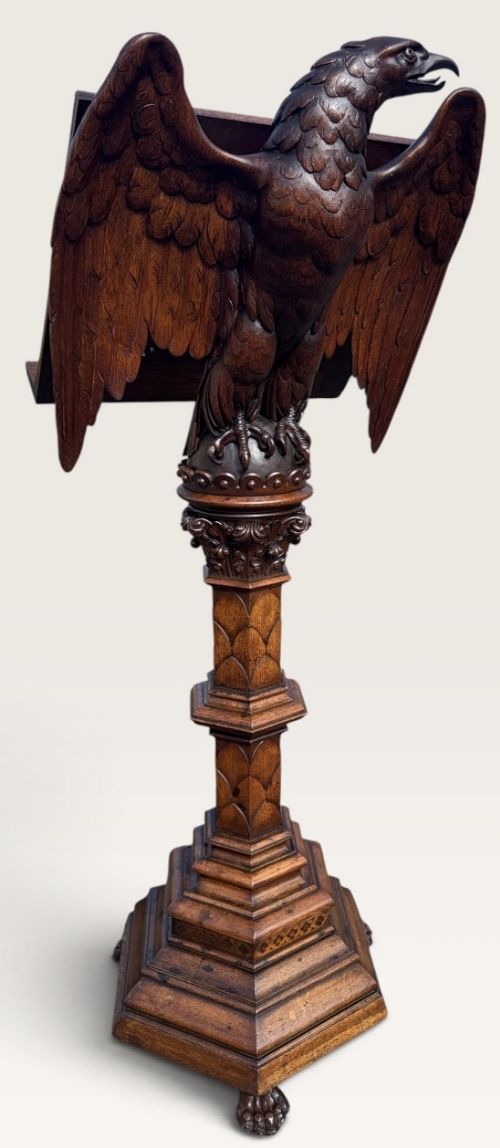
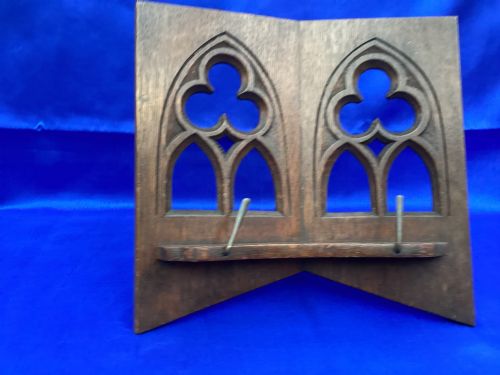
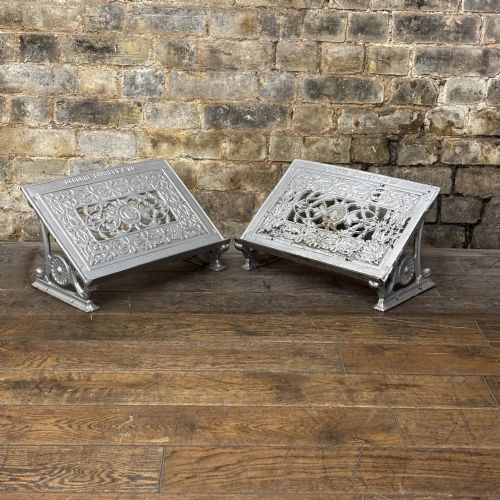
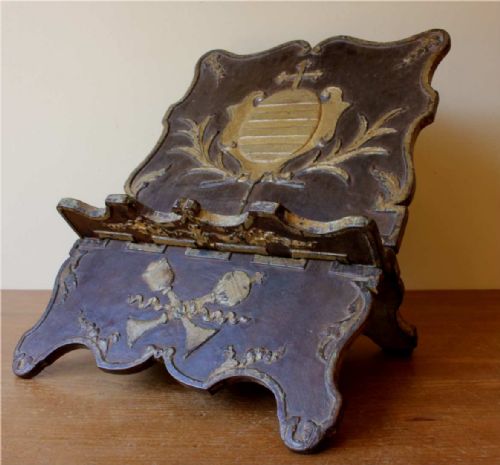
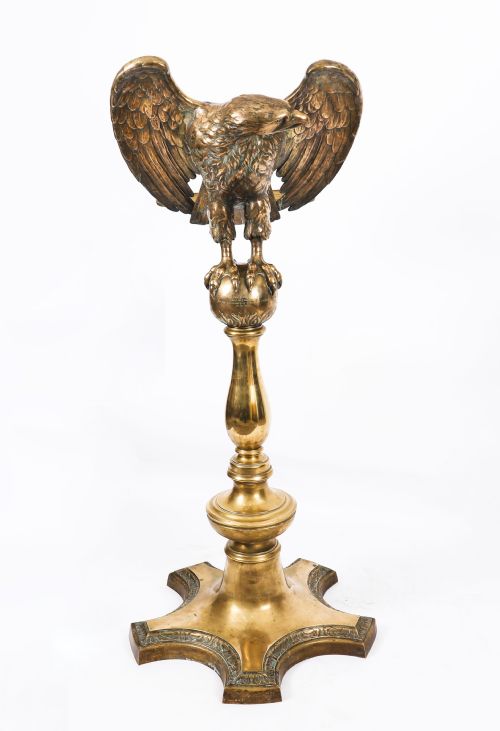
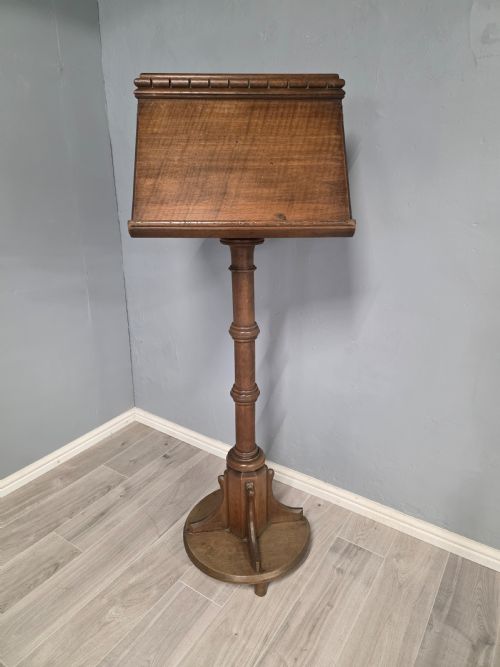
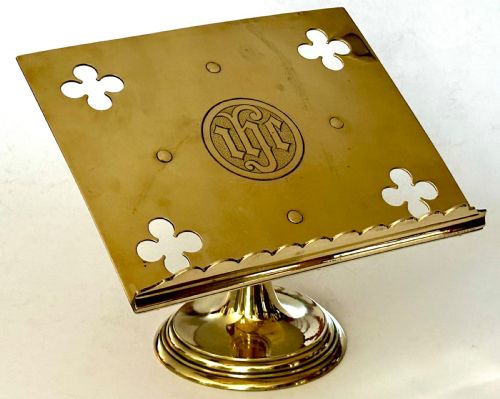
An ecclesiastical bible stand encompasses lecterns, book rests, and reading stands designed for religious use, most frequently encountered in sturdy oak or gleaming brass from the nineteenth and eighteenth centuries. These pieces range from compact folding missal rests to towering carved eagle lecterns, reflecting both humble parish needs and grand cathedral aesthetics.
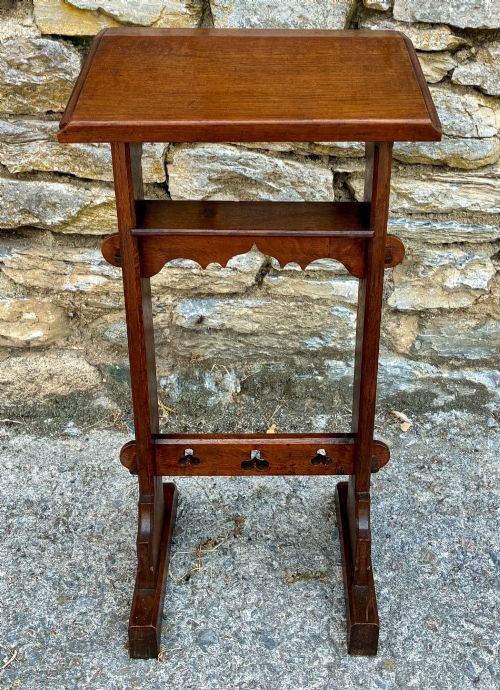
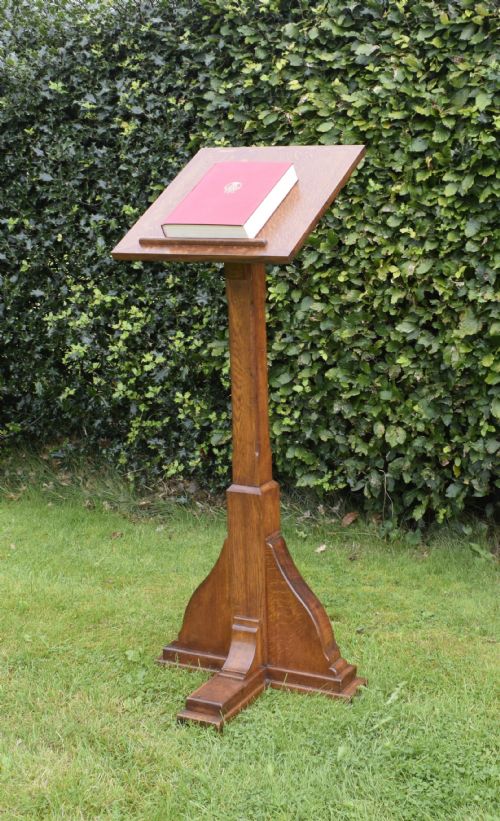
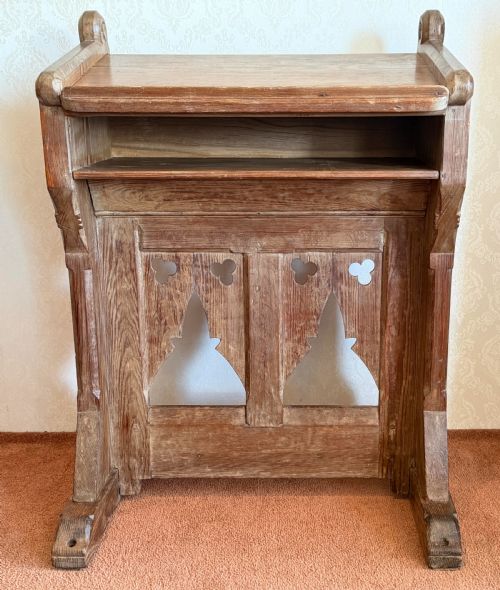
The version most likely to meet a buyer on this page is the nineteenth-century oak church lectern, often echoing Gothic Revival motifs with pointed arches and chamfered framing. Alongside these, brass interpretations and occasional pine or cast iron variations appear, each serving the traditional function of elevating heavy scriptural volumes.
Originating in periods spanning from the eighteenth century through the Edwardian era and into the nineteen-twenties, these ecclesiastical bible stand examples carry the distinct hand of church carpenters and metalworkers. Whether Italian, Scottish, or English in provenance, they preserve the solemnity of historic worship spaces.
How they were made
Cabinet makers utilised solid timber, primarily oak and pine, employing mortise and tenon joinery alongside deep carving to construct the substantial frames of these ecclesiastical bible stand pieces. Carved wooden eagles with outstretched wings required considerable skill from craftsmen who shaped feather details by hand.
Foundry workers cast iron and brass components, incorporating brass work and gilt highlights to provide durable, ornate mountings that complemented the heavy timber structures. Folding mechanisms relied on precise metal hinges and pivots to allow smooth adjustment for liturgical use.
Ecclesiastical Bible Stand Retail Price Guide 2026
Typical asking prices for ecclesiastical bible stand among the pieces listed under this phrase on Sellingantiques today, from the lower quarter to the upper quarter. They describe what is for sale here now, not the wider market.
Listings for this phrase feature materials spanning oak, brass, pine, cast iron, and gilt, anchored predominantly in nineteenth-century and eighteenth-century periods.
What varies in quality
The depth and vigour of the carving distinguish a standard utilitarian piece from a masterwork, particularly in the rendering of anatomical details on wooden eagles or the crispness of Gothic tracery. Timber selection also dictates grade, with quarter-sawn oak displaying prominent medullary rays that signal superior log preparation.
Metal quality shows in the weight and finish of brass elements, where solid cast components outlast thin plated brass sheeting. The structural integrity of the main book rest and the smoothness of any folding joints reveal the original joiner's precision.
Osborne Garrett & Co
The Ecclesiastical Bible Stand Glossary
- Lectern
- A tall stand with a slanted top used to hold a book for reading aloud. These often take the form of an eagle or a simple desk on a pillar.
- Gothic Revival
- An architectural and decorative style drawing on medieval forms like pointed arches and heavy tracery. This aesthetic dominates nineteenth-century ecclesiastical furniture.
- Missal
- A liturgical book containing all instructions and prayers needed for the celebration of the Mass. Folding stands were specifically built to support these heavy volumes.
- Gilt
- A thin layer of gold leaf or gold paint applied to a surface. It frequently highlights carved details or metal fittings on church furnishings.
Ecclesiastical Bible Stand: Frequently Asked Questions
What is an ecclesiastical bible stand?
An ecclesiastical bible stand is a specialised reading desk or lectern built to hold heavy service books in churches, chapels, and cathedrals. They range from small folding prayer stands to large carved wooden or brass eagles.
These pieces elevate scripture to a comfortable height for reading during services, combining functional support with decorative reverence suited to sacred spaces.
How were these stands used originally?
In historic churches, clergy placed large altar bibles, missals, or prayer books upon these stands for daily readings and liturgical ceremonies. The angled desk surface reduced strain and allowed the congregation to hear the officiant clearly.
Some portable folding versions allowed priests to carry missal rests between different altars or use them during travel.
Where do these pieces fit in a modern home?
Today, an ecclesiastical bible stand serves well in a study, library, or hallway as a prominent display for large format art books, family bibles, or atlases. Their architectural presence anchors a room.
Placing one in a corner creates a focal point that brings historic character and solid timber craftsmanship into contemporary interiors.
How can I tell the period of a stand?
Dating relies on examining the wood species, tool marks, and stylistic revival cues such as Victorian Gothic or Arts and Crafts framing. Eighteenth-century examples often display simpler, hand-hewn joinery.
Nineteenth-century pieces frequently show machine-assisted preparation combined with hand-carved details, while later Edwardian or nineteen-twenties items adopt lighter proportions.