



Ebonised Wooden Wall Mirror
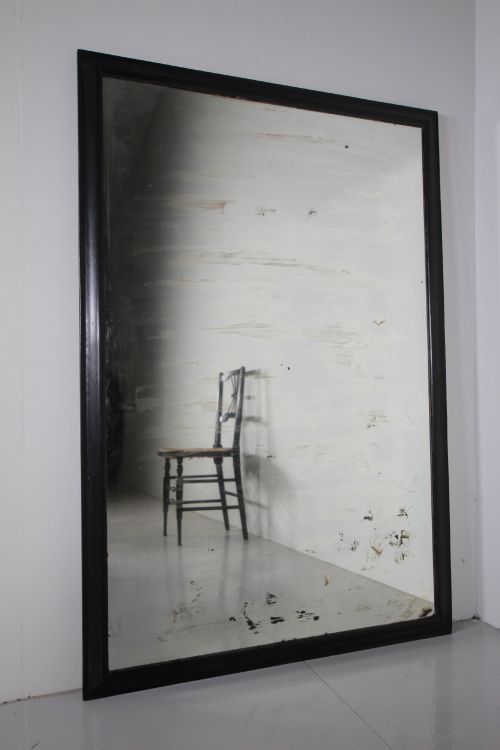
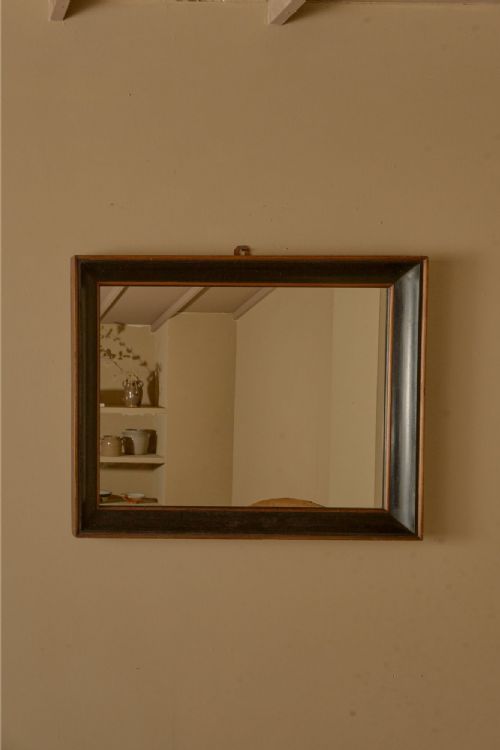
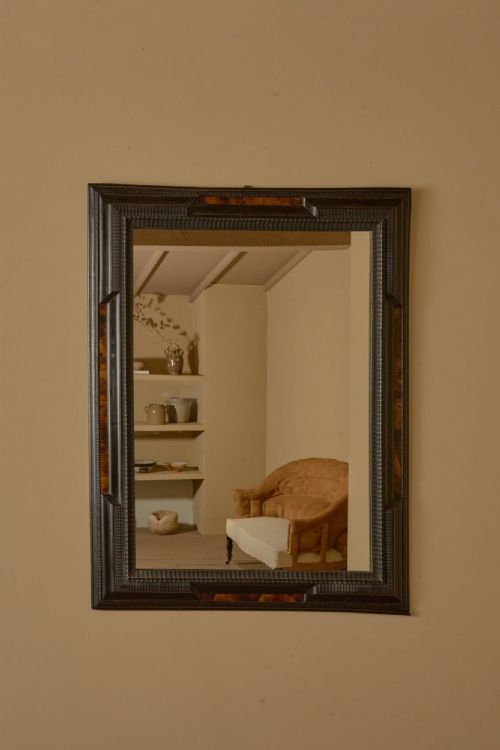
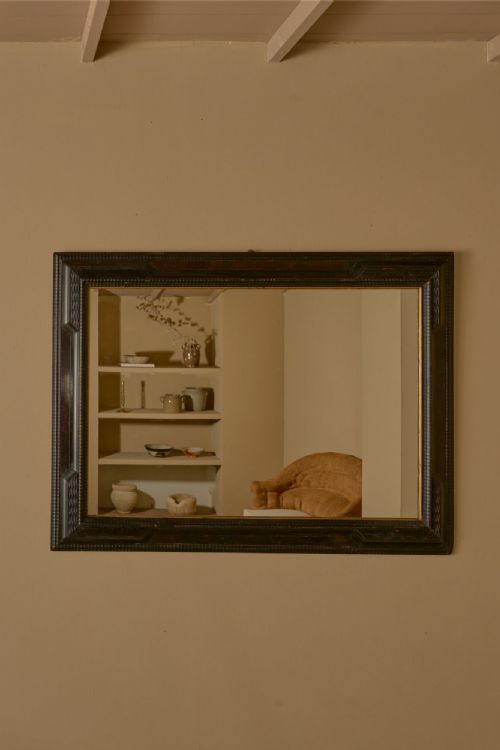
An ebonised wooden wall mirror brings deep, dark contrast to a room through its polished or matte blackened finish.
Ebonised Wooden Wall Mirror
When you search for an ebonised wooden wall mirror, you are looking for a reflective glass plate framed in wood treated to resemble costly ebony. These pieces appear predominantly in nineteenth century, Victorian, and nineteen-hundreds iterations, spanning distinct design movements from the Aesthetic period to Art Deco.
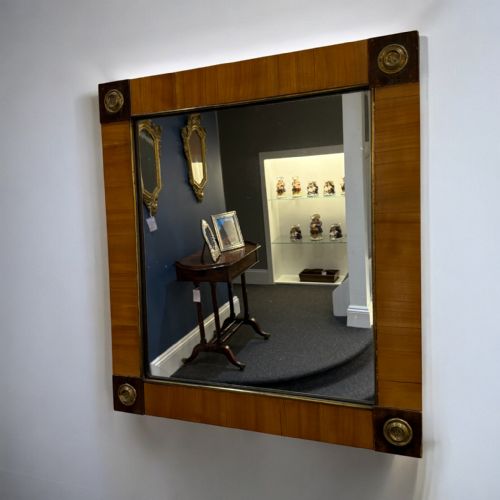
The forms you are most likely to meet on this page range from large Victorian and Edwardian overmantle mirrors to smaller hall mirrors and specific regional pieces like Biedermeier examples. Many combine the dark blackened timber with gilt accents, carved details, or contrasting woods such as walnut.
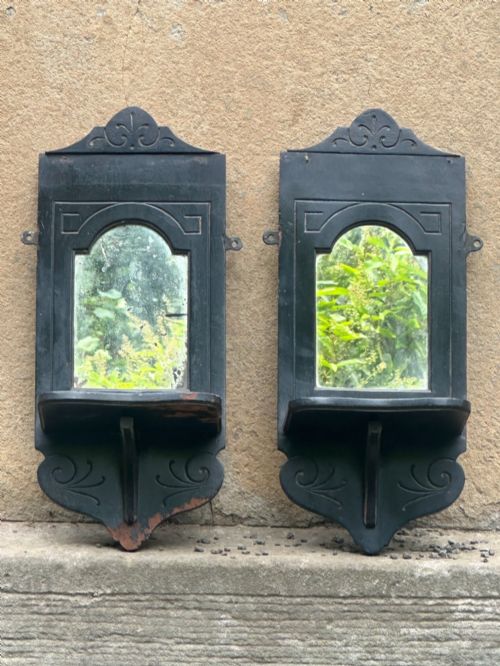
The style vocabulary includes Victorian, Arts and Crafts, Regency Revival, and Gothic influences, showing how makers adapted the dark finish across different decades. Whether simple in design or heavily ornamented with gilding, each piece relies on the striking contrast of the black wood against the wall.
Materials and construction
The construction relies on timber bases, frequently walnut, birchwood, or general carved wood, which receive a dark ebonisation treatment to mimic exotic hardwoods. This blackened surface is often paired with contrasting gold leaf details or carved elements that catch the light.
Mirror glass sits within these sturdy frames, sometimes divided into multiple sections or fitted as large overmantle and floor mirrors. Iron and other structural supports secure the heavier frames behind the glass plate.
Ebonised Wooden Wall Mirror Retail Price Guide 2026
Typical asking prices for ebonised wooden wall mirror among the pieces listed under this phrase on Sellingantiques today, from the lower quarter to the upper quarter. They describe what is for sale here now, not the wider market.
Listings feature pieces spanning the nineteenth century up to nineteen-thirty, incorporating Victorian, Arts and Crafts, and Biedermeier styles.
Assessing quality and finish
Quality rests in the depth and preservation of the ebonised finish and the crispness of any carved decoration or gilding. Simple designs rely entirely on clean proportions and the rich texture of the treated wood.
Finer examples show careful integration of secondary materials, such as gilt highlights or contrasting wood inlays, alongside well-preserved original mirror glass plates that maintain clear reflections.
Cottier & Co.·Rowley Gallery
The Ebonised Wooden Wall Mirror Glossary
- Ebonisation
- The chemical or staining process used to turn light-coloured timber black to imitate true ebony. This finish was widely used during the Victorian period.
- Overmantle mirror
- A large horizontal mirror designed specifically to hang above a fireplace mantelpiece. These often feature gilt and ebonised decoration.
- Aesthetic Movement
- A late nineteenth-century design style that emphasised visual beauty and craftsmanship over narrative storytelling. Pieces from this movement often feature ebonised frames.
- Gilding
- The application of gold leaf or gold paint to a surface. On these mirrors, gilt details frequently highlight the carved areas against the black wood.
Ebonised Wooden Wall Mirror: Frequently Asked Questions
How do I hang a heavy overmantle mirror?
Large overmantle mirrors require secure wall fixings, typically screwed directly into wall studs or masonry using heavy-duty brackets. Because the timber and glass combination carries considerable weight, professional installation is often advisable.
Ensure the hanging wire or integrated D-rings on the back match the weight distribution of the frame before mounting it securely above a fireplace or console table.
Are these mirrors made of solid ebony?
True ebony was rarely used for entire furniture frames due to its weight and cost. Instead, makers used common timbers like walnut or birchwood and applied an ebonising technique to achieve the dark finish.
This method provided the desired dark aesthetic while keeping the frame structurally sound and manageable in size.
How do I clean an ebonised wooden frame?
Dust the frame gently with a dry, soft microfibre cloth to remove surface particles without disturbing the finish. Avoid using harsh chemical sprays or excess water, which can damage the ebonised surface and any applied gold leaf.
For the glass plate, apply a standard glass cleaner to a cloth rather than directly to the mirror to prevent liquid from seeping behind the frame edge.
What is the difference between Victorian and Art Deco examples?
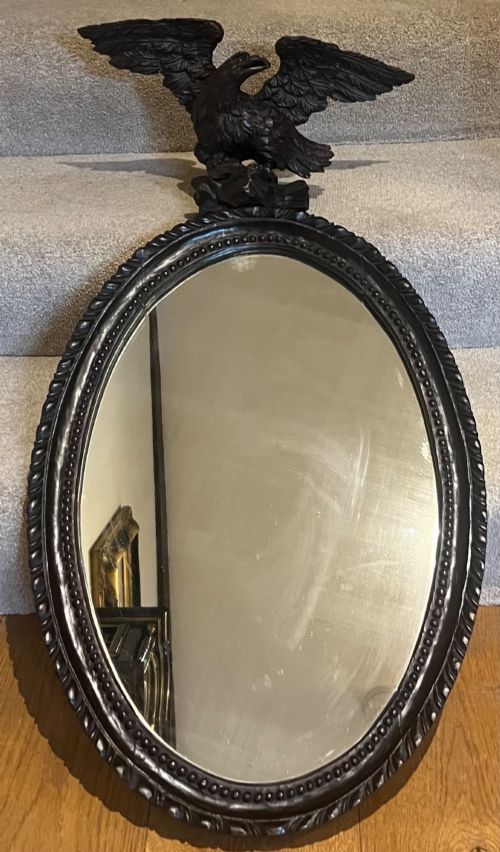
Victorian ebonised mirrors often feature ornate carvings, gilt highlights, and heavy architectural framing influenced by Gothic or Aesthetic movements. They tend to look decorative and elaborate.
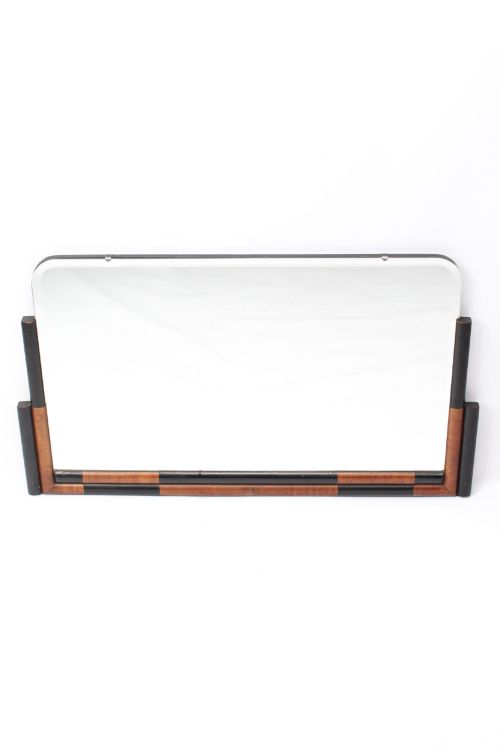
Art Deco mirrors, emerging around nineteen-thirty, favour cleaner geometric lines, streamlined forms, and simpler contrasts between the dark wood and the glass.