




Ebonised Glass Case
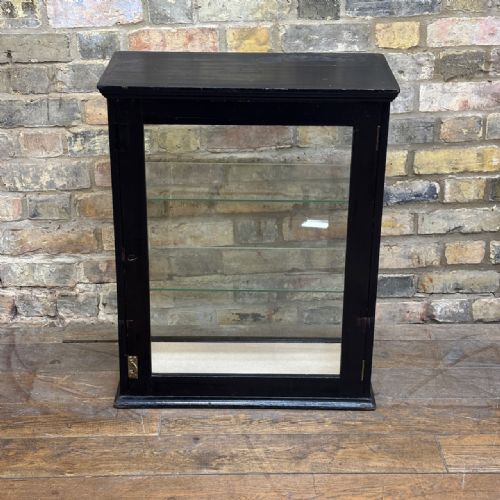
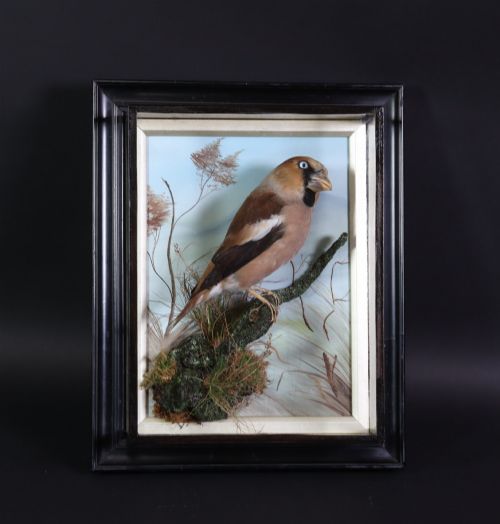
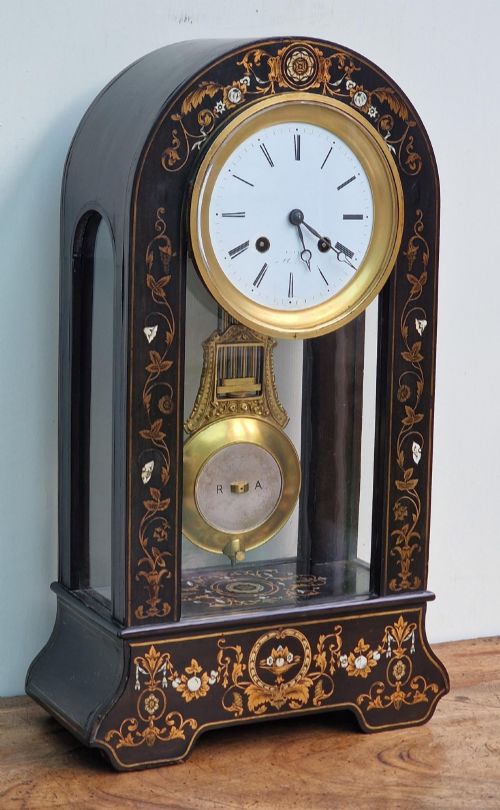
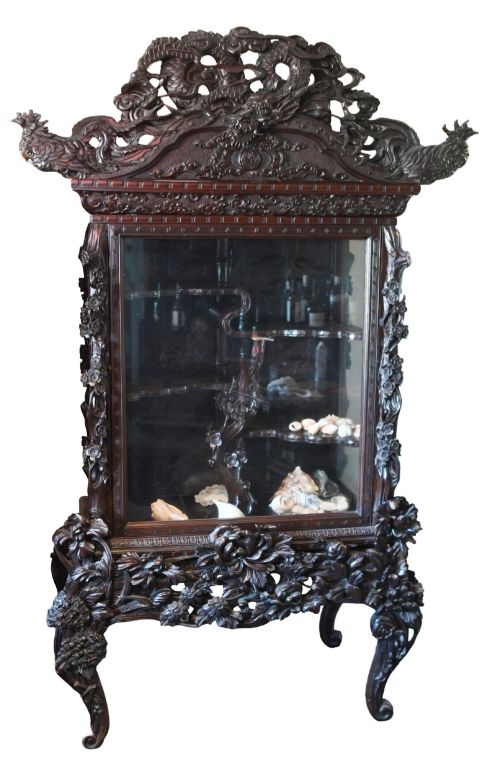
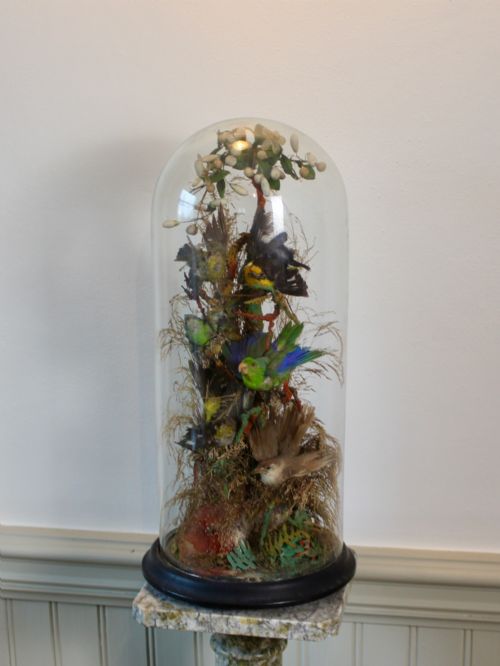
An ebonised glass case gives focus to a Victorian taxidermy group, a clock, or a collection of botanical specimens.
Ebonised Glass Case
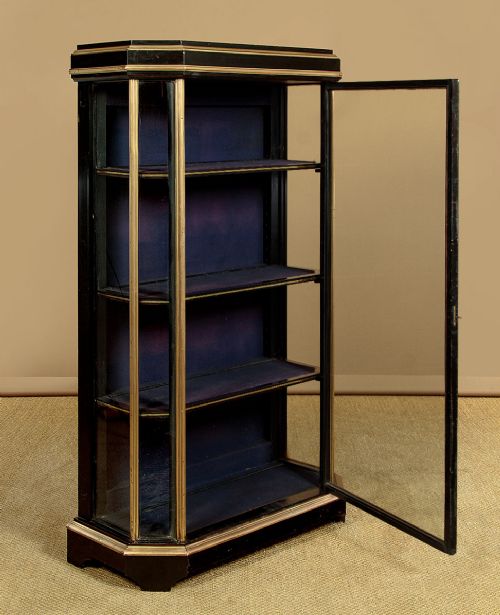
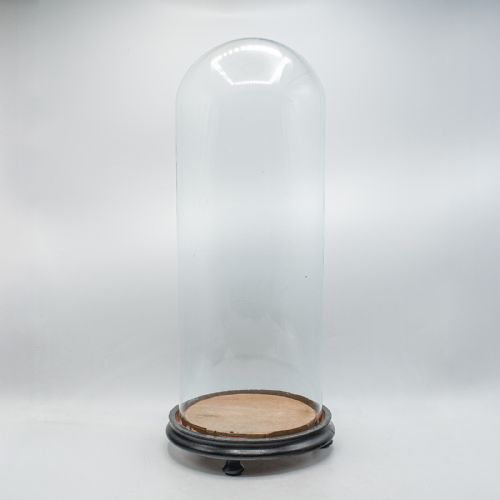
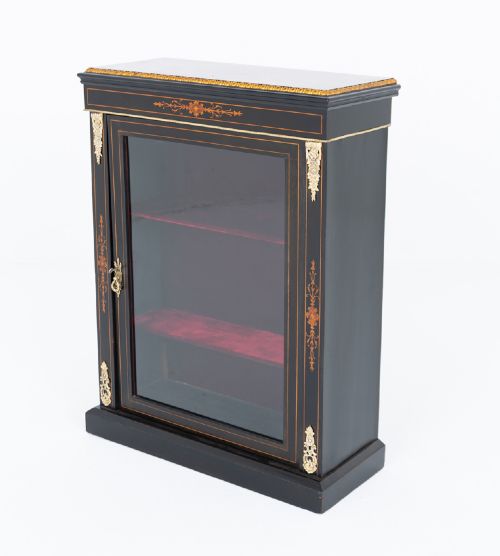
An ebonised glass case brings together Victorian and Edwardian display forms, uniting tall pier cabinets, countertop shop counters, and glass domes designed to protect delicate objects. When you search for an ebonised glass case, you encounter dark timber finishes framing transparent glass panels or blown glass covers.
These objects span the nineteenth century into the nineteen-twenties, appearing as architectural towers, wall-mounted key cupboards, and low mantel clock covers. The dark, blackened wood provides a stark contrast that highlights the items held within, whether birds, minerals, or ceramics.
How they were made
Cabinet makers utilised fruitwoods or pine treated with a dark stain or polish to imitate more expensive ebony, often mounting them with brass hardware or ormolu details. Glass was blown or plate-cut to form heavy domes and flat cabinet panels, resting upon velvet, fabric, or polished wooden bases.
Interior structures frequently incorporated mirrors, marquetry, or inlaid veneers of walnut and amboyna to catch the light through the glass. Joinery relied on traditional framing techniques to support the weight of thick glass panes and taxidermy mounts.
Ebonised Glass Case Retail Price Guide 2026
Typical asking prices for ebonised glass case among the pieces listed under this phrase on Sellingantiques today, from the lower quarter to the upper quarter. They describe what is for sale here now, not the wider market.
What varies in quality
The distinction between standard utility cases and finer pieces rests in the crispness of the ebonisation and the clarity of the glass. Superior examples exhibit hand-blown glass free from heavy distortion, paired with tightly fitted brass mounts and meticulously inlaid timber borders.
Proportion and structural integrity dictate the grade of a cabinet or dome base, where heavier timber framing prevents warping over time. Finer cabinets integrate detailed marquetry, Sevres porcelain plaques, or specialised velvet linings that elevate the piece beyond a simple storage box.
James Gardner·J Cooper And Sons·Quincy Showcase Works
The Ebonised Glass Case Glossary
- Ebonised
- Wood treated with a dark finish or stain to resemble solid ebony. This technique was popular in Victorian and Aesthetic Movement furniture to create dramatic contrast.
- Cloche
- A bell-shaped glass cover used to protect delicate objects, clocks, or taxidermy. It sits directly upon a wooden or velvet-lined base.
- Pier cabinet
- A narrow cabinet designed to stand against the wall space between windows. These often feature glass doors and ebonised wooden frames.
- Vitrine
- A glass display cabinet used for showcasing fine ornaments, ceramics, or curiosities. The term derives from the French word for glass.
- Taxidermy dome
- A glass cover placed over preserved specimens of birds, fish, or mammals. The arrangement beneath often includes artificial snow, rocks, or foliage.
Ebonised Glass Case: Frequently Asked Questions
What fits inside an ebonised glass case?
These enclosures house a variety of fragile items, ranging from stuffed birds and fish to mantel clocks and porcelain figurines. The interior space is designed to protect delicate specimens from dust and handling.
Collectors utilise them for still life arrangements of fruit, botanical samples, and intricate dioramas. The transparent walls ensure the contents remain visible from multiple angles.
How do I clean the glass?
Cleaning requires a soft cloth and a mild glass cleaning solution applied sparingly to avoid seeping into the wooden joints. The dark ebonised finish should be dusted gently with a dry microfiber cloth.
Harsh chemicals must be kept away from the blackened timber to preserve the surface sheen. Care is necessary around antique glass, which can be thinner and more fragile than modern panes.
Are these pieces strictly Victorian?
While many examples date from the Victorian and Edwardian eras, production extends into the nineteen-twenties with shop display counters and tower cabinets. The dark ebonised finish appears across several decades with stylistic shifts.
Late nineteenth-century pieces often reflect Aesthetic Movement or Napoleon III influences. Twentieth-century variants tend toward utilitarian shop fittings rather than domestic parlor cabinets.