




Ebonised French Armchairs
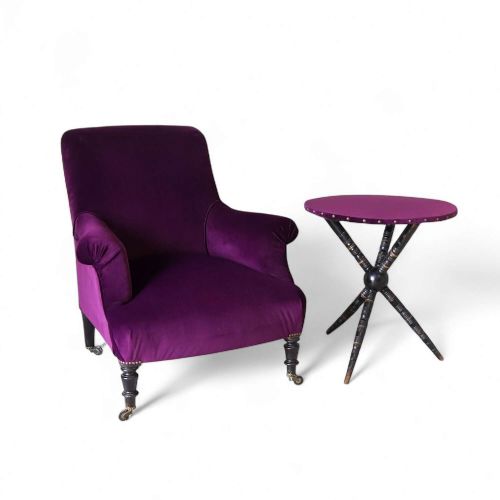
These ebonised french armchairs bring dark, dramatic timber and classical nineteenth-century seating together for any room.
Ebonised French Armchairs
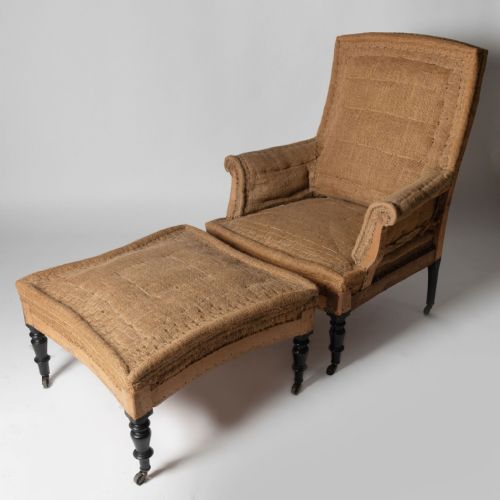
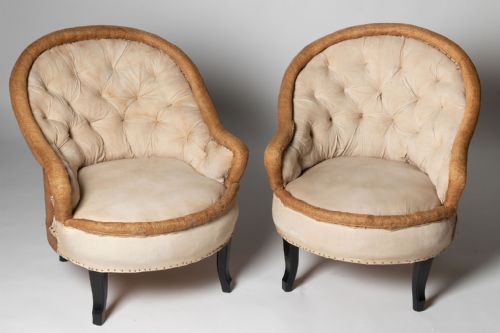
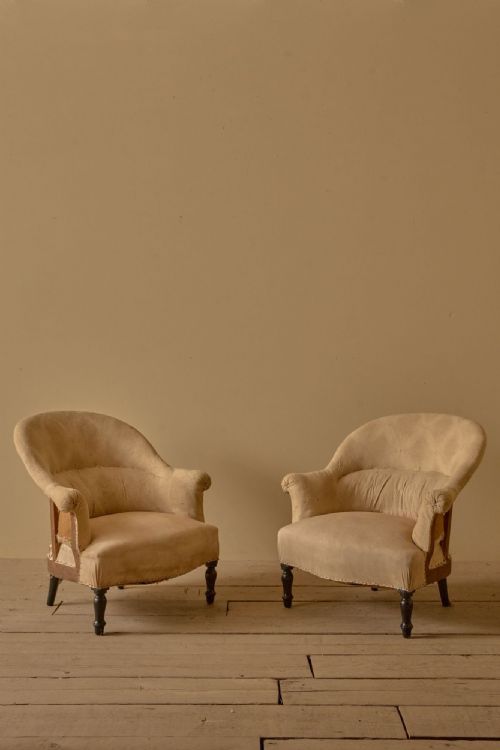
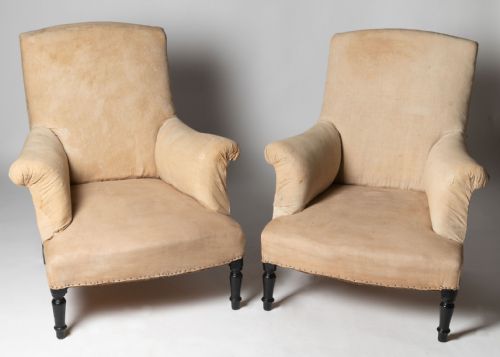
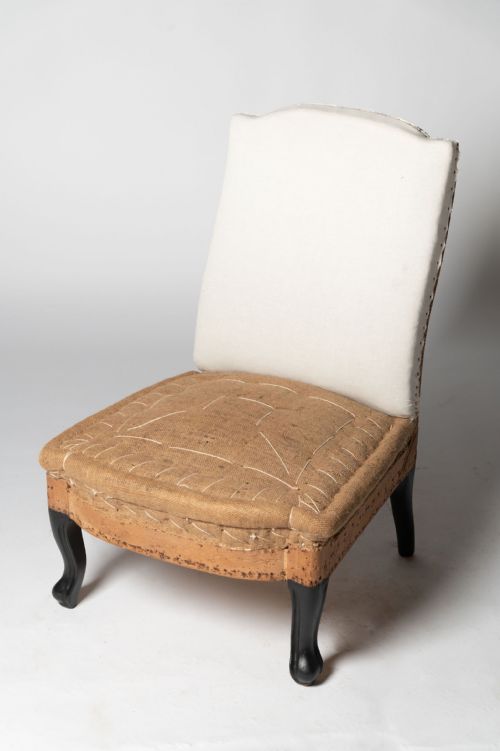
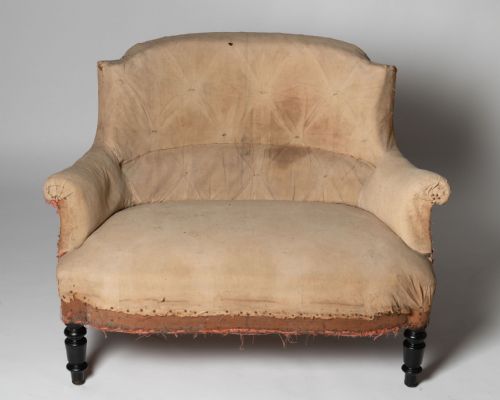
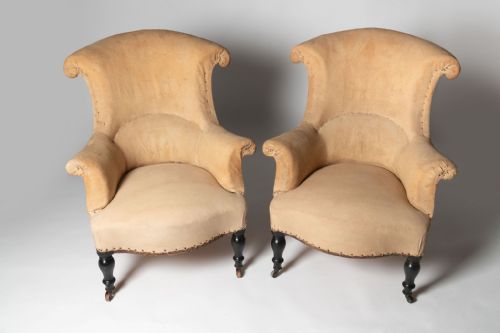
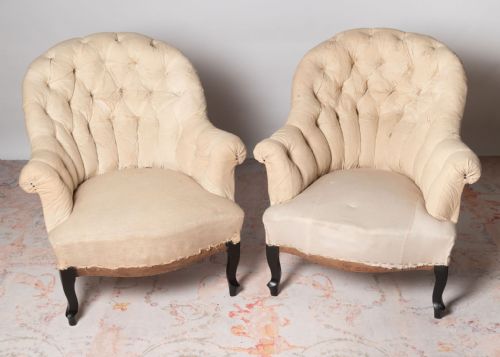
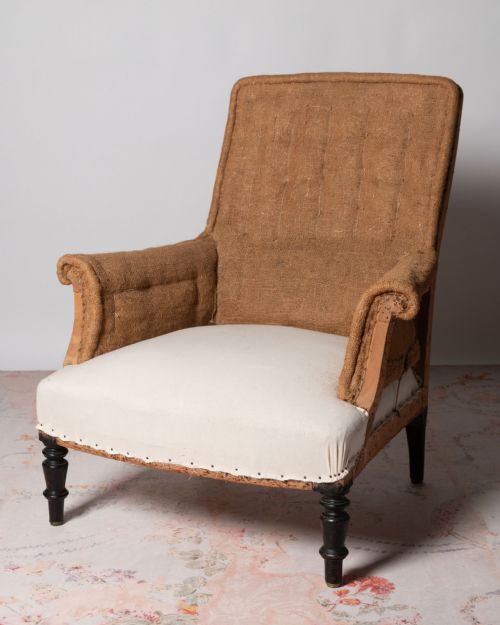
Most examples originate from the nineteenth century, including specific dates around eighteen-fifty and eighteen-eighty. Forms range from square-backed and high buttoned curved backs to open armchairs and reclining designs.
How they were made
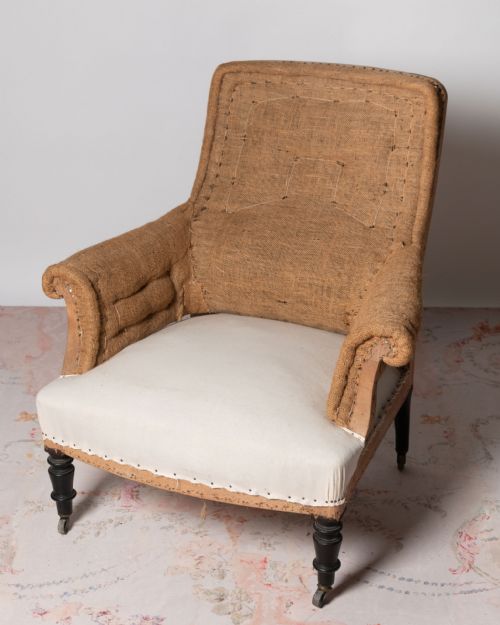
Cabinetmakers constructed the frames using beech and general wood, applying a dark ebonised finish to imitate more costly ebony timber. Metal details such as brass frequently supplemented the wooden structures.
Upholstery techniques involved traditional foundations utilising hessian, calico, linen, and cotton before finishing with decorative fabrics like velvet.
Ebonised French Armchairs Retail Price Guide 2026
Typical asking prices for ebonised french armchairs among the pieces listed under this phrase on Sellingantiques today, from the lower quarter to the upper quarter. They describe what is for sale here now, not the wider market.
Some nineteenth-century chairs arrived paired with gypsy tables, proving that Victorian parlour layouts loved a matching social corner.
What varies in quality
The distinction between ordinary and superior pieces rests in the crispness of the ebonised finish and the integrity of the underlying beech frame. Finer examples retain balanced proportions across pairs and display meticulous carving on revival styles.
Upholstery preparation also dictates standard, where retained original webbing and period fabric choices distinguish workshop execution.
The Ebonised French Armchairs Glossary
- Ebonised Wood
- Timber treated with stain or paint to resemble natural ebony. This finish gained popularity during the nineteenth century for formal salon furniture.
- Napoleon III Style
- A nineteenth-century French design movement drawing inspiration from past royal periods. It favours comfort alongside eclectic ornamentation.
- Louis XVI Revival
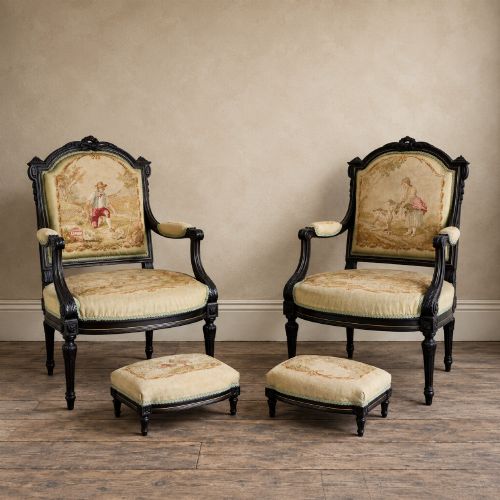
- A nineteenth-century style referencing neoclassical symmetry and straight lines. Pieces typically incorporate classical motifs and ebonised beech frames.
- Tub Chair
- An upholstered seating form with a continuous curved back and arms. The design envelops the sitter for added comfort.
Ebonised French Armchairs: Frequently Asked Questions
Are these chairs comfortable for daily use?
Many nineteenth-century examples feature padded buttoned backs and generous proportions designed for relaxation. Their supportive frames suit regular seating in modern reception rooms.
Upholstered versions provide substantial cushioning, though nineteenth-century seat heights can feel slightly lower than contemporary armchairs. Pairing them with matching footstools enhances practical lounging comfort.
How do I identify a Napoleon III armchair?
Napoleon III pieces often display dark ebonised wooden frames paired with buttoned upholstery and curved backs. They date from the mid to late nineteenth century.
Look for eclectic design influences that blend comfort with classical French revival lines, frequently appearing in pairs or small sets.
What rooms suit ebonised salon chairs?
The dark timber finish and compact scale of nineteenth-century salon chairs work well in drawing rooms, bedrooms, or studies. They provide striking accent seating without dominating a floor plan.
Their restrained dark frames contrast effectively against neutral walls, while pairs can frame a fireplace or a gypsy table.
How should I care for ebonised wood?
Dust the ebonised wooden surfaces regularly with a soft, dry cloth to prevent grit accumulation. Avoid harsh chemical polishes that can degrade the dark surface finish over time.
Keep the timber away from direct sunlight and heat sources to protect the nineteenth-century polish and prevent wood shrinkage.