

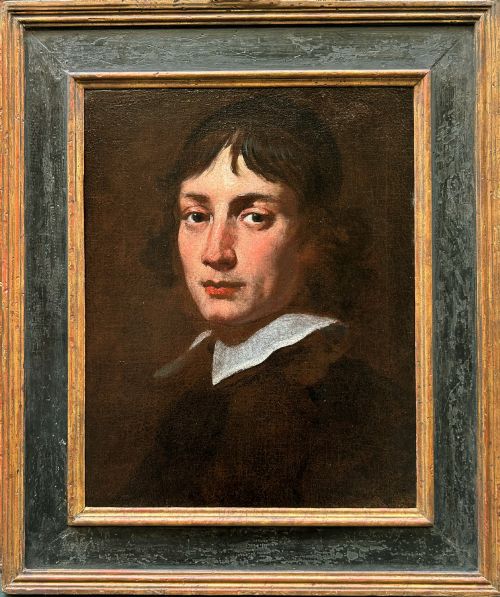
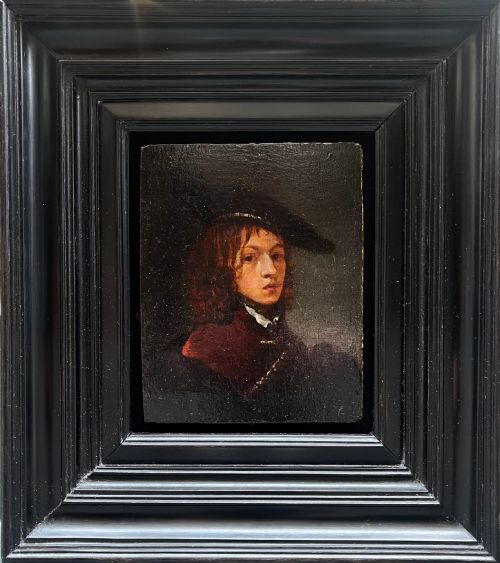
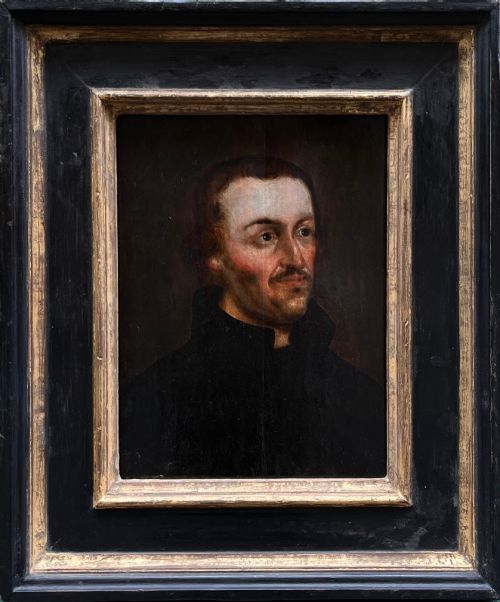
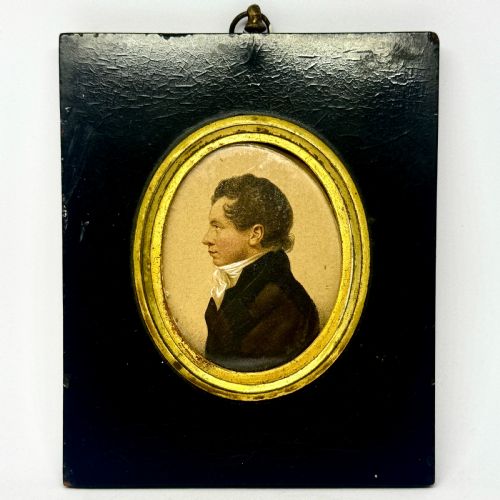
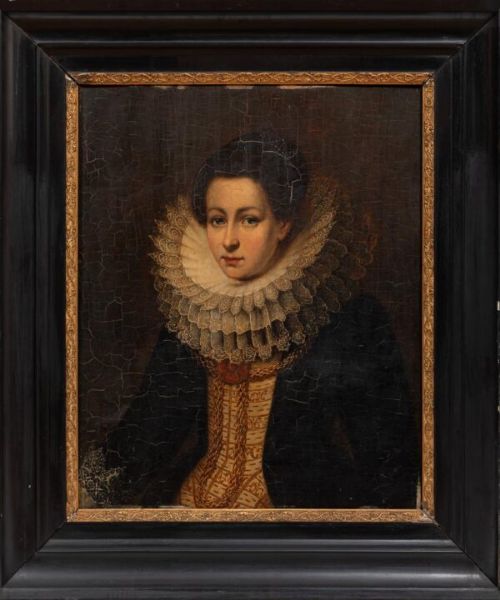

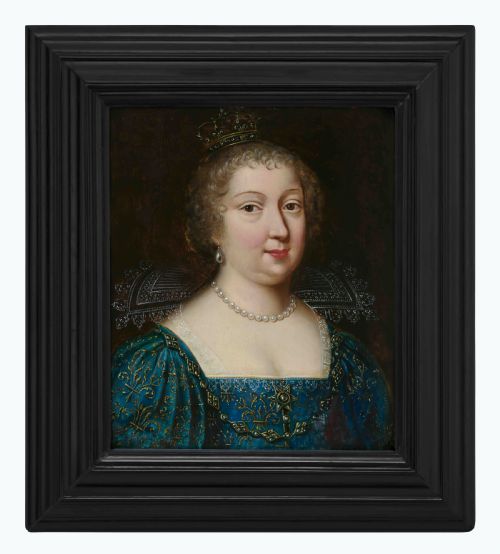
Ebonised Framed Portrait Painting
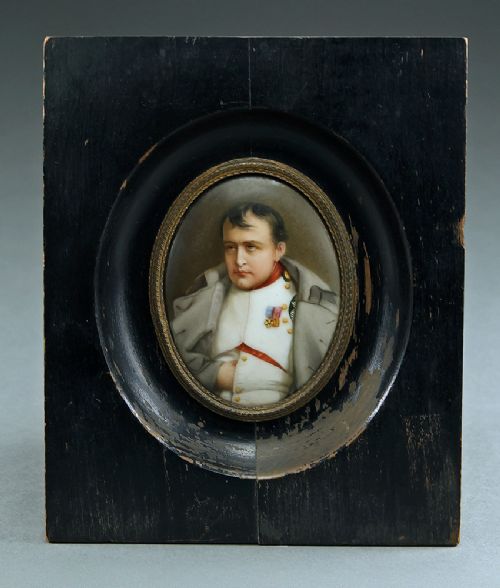
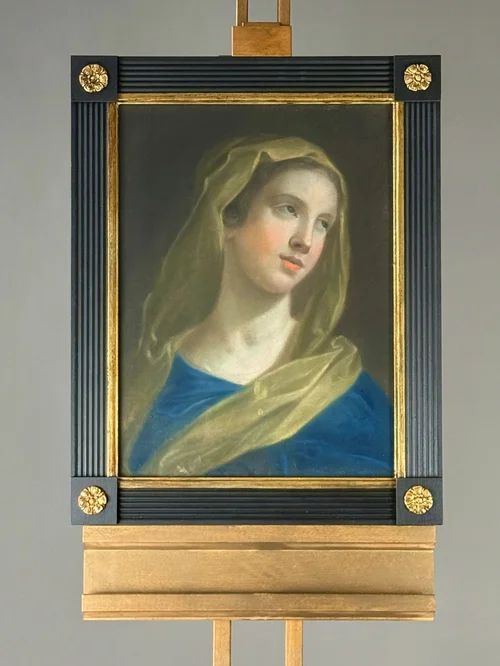
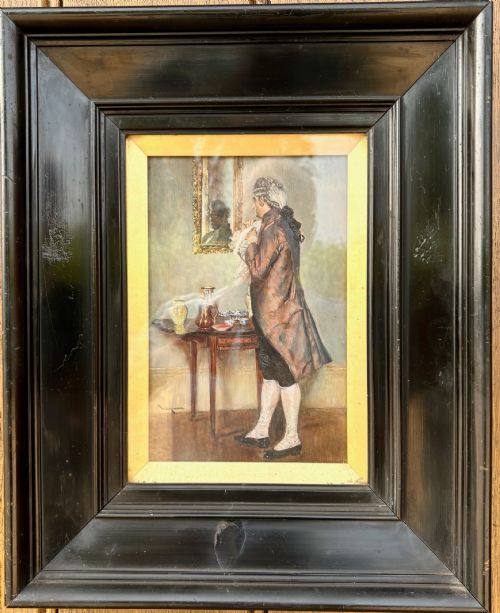
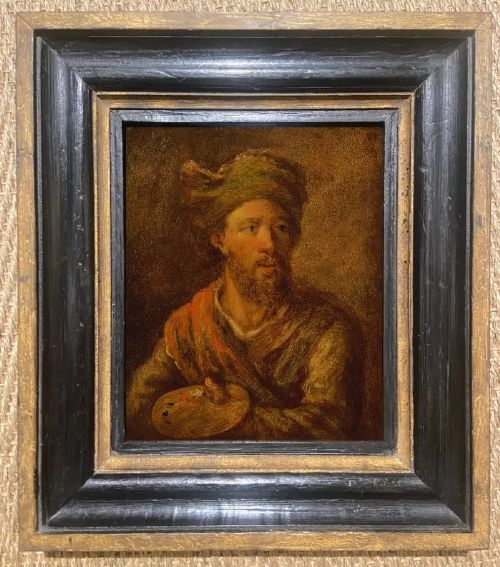
These ebonised framed portrait painting examples bring centuries of character into a room through dark timber mouldings and painted faces.
Ebonised Framed Portrait Painting
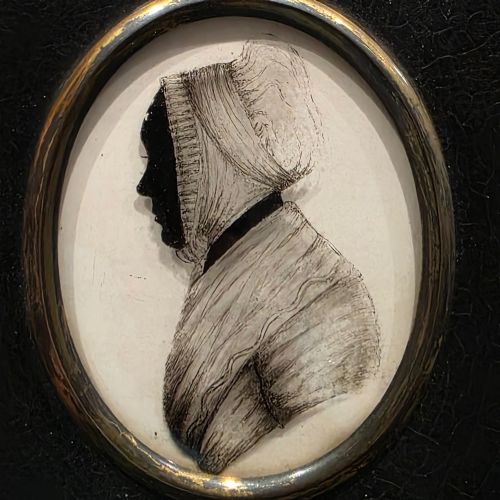
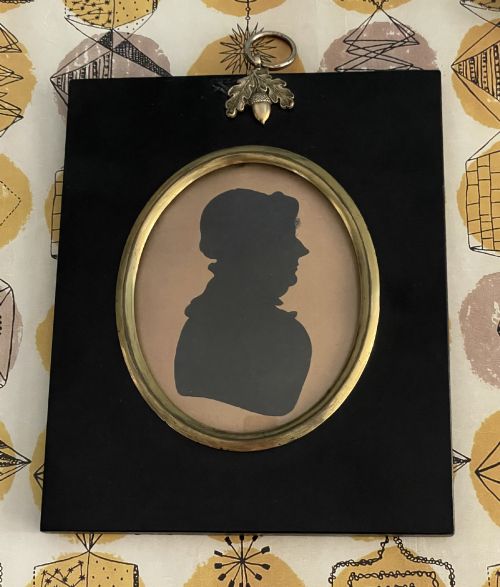
An ebonised framed portrait painting combines historical likenesses with stark dark borders, drawing the eye directly to the subject's face. Buyers searching this phrase encounter works ranging from small silhouettes to substantial oil canvases.
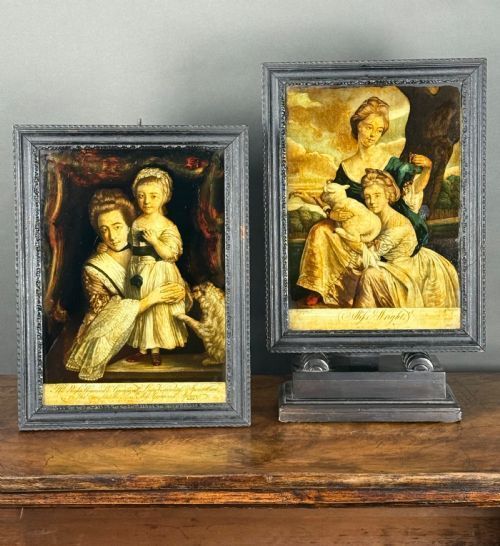
The pieces span multiple periods, with nineteenth-century examples and eighteenth-century works appearing frequently alongside earlier sixteenth and seventeenth-century portraits. Formats include oval miniatures, rectangular panels, and reverse glass prints.
Subjects include nobility, children, gentlemen, and ladies in period attire, often housed within their original dark wood surrounds. These works reflect both British and continental European schools of painting.
Materials and Technique
Artists painted on wood panels, canvas, paper, and glass, utilising oil, watercolour, pastel, and enamel. Reverse glass painting required applying pigment directly to the rear of the glass plate to be viewed from the front.
Frames consist of wood stained or painted black to imitate ebony, sometimes complemented by brass fittings or gold leaf accents. Glazing protects delicate watercolours and paper silhouettes within the tight confines of the wall hanging.
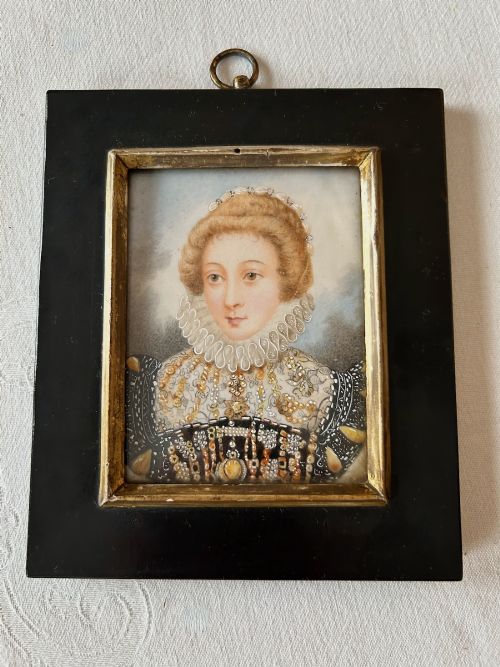
Several portraits feature subjects wearing remarkably intricate ruff collars that demand immediate attention.
Evaluating the Range
Quality rests upon the skill of the brushwork and the psychological depth captured in the sitter's expression. Master works display subtle handling of light on skin and fabric, whereas simpler folk art relies on bold outlines.
The integrity of the ebonised frame matters greatly, with period surrounds retaining their original matte or polished black finish holding higher appeal. Surviving glass plates and untouched backing papers add historical weight to individual pieces.
Henri Fradelle·Benedetto Luti·W.D. Almond·Albin Mattenheimer·Michael Dahl
The Ebonised Framed Portrait Painting Glossary
- Ebonised wood
- Timber treated with stain, dye, or paint to achieve the dense black appearance of ebony. This technique was popular in various historical periods for framing artwork.
- Portrait miniature
- A small-scale painting executed with fine detail, often created on vellum, card, or copper. These portable artworks were frequently kept in private chambers or worn.
- Reverse glass painting
- A technique where the image is painted directly onto the back of a glass sheet and viewed from the front. The finished piece possesses a distinct glossy surface.
- Silhouette
- A portrait profile filled in with a solid dark colour, typically black, against a pale background. They emerged as a popular and accessible form of likeness before photography.
- Oil on panel
- A painting executed on a wooden board rather than canvas. This solid support was standard practice in earlier centuries before woven textiles dominated.
Ebonised Framed Portrait Painting: Frequently Asked Questions
What periods do these portraits come from?
The selection includes works from the sixteenth, seventeenth, eighteenth, and nineteenth centuries. Each era brings distinct clothing styles and painting techniques to the canvas or panel.
Earlier centuries favour formal oil portraits of nobility, while later periods introduce silhouettes and delicate watercolours.
How should I hang these framed paintings?
Display them on neutral walls where the dark timber surrounds can create a striking visual contrast. Grouping several pieces together works well for smaller silhouettes and miniatures.
Keep them away from direct sunlight to protect vulnerable watercolours, paper, and painted glass surfaces.
Are the frames original to the paintings?
Many pieces retain their period ebonised frames, which show appropriate signs of age consistent with the centuries. Wood frames from the Georgian and Victorian eras complement the artwork they enclose.
Inspect the joinery and surface finish to understand the history of the pairing.
What is a reverse glass painting?
This method involves painting the image backward on the rear side of a glass panel. When viewed from the front, the glass provides a protective and lustrous finish.
Artists utilised this technique for portraits and decorative prints during the Georgian period.