





Framed Oil Panel Art
When you encounter framed oil panel art, you are looking at centuries of compact painted surfaces preserved within traditional borders.
Framed Oil Panel Art
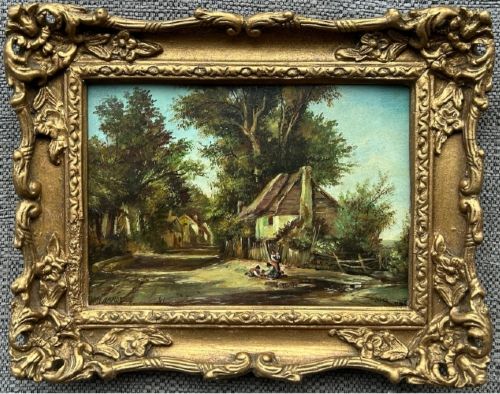
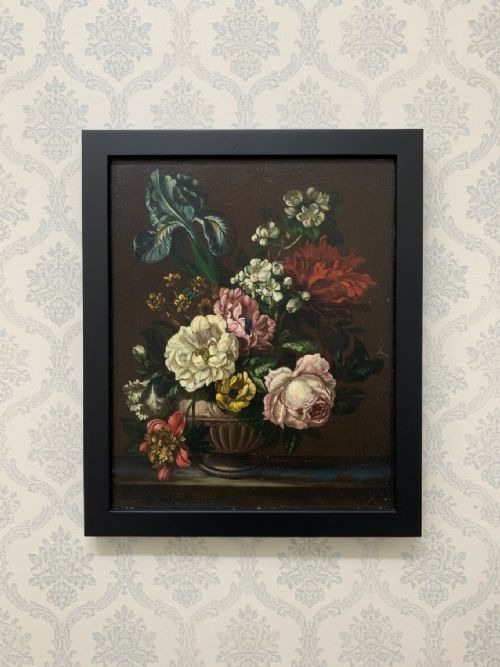
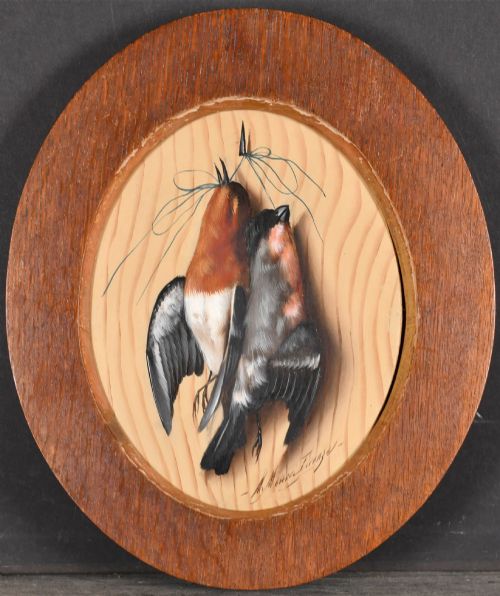
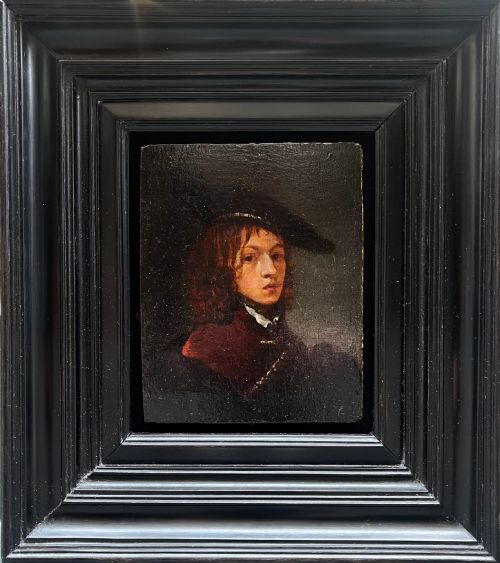
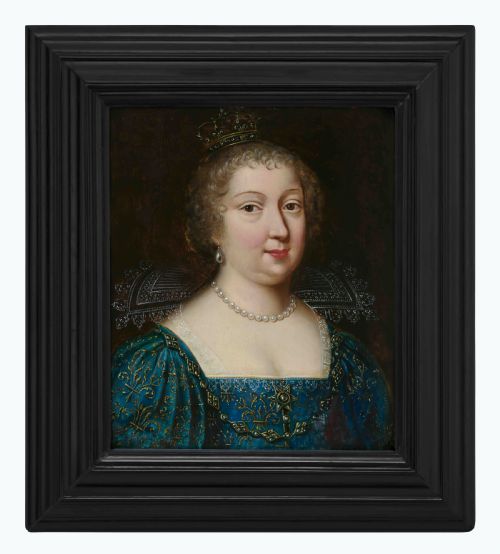
Framed oil panel art encompasses centuries of painted works executed directly onto rigid supports rather than flexible canvas. These pieces range from seventeenth-century portraits to later landscapes and still lifes.
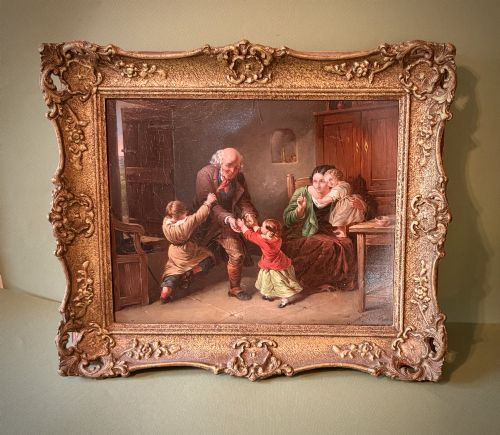
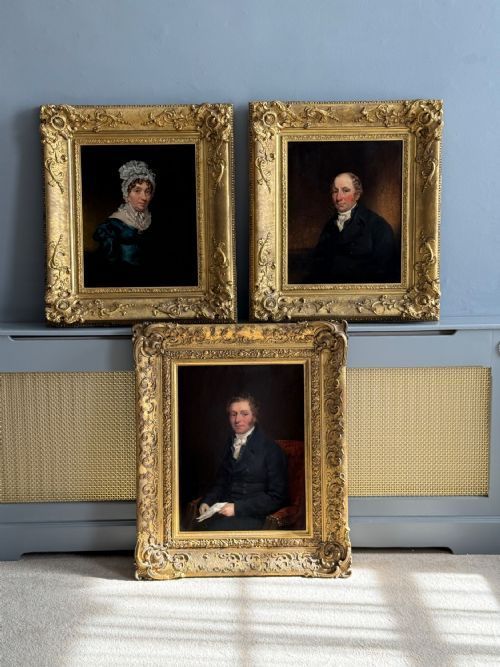
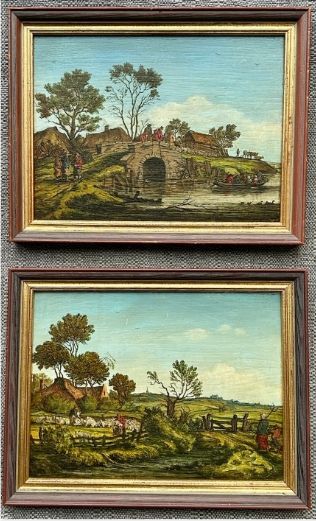
The format frequently takes the form of compact portraiture or intimate genre scenes originating from British, Dutch, and French schools. Examples span eras from the Jacobean period through Georgian and Victorian times up to the twentieth century.
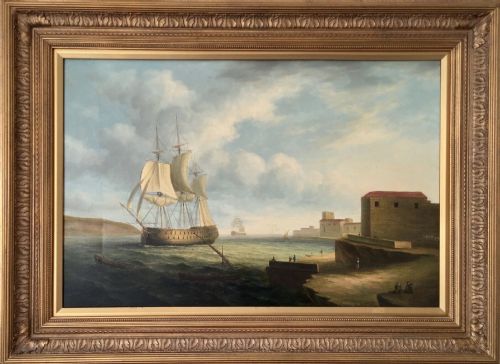
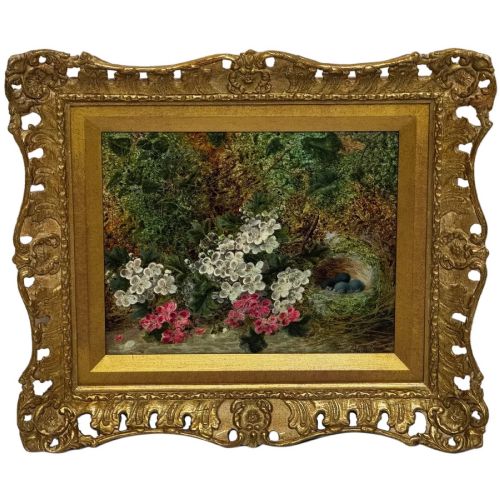
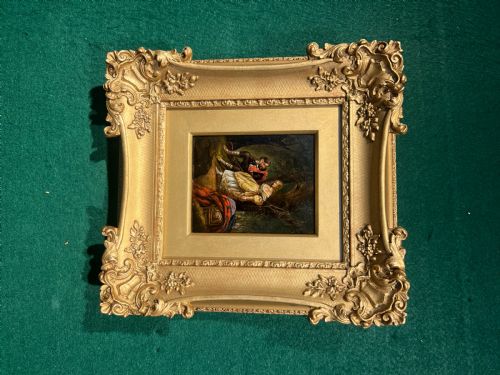
Surviving works often retain elaborate surrounds such as gesso and giltwood frames that complement the painting. Buyers meet everything from naive Scottish depictions to formal European portraiture on these wooden supports.
Materials and Construction
Makers applied oil paint onto solid wood panels, including oak, utilising stable rigid foundations that prevented the cracking common in aged fabric. This method allowed artists to achieve fine detail and smooth blending across the picture plane.
Surrounds recorded in the inventory include intricate gesso and giltwood frames finished in gold leaf.
Standards of Execution
Quality rests upon the skill of the brushwork and the anatomical or perspective accuracy achieved by the hand behind the work. Finer pieces demonstrate confident handling of light, shadow, and texture within the compact surface.
The preservation of the original wood panel and its historical frame dictates the integrity of the piece. Superior examples maintain stable paint layers without extensive modern intervention across the surface.
Joseph Clover RA·Michelangelo Meucci·Cornelius Johnson·William Etty·Pieter Cornelis Dommersen
The Framed Oil Panel Art Glossary
- Gesso
- A plaster-like mixture applied to wooden frames as a base for gilding. It is carved or moulded to create decorative relief patterns before applying gold leaf.
- Panel
- A flat piece of timber used as a rigid painting support instead of canvas. Oak and other hardwoods were traditionally chosen for their stability.
- Giltwood
- Wood carved and coated with gold leaf or metallic powder to produce a brilliant decorative finish. This material was standard for high-status picture frames.
- Genre painting
- A category of artwork depicting scenes from everyday life. These works often show figures in domestic interiors or rural landscapes.
- Trompe l'oeil
- An artistic technique designed to create an optical illusion of three-dimensional space and reality. It tricks the eye into perceiving painted objects as physical items.
Framed Oil Panel Art: Frequently Asked Questions
Why did artists paint on wood instead of canvas?
Wood panels offered a completely rigid and smooth foundation that prevented the sagging and tearing associated with woven textiles. This firm surface allowed artists to work with miniature precision and delicate blending.
Panels were the standard support for paintings long before stretched canvas became common practice in European workshops. Many painters favoured oak and other dense timbers for their exceptional longevity.
How should I care for an old panel painting?
Keep the artwork away from direct sunlight and fluctuating heat sources to prevent the wood panel from warping or cracking. Stable room environments preserve both the timber support and the delicate oil paint layers.
Dust the frame gently with a dry, soft brush and avoid using liquid cleaners on either the gilded surface or the painted panel. Professional conservation advice should be sought if the paint shows any signs of lifting.
Are original frames important for these artworks?
Period frames provide historical context and structural protection for the wooden panel within. An appropriate period surround maintains the aesthetic integrity of the piece as a unified object.
Replacing a missing surround with an authentic period example enhances the display and preserves the character of the artwork. Collectors generally value pieces that retain their original gesso and giltwood borders.
How do I identify the age of the panel?
Examination of the reverse side often reveals tool marks, timber grain, and construction methods characteristic of specific centuries. Carpenters' stamps or early collection labels can also offer clues regarding origin and date.
Stylistic conventions in clothing, hair, and painting technique help narrow down the period of execution. Comparing the work to documented pieces by regional schools provides further chronological certainty.