



Ebonised Framed Art Prints
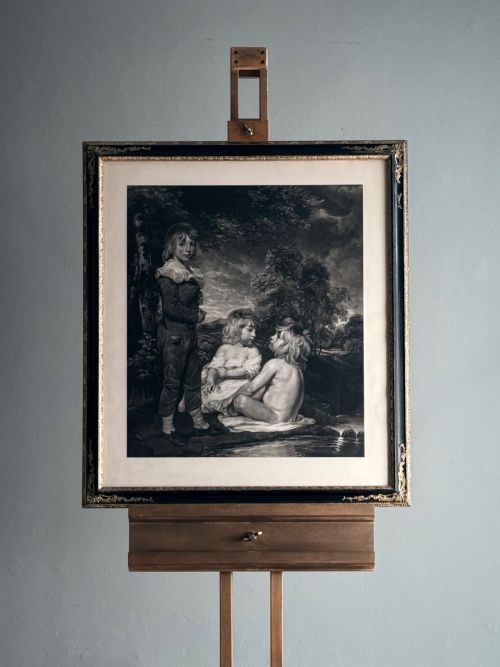
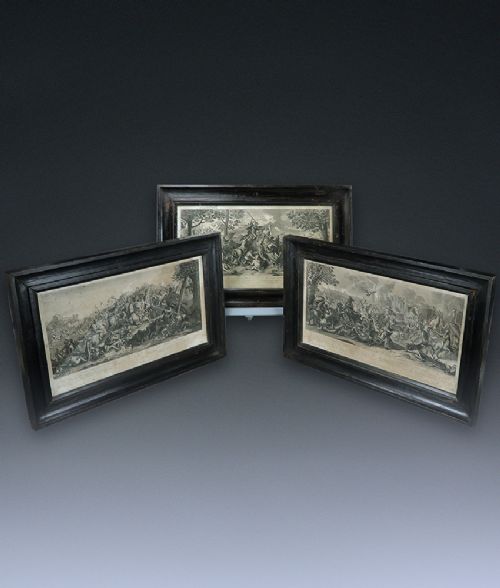
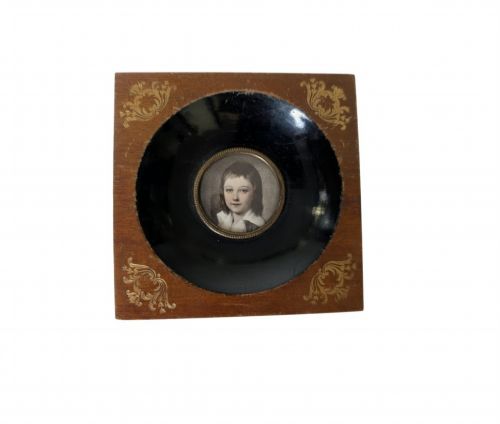
These ebonised framed art prints bring dark wood borders and period character to walls through centuries of engravings, mezzotints and reverse glass works.
Ebonised Framed Art Prints
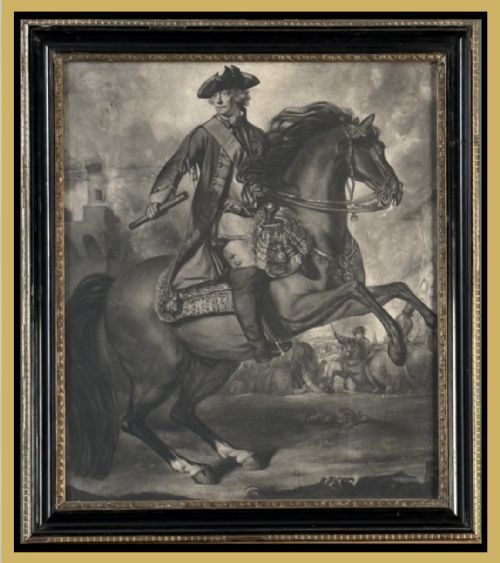
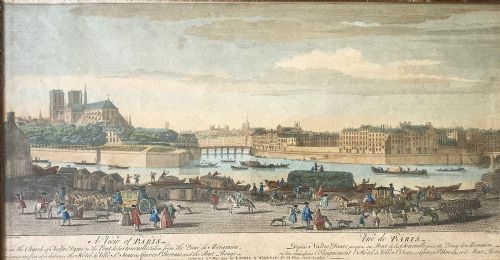
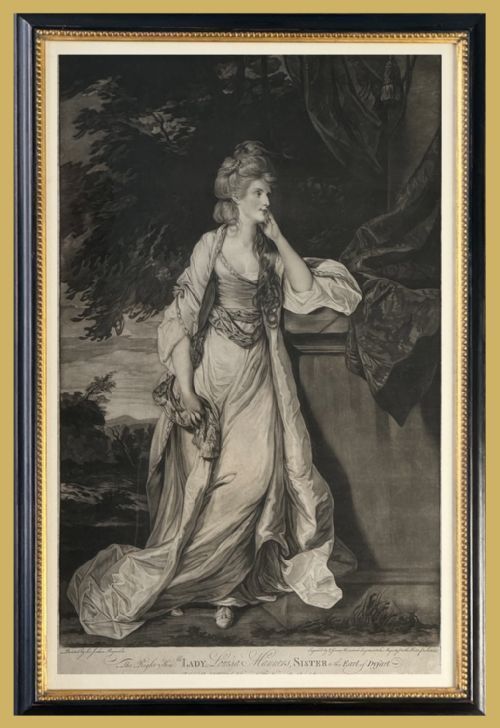
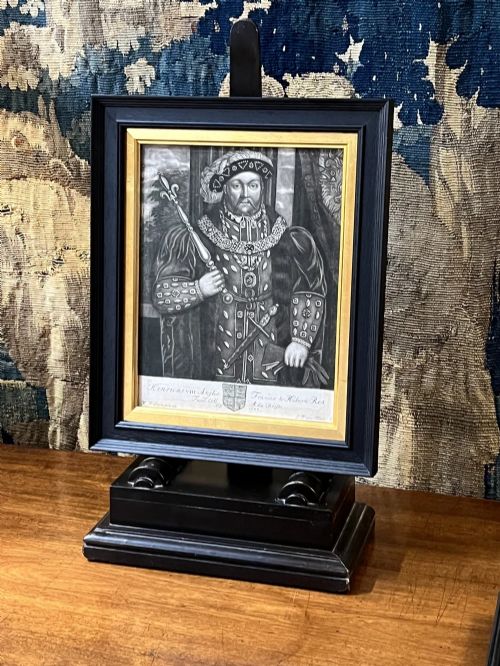
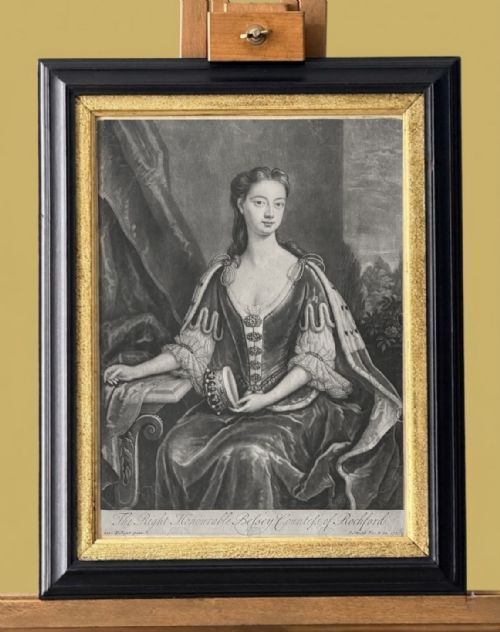
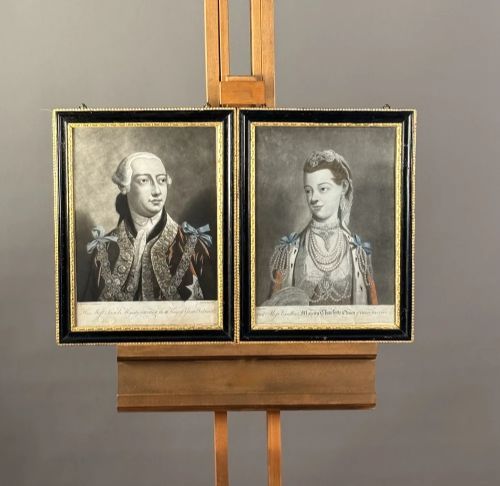
Ebonised framed art prints span periods from the Georgian era through to the early twentieth century, taking the form of wall art, engravings and mezzotints. Buyers seek these pieces to display historical portraits, architectural views and classical subjects within dark wooden surrounds.
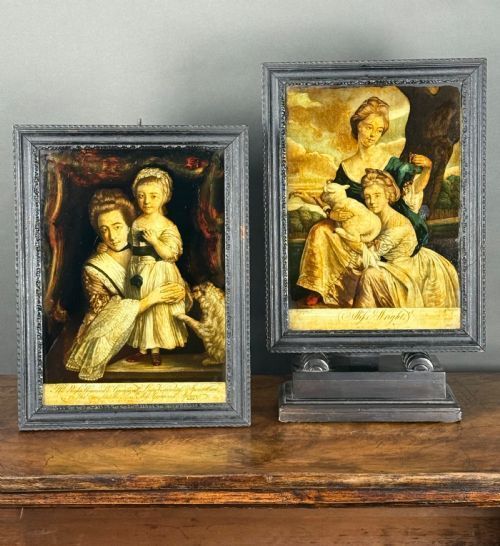
The selection on this page leans heavily toward eighteenth-century mezzotints and reverse glass prints, alongside nineteenth-century military, religious and natural history works. These items bridge graphic art and decorative framing, offering a window into past portraiture and topographical design.
Formats range from single portrait plates to sets of four architectural or orientalist prints. Each piece relies on the contrast between the dark frame and the paper or glass surface within.
Materials and construction
Makers constructed the surrounds using wood finished in an ebonised coating to imitate ebony, frequently pairing them with gold leaf or deep giltwood mounts. The internal artwork relies on paper, glass and wood panels as substrates.
Techniques span hand-coloured engravings, stipple-engravings, etchings and mezzotints, with some examples utilising reverse painting and printing directly onto glass using oil paint and pigment.
Listings feature works spanning the eighteenth century, the Regency period and the early twentieth century, executed in glass, paper and ebonised wood.
Assessing quality
Quality rests in the crispness of the impression from the plate and the subtlety of any original hand colouring applied to the paper or glass. Stronger examples retain their early pigments and sharp linework without fading.
The integrity of the ebonised wood frame and the retention of original gilt mounts or glass panels distinguish superior specimens from those with later replacements.
Edward Fisher·Sir Joshua Reynolds·Fletcher·Sebastiaan Vrancx·Valentine Green·John Faber Snr·Hans Holbein the Younger·John Smith·Charles D'Agar·Thomas Frye·Richard Purcell·James Ward·John Hoppner·Le Brun·W Bishop·John Boydell·Otto Pilny·Bartolozzi
The Ebonised Framed Art Prints Glossary
- Mezzotint
- A printmaking process of the intaglio family where the plate is roughened to achieve rich tonal gradations rather than simple lines. This technique allows for velvety dark areas and subtle portraits.
- Reverse glass print
- An image applied directly to the back of a glass sheet, often coloured and viewed from the front. These delicate works require careful handling.
- Engraving
- A method of cutting a design into a hard plate with a burin to hold ink for transfer onto paper. It produces precise architectural lines and sharp details.
- Stipple-engraving
- A print technique using dots to build up the image and tonal shades instead of continuous lines. Artists employed this for soft portraiture.
- Giltwood
- Wood carved and coated with a layer of gold leaf. It often forms the inner mount of these frames.
Ebonised Framed Art Prints: Frequently Asked Questions
What are ebonised frames?
Ebonised frames are wooden mouldings treated with a dark stain or finish to simulate expensive ebony wood. They provide a sharp, dark border that focuses attention on the artwork inside.
Cabinetmakers utilised this finish across the Georgian and Victorian periods to lend a formal, restrained appearance to prints and paintings.
How do I care for reverse glass prints?
Reverse glass prints require mounting away from direct sunlight and high humidity to protect the pigments applied behind the glass. Dust them gently with a dry microfibre cloth without applying liquid cleaners.
Because the artwork sits on the reverse of the glass panel, any moisture or harsh pressure can lift the original paint or print layers.
What subjects appear in these prints?
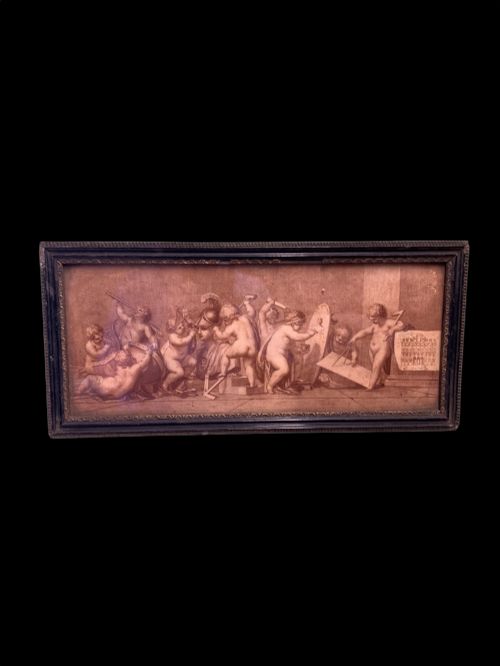
Subjects include historical royal portraits, military scenes, architectural views of cities and cathedrals, and classical allegories like cupids. Natural history and orientalist works also feature in later nineteenth-century pieces.
These varied themes reflect the changing decorative tastes and educational interests of collectors across the eighteenth and nineteenth centuries.
How can I tell a Georgian print from a later one?
Georgian prints typically display laid paper with watermarks, hand-coloured details using period pigments, and plate marks indented by the printing press. The accompanying ebonised frames often feature simple, elegant proportions typical of the eighteenth century.
Later Victorian and 1900s reproductions or works use machine-made paper and different framing joinery, which helps separate them from earlier originals.