

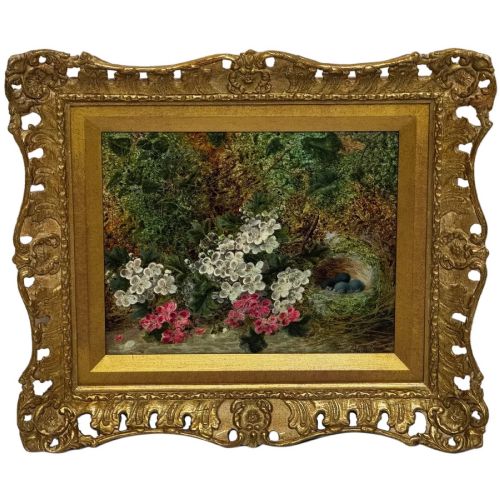
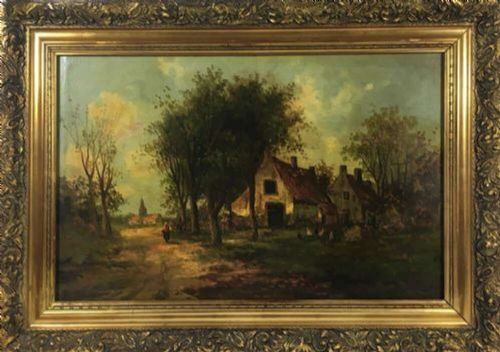
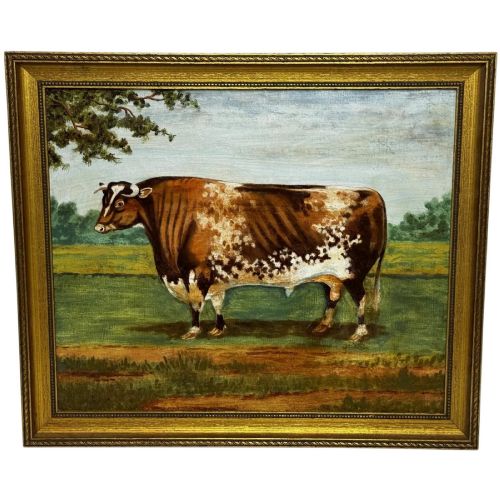
Nineteenth Century Framed Art
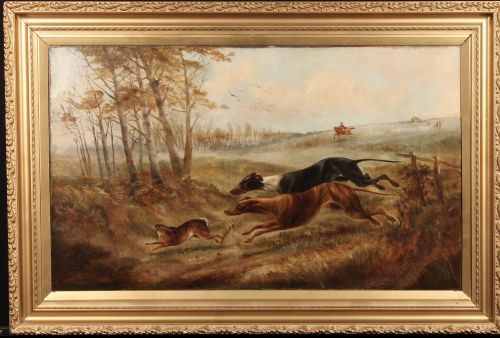
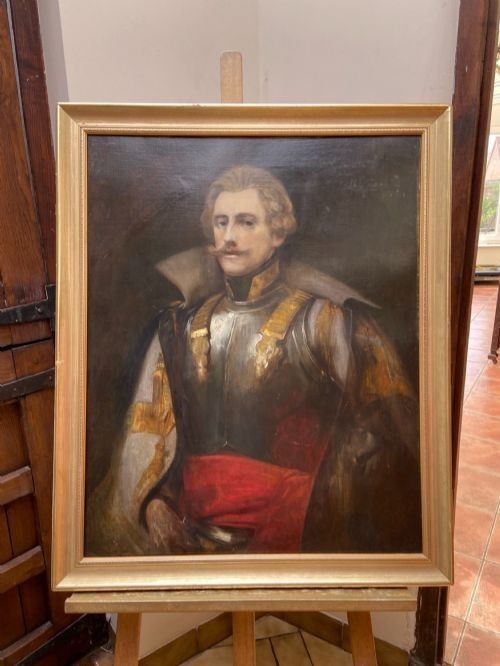
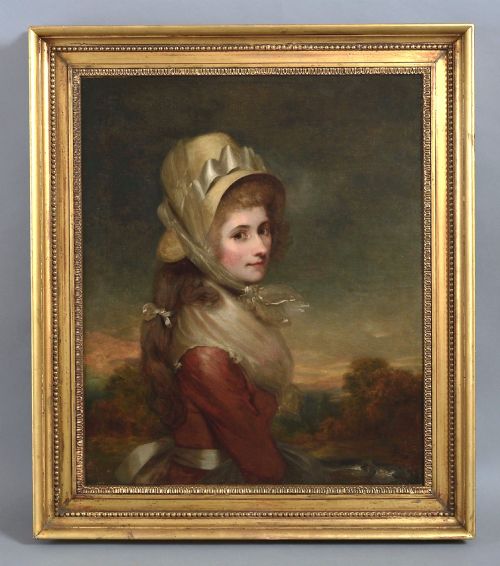
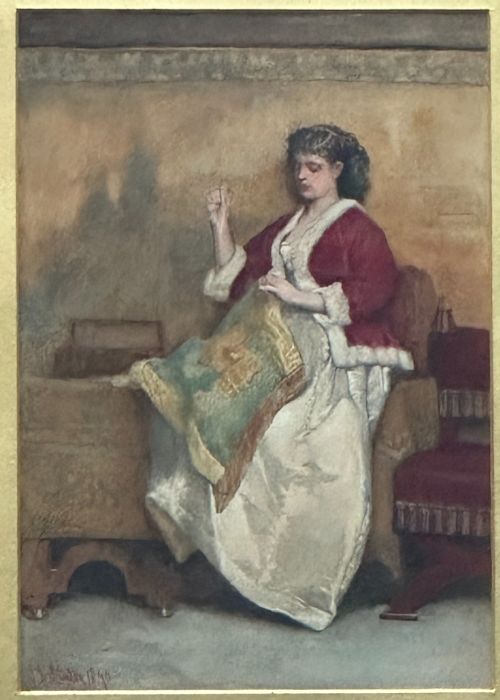
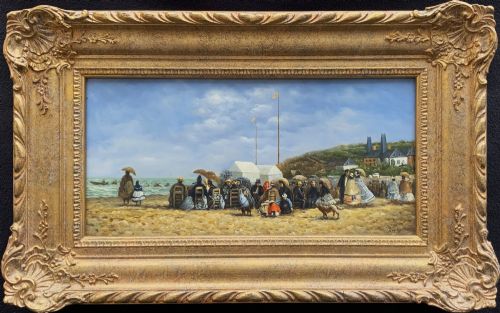
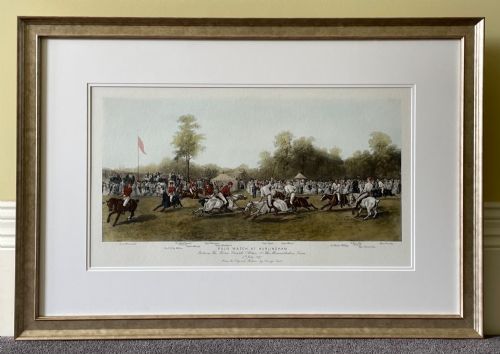
Nineteenth century framed art brings together oil paintings, watercolours and silhouettes held in period wood and giltwood surrounds.
Nineteenth Century Framed Art
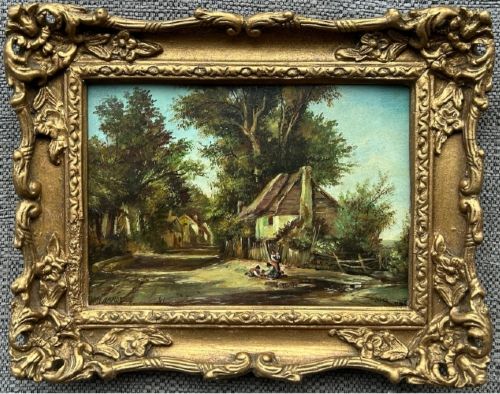
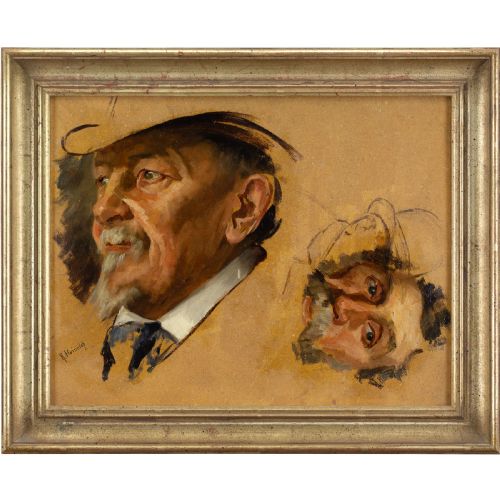
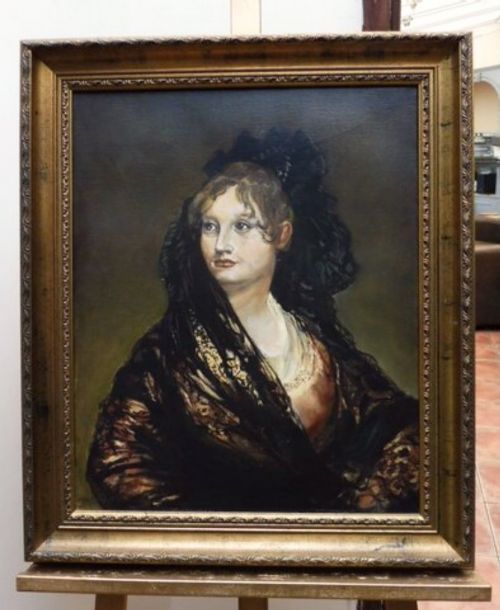
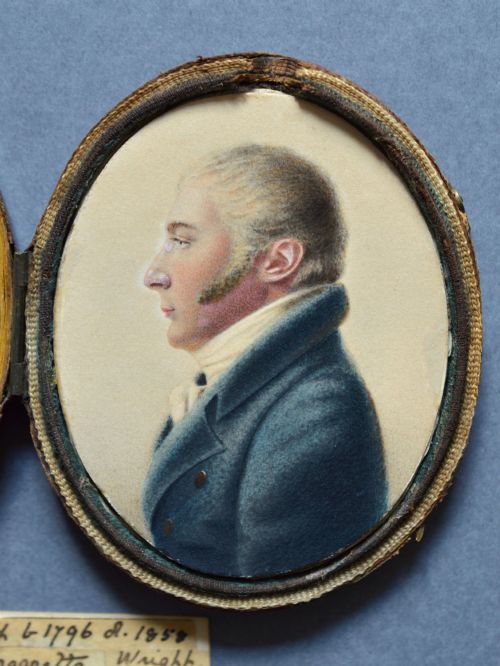
Nineteenth century framed art spans oil paintings, watercolours, lithographs, silhouettes and textile works enclosed in period surrounds. Buyers find portraits, landscapes, townscapes and still life compositions originating from British, French and Italian schools.
The pieces on this page lean heavily towards oil on canvas and panel, alongside framed paper works and silhouettes. Victorian and 19th-century periods dominate the selection, offering framed works from domestic and continental makers.
Materials and construction
Makers utilised oil on canvas or panel, watercolour on paper, and ink or gouache, securing the works inside wood, gilt wood, and giltwood frames protected by glass. Gold leaf applied to wooden mouldings provides the reflective borders typical of the period.
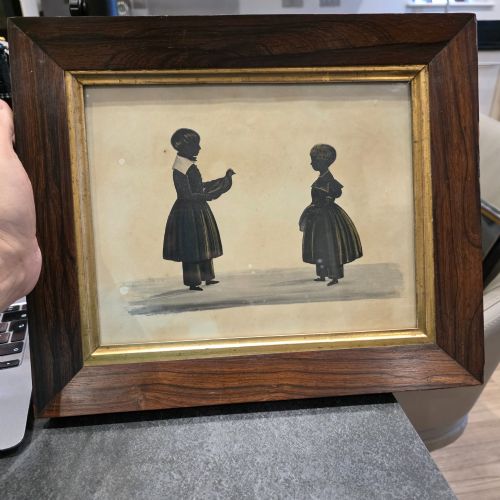
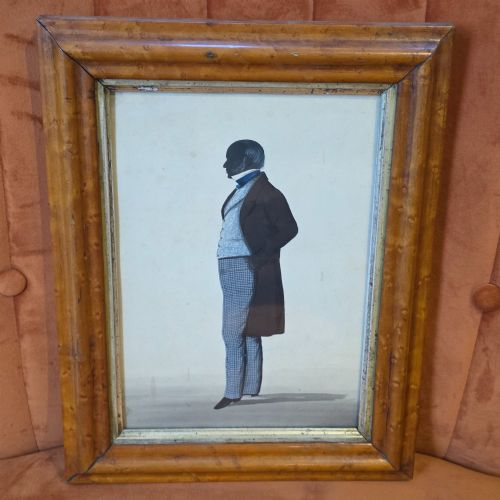
Portraits and landscapes employ traditional pigments laid down by brush, while silhouettes involve hand-cut paper mounted against contrasting backgrounds. Frames incorporate carved or moulded wooden structures designed to support and protect the artwork.
Periods represented include 19th Century, 1860, Victorian, 1890, 1900, 1910, 18th Century and 1960.
Evaluating quality in framing and works
Quality rests upon the execution of the primary medium, whether brushwork in an oil painting or precision in a hand-cut silhouette. Superior pieces display confident handling of light, form and detail by the artist.
The integrity of the surrounding frame matters equally, with original gilt wood and gold leaf mouldings retaining their depth and crispness. Works maintaining their original backing and glass demonstrate better preservation over time.
Sir Martin Archer Shee·Sir James Dromgole Linton·William Howard Hardy·Robert Heinrich·Oliver Clare·James Kay·C. Sørensen·Alfred Pollentine·Francis Moltino·John Horace Hooper·Frederick Walker·Charles Stuart Forbes·William Oliver·Abraham Cooper·Edgar Hunt
The Nineteenth Century Framed Art Glossary
- Oil on canvas
- Pigment mixed with drying oil applied to a woven fabric support stretched over a wooden frame. This medium allows for rich colour blending and textured brushwork.
- Giltwood
- Wood carved and coated with a thin layer of gold leaf or metallic paint. It provides a bright, reflective border to the framed artwork.
- Silhouette
- A solid shape of a subject, usually a profile portrait, cut from black paper or painted. These works rely on clean outlines to capture likeness.
- Lithograph
- A print made from a flat stone or metal plate treated to retain ink in designated areas. This technique allows multiple impressions of an original drawing.
- Barbizon School
- A group of French painters associated with a stylistic movement towards realism in landscape art. Their works focus on forest scenes and rural farmyards.
Nineteenth Century Framed Art: Frequently Asked Questions
What is nineteenth century framed art?
Nineteenth century framed art covers paintings, watercolours, prints and silhouettes created during the 1800s and housed in contemporary protective surrounds. These works capture portraits, landscapes and genre scenes from various European schools.
The pieces reflect the domestic and artistic tastes of the period, utilising traditional mediums like oil, watercolour and ink on canvas, panel or paper.
How do I identify the period?
Period identification relies on examining the artistic style, framing materials and underlying support. Examining signatures, labels and canvas stamps often provides direct context.
Techniques such as the use of specific pigments and framing construction methods help confirm whether a piece belongs to the Victorian era or earlier decades.
How should I hang these pieces?
Hanging requires secure wall fixings suited to the weight of solid wood and giltwood frames. Maintaining stable indoor humidity prevents timber warping and protects the canvas or paper.
Positioning works away from direct sunlight preserves the original pigments and gold leaf from fading or degradation over time.
What subjects are common?
Portraits of military officers, gentlefolk and family members form a large portion of the available artwork. Landscapes, coastal townscapes and botanical still lifes also appear frequently.
Historical scenes, narrative paintings and silhouettes offer further insight into 19th-century visual culture and domestic interior decoration.