
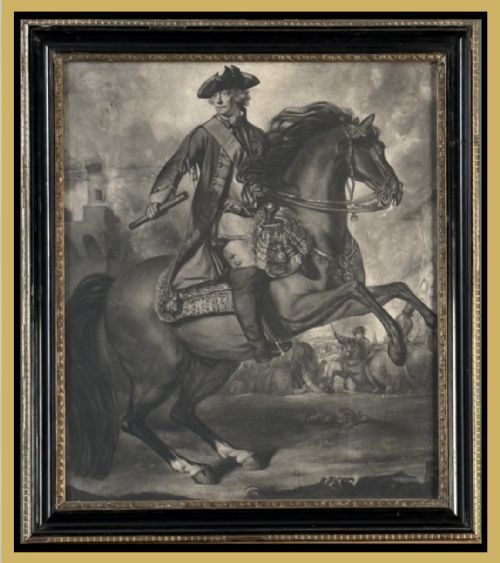
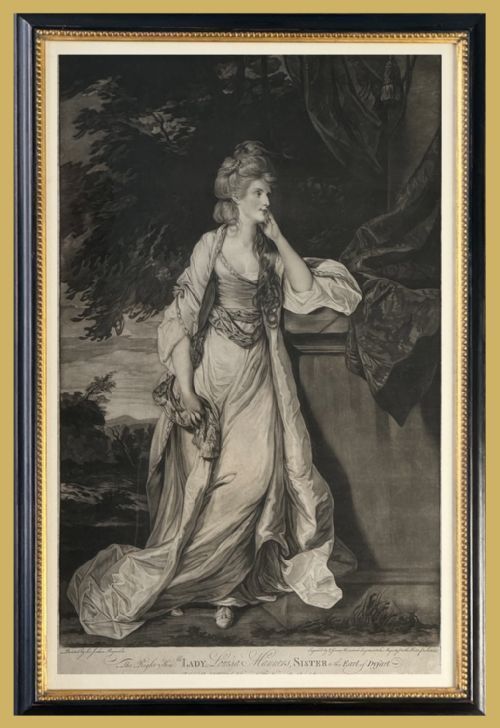
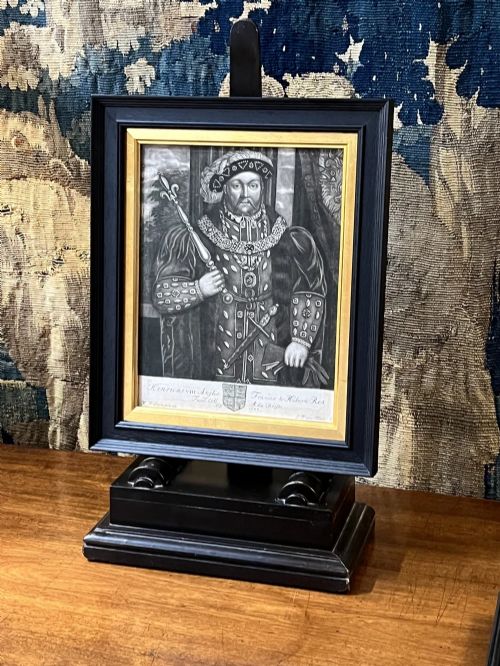
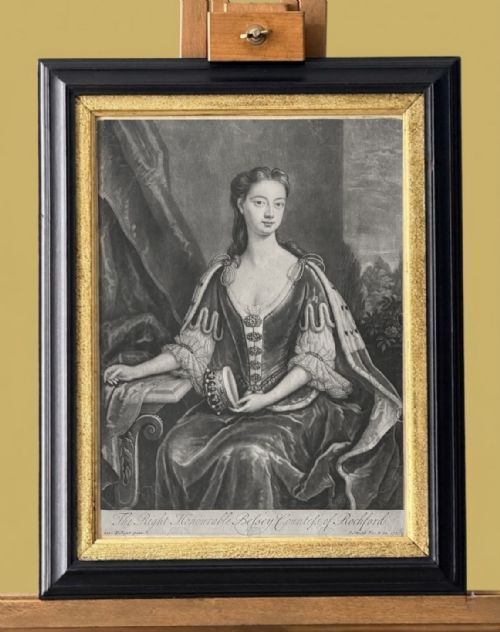


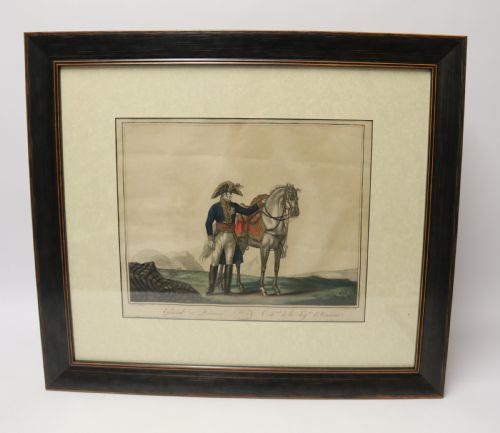

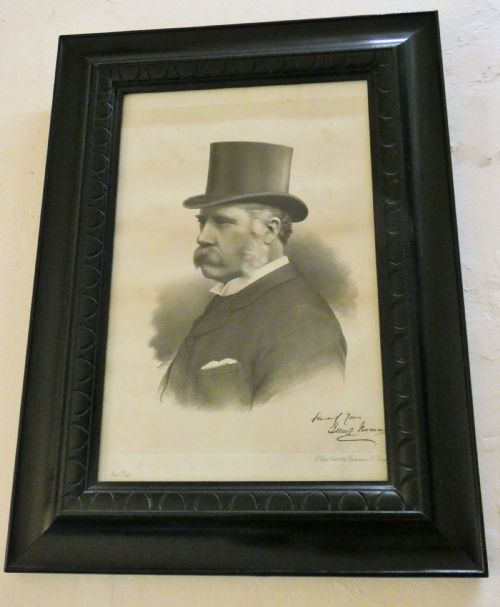
Ebonised Frame Portrait Print
An ebonised frame portrait print brings dark, sharp contrast and historic character to a room through centuries-old likenesses.
Ebonised Frame Portrait Print
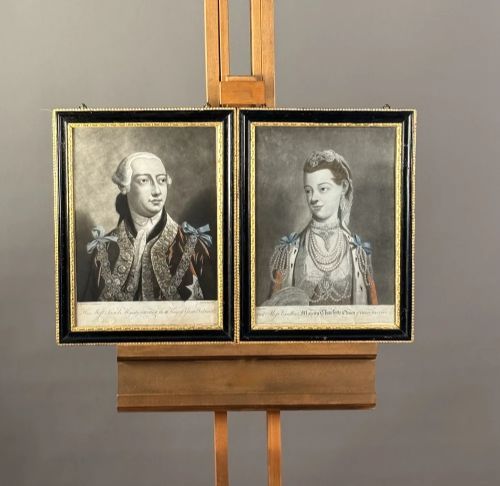
An ebonised frame portrait print combines dark timber mouldings with historic likenesses of royalty, nobility and military figures. These pieces primarily date from the eighteenth century, the Georgian era and the nineteenth century, reflecting classic British and European portraiture traditions.
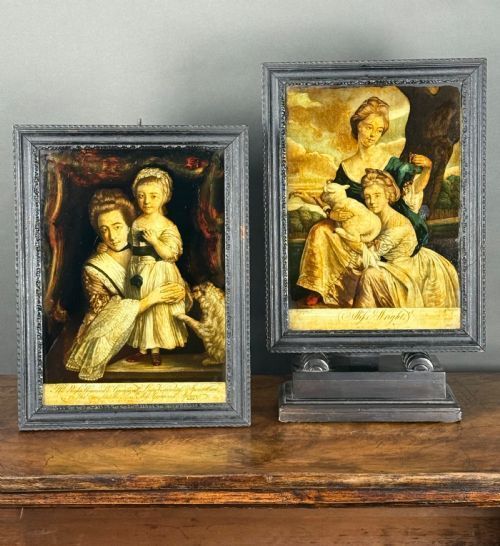
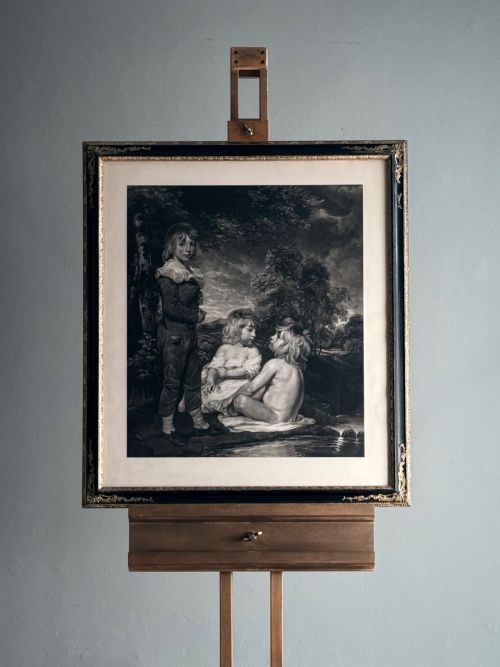
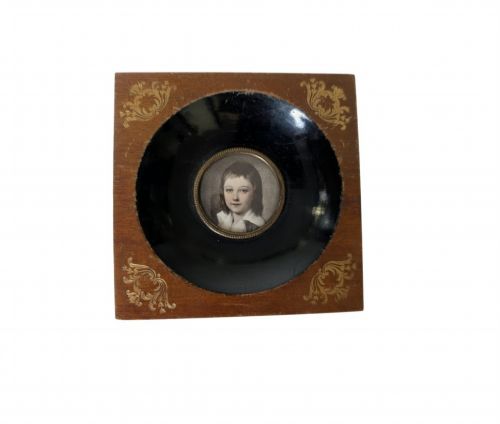
Collectors frequently encounter mezzotints, engravings and reverse glass prints housed within their original or period timber surrounds. The subjects range from monarchs and noblewomen to children and military officers, capturing faces preserved by printmakers from painted originals.
The dark wood framing serves to isolate and concentrate the viewer's attention entirely upon the sitter's face. This visual weight makes them distinct from lighter gilt-framed works, suiting both traditional and contemporary interior schemes.
How they were made
Makers constructed the surrounds from wood treated to imitate costly ebony, often combining the dark timber with glass, paper, ink and occasional gold leaf accents. Printmakers employed mezzotint, etching and stipple-engraving techniques on paper, while reverse glass examples required applying ink and paint directly to the rear of the glass plate.
The finishing process relied on skilled hands to scrape, rock and ink copper plates before pressing them onto paper. Reverse glass methods demanded precise inverse painting, where fine details and highlights were laid down first so they appeared correctly when viewed through the front.
Several sitters gaze across the centuries with expressions of stern disapproval, steadfastly ignoring whatever modern interior sits opposite them.
What varies in quality
Quality rests upon the crispness of the impression left by the printing plate and the depth of the ebonised finish on the wood. Finer prints retain sharp contrasts and delicate facial expressions without blurring, whereas worn plates yield muddy shadows.
The integration between the historic print, its backing and the frame dictates the overall integrity of the piece. Retaining the original glass and timber mounting elevates a work above those altered or re-framed in later periods.
Edward Fisher·Valentine Green·John Faber Snr·John Smith·Thomas Frye·James Ward·Bartolozzi
The Ebonised Frame Portrait Print Glossary
- Ebonised wood
- Timber stained or treated to resemble dense, black ebony. This dark finish provides a stark, formal border that draws the eye directly toward the portrait within.
- Mezzotint
- A printmaking process where the copper plate is roughened to hold ink and produce rich dark tones. This method allows for subtle tonal graduations particularly suited to human skin and fabrics.
- Reverse glass print
- An image applied directly to the back of a glass sheet, creating a glossy surface finish. When viewed from the front, the colours and lines gain exceptional depth and luminosity.
- Stipple-engraving
- A technique using dots rather than continuous lines to build up an image on a plate. It produces soft, painterly effects ideal for rendering flesh and textiles.
Ebonised Frame Portrait Print: Frequently Asked Questions
How should I hang an ebonised frame?
Hang these pieces away from direct sunlight to protect the paper prints, ink and delicate reverse glass work from fading. Ensure your wall fixings match the weight of the dense timber frame and glass.
Pair them with neutral wall colours to allow the dark ebonised wood to create a strong visual anchor in the room.
What is a reverse glass print?
A reverse glass print involves applying ink and paint directly onto the rear surface of a glass panel. This technique gives the image a distinct glossy sheen and depth when viewed from the front.
These delicate works require careful handling and stable indoor humidity to keep the paint and glass secure within the frame.
How do I identify a Georgian print?
Georgian prints often feature sitters in period attire, accompanied by contemporary engraving techniques such as mezzotint or stipple work. The paper typically shows natural ageing, texture and watermark traits consistent with eighteenth-century production.
The accompanying frames often utilise simple ebonised mouldings or gilt liners typical of the Georgian and Regency eras.
Are these frames original to the prints?
Many pieces retain their period frames from the eighteenth or nineteenth century, showing age-appropriate wear to the dark timber finish. Examining the backboards, fixings and glass helps confirm whether the frame and print have remained together over time.
Slight variations in fit and historic fixings are normal indicators of genuine period assembly.